Written by Sophie Tremblay — Canada
Stay: February 2026, 4 nights
Jardín Through the Lens: A Canadian Filmmaker Captures the Magic
I have filmed in forty-three countries. I have chased light across the Sahara at dawn, through the narrow streets of Varanasi at dusk, and along the frozen coast of Newfoundland in January. I thought I understood what extraordinary light looked like. Then I arrived in Jardín, Colombia, and realized I had been working with a limited palette.
Let me back up. My name is Sophie. I make documentary films — the kind that end up on CBC or arte, not on Netflix (yet, I tell myself). I was in Medellín for a post-production meeting on a project about displaced communities, and a Colombian sound engineer named Andrés told me, very seriously, that if I was a person who cared about light, I needed to get on a bus to Jardín immediately. "The light there," he said, closing his eyes like he was tasting wine, "it has weight."
He was not wrong.
The Bus as Opening Shot
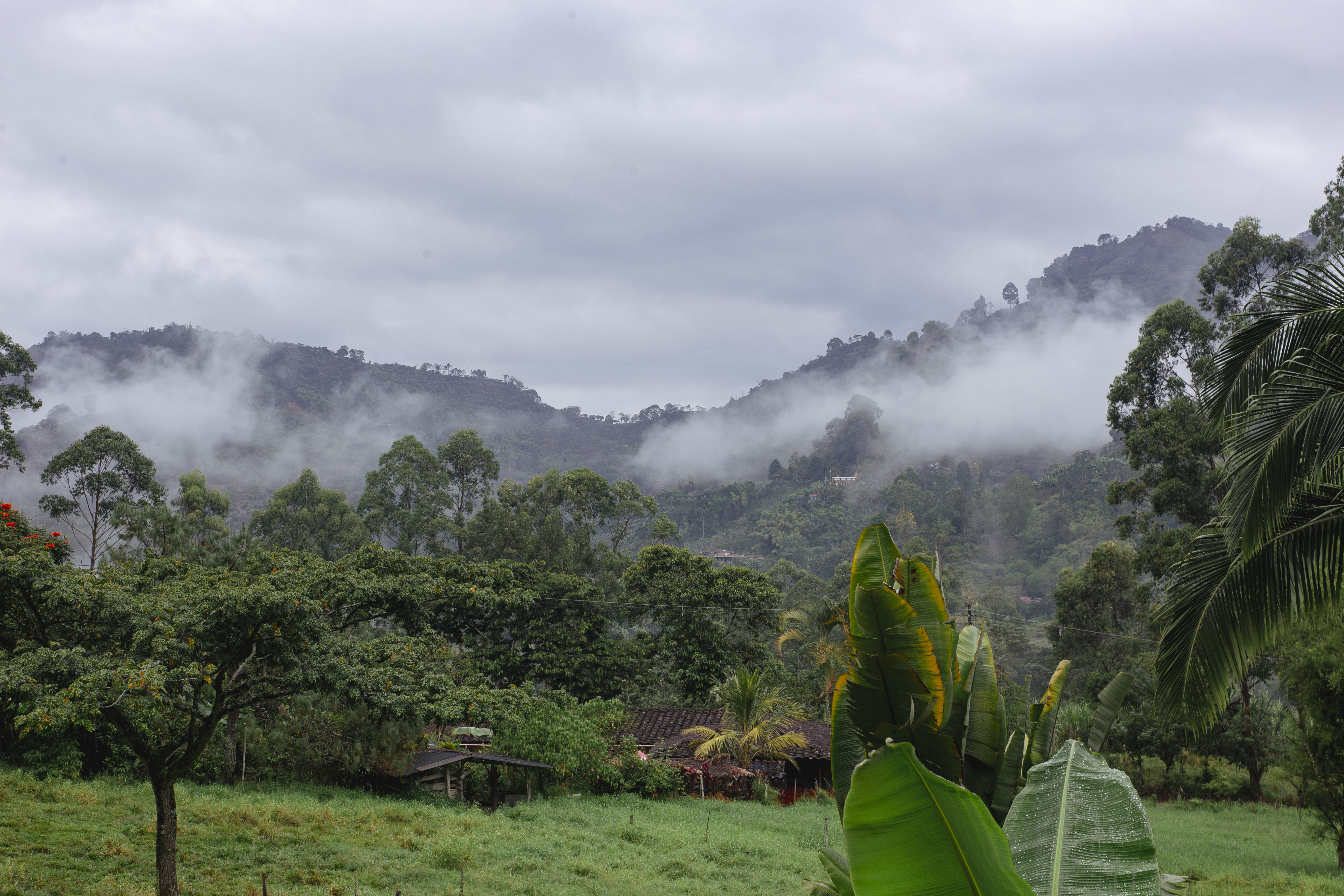
The four-hour bus ride from Medellín is, cinematically speaking, a masterpiece of pacing. It begins with the chaos of Terminal del Sur — a scene I'd frame as vérité, all handheld, all noise. Then the city peels away and you enter the mountains, and the film slows down. The valleys open like a breath held too long. Clouds sit inside them like cotton caught on thorns. I pressed my face against the bus window like a child, my camera forgotten in my lap, because sometimes the best thing a filmmaker can do is simply watch.
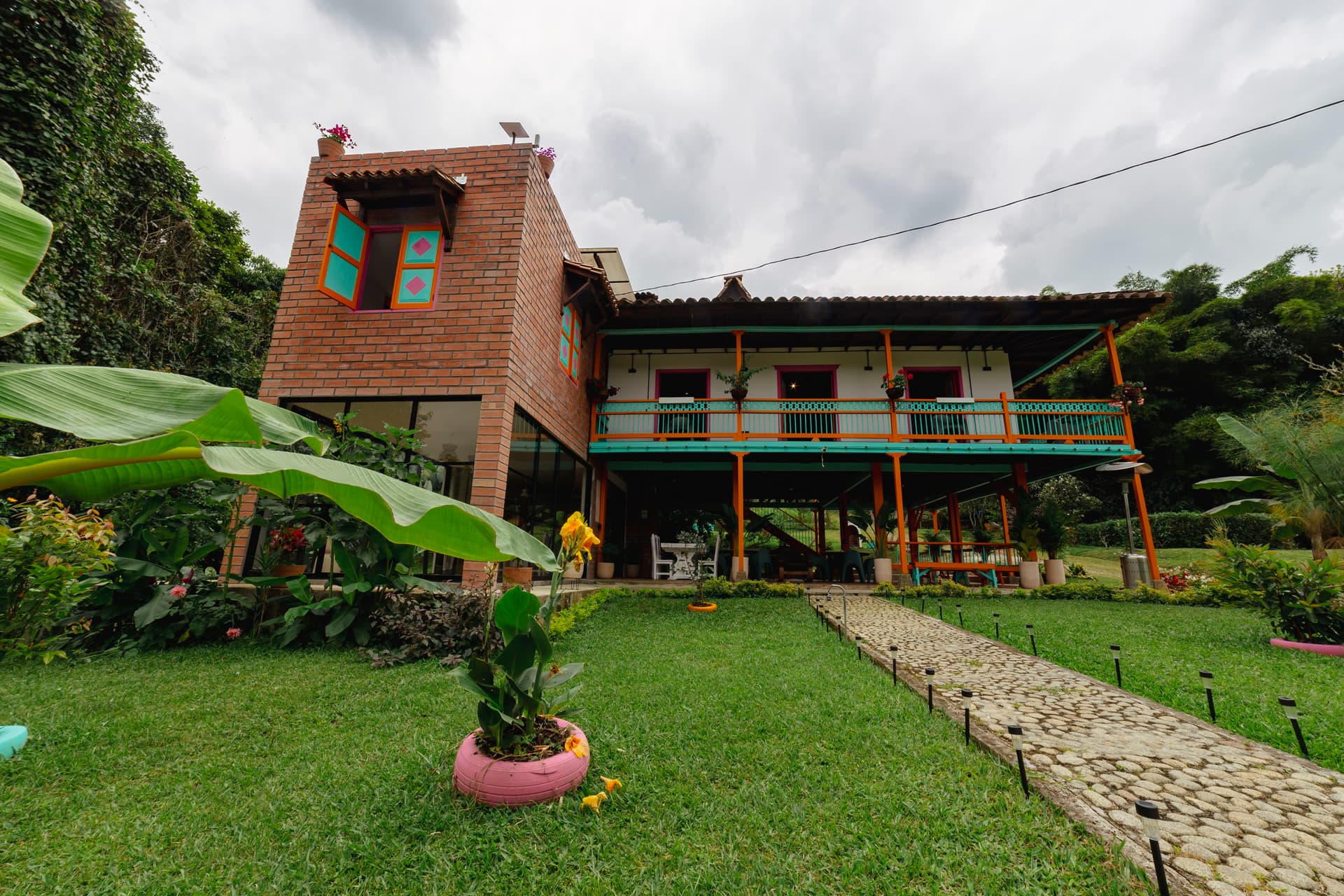
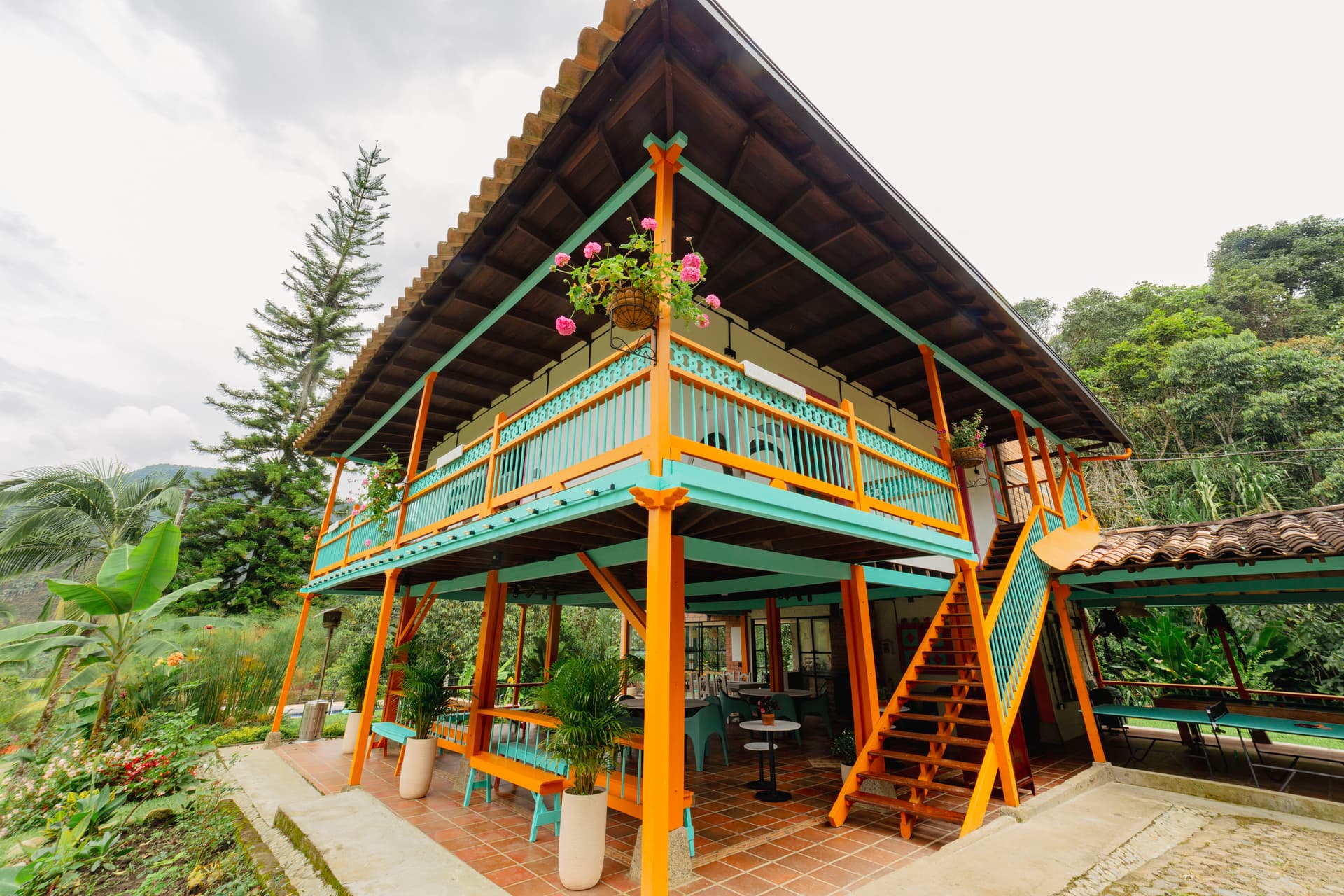
I arrived at Isla de Pascua in the late afternoon, which is to say I arrived during the most perfect light I have ever walked through. The hostel sits in a spot where the mountains frame the western sky, and as the sun descended, every surface turned the color of warm honey. The pool reflected the sky like a second screen. I stood in the courtyard with my bags at my feet and thought: I am going to need more memory cards.
Framing the Pueblo
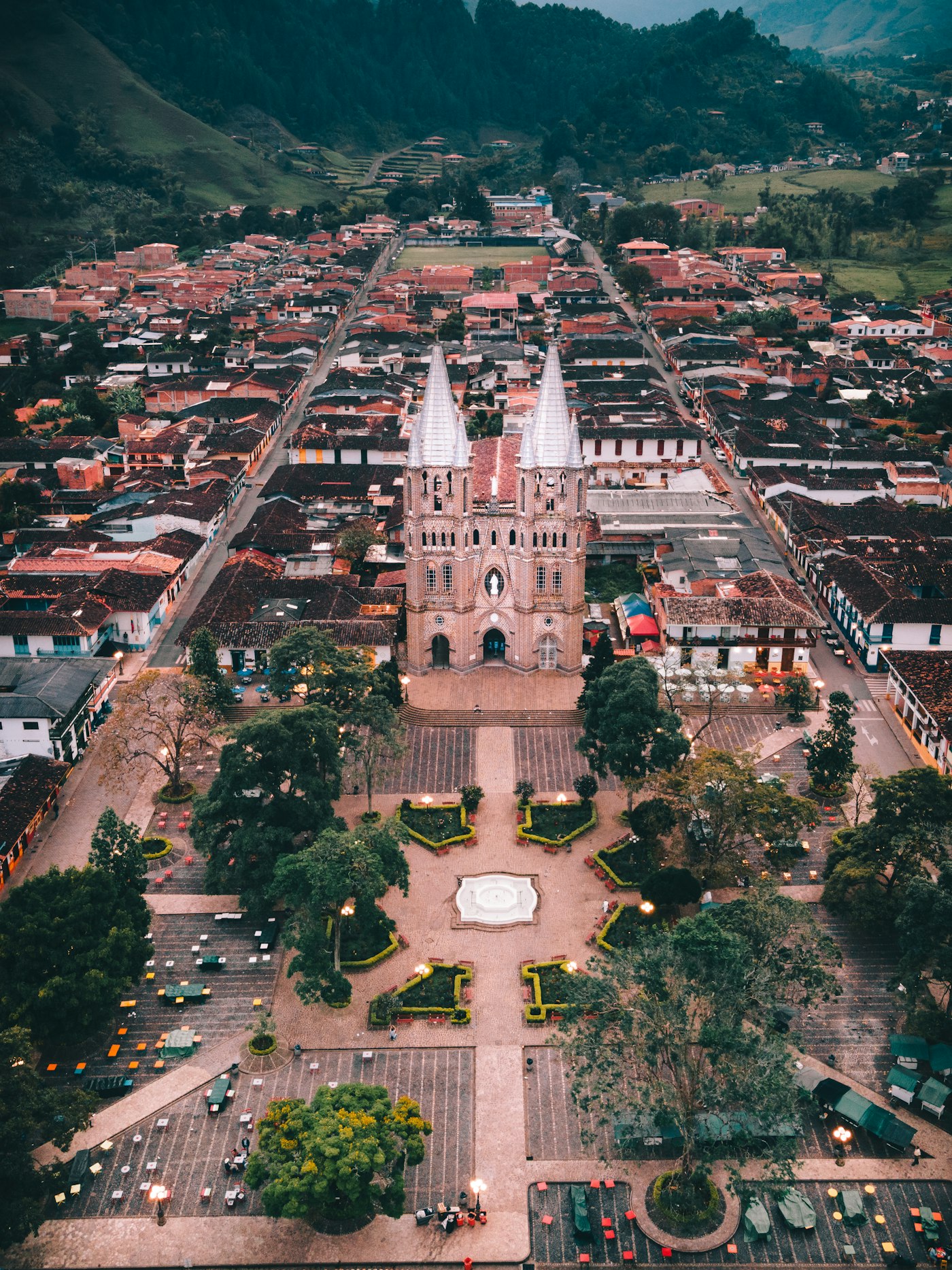
The next morning, I woke before dawn — a habit born of years of chasing first light — and walked down to the main plaza with my camera. Jardín at 5:30 AM is a different film entirely. A man swept the sidewalk in front of his tienda with long, meditative strokes. A woman carried a basket of bread on her head, moving through the blue light like a figure from a Vermeer painting. Two dogs trotted side by side down the empty street, their shadows stretching ahead of them like advance scouts.
I shot for two hours without speaking to anyone, which is unusual for me — I am a documentary filmmaker, after all. But Jardín in the early morning felt like a silent film, and I did not want to add dialogue.
By 8 AM, the plaza had transformed. The painted chairs filled with locals drinking tinto. Children appeared, chasing each other around the fountain. A man set up a cart selling empanadas, and the smell — corn and meat and wood smoke — became its own kind of visual, something I could almost frame.
The Light Has Weight
Andrés was right. The light in Jardín has weight. It is not the thin, sharp light of high altitudes, and it is not the heavy, golden light of lowland tropics. It is something in between — a light that sits on surfaces like a hand resting on a shoulder. In the afternoon, it filters through the cloud cover and becomes diffused, soft, almost tender. At sunset, it turns everything into a painting by some Colombian Impressionist who never existed but should have.
I spent an entire afternoon at the Basílica de la Inmaculada Concepción, not praying but filming. The light through the stained glass windows created patterns on the stone floor that shifted and changed like a time-lapse of seasons. An old woman sat in a pew, rosary in hand, her face half-lit by a beam of colored light, and I asked permission to film her. She said yes, then ignored me completely, which is the greatest gift a documentary subject can give.
The Hostel as Base Camp
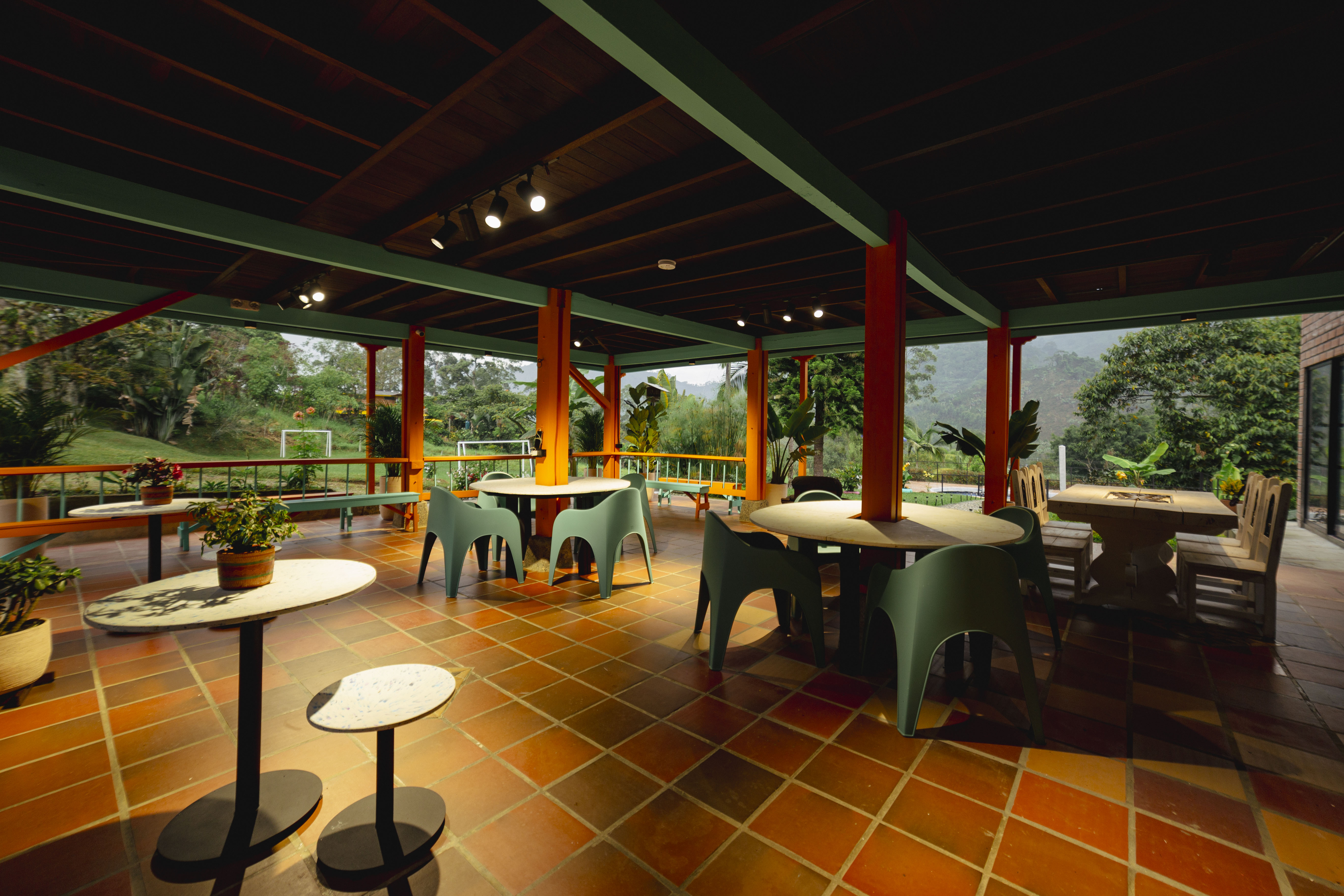
Back at Isla de Pascua each evening, I would review my footage by the pool, my laptop balanced on my knees, the real sunset competing with the sunset on my screen. The hostel became my editing suite, my screening room, and my therapist's office all at once.
I met a German photographer named Klaus who was shooting birds — actual birds, with a telephoto lens the size of a small telescope. He told me about the birdwatching trails and the Gallito de Roca, a bird so absurdly beautiful that it looks like someone designed it in post-production. "You cannot color-correct nature here," he said. "It is already graded."
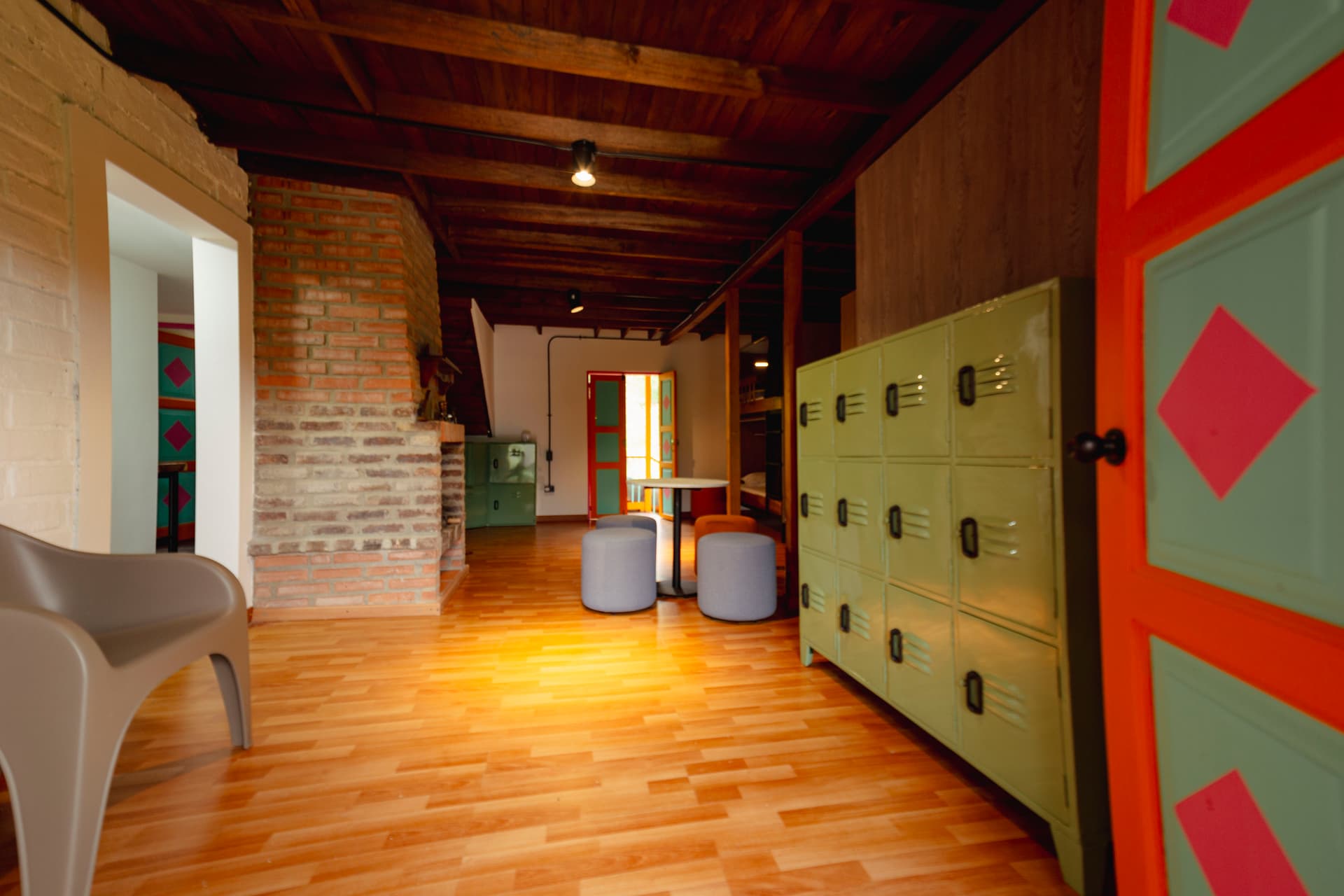
The common area at the hostel became a kind of salon for creatives. A Brazilian illustrator sketched in her notebook. An Argentine musician played quiet guitar. Klaus showed his bird photos. I showed a rough cut of a sequence I had shot that morning. We were strangers performing the intimacy of sharing unfinished work, and the hostel made that possible — it has the kind of space that invites you to sit, to stay, to open your laptop and your heart at the same time.
Portraits of a Pueblo
On my third day, I stopped filming landscapes and started filming people. I visited the coffee farms and met a fourth-generation farmer named Don Jorge who showed me how he dries his beans on raised beds, turning each one by hand. His fingers moved with the precision of a pianist, and the close-up I shot of his hands working through the coffee cherries is the best thing I have filmed in years.
I found an artisan in the cestería workshops weaving baskets from iraca palm, her fingers flying in patterns that her grandmother taught her mother, who taught her. There is a rhythm to cestería that is deeply cinematic — repetitive, meditative, transformative. Raw material becoming art, frame by frame.
In the plaza, I filmed the shoe shiners and the domino players and the woman who sells cholados from a cart with a hand-painted sign. None of them asked why I was filming. In Jardín, it seems, a woman with a camera is simply part of the landscape.
What I Cannot Film
There are things my camera cannot capture. The smell of coffee roasting at Don Jorge's farm. The sound of the Río Truchero running beneath the bridge at night, audible from my dorm window. The feeling of the cool mountain air on my skin after a day of walking. The taste of a trucha the size of my forearm at one of the restaurants on the plaza, served with patacones and a view of the Basílica at dusk.
These are the things that make a place more than footage. These are the things that make you return.
The Final Cut
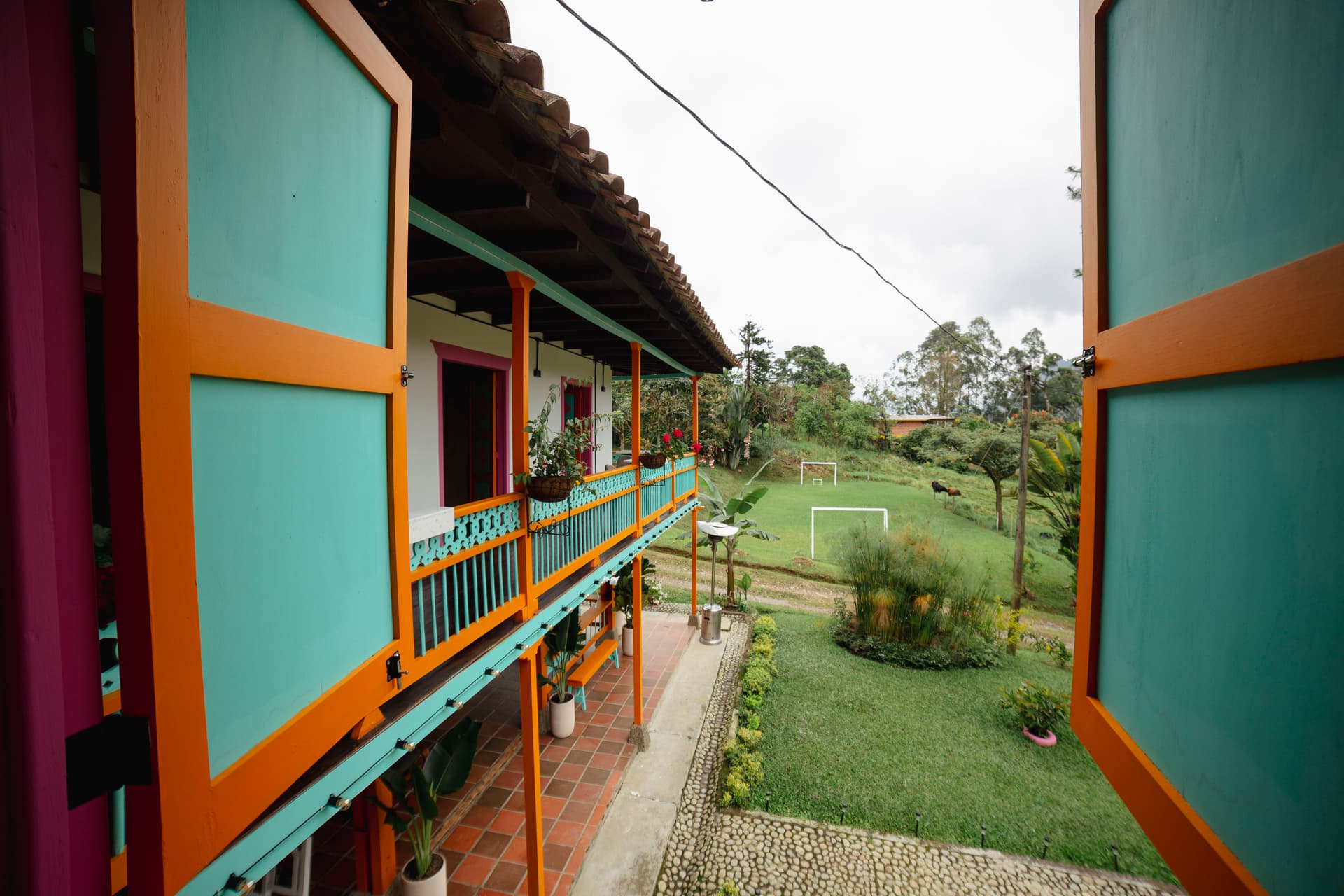
On my last morning, I sat in the hostel garden and watched the mist lift from the valley. I had shot fourteen hours of footage in four days — enough for a short film, maybe, or a long one if I am patient. But more than that, I had experienced something that is increasingly rare in my line of work: I had been surprised. Jardín did not perform for my camera. It simply existed, beautifully and unapologetically, and allowed me to witness it.
To Andrés in Medellín: you were right about the light. It does have weight. And it stayed with me long after I left.
To Isla de Pascua: thank you for the sunsets, the conversations, and the space to work and wonder at the same time. I will be back — this time with a proper sound kit and a longer booking.
— Sophie, reviewing footage on a rainy afternoon in Montréal, already planning the return trip
Ready to experience Jardín?
Book Now Isla de Pascua