Why Jardín Is Colombia's Hidden Coffee Capital
Colombia is synonymous with coffee, but not all coffee regions are created equal. While the Zona Cafetera (the official Coffee Axis around Armenia, Pereira, and Manizales) gets most of the attention from tourists, many Colombian coffee experts will tell you that some of the finest beans in the country grow right here in the mountains around Jardín.
Jardín sits at an ideal altitude for coffee cultivation — between 1,500 and 2,000 meters above sea level — with the perfect combination of volcanic soil, consistent rainfall, and moderate temperatures that arabica coffee plants thrive in. The result is coffee with bright acidity, complex flavor profiles, and that smooth, clean finish that has put Colombian coffee on the world map.
But what really sets Jardín apart from the larger coffee tourism destinations is the experience itself. There are no massive commercial plantations here with gift shops and tour buses. Instead, you'll visit small family farms where the same families have been growing coffee for three or four generations. The tours are intimate, personal, and deeply connected to the land and community. You'll shake hands with the farmer who planted the trees, pick ripe cherries alongside workers who do it every day during harvest, and taste coffee that was roasted just hours ago.
If you drink coffee — and especially if you love it — a farm tour in Jardín is an experience that will change how you think about your morning cup forever.
The Best Coffee Farm Tours
Finca La Esperanza: The Authentic Family Experience
Price: COP $30,000–40,000 per person Duration: 2–3 hours Group size: 2–8 people Best for: Travelers who want an intimate, hands-on experience with a local family
Finca La Esperanza is the tour most frequently recommended by long-term travelers and locals alike. This small family-run farm sits on a hillside about 20 minutes outside town, surrounded by coffee plants, plantain trees, and the green mountains of the Andes.
What's Included
The tour begins with a short walk through the coffee plantation, where the farmer (often Don Carlos or one of his children) explains the different coffee varieties grown on the farm, the annual growing cycle, and why altitude and soil composition matter so much for flavor. You'll learn to identify ripe coffee cherries and pick them yourself — it's harder than it looks, and it gives you instant respect for the workers who harvest thousands of kilograms during the season.
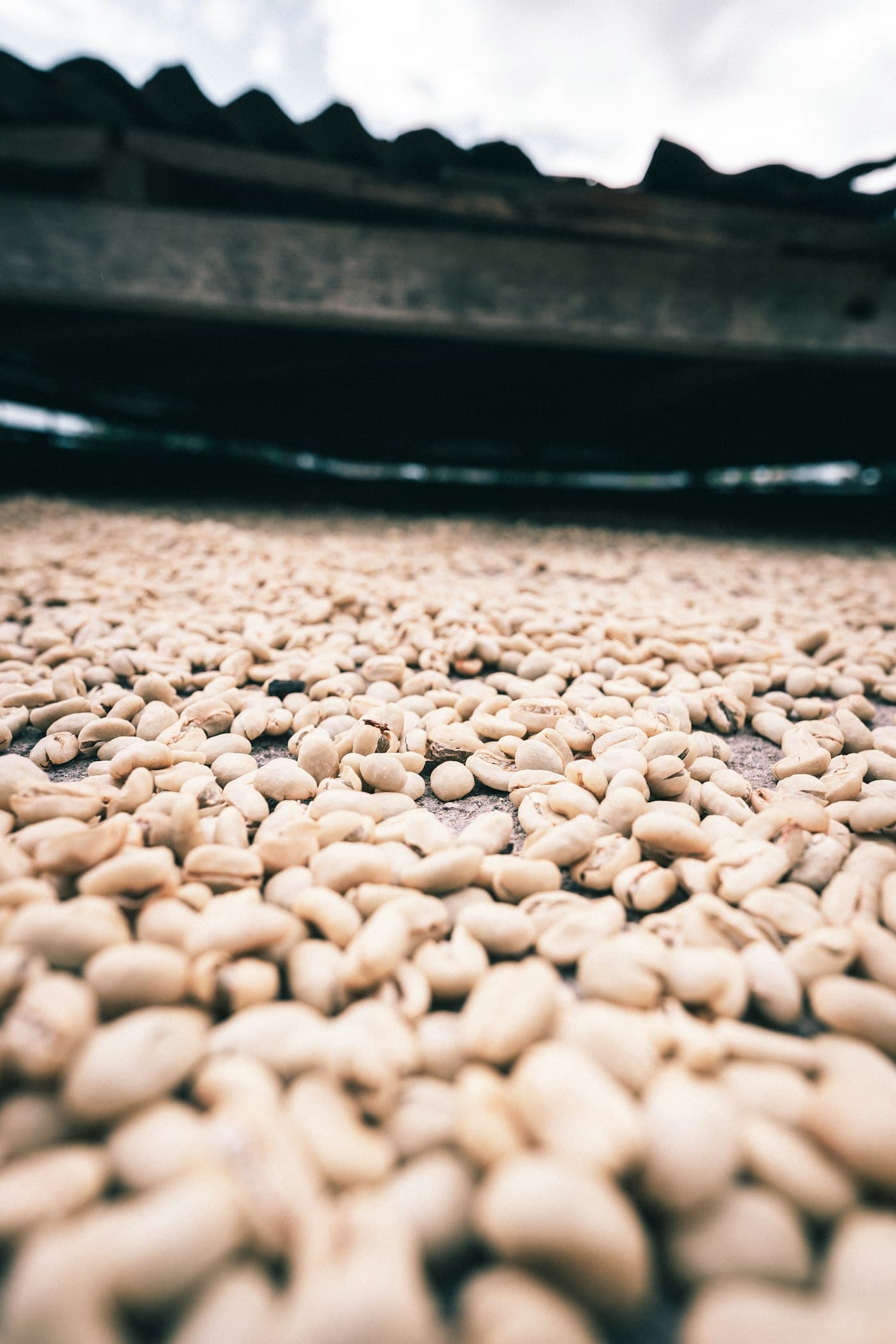
From the field, you move to the beneficio (processing area), where you see the cherries being depulped, washed, fermented, and laid out to dry on raised beds. This is the part of the tour where most people realize how much work goes into every single cup of coffee. The process from cherry to exportable green bean takes days of careful attention.
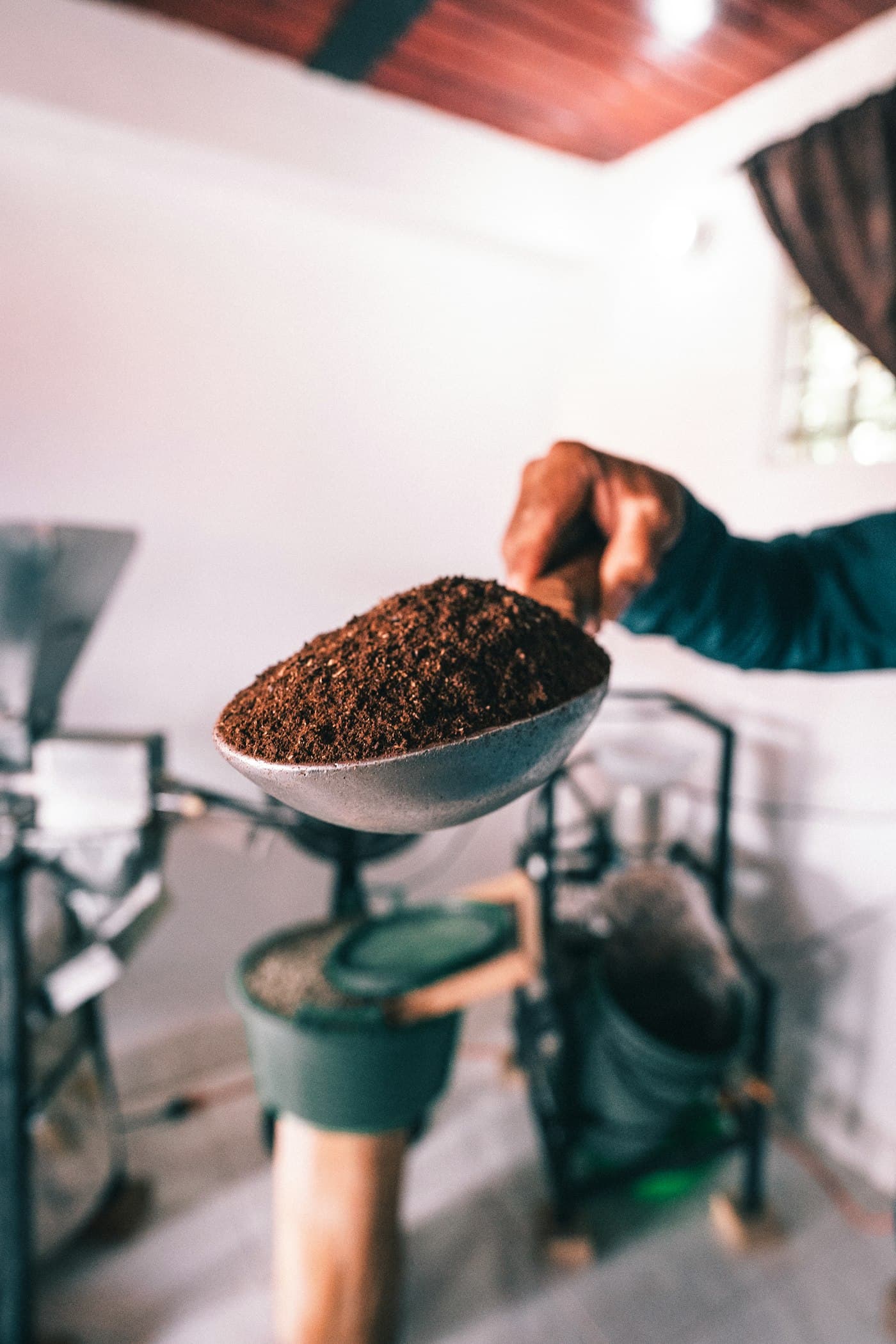
The final step is roasting and tasting. The family roasts a small batch right in front of you, and you taste the coffee while it's at its absolute freshest. You'll typically sample 2–3 different roast levels and learn how roasting time affects flavor — from light and fruity to dark and chocolatey.
Why We Like It
The warmth of the family makes this tour special. It doesn't feel like a commercial operation — it feels like being invited into someone's home and livelihood. Don Carlos is passionate about his craft, speaks enthusiastically (mostly in Spanish, though a family member sometimes translates), and clearly loves sharing his knowledge with visitors. You'll leave with a deep appreciation for small-scale Colombian coffee farming and probably a bag or two of freshly roasted beans.
How to Book
Ask at your accommodation — most hostels and hotels in Jardín work directly with Finca La Esperanza. You can also find their contact information at the tourism office on the main square.
Café Jardín Tour: The Professional Experience
Price: COP $40,000–50,000 per person Duration: 2.5–3 hours Group size: 4–12 people Best for: Coffee enthusiasts who want a more structured, educational experience
Café Jardín operates a larger, more professionally organized tour that covers the full coffee production chain in greater depth. The farm is well-maintained and set up to receive visitors regularly, with clear signage, well-defined tour routes, and guides who speak varying levels of English.
What's Included
The tour follows a similar structure to La Esperanza but with more emphasis on the technical and business aspects of coffee production. You'll learn about:
- Varietals: The specific arabica sub-varieties grown in Jardín and how they compare to beans from other regions
- Processing methods: Side-by-side comparisons of washed, natural, and honey-processed beans and how each method impacts flavor
- Quality grading: How coffee is evaluated for export and the difference between specialty-grade and commercial-grade beans
- The economics of coffee: What farmers actually earn, the role of the FNC (Federación Nacional de Cafeteros), and the challenges facing small producers
The tasting session is more formal, structured like a cupping — the industry-standard method for evaluating coffee. You'll taste 3–4 different coffees side by side and learn to identify flavor notes like citrus, caramel, berries, and chocolate.
Why We Like It
If you're a serious coffee lover who already knows your pour-over from your French press, this tour delivers the depth and detail you're looking for. The guides are knowledgeable and can answer technical questions about everything from soil pH to export logistics. It's also a good option if you prefer a more structured experience with clear explanations in English.
How to Book
Café Jardín has a small office near the main square, or book through your accommodation. They run tours most mornings during the high season.
Finca La Cabaña: The Organic Option
Price: COP $35,000–45,000 per person Duration: 2–3 hours Group size: 2–6 people Best for: Eco-conscious travelers interested in sustainable and organic farming
Finca La Cabaña stands out for its commitment to organic and sustainable coffee production. The farm uses no synthetic pesticides or fertilizers, instead relying on natural composting, shade-growing techniques, and integrated pest management to produce high-quality beans with minimal environmental impact.
What's Included
The tour emphasizes the relationship between coffee farming and the surrounding ecosystem. You'll walk through shade-grown plantations where coffee plants grow under a canopy of native trees — a method that's better for biodiversity, soil health, and ultimately coffee flavor. The farmer explains why conventional farming practices damage the environment and how organic methods, while more labor-intensive, produce a superior product.
You'll see the farm's composting operation, where coffee pulp and other organic waste are recycled back into the soil. The processing method is fully natural — no chemicals at any stage — and the roasting is done over a traditional wood-fired setup.
The tasting focuses on how organic farming practices affect the final cup. Many visitors are surprised by the clarity and complexity of organically grown coffee compared to conventionally produced beans.
Why We Like It
For travelers who care about sustainability and want to support farming practices that protect the environment, Finca La Cabaña is the clear choice. The farm is also set in a particularly beautiful location, with views of the valley and surrounding cloud forest. The intimate group sizes mean you get plenty of one-on-one time with the farmer.
How to Book
Finca La Cabaña is a bit harder to find independently. The best way to book is through your accommodation or the local tourism office.
What to Expect on Any Coffee Tour
Regardless of which tour you choose, here's what a typical coffee farm visit looks like:
The Journey
Most farms are located 15–30 minutes outside town by jeep or motorcycle taxi. Transport is usually included in the tour price or arranged separately (COP $5,000–10,000 each way). The drive itself is part of the experience — you'll pass through lush countryside, cross small bridges over mountain streams, and wind along narrow roads with incredible views.
The Picking
If you visit during harvest season (October through January is the main harvest, with a smaller harvest called "mitaca" from April to June), you'll get to pick coffee cherries directly from the plants. Your guide will show you how to identify perfectly ripe cherries — they should be bright red and slightly soft when squeezed. Picking is done by hand in Colombia, and it's skilled work that requires a good eye and patience.
Outside of harvest season, the guides usually have some cherries set aside for demonstration purposes, so you'll still get the hands-on experience.
The Processing
After picking, you'll see how the coffee cherry is transformed into the green bean that's eventually roasted:
- Depulping: The outer fruit is removed, revealing the beans inside
- Fermentation: Beans soak in water for 12–36 hours, developing flavor complexity
- Washing: The fermented mucilage is rinsed away
- Drying: Beans are spread on raised beds or patios to dry in the sun for several days
- Hulling: The dried parchment layer is removed, revealing the green bean
- Sorting and grading: Beans are sorted by size and quality
The Roasting
The highlight for most visitors. Watching raw green beans transform into aromatic brown coffee in a matter of minutes is almost magical. The Maillard reaction — the same chemical process that browns bread and steak — creates hundreds of new flavor compounds as the beans heat up. You'll hear the "first crack" and "second crack" as the beans expand, and the air fills with an aroma that no coffee shop can match.
The Tasting
Finally, the moment you've been waiting for. Freshly roasted coffee tastes noticeably different from anything you've had before — it's brighter, more complex, and incredibly aromatic. Your guide will walk you through proper tasting technique: slurping the coffee to aerate it, letting it coat your palate, and identifying specific flavor notes.
Most farms offer bags of freshly roasted coffee for sale at this point. Prices are very reasonable compared to what you'd pay at home — typically COP $15,000–25,000 for 250 grams of specialty-grade, freshly roasted beans. Buy as much as your luggage allows.
When to Visit: Harvest Seasons
While coffee tours operate year-round, the experience is richest during harvest season:
- Main harvest (cosecha principal): October through January. This is when the majority of the crop is picked, and farms are at their busiest. You'll see the full production chain in action.
- Mitaca (small harvest): April through June. A secondary harvest that produces a smaller yield but equally good beans.
- Off-season: February to March and July to September. Tours still run, and you'll see the plants growing and the processing equipment, but there won't be active picking. Some farms keep dried cherries for demonstration purposes.
The dry season (December to March) overlaps with the main harvest and offers the best weather for farm visits — less mud on the trails and more comfortable conditions for walking around the plantation.
How to Book Your Tour
There are several ways to arrange a coffee tour in Jardín:
Through Your Accommodation
This is by far the easiest and most reliable option. Most hostels and hotels in Jardín have established relationships with local farms and can book everything for you — including transport, the tour itself, and sometimes even a combination package that includes other activities.
Pro tip: Base yourself at Isla de Pascua — Ask at Isla de Pascua reception — they arrange tours and transport
At the Tourism Office
The small tourism office on the main square has information about authorized tour operators and can help you book directly. This is a good option if you want to compare multiple farms before deciding.
Through Local Tour Agencies
Several agencies around the main square offer coffee tours as part of their activity lineup. They sometimes combine the coffee tour with other activities (like a visit to a panela farm or a waterfall hike) for a full-day package.
Directly with the Farm
If you speak Spanish and prefer to cut out the middleman, some farms accept direct bookings. Ask at your accommodation or the tourism office for phone numbers.
Tips for the Best Experience
Before You Go
- Eat breakfast first. The coffee tasting on an empty stomach can make some people jittery. A solid meal beforehand helps you enjoy the experience without the caffeine crash later.
- Wear closed-toe shoes. Farm terrain is uneven, and you'll be walking through muddy areas during or after rain.
- Bring a light rain jacket. Mountain weather changes quickly.
- Charge your phone/camera. Coffee farms are photogenic — green plants against mountain backdrops, close-ups of red cherries, rustic processing equipment, and the roasting process all make great photos.
During the Tour
- Ask questions. Farmers love sharing their knowledge, and the more engaged you are, the more you'll get out of the experience. Good questions include: "What varieties do you grow?", "What's your biggest challenge as a farmer?", and "How has climate change affected your production?"
- Try everything. Taste the raw cherry fruit (it's sweet and slightly tangy), smell the fermenting beans, feel the parchment layer on a dried bean. Engage all your senses.
- Be respectful. You're visiting someone's livelihood and home. Ask before photographing workers, and be mindful of where you walk.
After the Tour
- Buy coffee directly from the farm. This puts the most money in the farmer's pocket and ensures you're getting the freshest beans possible. Ask for whole beans rather than ground — they stay fresh much longer.
- Store it properly. Keep your beans in an airtight container away from light and heat. Freshly roasted coffee is best consumed within 2–4 weeks.
Coffee Buying Guide
If you want to bring Colombian coffee home (and you should), here's what to know:
What to Look For
- Roast date: Fresher is better. Look for a roast date within the last 1–2 weeks. Avoid bags without a roast date.
- Single origin vs. blend: Single-origin beans from a specific farm or region showcase the unique terroir of that place. Blends can be excellent but are less distinctive.
- Roast level: Light roasts preserve more of the bean's natural flavor characteristics. Medium roasts balance origin character with roasting flavors. Dark roasts emphasize bold, smoky, chocolatey notes. For specialty Colombian coffee, light to medium roasts tend to shine brightest.
- Processing method: Washed coffees (the Colombian standard) are clean and bright. Natural process beans are fruitier and more complex. Honey process falls in between.
Where to Buy
- Directly from farms during your tour — the freshest option and best value
- Specialty coffee shops in Jardín's town center
- The main square market — several vendors sell local coffee, but quality varies. Taste before you buy if possible.
Prices
- Farm-direct: COP $15,000–25,000 per 250g
- Specialty shops in town: COP $20,000–35,000 per 250g
- Airport/tourist shops: COP $30,000–50,000+ per 250g (avoid these)
Packing Tips
Coffee beans are allowed in checked and carry-on luggage for international flights. Vacuum-sealed bags travel best and prevent spills. If you've bought a lot, pack the bags in the center of your suitcase surrounded by clothes for cushioning.
Beyond Coffee: Combining with Other Experiences
A coffee tour pairs well with other half-day activities in Jardín. Consider combining your coffee morning with:
- An afternoon hike to Cristo Rey for panoramic views of the coffee-growing valley you just visited
- A visit to La Garrucha cable car — from the top, you can see the coffee farms scattered across the hillsides
- Lunch at a restaurant that sources its coffee directly from local farms
For a complete trip plan that incorporates a coffee tour alongside Jardín's other highlights, check out our 3-day itinerary.
The Bigger Picture
Visiting a coffee farm in Jardín isn't just a fun activity — it's a window into one of Colombia's most important industries and the lives of the people who sustain it. Small-scale coffee farming is hard work with thin margins, and the families who do it pour their hearts into producing something exceptional.
When you buy their coffee, tip your guide, and share your experience with others, you're directly supporting a way of life that connects Colombian tradition with the global coffee culture. That first sip back home, when you brew the beans you brought from Jardín, will taste like more than coffee — it'll taste like the mountains, the morning mist, and the hands that grew it.
For more on planning your trip to Jardín, explore our complete travel guide and budget breakdown.
Where to Stay in Jardín
Isla de Pascua is a social hostel with a swimming pool, coworking space with 50 Mbps WiFi, and a common area that makes it easy to meet other travelers. It's steps from the main square and the best base for exploring everything Jardín has to offer.
Learn more about Isla de Pascua →Ready to experience Jardín?
Book Now Isla de Pascua