There is a moment in every Jardín cooking class when the kitchen fills with the smell of sofrito hitting a hot pan — onions, tomatoes, and garlic sizzling in oil, releasing a fragrance so deeply savory that your stomach tightens with anticipation. This is hogao, the foundation sauce of Colombian cooking, and the first thing most instructors teach you to make. It is also the moment when you realize that learning to cook in Jardín is not just about recipes. It is about understanding a culture through its deepest, most honest expression: the food it feeds its families.
Jardín, a small pueblo tucked into the green mountains of southwestern Antioquia, is famous for its colorful architecture, its coffee farms, and its breathtaking natural surroundings. But for travelers willing to step behind the restaurant table and into the kitchen, the town offers something even more memorable — the chance to cook alongside local women and men who have been preparing these dishes their entire lives, using techniques and recipes passed down through generations of Antioquian families.
If you have ever sat in front of a bandeja paisa and wondered how all those flavors come together, or bitten into a perfectly crispy empanada and thought about the hands that shaped it, a cooking class in Jardín will answer every question you did not know you had.
Food Is Identity in Antioquia
To understand Antioquian cooking, you first have to understand Antioquian people. The paisas — as the people of this region call themselves — are famously proud, hardworking, and deeply attached to their traditions. Food is at the center of all of it. Meals are not rushed affairs eaten standing at a counter. They are events. Families gather around the table for almuerzo (lunch), the biggest meal of the day, and the kitchen is the gravitational center of every home.
Antioquian cuisine was shaped by the landscape. This is mountain country — steep, green, and fertile, but also demanding. The arrieros (mule drivers) who opened up the region's trade routes in the nineteenth century needed food that was calorie-dense, portable, and sustaining. That practical necessity gave birth to the bandeja paisa, a plate so loaded with protein and carbohydrates that it could fuel a man through a full day of hauling goods over mountain passes. Beans provided protein that kept without refrigeration. Arepas traveled well in saddlebags. Chicharrón and chorizo delivered fat and flavor. The plantain, the avocado, the fried egg — each element served a purpose before it became a tradition.
Today, those same dishes are served in every restaurant in Jardín, but cooking them yourself, with a local instructor guiding your hands, connects you to their history in a way that eating them never quite does.
What You Will Learn: The Dishes
Bandeja Paisa — The Iconic Plate
The bandeja paisa is the undisputed king of Antioquian cuisine, and it is almost always the centerpiece of a Jardín cooking class. The name means "paisa platter," and the dish is exactly that — a generous oval plate (bandeja) loaded with an almost absurd number of components, each one cooked separately and brought together at the end in a composition that is equal parts sustaining and celebratory.
A proper bandeja paisa includes: frijoles antioqueños (red beans cooked slowly with pork, plantain, and hogao), white rice, carne molida (seasoned ground beef), chicharrón (deep-fried pork belly with crackling skin), a fried egg, tajadas de plátano maduro (sweet fried plantain slices), an arepa, a slice of ripe avocado, and hogao spooned over everything. Some versions add chorizo or morcilla (blood sausage), but the core elements are non-negotiable.
In class, you will learn to cook each component from scratch. The beans alone take time — they are simmered low and slow until they break down into a thick, creamy stew that is simultaneously earthy and rich. The instructor will show you the trick of adding a small piece of green plantain to the pot, which thickens the broth and gives it a silky body. You will season the carne molida with cumin, garlic, and a generous spoonful of hogao, cooking it until the meat absorbs every ounce of flavor. The chicharrón gets a double cook — first simmered in its own fat until tender, then fried at high heat until the skin puffs and shatters like glass.
By the time every element is ready and arranged on the bandeja, you will have a profound appreciation for the labor that goes into this dish. It is not complicated cooking — there is nothing fussy or technical about it — but it requires patience, attention, and a genuine love for feeding people well.
Empanadas Antioqueñas — Crispy, Golden Perfection
If bandeja paisa is the king, empanadas are the beloved street snack of the people. Empanadas antioqueñas are different from the wheat-flour empanadas you might know from Argentina or Chile. These are made with masa of pre-cooked corn flour (masarepa), which gives them a distinctive crispy, slightly grainy shell that shatters when you bite through it.
The filling is a seasoned mixture of shredded or ground beef (or sometimes pork or chicken) cooked with potatoes, hogao, cumin, and a pinch of color from achiote or sazón. The filling is cooled, then spooned onto discs of corn dough, which are folded into half-moons and sealed by pressing the edges together. The instructor will show you the hand technique — a quick, confident motion that takes practice but becomes second nature with repetition.
The empanadas are deep-fried in hot oil until they turn a deep golden color, and the moment they come out of the fryer, glistening and crackling, you understand why Colombians eat millions of them every day. They are served with ají — a fresh, tangy salsa made from cilantro, green onion, lime juice, and chili — and the combination of the hot, crispy shell with the cool, bright ají is addictive in the truest sense.
Arepas de Chócolo — Sweet Corn Arepas
Arepas are the daily bread of Colombia, eaten at breakfast, lunch, and dinner in one form or another. But the arepa de chócolo holds a special place in Antioquian cuisine. Made from fresh sweet corn (chócolo) rather than dried corn flour, these arepas are naturally sweet, golden, and tender, with a custardy interior that is nothing like the plain white arepas served at most meals.
In class, you will grind the fresh corn kernels (or blend them, depending on the kitchen), mix the batter with a little sugar, salt, and butter, and cook the arepas on a hot griddle until they develop a caramelized crust on each side. They are traditionally served with a thick slice of fresh white cheese (quesito) that melts slightly against the hot arepa — the salty cheese against the sweet corn is one of those flavor combinations that is so simple and so perfect that it needs nothing else.
Sancocho — The Soul of the Colombian Kitchen
Sancocho is more than a soup. It is a ritual, a gathering point, a Sunday tradition, a cure for hangovers, heartbreak, and homesickness. Every region of Colombia has its own version, and the Antioquian sancocho is a hearty, thick broth loaded with chicken (or beef, or pork), yuca, potato, corn on the cob, plantain, and cilantro. It is cooked in a large pot and served in deep bowls with white rice on the side and a squeeze of lime on top.
Making sancocho in class is a lesson in layering — the ingredients go into the pot in stages, each one adding depth to the broth. The chicken gives body, the yuca thickens, the plantain adds sweetness, and the corn releases its starch. By the time it is ready, the broth has become something much greater than the sum of its parts — golden, aromatic, deeply nourishing.
Sancocho is the dish Colombians cook when the whole family comes over. Learning to make it in Jardín means learning to cook for a crowd, to share generously, and to understand that the best Colombian food is never eaten alone.
Hogao — The Foundation of Everything
Before you learn any of the dishes above, you will learn hogao. This simple sofrito of diced tomato and white onion, cooked slowly in oil with garlic and a pinch of cumin until it breaks down into a thick, jammy sauce, is the building block of nearly everything in Antioquian cooking. It goes into the beans, over the rice, on top of the carne molida, alongside the eggs. It is the flavor that ties the entire bandeja paisa together.
The secret to good hogao is patience. The onions need to cook until they are completely soft and translucent, almost dissolving into the tomato. Rush it, and you get a raw, sharp sauce. Give it time, and you get something sweet, mellow, and deeply savory — the taste of a Colombian kitchen.
The Market Experience: Shopping for Ingredients
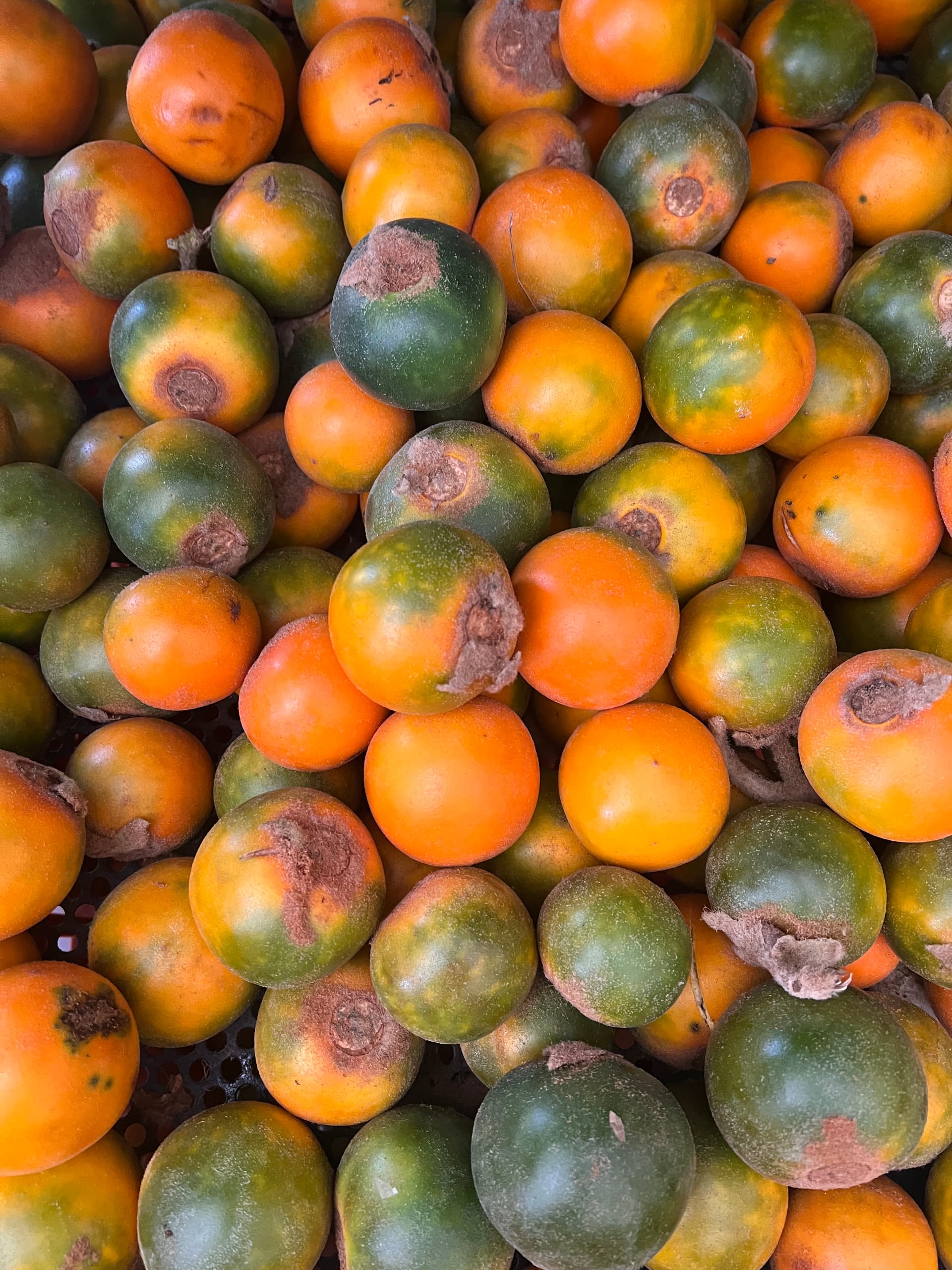
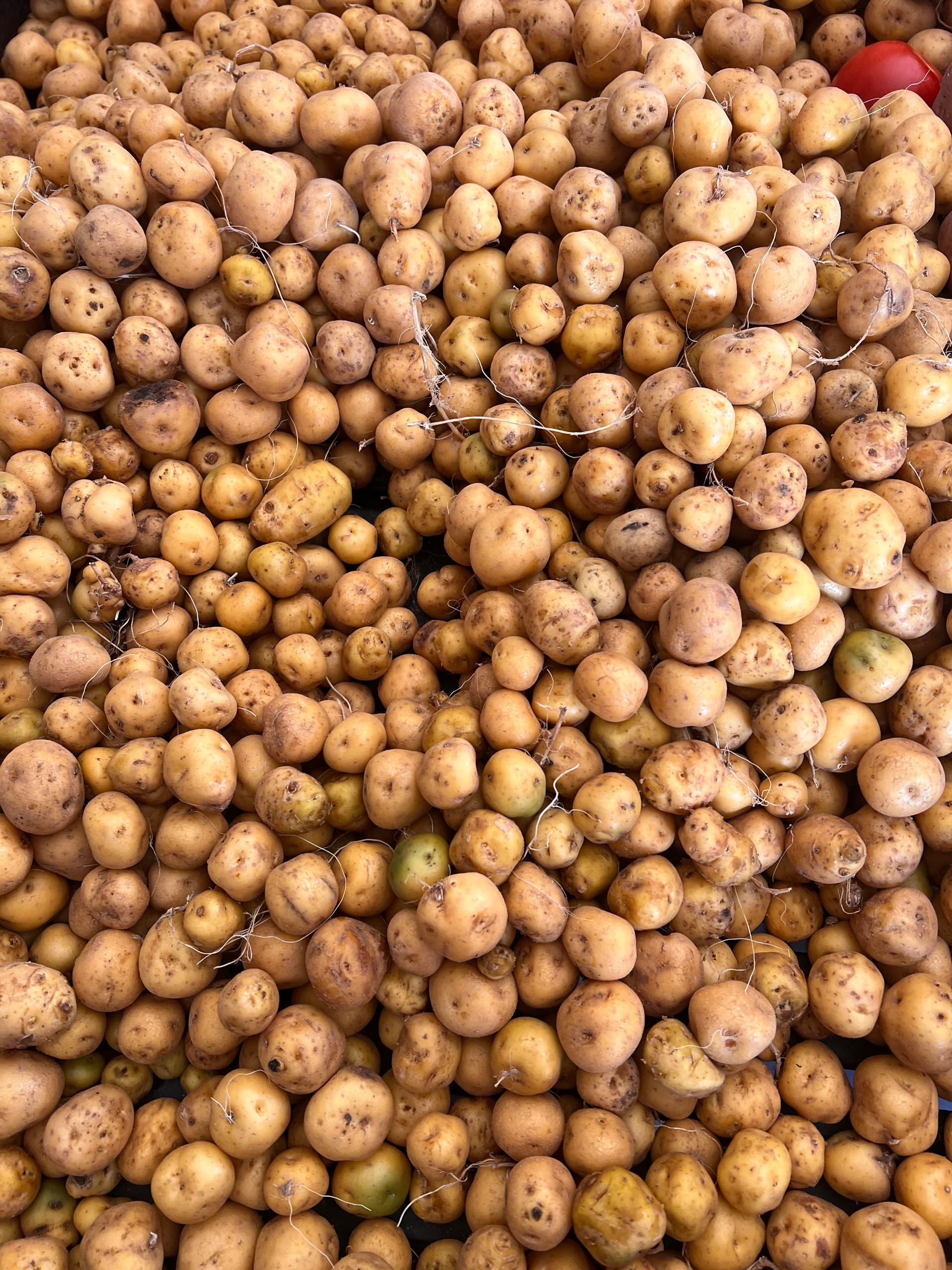
Most cooking classes in Jardín begin not in the kitchen but at the market. The town's mercado, located a short walk from the main square, is a small but vibrant space where local farmers sell their produce, and where the ingredients for your cooking class come alive.
Your instructor will walk you through the stalls, explaining the different varieties of plantain (green for patacones, ripe for tajadas), selecting the best tomatoes for hogao, choosing the freshest cilantro, and picking out the exact cut of pork belly for chicharrón. You will learn to squeeze an avocado for ripeness, to identify good yuca by its firm white flesh, and to recognize the sweet, milky fragrance of fresh chócolo corn.
The market visit is also a window into the agricultural abundance of Jardín's surrounding countryside. This region produces coffee, plantains, sugarcane, tropical fruits, vegetables, and herbs — nearly everything a kitchen needs grows within a few kilometers of town. The concept of farm-to-table is not a marketing phrase here. It is simply how food works.
Trucha: Jardín's Signature Protein
While bandeja paisa traditionally features beef and pork, Jardín has its own star protein: trucha (rainbow trout). The cold, clean rivers and streams flowing through the mountains around town provide ideal conditions for trout farming, and trucha has become the town's signature ingredient.
In cooking classes that feature trucha, you will learn to prepare it in the most popular local style — trucha al ajillo (garlic trout), where the whole fish is pan-fried until the skin is crackling and golden, then topped with a sizzling sauce of minced garlic, butter, and a squeeze of lime. The simplicity is the point. When the fish is this fresh, you do not need to do much to it.
Some classes also teach trucha a la plancha (grilled trout) or trucha en salsa de maracuyá (trout in passion fruit sauce), a newer preparation that reflects the creative energy of Jardín's food scene. However you prepare it, eating trout that was swimming in a mountain stream just hours before it reached your plate is an experience that recalibrates your understanding of freshness.
Coffee as a Cooking Ingredient
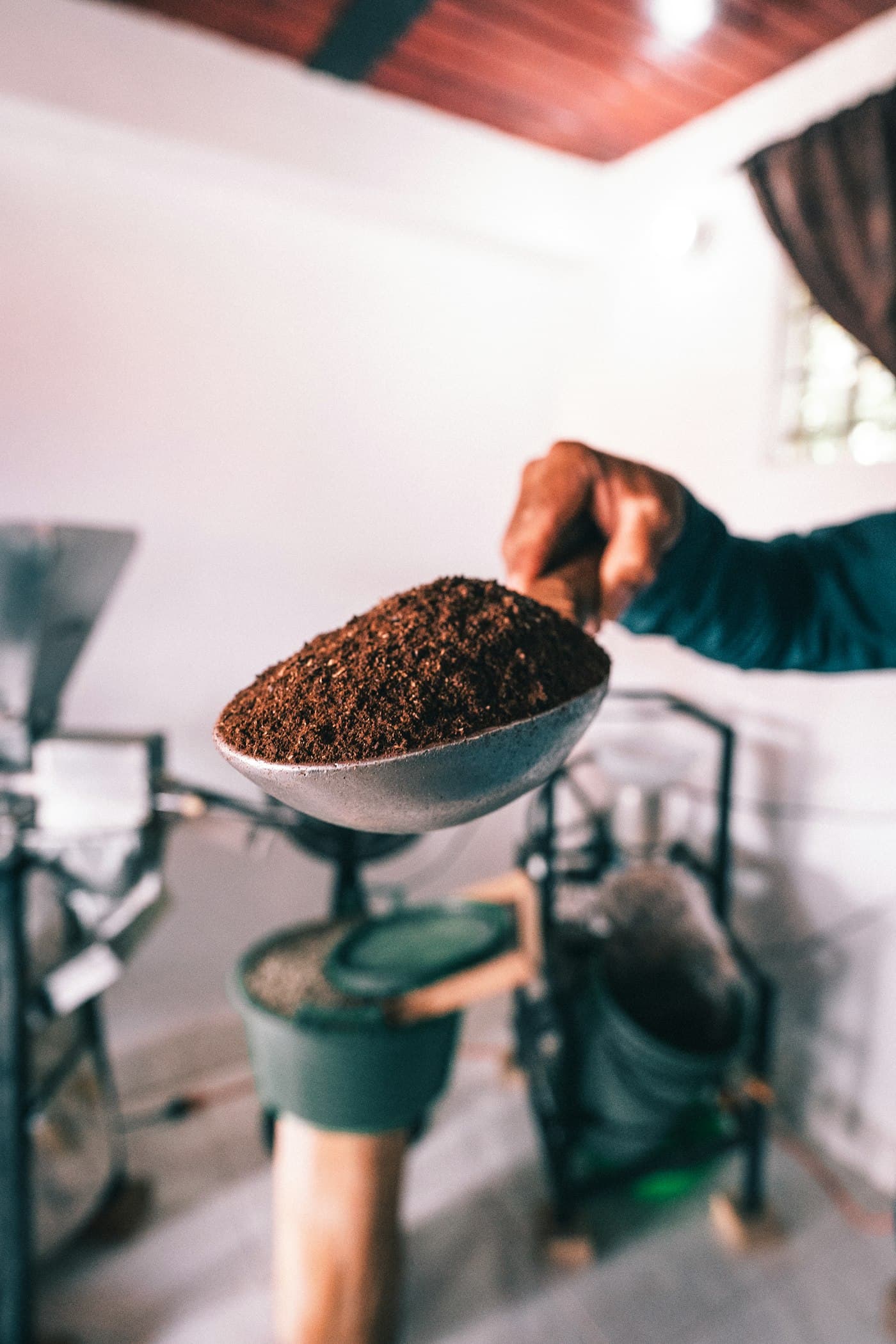
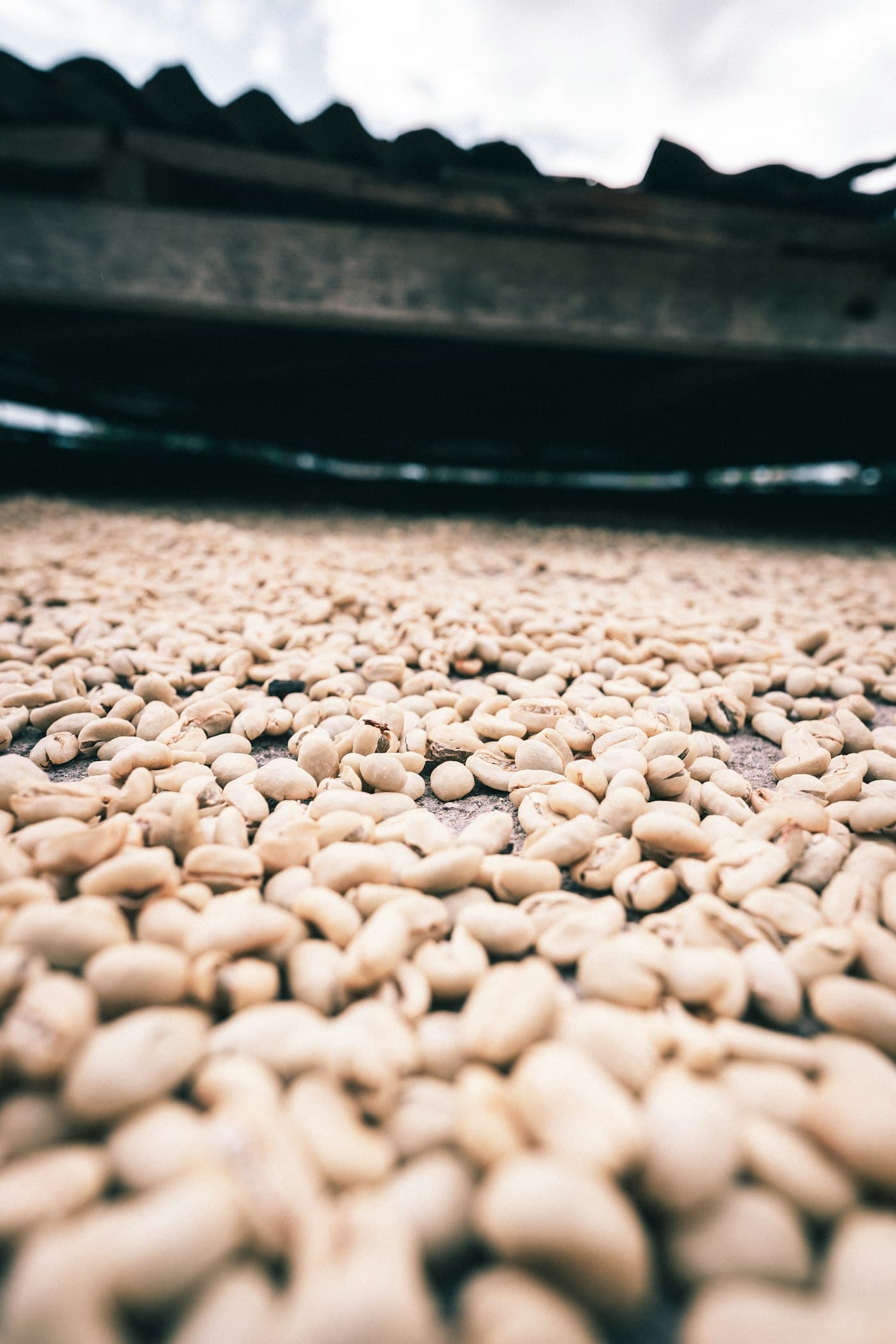
You cannot have a cooking class in Jardín without coffee making an appearance. This is the heart of Colombia's coffee region, and local cooks have long incorporated coffee into both sweet and savory dishes. You might learn to make a coffee-rubbed pork tenderloin, where finely ground local beans create an earthy, bitter crust that complements the sweetness of the meat. Or a coffee-infused natilla (custard), where a shot of strong tinto replaces some of the milk for a dessert that tastes like the mountains smell in the morning.
Coffee also appears in sauces, marinades, and even in the ají that accompanies empanadas in some kitchens. Using it in cooking gives you a new appreciation for the versatility of the bean that defines this region's economy and culture.
Where to Find Cooking Classes in Jardín
Cooking classes in Jardín are typically organized through local hosts, guesthouses, and tour operators rather than dedicated cooking schools. Here are the main ways to arrange one:
Local home cooks: The most authentic experience is a class in a local family's kitchen, often organized through word of mouth or guesthouse recommendations. These are intimate — usually just two to six participants — and taught by women who have been cooking Antioquian food for decades. The language is usually Spanish, though some hosts have basic English or can arrange a translator.
Tour operators and hostels: Several guesthouses and tour agencies in Jardín offer cooking experiences as part of their activity lineup. These are typically more structured, with English-speaking guides, and may combine the cooking class with a market visit and a coffee farm tour.
Fincas (farm stays): Some of the coffee and agricultural farms outside Jardín offer cooking experiences that include harvesting ingredients directly from the land before cooking with them. This is the ultimate farm-to-table experience, and the setting — a traditional Antioquian farmhouse kitchen with a wood-burning stove — is unforgettable.
Classes typically cost between COP $80,000 and $150,000 per person (roughly USD $20–$38), including all ingredients and the meal you cook. Sessions run two to four hours, and you always eat everything you make.
Cooking Together: The Social Experience
One of the unexpected pleasures of a cooking class in Jardín is the social dimension. You will find yourself elbow-to-elbow with fellow travelers — shaping empanadas alongside a couple from Germany, debating the correct thickness of an arepa with a solo backpacker from Australia, or stirring a pot of sancocho while a Colombian family from Medellín shares stories about their grandmother's version of the recipe.
The kitchen is a natural equalizer. It does not matter where you are from or what language you speak — the shared focus of preparing a meal together creates an easy, immediate connection. By the time you sit down to eat what you have cooked, you are no longer strangers. You are a table full of people who made something together, and the meal tastes better for it.
Antioquian Food Traditions and Their Roots
The food you cook in a Jardín kitchen carries centuries of history. Antioquian cuisine is the product of three converging traditions: the indigenous peoples who cultivated corn, beans, and yuca long before European contact; the Spanish colonists who brought cattle, pigs, rice, and Old World cooking techniques; and the African communities whose culinary knowledge shaped everything from frying methods to spice combinations.
The bandeja paisa itself is a map of this history. The beans and corn are indigenous. The rice and pork are Spanish. The cooking techniques — the deep-frying, the slow stewing — reflect African influence. Eating this plate in Jardín, surrounded by the green mountains where these traditions merged over centuries, gives the food a resonance that goes beyond flavor.
The Antioquian kitchen also reflects the paisa spirit of abundance and generosity. Portions are never small. Ingredients are never skimped. When an Antioquian cook feeds you, they feed you until you cannot possibly eat another bite — and then they offer you dessert. Learning to cook in this tradition means learning to cook with that same spirit of generosity, of feeding people not just to nourish them but to show them they are welcome.
Farm-to-Table: Jardín's Living Food System
Jardín sits at the center of one of Colombia's most productive agricultural regions. The steep mountain slopes and fertile volcanic soil produce an extraordinary variety of crops: coffee on the upper hillsides, sugarcane and plantains in the warmer lower valleys, vegetables and herbs on the small farms that surround the town.
When you shop at the market or cook with ingredients provided by your instructor, nearly everything on the table comes from within a short radius of the town. The tomatoes were picked that morning. The eggs came from a neighbor's chickens. The herbs were cut from a garden behind the house. The trout was pulled from a mountain stream a few hours ago.
This connection between land and plate is something that many visitors — especially those coming from cities where food arrives wrapped in plastic from distant industrial farms — find genuinely moving. Cooking in Jardín is a reminder that food has a place of origin, a season, a farmer's hands behind it. That awareness changes the way you taste everything.
Tips for Your Cooking Class
Dietary restrictions: Most cooking classes in Jardín can accommodate dietary needs with advance notice. Vegetarian versions of the dishes are possible — beans, rice, arepas, plantain, and hogao are all naturally plant-based. Vegan travelers should communicate their needs beforehand, as many traditional dishes rely on lard, butter, or eggs. Gluten-free diners will find that most Antioquian food is naturally gluten-free, as the cuisine is built around corn rather than wheat.
Language: Many cooking experiences are conducted in Spanish. If your Spanish is limited, look for classes offered through hostels or tour operators that provide English-speaking guides. That said, cooking is remarkably universal — even with minimal language, the hands-on nature of the experience communicates more than words.
What to wear: Kitchens in Jardín can be warm, especially if you are cooking near a wood-burning stove or deep fryer. Wear comfortable, casual clothes that you do not mind getting splashed. Closed-toe shoes are a good idea.
Come hungry: You will eat everything you cook, and the portions are generous. Skip breakfast if your class is in the morning, or have a light lunch if it is an afternoon session. You want to arrive with an appetite worthy of the feast ahead.
Bring a container: Many instructors will let you take home leftovers — especially extra empanadas or arepas. A small reusable container or zip bag is handy to have.
Book in advance: Cooking classes in Jardín are not mass-produced tourist experiences. They are usually run by individuals or small operations with limited capacity. Booking a day or two ahead ensures your spot and gives the instructor time to buy fresh ingredients.
More Than a Recipe
A cooking class in Jardín gives you something that no restaurant meal can — a story to take home with you, written in the muscle memory of your hands. You will remember the feel of corn dough yielding under your palms as you shaped your first empanada. The sound of chicharrón crackling in hot oil. The deep, earthy aroma of beans that have been simmering for hours. The proud smile of your instructor when you taste the hogao and your eyes widen because it is the best thing you have ever put in your mouth.
These are the flavors of Antioquia — honest, generous, rooted in the land and the people who have worked it for centuries. And once you have learned to make them yourself, every Colombian meal you eat for the rest of your life will taste different. Better. Because now you know the hands, the patience, and the love that goes into every plate.
Pack your appetite. The kitchen is waiting.