Coffee Culture in Jardín: From Seed to Cup
There is a moment during every coffee farm tour in Jardín when something shifts. You have walked through the rows of coffee plants, you have picked a handful of ripe cherries, you have watched the farmer demonstrate the depulping machine and the fermentation tanks and the drying beds. You have been absorbing information, asking questions, taking photographs. And then someone hands you a cup of coffee — freshly roasted, ground minutes ago, brewed right there on the farm — and you take a sip.
That is the moment. The flavor is so clean, so complex, so different from anything you have tasted from a supermarket bag or even a specialty shop back home, that your entire relationship with coffee recalibrates on the spot. You are drinking something that was a cherry on a tree four hours ago, processed by the hands of the person standing in front of you, grown in the soil beneath your feet, at 1,800 meters in the Colombian Andes. This is not just a beverage. This is a place, compressed into a cup.
Jardín's coffee culture is not a tourist attraction bolted onto a pretty town. It is the economic, social, and cultural foundation of the community — the reason Jardín exists in its current form, and the force that has shaped the landscape, the architecture, and the character of the people for over a century.
Why Jardín's Coffee Is Exceptional
Not all Colombian coffee is the same. The country's geography creates a patchwork of microclimates, and the coffee produced in each region carries distinct characteristics shaped by altitude, soil, rainfall, temperature, and the specific varieties planted.
Jardín sits in a sweet spot. The town and its surrounding farms occupy elevations between 1,500 and 2,000 meters above sea level — the upper range of the arabica coffee belt, where slower maturation at cooler temperatures produces denser, more complex beans. The soil is volcanic, rich in minerals deposited over millennia by the Andes. Rainfall is abundant and well-distributed, with distinct wet and dry seasons that allow for controlled harvesting. The temperature rarely strays from a narrow band of 17–22 degrees Celsius — ideal for arabica plants.
The result is coffee with pronounced bright acidity, fruity and floral notes, and a clean, sweet finish — characteristics that specialty coffee roasters around the world prize. Jardín beans regularly score above 84 points on the Specialty Coffee Association scale, placing them firmly in the specialty category. Some farms have produced lots scoring above 90, which puts them among the finest coffees on the planet.
But numbers and tasting notes only tell part of the story. What makes Jardín's coffee culture genuinely special is the human dimension — the families who have been perfecting their craft across four, five, and even six generations, and who are now opening their farms to visitors in a way that transforms a simple agricultural product into a profound cultural experience.
The Specialty Coffee Movement
For decades, Jardín's coffee was sold through the national cooperative system — mixed with beans from across Colombia, exported in bulk, and consumed anonymously around the world. Farmers were paid a commodity price that barely covered their costs, and there was little incentive to invest in quality when all beans ended up in the same generic blend.
The specialty coffee movement changed everything. Beginning in the early 2000s, a new generation of coffee professionals — both international buyers and young Colombian farmers — began identifying exceptional lots from specific farms and paying premium prices for quality. This created an economic incentive for farmers to improve their processing methods, experiment with new varieties, and focus on the unique characteristics that Jardín's terroir could produce.
Today, Jardín is at the forefront of Colombia's specialty coffee revolution. Several farms sell directly to international roasters, bypassing the commodity market entirely. The prices farmers receive for specialty lots can be two to four times higher than commodity rates, transforming the economics of small-scale coffee farming and allowing families to invest in their land, their processing equipment, and the education of the next generation.
The Farm Tour Experience
A coffee farm tour in Jardín is not a theme park experience with scripted talking points and a gift shop at the end. It is an intimate, hands-on immersion into the daily reality of coffee production, guided by the people who actually do the work.
Finca Margus: Five Generations of Coffee
Finca Margus represents the deep roots of Jardín's coffee tradition. This family farm has been producing coffee for five generations — a lineage that stretches back to the original settlement of the region. The current generation combines traditional knowledge passed down through the family with modern specialty techniques learned through Colombia's growing network of coffee education programs.
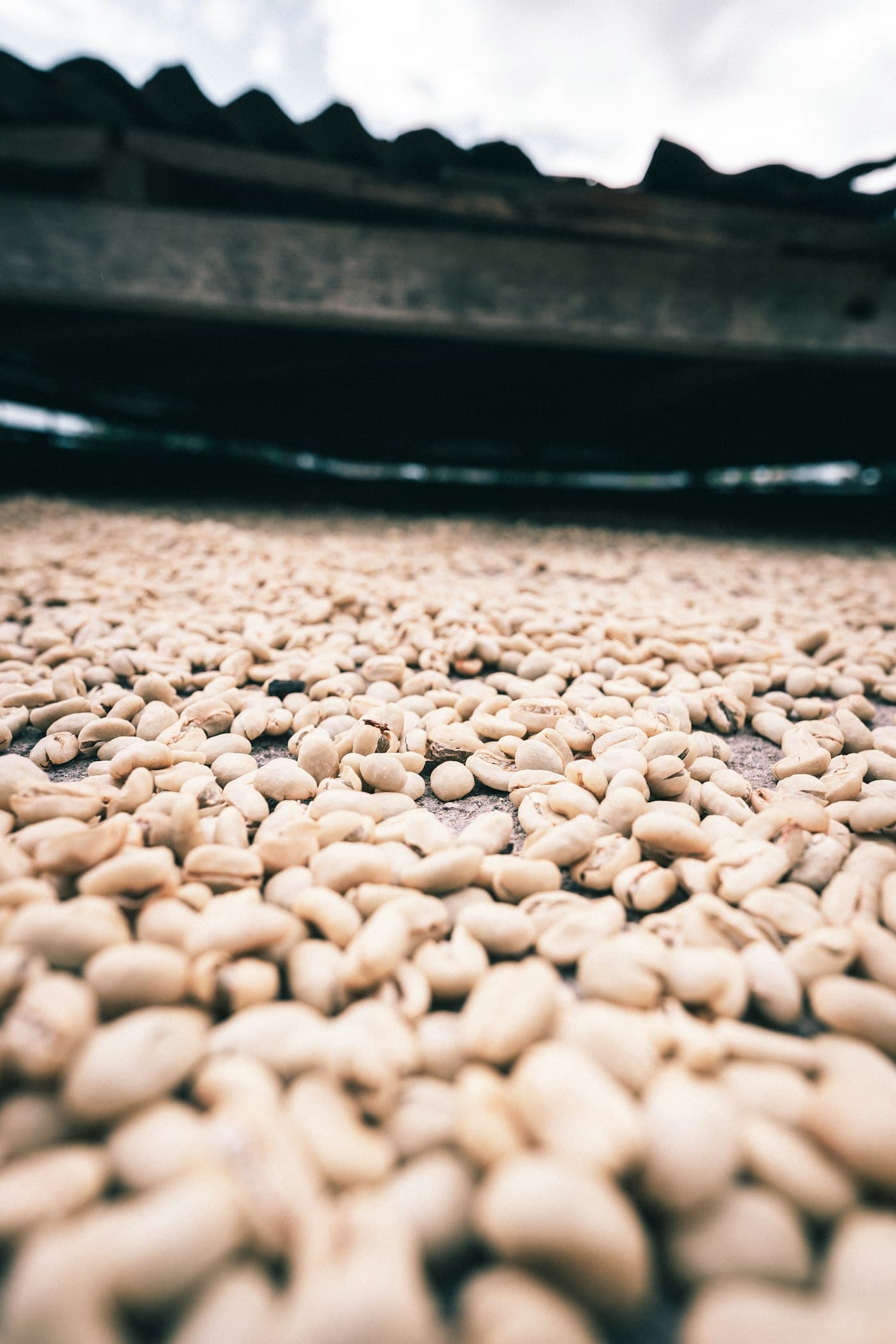
A tour at Finca Margus typically lasts 3–4 hours and covers the complete cycle from seed to cup. You will walk through the plantation, learning to identify the different varieties grown on the farm and understanding why variety selection matters for flavor. You will pick ripe cherries — learning the difference between under-ripe, ripe, and over-ripe by color and touch. You will see the wet processing facility where cherries are depulped, fermented, washed, and laid out to dry on raised beds.
Finca Mariposa: Innovation Meets Tradition
Finca Mariposa represents the newer wave of Jardín coffee — farms that are experimenting with innovative processing methods, unusual varieties, and direct trade relationships with international roasters. The experience here focuses more heavily on the science and art of processing, including natural processing (drying the whole cherry), honey processing (drying with varying amounts of mucilage), and experimental fermentations that produce distinctive and sometimes surprising flavor profiles.
The Four-Hour Seed-to-Cup Journey
The best farm tours in Jardín follow the complete journey of a coffee bean from plant to cup. Here is what a typical four-hour experience looks like:
Hour 1: The Plantation
You walk through rows of coffee plants, learning about the different varieties (Caturra, Castillo, Colombia, and sometimes experimental lots of Geisha or Bourbon), the shade-growing system that protects the plants and promotes biodiversity, and the annual growing cycle from flowering to harvest.
Hour 2: Harvesting
During harvest season (typically October through February, with a smaller harvest around May-June), you pick ripe cherries alongside the farm workers. This is physically demanding work that gives you immediate respect for the skill and endurance of the pickers, who harvest hundreds of kilograms during the season.
Hour 3: Processing and Roasting
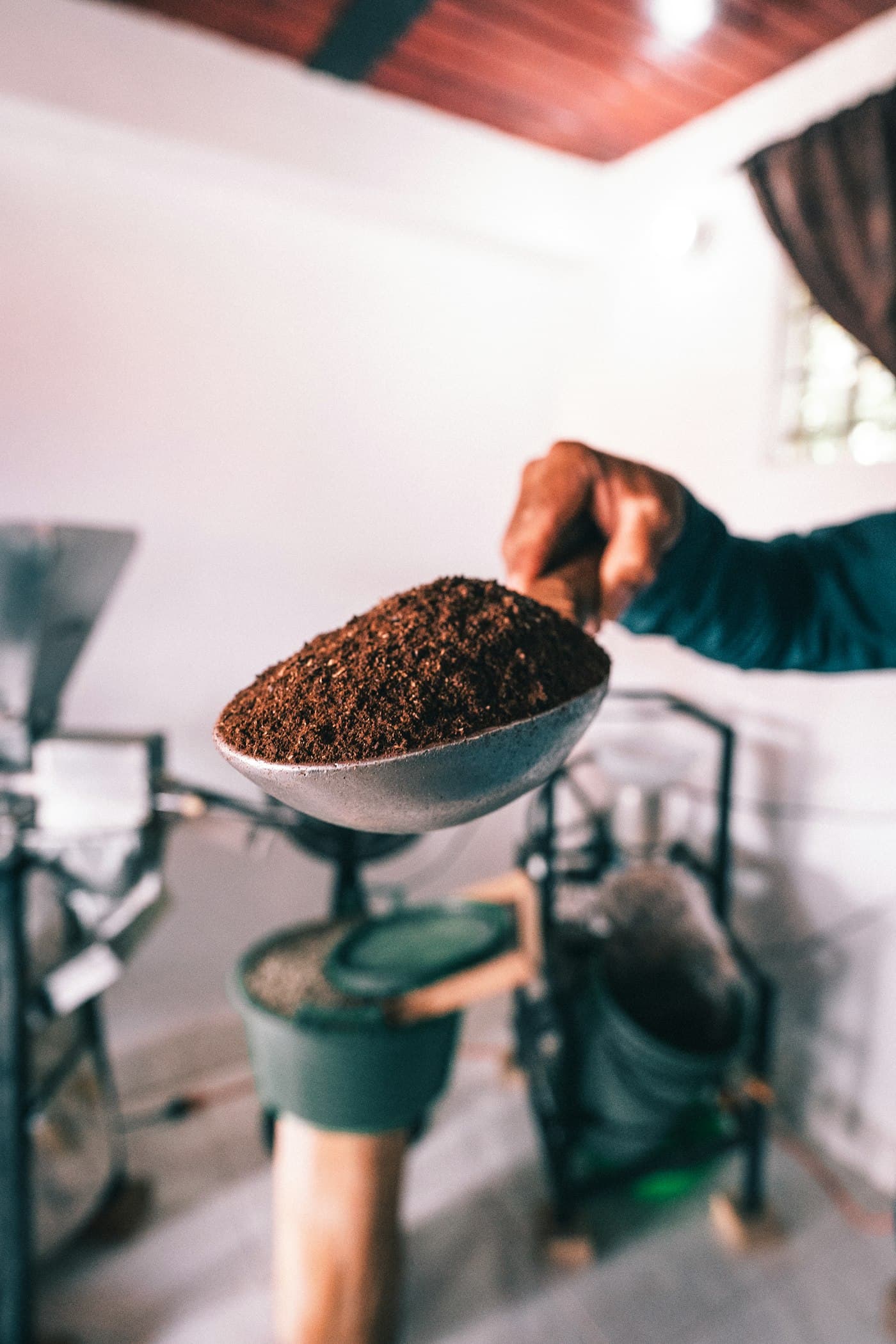
You follow the cherries through the processing chain — depulping, fermentation, washing, and drying — and learn how each step affects the final flavor. Then you watch (or participate in) the roasting process, as green beans transform into the aromatic brown coffee you recognize, crackling and popping as they develop their flavor compounds.
Hour 4: Tasting
The climax of the tour. You taste freshly roasted coffee from the farm using the cupping method — the industry standard evaluation technique where coffee is brewed in a simple bowl and slurped from a spoon. Your host guides you through the tasting, helping you identify the acidity, body, sweetness, and specific flavor notes (citrus, chocolate, berry, floral) that make this particular coffee unique.
Buying Local Coffee
One of the best souvenirs you can bring home from Jardín is a bag of locally roasted coffee — but not all options are equal.
- Buy directly from farms. If you take a farm tour, you can usually purchase freshly roasted coffee directly from the farmer. This is the freshest possible option and the one that puts the most money in the farmer's pocket.
- Visit local roasters in town. Several shops on or near the main square sell locally sourced, locally roasted specialty coffee. Ask about the origin, the farm, and the roast date.
- Check the roast date. Fresh coffee is best consumed within 2–4 weeks of roasting. Look for bags with a clear roast date and buy the freshest available.
- Ask about the variety and processing method. This information tells you what to expect in the cup and is a sign that the seller takes quality seriously.
Where to Drink Great Coffee in Jardín
The café scene in Jardín has evolved dramatically in recent years, driven by the same specialty coffee movement that transformed the farms.
- Cafés on the main square offer the classic Jardín experience — a tinto (black coffee) sipped in a colorful silla chair while watching the world go by. The coffee quality varies, but several establishments now source from local specialty farms.
- Specialty cafés have opened in town, offering single-origin pour-overs, espresso drinks, and brewing methods you would expect in Medellín or Bogotá. These are the best places to taste the full range of what Jardín's farms produce.
- Farm cafés — some farms have opened small tasting rooms on-site, where you can drink coffee literally meters from where it was grown. These are worth the short trip out of town.
Ask your hostel or guide for current recommendations — the scene evolves quickly, and the best cup in town may have changed since the last guidebook was printed.
Why Coffee Matters in Jardín
Coffee is not just an industry in Jardín. It is the connective tissue that holds the community together — the crop that built the town, funded the Basilica, educated generations of children, and shaped the identity of the people who live here. When you drink coffee in Jardín, you are participating in that story. When you visit a farm and shake the hand of a fifth-generation grower, you are connecting with a tradition that stretches back over a century and forward into a future that specialty coffee is helping to secure.
The cup you hold is not just a beverage. It is Jardín itself — its soil, its altitude, its climate, its people, its history — concentrated into a single, extraordinary flavor.
Where to Stay in Jardín
Isla de Pascua is a social hostel with a swimming pool, coworking space with 50 Mbps WiFi, and a common area that makes it easy to meet other travelers. It's steps from the main square and the best base for exploring everything Jardín has to offer.
Learn more about Isla de Pascua →