Jardín Colombia: The Complete Travel Guide (2026)
Tucked into the southwestern corner of Antioquia, surrounded by cloud forests and coffee plantations, Jardín is one of Colombia's most beautiful and best-preserved pueblos. Unlike the more tourist-heavy destinations of Guatapé or Salento, Jardín has managed to retain its authentic small-town charm while still welcoming visitors with open arms.
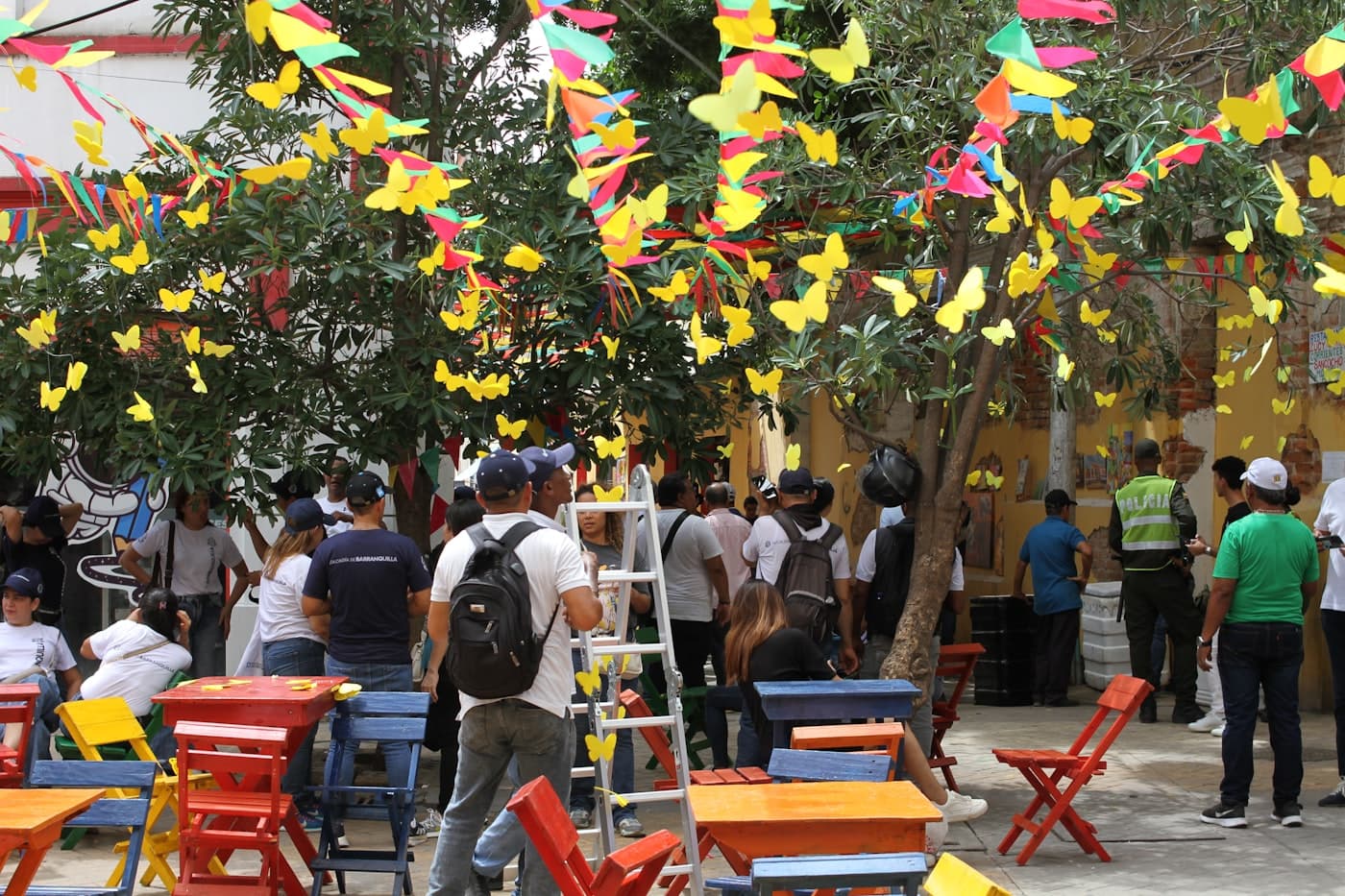
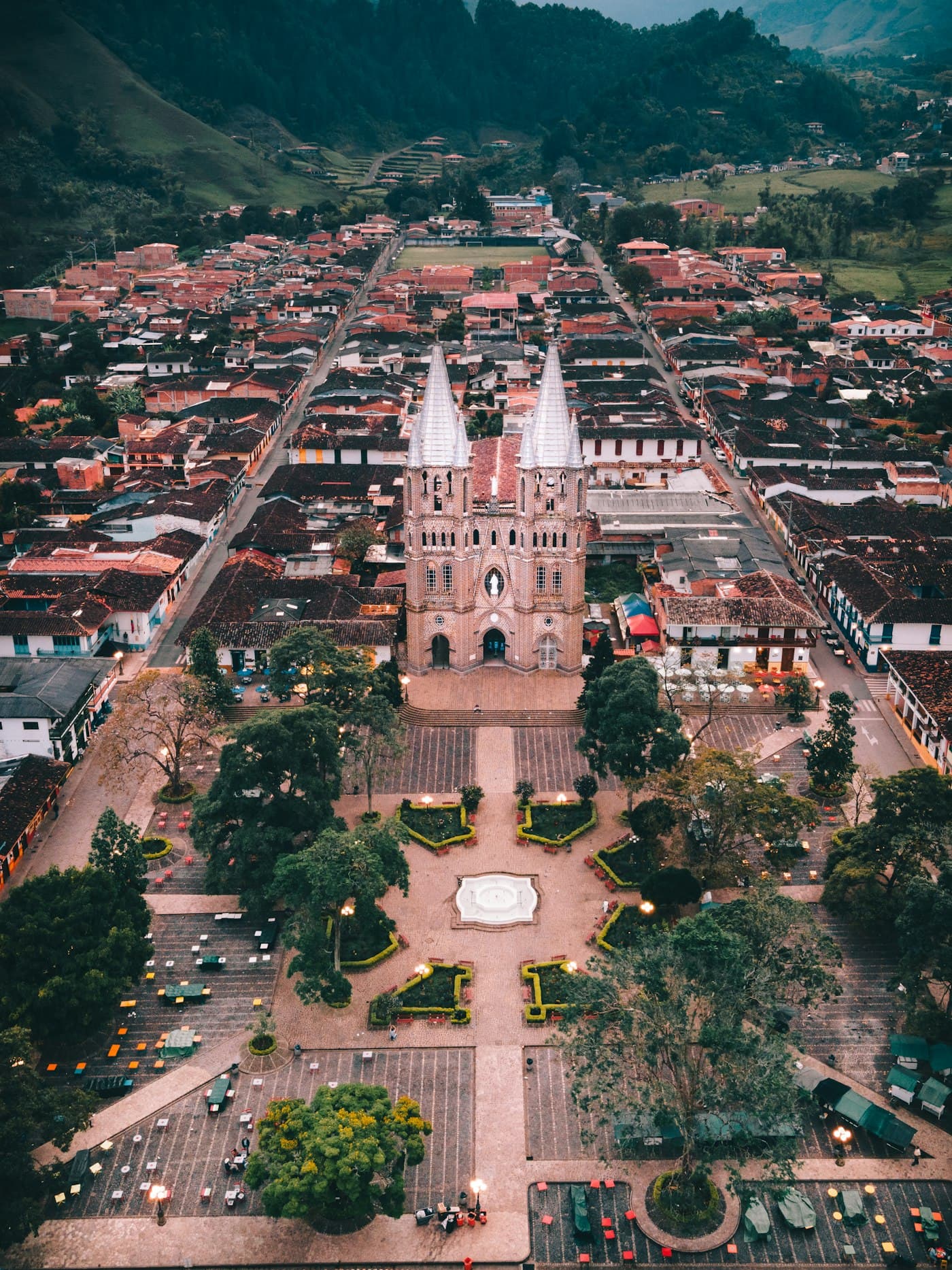
The name means "Garden" in Spanish, and it couldn't be more fitting. Lush green mountains cascade down to a valley floor where colorful colonial buildings line cobblestone streets, all centered around one of the most photogenic town squares in all of Colombia. The Basilica of the Immaculate Conception — a striking neo-Gothic church built from hand-carved stone — towers over the plaza, while locals sip tinto on painted sillas and children play football on the grass.
Whether you're a backpacker on a budget, a birdwatcher chasing rare species, a coffee lover looking for origin experiences, or simply someone who wants to slow down and soak in authentic Colombian culture, Jardín has something remarkable to offer.
This guide covers everything you need to know to plan your trip to Jardín in 2026 — from buses and budgets to hikes, hidden waterfalls, and the best cup of coffee you'll ever taste.
Pro tip: Base yourself at Isla de Pascua — Jardín is best experienced over 3-4 days minimum. Many travelers arrive planning one night and end up extending their stay — the pueblo has a way of slowing you down in the best possible way.
Where Is Jardín, Colombia?
Jardín is located in the southwestern part of Antioquia department, about 134 kilometers south of Medellín. It sits at an elevation of approximately 1,750 meters (5,740 feet) above sea level in the Andes mountains, nestled in the valley formed by the Río Jardín.
The municipality is part of the broader Southwestern Antioquia subregion, bordered by coffee-growing towns like Andes, Jericó, and Támesis. To the south and west, the landscape transitions into the dense cloud forests of the Western Cordillera, home to extraordinary biodiversity including hundreds of bird species, orchids, and the endangered yellow-eared parrot.
Jardín was declared a Heritage Town of Colombia (Pueblo Patrimonio) due to its remarkably well-preserved colonial architecture. Building regulations in the town center require that all structures maintain the traditional Antioqueño style — white walls, brightly painted wooden balconies and window frames, and clay tile roofs. The result is a pueblo that looks almost exactly as it did over a century ago.
The surrounding geography is defined by coffee fincas climbing the hillsides, towering wax palms, dense primary forest, and dramatic river valleys carved through limestone formations. The famous Cueva del Esplendor waterfall — where water pours through a hole in the roof of a cave — is one of the region's most spectacular natural attractions and sits about an hour outside of town.
How to Get to Jardín
The most common route to Jardín is by bus from Medellín's Terminal del Sur. The journey takes approximately 3.5 to 4 hours and winds through stunning Andean scenery — past coffee farms, through mountain passes, and along valleys that make the trip itself part of the experience.
Two main bus companies operate the route: Rápido Ochoa and Transportes Jericó. Buses depart roughly every hour from early morning to late afternoon, and tickets cost between COP $38,000 and $45,000 (approximately USD $9-11) each way.
For a detailed breakdown of schedules, prices, terminals, and tips for the journey, check out our complete guide: How to Get to Jardín from Medellín: Bus Guide (2026).
Pro tip: Base yourself at Isla de Pascua — Try to sit on the right side of the bus heading south from Medellín — you'll get the best views of the valleys and mountains during the descent into Jardín.
There is no airport in Jardín. The closest commercial airports are in Medellín (José María Córdova International Airport in Rionegro, or Olaya Herrera in the city center). From either airport, you'll need to get to Terminal del Sur for the bus to Jardín.
Private transport is also an option — a hired car or taxi from Medellín to Jardín costs between COP $250,000-350,000 and takes about 3 hours. This can make sense for groups of 3-4 travelers splitting the cost.
Where to Stay in Jardín
Jardín offers a range of accommodation options from budget hostels to boutique hotels and traditional fincas. Where you stay can significantly shape your experience of the pueblo.
Where to Stay in Jardín
Isla de Pascua is a social hostel with a swimming pool, coworking space with 50 Mbps WiFi, and a common area that makes it easy to meet other travelers. It's steps from the main square and the best base for exploring everything Jardín has to offer.
Learn more about Isla de Pascua →Isla de Pascua Hostel is the top pick for travelers looking for the perfect combination of comfort, community, and location. Set just a short drive from the town center, this hostel offers a peaceful retreat surrounded by nature while still being close to everything Jardín has to offer. The hostel features comfortable dorms and private rooms, a communal kitchen, lush gardens, and a welcoming atmosphere that makes it easy to meet other travelers. The staff are incredibly knowledgeable about the area and can help arrange tours, hikes, and activities — often at better prices than you'll find booking independently.
Beyond Isla de Pascua, Jardín has a growing selection of places to stay:
- Budget hostels in the town center offer dorm beds starting from COP $30,000-50,000 per night
- Hotels around the plaza provide comfortable private rooms from COP $80,000-150,000 per night
- Fincas and rural stays in the surrounding countryside deliver a more immersive agricultural experience
- Boutique hotels and posadas offer higher-end amenities for those seeking more comfort
Pro tip: Base yourself at Isla de Pascua — Book accommodation in advance during Colombian holiday weekends (puentes festivos) and the December-January high season. Jardín is increasingly popular with domestic tourists from Medellín, and the best places fill up fast.
For our full breakdown of where to stay, including price comparisons, location pros and cons, and honest reviews, read our dedicated guide: Where to Stay in Jardín.
Things to Do in Jardín
Jardín punches far above its weight when it comes to activities. Despite its small size, you could easily spend a week here and still not do everything. Here's an overview of the top things to do, with links to our detailed guides for each activity.
Cueva del Esplendor
The Cueva del Esplendor (Cave of Splendor) is Jardín's most iconic natural attraction. A powerful waterfall crashes through a circular opening in the roof of a cave, creating an otherworldly scene that looks like something from a fantasy novel. The hike to get there takes about 2-3 hours each way through lush countryside, or you can go by horseback for part of the route.
The trail passes through working coffee and banana farms, crosses rivers, and climbs through dense forest. The cave itself is large enough to swim in the pool beneath the waterfall — an unforgettable experience on a warm day.
Read our full guide: Cueva del Esplendor: Everything You Need to Know.
Pro tip: Base yourself at Isla de Pascua — Visit Cueva del Esplendor during the week if possible. Weekends — especially puentes festivos — can see large crowds of day-trippers from Medellín, which diminishes the magic of the place.
Coffee Farm Tours
Jardín sits in the heart of one of Colombia's premier coffee-growing regions. Several fincas in the area offer tours where you can learn the complete journey from seed to cup — picking cherries, processing beans, and tasting the finished product.
The tours range from quick one-hour overviews to full half-day immersions where you get hands-on experience at every stage. Prices are very reasonable, usually between COP $20,000-50,000 per person depending on the depth of the experience.
For our recommendations on the best coffee tours and what to expect, see: Coffee Tours in Jardín: A Complete Guide.
La Garrucha (Cable Car)
Jardín's cable car, known locally as La Garrucha, is a simple open-air gondola that carries you across the valley to a viewpoint on the other side. The ride offers sweeping panoramic views of the town, the basilica, the surrounding mountains, and the Río Jardín below. At the top, there's a small restaurant and mirador where you can enjoy a coffee or beer while taking in the scenery.
The cable car runs daily and costs approximately COP $8,000 each way. It's one of the most affordable and rewarding activities in town.
Full details: Riding La Garrucha: Jardín's Cable Car.
Birdwatching
The cloud forests surrounding Jardín are a world-class birdwatching destination. Over 300 species have been recorded in the area, including the rare and endangered yellow-eared parrot (Ognorhynchus icterotis), which roosts in the wax palms above the town.
Several local guides specialize in birding tours, from early-morning walks to multi-day expeditions into the deeper forest reserves. Even non-birders will be amazed by the variety and color of the species visible from Jardín's own plaza — hummingbirds alone account for dozens of species in the area.
Learn more: Birdwatching in Jardín: A Complete Guide.
Swimming Holes and Waterfalls
Beyond the famous Cueva del Esplendor, the Jardín area is rich with natural swimming holes and lesser-known waterfalls. The Charco Corazón is a popular local spot where the river has carved a natural pool in the rock. Several other cascadas and charcos are accessible via short hikes from town, offering refreshing escapes on warm afternoons.
Explore our guide: Swimming Holes and Waterfalls Near Jardín.
Cristo Rey and Mirador
A moderately steep hike (or drive) up to the Cristo Rey statue overlooking Jardín rewards visitors with one of the best panoramic views in Antioquia. The trail winds through farmland and forest before reaching the hilltop, where a large Christ statue stands guard over the valley below. Sunrise and sunset are particularly spectacular from this vantage point.
Paragliding
For adrenaline seekers, paragliding over the Jardín valley is an experience that's hard to match. Several certified operators offer tandem flights that launch from the hillsides above town, giving you a bird's-eye view of the basilica, the patchwork of coffee farms, and the Andes mountains stretching to the horizon.
Flights typically cost between COP $100,000-180,000 and last 15-25 minutes depending on conditions. No experience is necessary for tandem flights.
Horseback Riding
Exploring Jardín's countryside on horseback is a traditional and scenic way to experience the landscape. Horses can be hired for half-day or full-day rides through coffee fincas, along river valleys, and up into the higher mountain pastures. This is also one of the ways to reach the Cueva del Esplendor if you prefer not to hike the full distance.
Several operators in the town plaza can arrange horseback tours, typically costing COP $40,000-80,000 depending on the route and duration.
Food and Drink in Jardín
Jardín's food scene is a wonderful blend of traditional Antioqueño cuisine, farm-to-table freshness, and an emerging café culture driven by the town's coffee heritage.
Traditional Antioqueño Cuisine
The local cuisine centers around bandeja paisa (a massive platter of beans, rice, chicharrón, ground beef, fried egg, plantain, arepa, and avocado), trucha (freshwater trout from local rivers, served grilled or fried), and hearty soups like sancocho and frijoles antioqueños. Most restaurants around the plaza serve these staples at very reasonable prices — a full meal typically costs between COP $12,000-25,000.
Coffee Culture
As a coffee-producing town, Jardín takes its tinto seriously. Several specialty cafés in and around the plaza serve single-origin coffee grown on nearby fincas, prepared with the care and attention you'd expect in a third-wave coffee shop in any major city — but at a fraction of the price.
For our full roundup of the best places to eat and drink, read: Best Restaurants and Cafés in Jardín.
Sweets and Treats
Jardín is famous for its traditional sweets, including arequipe (dulce de leche), obleas (thin wafers with fillings), and dulces de conserva (fruit preserves). Several small shops around the plaza specialize in handmade confections that make great gifts or trail snacks.
Discover more: Traditional Sweets and Desserts of Jardín.
For a deep dive into the local coffee scene: Coffee in Jardín: From Farm to Cup.
Budget: How Much Does Jardín Cost?
Jardín remains one of Colombia's best-value destinations. Here's a rough daily budget breakdown for 2026:
Budget Traveler (COP $80,000-120,000 / USD $19-29 per day)
- Accommodation: Dorm bed at Isla de Pascua or similar hostel — COP $30,000-45,000
- Food: Set lunch menu (almuerzo corriente) plus simple breakfast and dinner — COP $25,000-40,000
- Activities: One free or low-cost activity (plaza, hiking, Cristo Rey) — COP $0-15,000
- Transport: Walking plus occasional moto-taxi — COP $5,000-10,000
- Coffee & snacks: A few tintos and an empanada — COP $5,000-10,000
Mid-Range Traveler (COP $180,000-300,000 / USD $43-72 per day)
- Accommodation: Private room at a hostel or mid-range hotel — COP $80,000-150,000
- Food: Restaurant meals including trout and regional specialties — COP $40,000-60,000
- Activities: Paid tour or activity (coffee tour, cable car, etc.) — COP $30,000-50,000
- Transport & extras: Moto-taxis, coffee, souvenirs — COP $20,000-40,000
Comfort Traveler (COP $350,000+ / USD $84+ per day)
- Accommodation: Boutique hotel or upscale finca — COP $200,000+
- Food: Best restaurants and specialty coffee — COP $60,000-100,000
- Activities: Private tours and premium experiences — COP $80,000+
For a detailed cost breakdown with specific prices for every major activity, meal, and expense, check out: Jardín on a Budget: Complete Cost Breakdown.
Pro tip: Base yourself at Isla de Pascua — The Colombian peso fluctuates significantly. Always check current exchange rates before budgeting. As of early 2026, USD $1 is roughly COP $4,150.
Is Jardín Safe?
Yes. Jardín is widely considered one of the safest destinations in Colombia, both for domestic and international travelers. The pueblo has a close-knit community where locals look out for one another, and crime against tourists is extremely rare.
That said, standard travel safety practices apply: keep valuables secure, be aware of your surroundings, avoid walking alone on rural trails after dark, and don't flash expensive electronics unnecessarily. The hikes around Jardín are generally safe, but it's always advisable to go with a guide for more remote trails, both for safety and to avoid getting lost.
For a thorough discussion of safety considerations, read our dedicated guide: Is Jardín Safe? A Traveler's Safety Guide.
Best Time to Visit: Jardín Weather
Jardín enjoys a mild, spring-like climate year-round thanks to its elevation. Average temperatures hover between 17-24°C (63-75°F), making it comfortable at any time of year without the intense heat of Colombia's lowlands.
The town has two main seasons:
- Dry season (December-February, June-August): Less rain, more sunshine, ideal for hiking and outdoor activities. This is the busiest tourist period, especially December-January.
- Rainy season (March-May, September-November): Afternoon showers are common, but mornings are usually clear. The landscape is at its greenest, and there are fewer tourists.
Even during the rainy season, Jardín is very much worth visiting. The rain usually comes in short, intense afternoon bursts, leaving mornings free for activities. Cloud forest hikes can actually be more atmospheric in misty conditions, and the waterfalls are at their most impressive.
For monthly weather details and packing recommendations, see: Jardín Weather: When to Visit and What to Pack.
Jardín for Digital Nomads
With the rise of remote work, Jardín has quietly become a compelling destination for digital nomads seeking a balance between productivity and quality of life. The town won't offer the co-working spaces and fast fiber connections of Medellín, but for those who don't need blazing speeds, it provides something far more valuable: peace, beauty, and inspiration.
WiFi in Jardín has improved significantly in recent years. Many cafés around the plaza offer decent connections (10-25 Mbps), and accommodations like Isla de Pascua provide reliable WiFi for guests. For backup, Colombian mobile data (4G via Claro or Movistar) is affordable and generally reliable in town, though coverage drops in the surrounding mountains.
The cost of living is remarkably low compared to Medellín or Bogotá, making it possible to live well on a modest income. A comfortable month in Jardín — including accommodation, food, coffee, and activities — can cost as little as USD $600-900.
The biggest draw for nomads, however, is the lifestyle. Mornings can start with a hike to Cristo Rey or a visit to a coffee farm, afternoons spent working from a café overlooking the plaza, and evenings sharing stories with fellow travelers over a locally brewed beer. It's a rhythm of life that's hard to find in bigger cities.
For practical details on working remotely from Jardín, read: Jardín for Digital Nomads: A Remote Work Guide.
Nightlife in Jardín
Let's be honest — Jardín is not a party town, and that's part of its charm. But that doesn't mean the evenings are dull. The pueblo has a warm, social nightlife centered around the plaza and a handful of bars where locals and visitors mingle.
On weekend evenings, the main square comes alive with families, couples, and groups of friends occupying the outdoor tables at bars and restaurants. Live music — often traditional Antioqueño genres like música de cuerda (string music) or rancheras — is common on Friday and Saturday nights.
A few bars serve local craft beers and cocktails made with regional ingredients like lulo, maracuyá, and guanábana. Prices are very reasonable — a beer typically costs COP $5,000-8,000, and cocktails run COP $12,000-18,000.
The atmosphere is more convivial gathering than nightclub. Expect to make friends, practice your Spanish, and be in bed at a reasonable hour — recharged for the next day's adventure.
For our guide to the best spots for evening drinks, read: Nightlife in Jardín: Where to Go After Dark.
Culture and Heritage
Jardín's cultural richness goes far beyond its photogenic streets. The pueblo has a deep history, vibrant artisan traditions, and a living culture that rewards curious travelers who look beyond the surface.
The Basilica of the Immaculate Conception
The Basilica Menor de la Inmaculada Concepción is Jardín's most prominent landmark and one of the most impressive churches in Antioquia. Built between 1918 and 1942 from hand-carved stone quarried from the nearby mountains, its neo-Gothic spires rise dramatically above the plaza. The interior features beautiful stained glass windows, carved stone columns, and a serene atmosphere that invites quiet contemplation.
Mass is held daily, and visitors are welcome to enter outside of services to admire the architecture. The basilica is especially beautiful when lit up at night.
Learn more: The Basilica of Jardín: History and Architecture.
History of Jardín
Founded in 1863, Jardín grew as a coffee and agriculture town in the Antioqueño colonization of southwestern Colombia. Its remote location in the mountains helped preserve its colonial architecture and traditional culture through the turbulent periods of Colombian history.
The town's designation as a Pueblo Patrimonio (Heritage Town) by the Colombian Ministry of Commerce, Industry, and Tourism recognizes its exceptional preservation and cultural significance. Strict building codes ensure that the historic town center maintains its traditional appearance.
Dive deeper: A Brief History of Jardín, Colombia.
Cestería: The Art of Basket Weaving
One of Jardín's most distinctive cultural traditions is cestería — the art of basket weaving using iraca palm and other natural fibers. This craft has been practiced in the region for generations, producing everything from traditional baskets and hats to bags and decorative items.
Several artisan workshops in and around Jardín welcome visitors to observe the weaving process and purchase handmade goods directly from the craftspeople. These make meaningful souvenirs that support the local economy and preserve traditional skills.
Explore: Cestería in Jardín: The Art of Basket Weaving.
3-Day Itinerary: Making the Most of Jardín
If you have three days in Jardín — which we consider the sweet spot for a first visit — here's how to make the most of your time:
Day 1: Arrive and get oriented. Explore the plaza, visit the basilica, ride La Garrucha cable car for sunset views, and enjoy dinner at a traditional restaurant overlooking the square.
Day 2: Full-day adventure — hike (or ride horseback) to the Cueva del Esplendor. Start early, pack lunch and water, and prepare for one of the most rewarding outdoor experiences in Colombia. Celebrate with drinks on the plaza in the evening.
Day 3: Morning coffee farm tour to learn about Jardín's coffee heritage. Afternoon visit to Charco Corazón for a swim, or explore the artisan workshops for cestería. Final sunset from the Cristo Rey mirador before departing the next morning.
For a more detailed day-by-day breakdown with timing, tips, and alternatives, read: 3-Day Jardín Itinerary: The Perfect First Visit.
Pro tip: Base yourself at Isla de Pascua — If you can extend to 4-5 days, use the extra time for a dedicated birdwatching morning, a paragliding flight, and a day trip to the nearby town of Andes for its Sunday market.
Jardín vs. Salento vs. Guatapé
These three pueblos are the most popular day-trip or weekend destinations from Medellín, and travelers often wonder which to choose — or in what order to visit them. Here's a quick comparison:
| Jardín | Salento | Guatapé | |
|---|---|---|---|
| Vibe | Authentic, unhurried, local | Backpacker-friendly, busy | Touristy, vibrant, lakeside |
| Top attraction | Cueva del Esplendor | Valle de Cocora | La Piedra del Peñol |
| Coffee | Excellent, less commercialized | Very good, more touristy tours | Limited |
| Crowds | Low to moderate | High | Very high on weekends |
| Nightlife | Quiet | Moderate | Moderate |
| Budget | Very affordable | Moderate | Moderate to expensive |
| Travel from Medellín | 3.5-4 hours | 6-7 hours (via Armenia) | 2-2.5 hours |
| Best for | Culture, nature, authenticity | Hiking, backpacker scene | Instagram, day trips |
Our honest take: if you only have time for one pueblo, Jardín offers the most complete and authentic experience. It has the nature, the culture, the coffee, and the charm — without the crowds that Salento and Guatapé attract. If you have time for all three, visit Jardín last — it's the perfect way to wind down after the more tourist-heavy options.
For a detailed comparison with pros, cons, and recommendations for different types of travelers: Jardín vs. Salento vs. Guatapé: Which Colombian Pueblo Should You Visit?.
Practical Information
Language
Spanish is the primary (and essentially only) language spoken in Jardín. English is not widely spoken, even in tourist-facing businesses. Learning some basic Spanish phrases will significantly enhance your experience and is deeply appreciated by locals.
That said, accommodations like Isla de Pascua are accustomed to hosting international guests and can communicate in English.
Currency and Payments
The Colombian peso (COP) is the only accepted currency. ATMs are available on the plaza (look for Bancolombia), but they can occasionally run out of cash on busy weekends. Bring enough cash for your stay as a backup. Some restaurants and hotels accept credit cards, but many smaller businesses are cash-only.
Connectivity
Mobile coverage in Jardín town is generally good with Claro and Movistar. WiFi is available at most accommodations and many cafés. However, signal drops off quickly once you head into the mountains for hikes. Download offline maps before heading out on trails.
Health
The main health consideration for Jardín is the altitude (1,750m). Most travelers adjust quickly, but those coming from sea level may feel slightly breathless during the first day's activities. Sun protection is essential at this altitude, even on cloudy days — UV exposure is significantly higher than at sea level.
Tap water in Jardín is generally considered safe to drink, but if you have a sensitive stomach, stick to bottled or filtered water for the first couple of days.
Final Thoughts
Jardín is one of those rare places that manages to be everything a traveler hopes for without trying too hard. It's beautiful without being manicured, friendly without being performative, adventurous without being dangerous, and affordable without feeling cheap.
Whether you come for the coffee, the caves, the birds, or simply to sit on the plaza with a tinto and watch the world go by, Jardín will leave an impression that lasts far longer than your stay. In a country full of incredible destinations, this little pueblo in the Andes stands out as something truly special.
The best advice we can give? Come with an open schedule and let Jardín set the pace. You won't regret it.
Ready to experience Jardín?
Book Now Isla de Pascua