Written by Lena & Paul — Germany / Brazil
Stay: March 2026, 5 nights
Two Worlds, One Jardín: A German-Brazilian Couple Finds Their Place in Colombia
Lena: Let me start by saying that Paul and I disagree about almost everything. He thinks arriving at the airport two hours early is "cutting it close." I think arriving at the airport is optional if the beach is good enough. He plans every meal. I eat whatever the nearest street vendor is selling. He packs a first-aid kit with labeled compartments. I pack a bikini and hope for the best.
Paul: She is exaggerating. I do not label the compartments. I color-code them.
Lena: My point exactly.
Paul: And yet, somehow, we have been together for four years, have traveled to eleven countries together, and have not killed each other. Our secret? Finding places that work for both of us. Places where my need for structure meets her need for chaos and they shake hands politely.
Lena: Jardín is that place. Jardín is where Germany and Brazil looked at each other and said, "Okay, fine, you were both right."
How We Got Here
Paul: I found Jardín through research. Systematic research. I read fourteen blog posts, compared hostel reviews, studied the weather patterns, and created a spreadsheet ranking Colombian pueblos by accessibility, affordability, safety, and beauty. Jardín scored highest in every category.
Lena: I found Jardín because a girl at a party in Medellín said, "It's magical, you have to go," and I said, "Done." That is my entire research process.
Paul: The point is, we both arrived at the same destination through completely different methods, which is basically the thesis statement of our relationship.
The bus from Medellín took four hours. Paul had purchased the tickets in advance and printed them. I had forgotten that tickets were a thing that existed. He was patient about it. He is always patient about it.
Isla de Pascua: Where We Both Said Yes
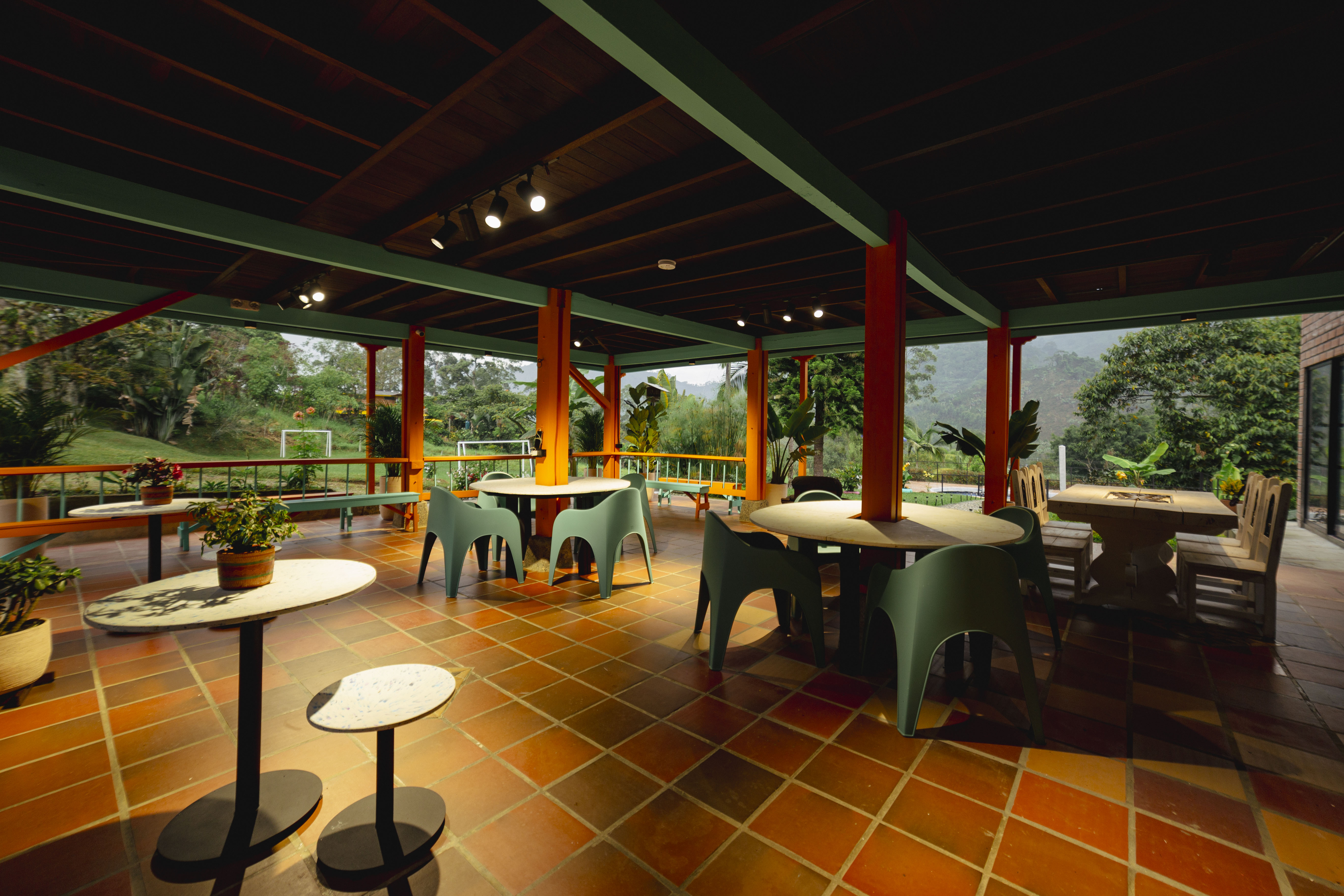
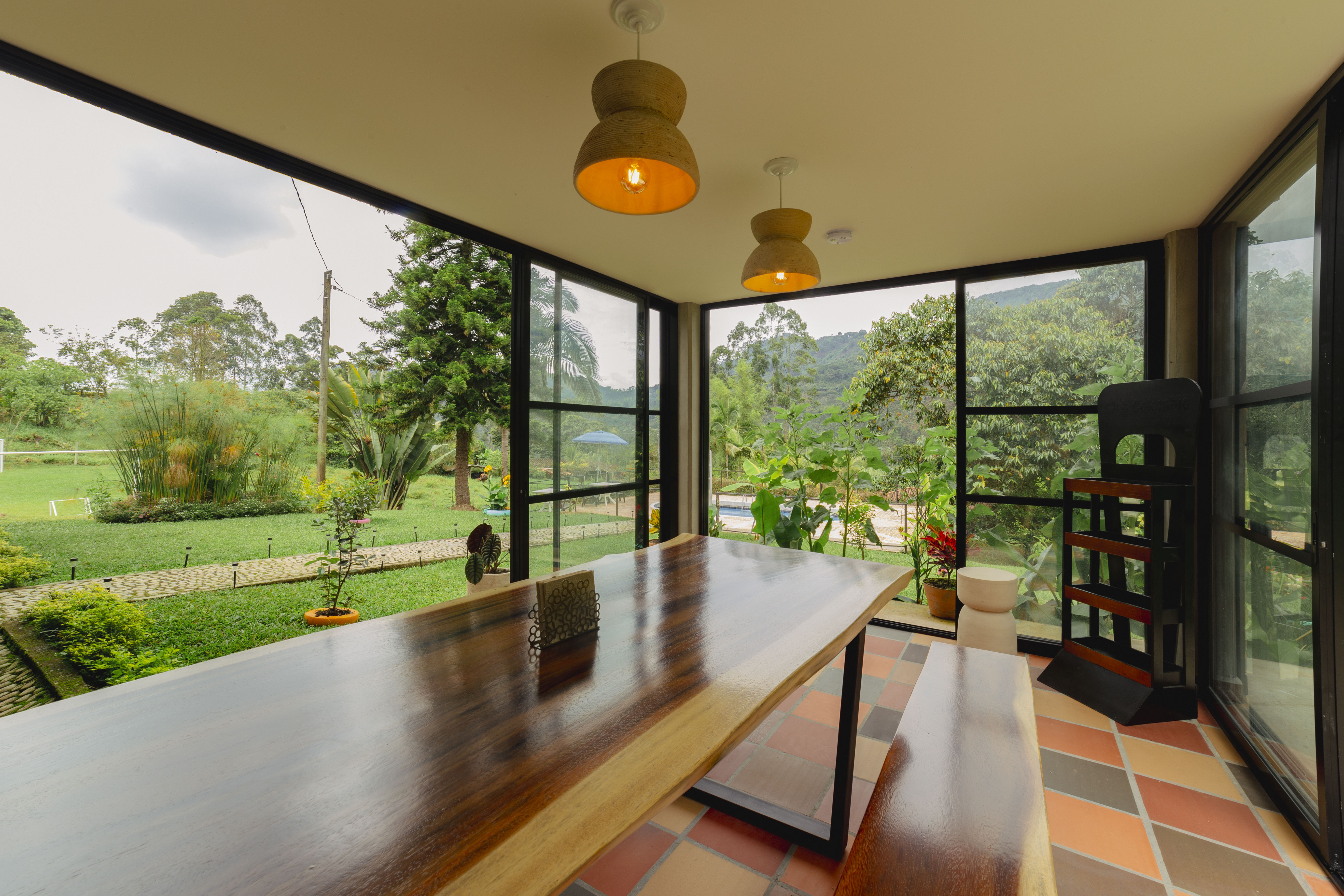
Paul: I chose Isla de Pascua because the reviews mentioned clean facilities, reliable WiFi, and a well-organized common area. These are things that matter to me. Organization is not boring — it is the infrastructure of comfort.
Lena: I chose Isla de Pascua because the photos showed a pool and hammocks and mountains and it looked like the kind of place where you could dance barefoot at midnight. These are things that matter to me. Spontaneity is not chaos — it is the heartbeat of joy.
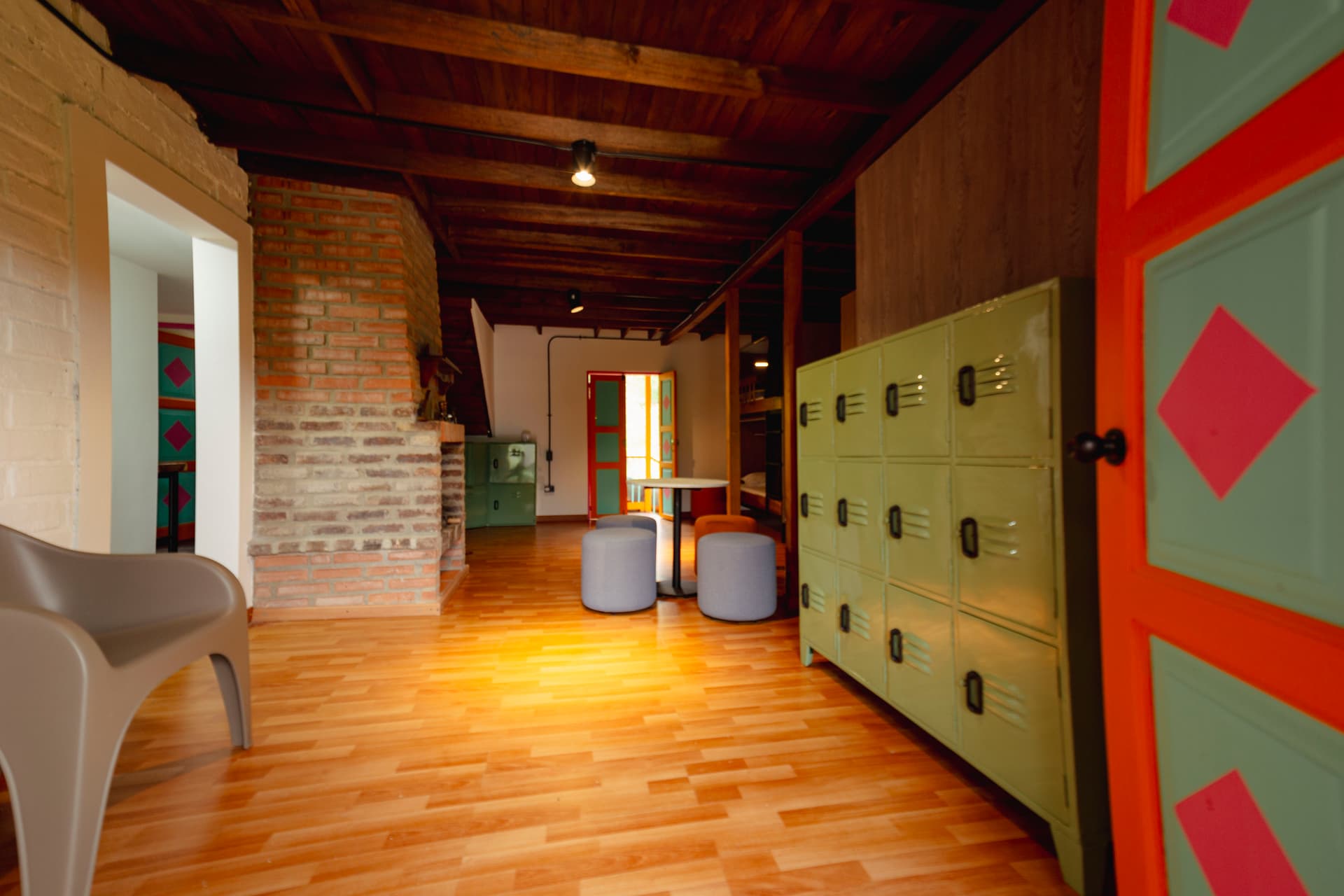
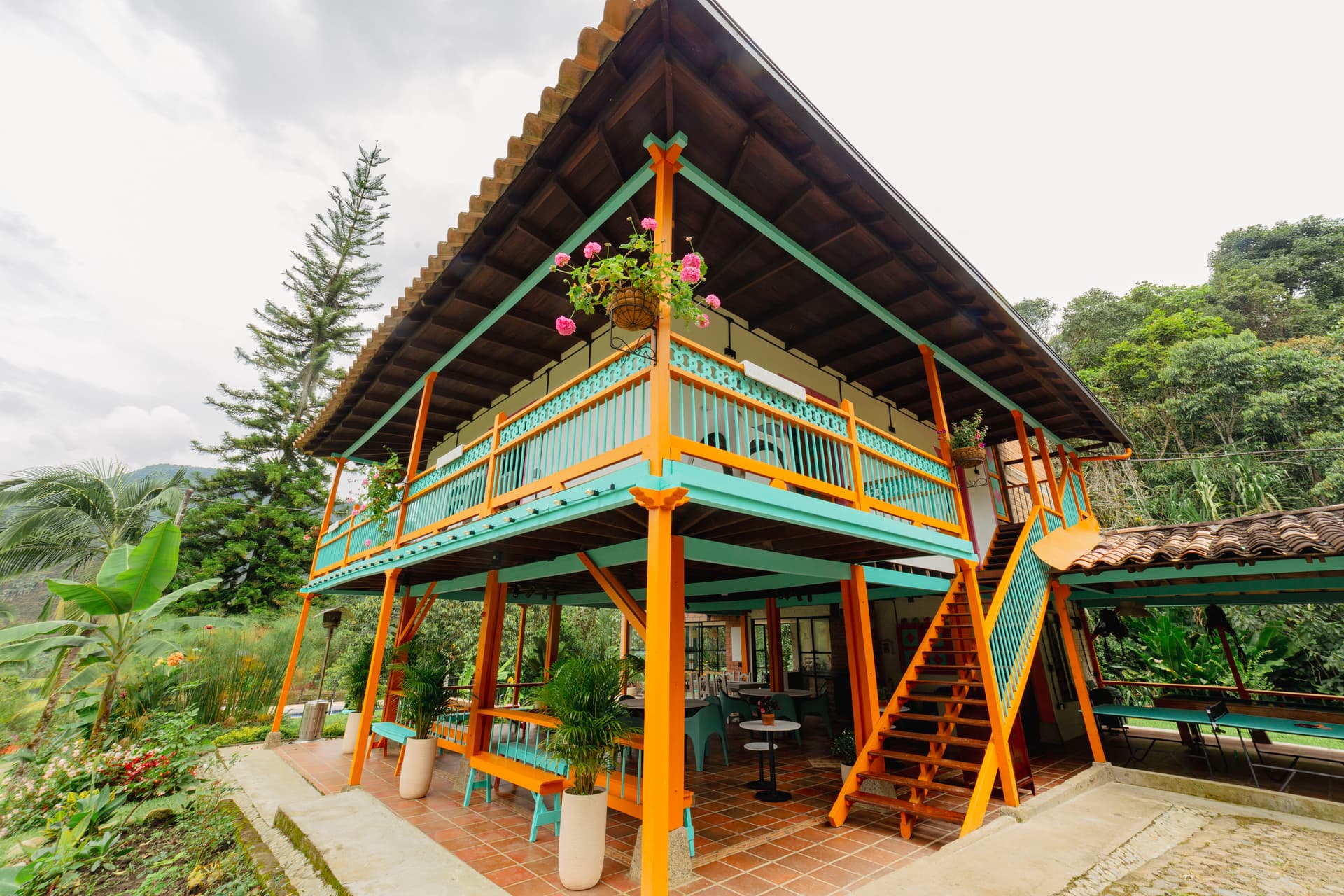
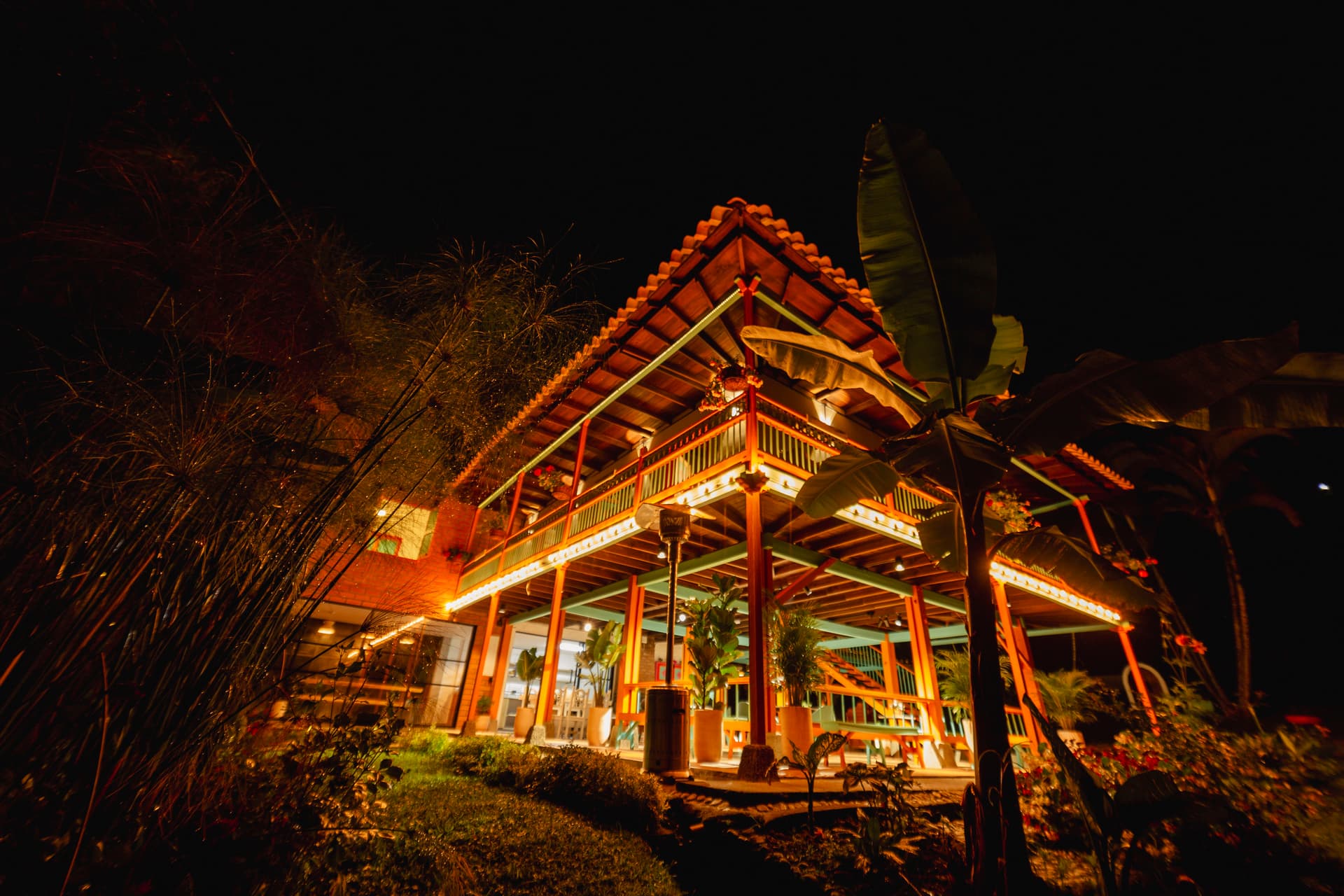
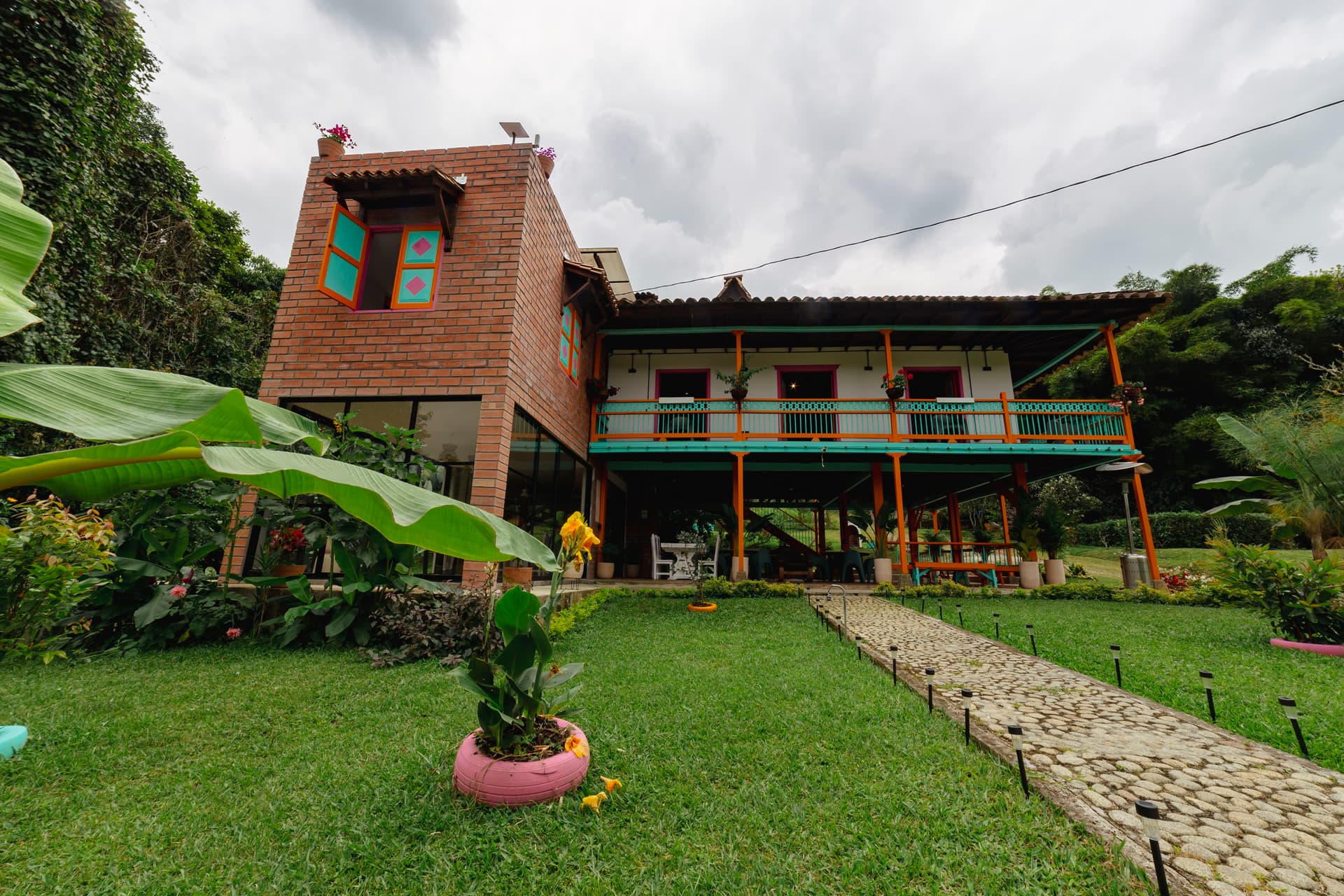
Paul: We were both right. The hostel is immaculately maintained — the beds are comfortable, the showers are hot, the common areas are clean. And it has that intangible warmth that Lena gravitates toward. The staff greet you by name. The other guests become friends within hours. The pool at sunset is genuinely one of the most beautiful things I have experienced, and I say this as someone who does not use superlatives carelessly.
Lena: He literally just used a superlative.
Paul: It was warranted.
Day One: The Plaza Negotiation
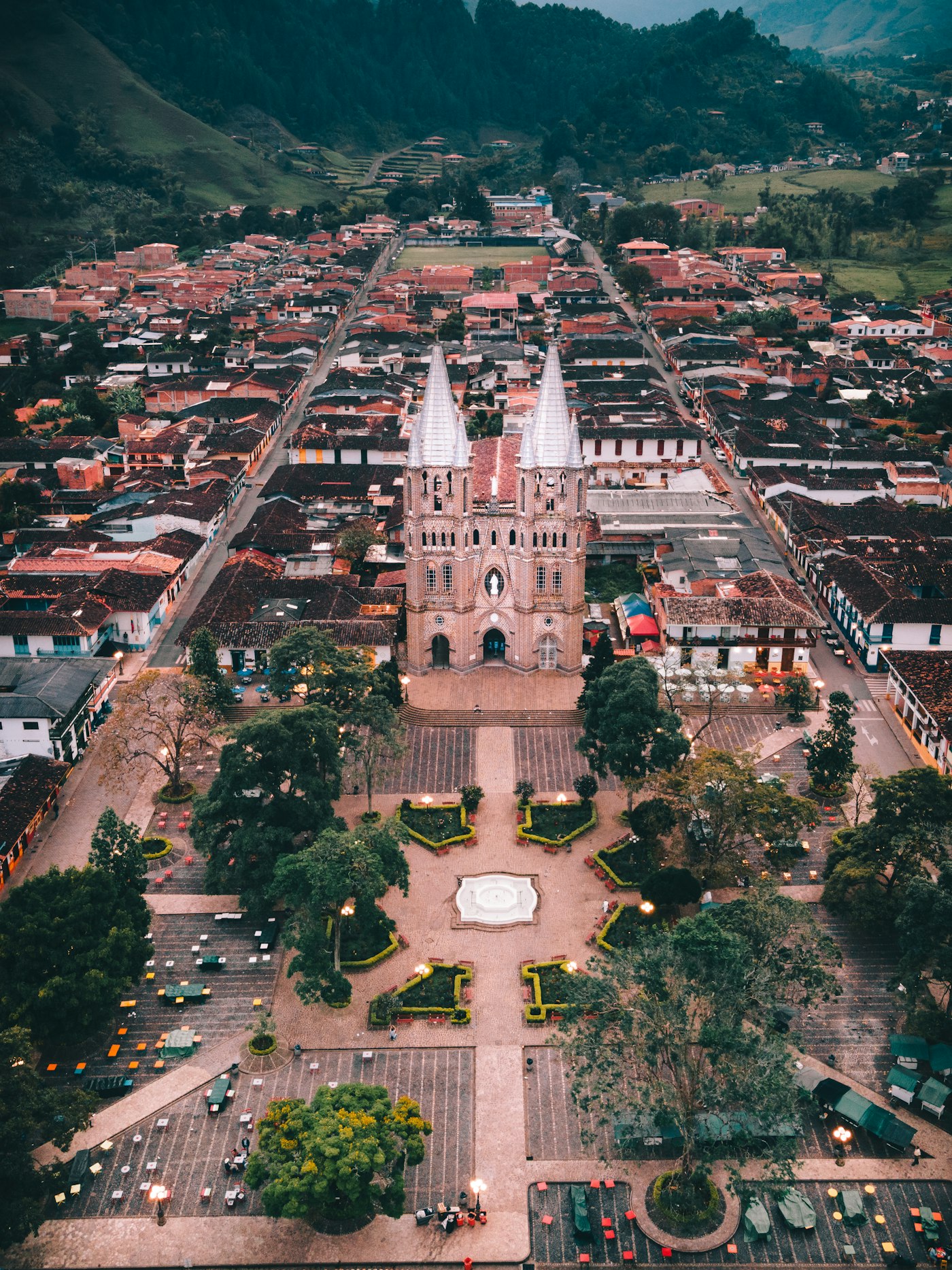
Lena: Our first afternoon, we walked down to the main plaza. Paul wanted to visit the Basílica first because it was the "primary cultural landmark." I wanted to eat empanadas and pet dogs. We compromised: empanadas first, then Basílica, then more empanadas.
Paul: The Basílica is remarkable. The stonework, the stained glass, the proportions — it represents an extraordinary achievement for a town this size. I could have spent hours examining the architectural details.
Lena: He did spend hours. I sat outside and made friends with a señora who sold me dulces and taught me the word "chimba," which Paul later informed me was "informal." I informed him that I am informal. We were both aware of this.
Day Two: Adventures in Compatibility
Paul: On our second day, we hiked to Cristo Rey. I had researched the trail in advance — elevation gain, estimated time, recommended footwear. Lena wore sandals. I chose not to comment.
Lena: He commented. Twice.
Paul: The hike was beautiful. The view from the top justified every step. You can see the entire valley of Jardín, the Basílica below, the mountains extending to the horizon. It is the kind of view that makes you feel simultaneously small and significant.
Lena: I cried a little at the top. Paul pretended not to notice, which is his way of being tender. Then he took thirty-seven photos with his DSLR while I sat on a rock and FaceTimed my mother in São Paulo to show her the view. My mother said, "That is beautiful, filha. Now when are you giving me grandchildren?" Paul heard this and walked to a different rock.
Paul: The acoustics at the summit are surprisingly good.
Day Three: The Coffee Farm Revelation
Lena: We went to a coffee farm, and this is where something amazing happened. Paul — my structured, spreadsheet-loving, German-engineered boyfriend — completely lost himself. The farmer explained the process of growing, harvesting, and roasting coffee, and Paul listened with the intensity of a man hearing the meaning of life.
Paul: The precision involved in coffee production is extraordinary. The altitude, the soil composition, the shade coverage, the exact moment of harvest — every variable matters. It is an agricultural science that operates with the rigor of engineering. I found it deeply moving.
Lena: He bought four kilos of coffee beans. We had to rearrange our entire backpack situation.
Paul: They were excellent beans. Specialty grade. The farmer dried them on raised beds with individual attention to each cherry. In Germany, this coffee would cost thirty euros per kilo.
Lena: In Brazil, my uncle grows coffee and gives it away for free, but I did not mention this because Paul was having a moment and I am a good girlfriend.
Day Four: The Hostel Day
Paul: On our fourth day, Lena declared a "hostel day," which in her vocabulary means a day of doing nothing productive. I initially resisted this concept.
Lena: He lasted forty-five minutes before he was in the pool, floating on his back, staring at the mountains, completely at peace. I have a photo. It is the lock screen on my phone.
Paul: I will admit that the pool at Isla de Pascua has a therapeutic quality. The water is cool — not cold, not warm, but that precise temperature where your body simply relaxes. The mountains provide a visual anchor that quiets the mind. I may have floated for two hours.
Lena: Three hours. But who's counting? (He is. He is always counting.)
Paul: That evening, we had dinner in the common area with a group that included a Canadian filmmaker, a Swedish writer, and a local family from Jardín. The conversation moved between English, Spanish, and Portuguese — Lena switched effortlessly between all three, while I contributed my functional but grammatically precise Spanish. Someone brought out a bottle of aguardiente. I had one glass. Lena had several.
Lena: The hostel has this energy where strangers become family in an evening. A Colombian grandmother taught me to make arepas. A German backpacker — yes, German, Paul found his people — showed us photos from his birdwatching trip. By midnight, everyone was dancing cumbia by the pool, and Paul was doing the steps I had tried to teach him for four years. It took a Colombian mountain town and half a bottle of aguardiente to unlock the Brazilian inside my German boyfriend.
Paul: I was moving rhythmically to the music. I would not call it "dancing."
Lena: It was dancing. I have witnesses.
Day Five: The Conversation
Paul: On our last morning, we sat in the hostel garden with coffee — the good stuff I had bought at the farm — and had one of those conversations that travel sometimes produces. The kind where you stop narrating your trip and start talking about your life.
Lena: I told Paul that Jardín felt like a metaphor for us. A place where two very different things — mountains and valley, structure and spontaneity, a German and a Brazilian — come together and create something more beautiful than either could be alone.
Paul: I told Lena that I agreed, and that my spreadsheet had not predicted this. Some things cannot be ranked or categorized. Some things simply are.
Lena: He also said he wanted to come back. Not someday. Next year. With a specific date and booking confirmation, because he is still Paul.
Paul: March. The weather is optimal in March.
Lena: I told him any month is fine. He told me March is fine-est. I let him have it.
To Jardín, With Love (From Both of Us)
Lena: If you are a couple — especially a couple from different cultures, different backgrounds, different ideas about how much planning is "enough" — go to Jardín. Go to Isla de Pascua. Bring your differences and watch them dissolve in the pool at sunset.
Paul: If you are a person who appreciates well-maintained infrastructure, excellent coffee, accessible hiking trails with documented elevation profiles, and a safe, welcoming environment, Jardín exceeds expectations in every measurable category.
Lena: He means he loved it.
Paul: I loved it.
Lena: See? Two worlds. One Jardín.
— Lena & Paul, writing from a café in Cartagena, already counting down to the return trip (Paul is counting in days; Lena is counting in feelings)
Ready to experience Jardín?
Book Now Isla de Pascua