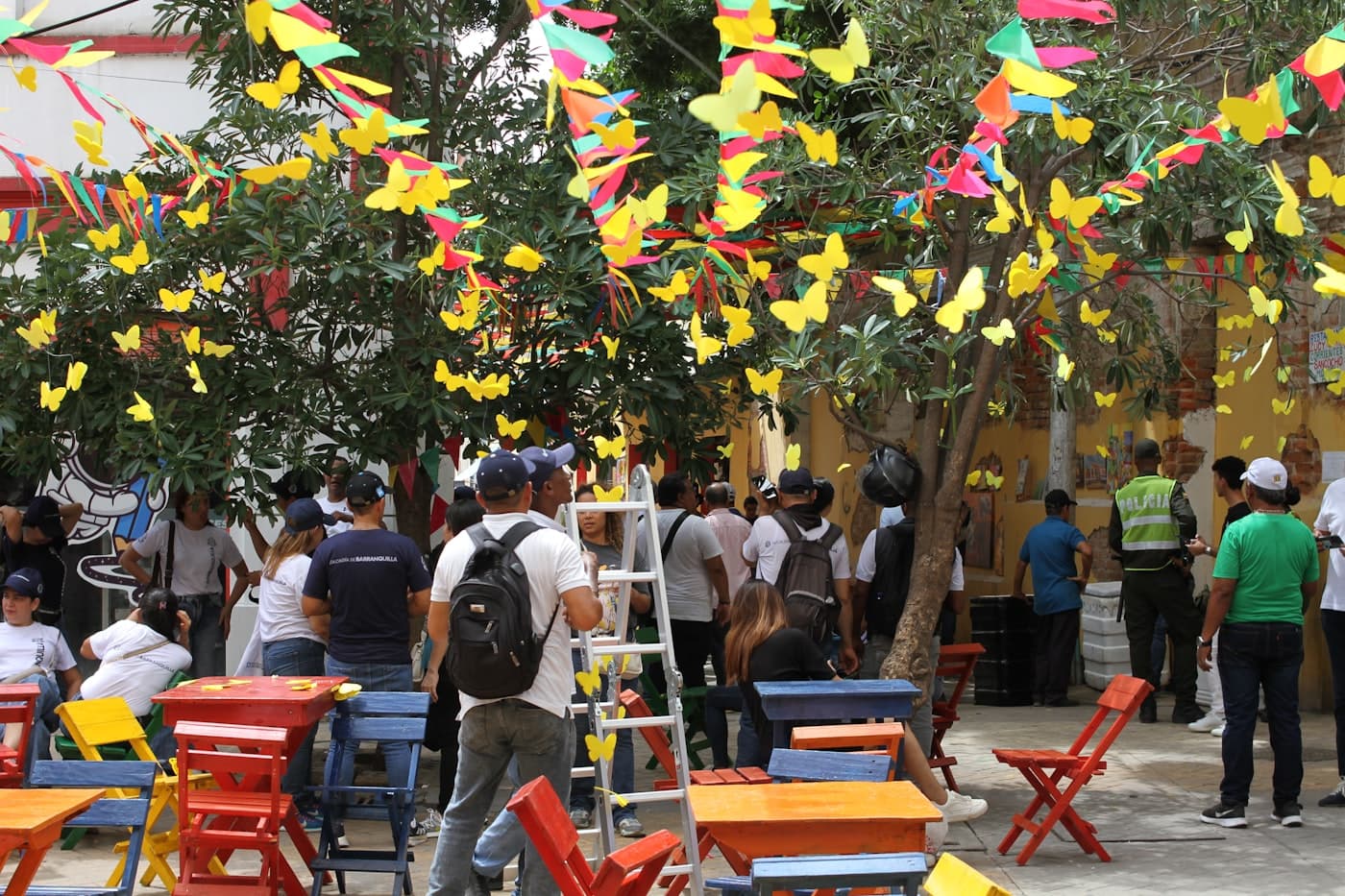
"Is it safe?" It is the most common question travelers ask about any destination in Colombia, and it is a fair one. Colombia's past casts a long shadow, and many visitors — especially first-timers — arrive with a mix of excitement and caution.
So let us answer the question directly: yes, Jardín is very safe. It is widely considered one of the safest towns in Antioquia and one of the safest tourist destinations in all of Colombia. Violent crime is extremely rare, petty crime is uncommon, and the town has a welcoming, community-oriented atmosphere that makes visitors feel at ease almost immediately.
That said, no destination is without risk, and smart travel habits still apply. This guide gives you an honest, practical look at safety in Jardín — what you need to know, what precautions to take, and why this small pueblo in the Andes is one of the most comfortable places to travel in Colombia.
For a complete overview of the town and how to plan your trip, see our Jardín travel guide.
General safety overview
Jardín is a small town of approximately 15,000 people located in the southwestern corner of Antioquia. It is a tight-knit community where locals know each other, look out for one another, and take pride in their town's reputation as a welcoming place for visitors.
The town's economy increasingly depends on tourism, which means there is a strong community incentive to keep Jardín safe and visitor-friendly. The local police maintain a visible presence around the main square, especially on weekends when the town sees the most visitors.
Compared to larger Colombian cities like Medellín, Bogotá, or Cartagena, the safety situation in Jardín is dramatically better. The risks that exist in big cities — pickpocketing in crowds, taxi scams, express kidnapping, and neighborhood-specific danger zones — simply do not apply here. Jardín feels like what it is: a quiet, rural Andean town where the biggest danger is eating too much trucha.
Crime and theft
Violent crime against tourists in Jardín is virtually unheard of. The town does not have the gang activity, drug-related violence, or street crime that affects some larger Colombian cities.
Petty theft is uncommon but not impossible. As in any tourist destination, opportunistic theft can occur if you leave valuables unattended. Basic precautions are sufficient:
- Do not leave bags, phones, or cameras unattended at restaurants or cafés. Keep your belongings in sight or on your person.
- Use your accommodation's safe or locker for passports, extra cash, and valuables you do not need to carry.
- Avoid flashing expensive electronics. Jardín is not a high-risk area, but there is no reason to advertise your wealth. A phone in your pocket draws less attention than a phone in your hand while walking down the street.
- Lock your room. This applies everywhere in the world.
The most common "crime" affecting tourists in Jardín is being overcharged for a jeep ride or a tour — and even that is rare and usually a matter of miscommunication rather than malice. Confirm prices before you get in.
Solo traveler safety
Jardín is an excellent destination for solo travelers. The town is small enough that you will quickly get oriented, the accommodation options are social (hostels, guesthouses), and the activities — hiking, coffee tours, birdwatching — are easy to arrange on your own or join with other travelers.
Tips for solo travelers:
- Stay in the town center. Being close to the main square means you are close to restaurants, transport, and other travelers. Isla de Pascua is steps from the main square, making it an ideal base.
- Join group activities. Coffee farm tours, horseback riding, and guided hikes are good ways to meet other travelers.
- Share your itinerary. Let someone know if you are heading out on a hike, especially the longer trails like Cueva del Esplendor.
- Trust your instincts. If something feels off, remove yourself from the situation. That said, most interactions with locals in Jardín are genuinely warm and curious.
Solo travelers of all ages and experience levels visit Jardín without issues. The town attracts a mix of Colombian domestic tourists, backpackers, and international travelers — it is a comfortable, low-pressure environment.
Pro tip: Base yourself at Isla de Pascua — Stay in the center for safety and convenience — Isla de Pascua is steps from the main square, so you're never far from the action.
Safety for women
Jardín is one of the safer destinations in Colombia for solo female travelers. The town does not have a significant street harassment problem, and women generally report feeling comfortable walking around alone during the day and early evening.
Practical tips:
- Walking alone at night in the main square area and the immediately surrounding streets is generally safe. The square is well-lit and there are usually people around until 10–11 PM.
- Avoid walking alone on dark, deserted streets late at night — this is common-sense advice for anywhere in the world.
- Catcalling (piropos) exists in Colombian culture but is less common in small towns like Jardín than in cities. If it happens, ignoring it is usually the most effective response.
- Drink spiking is a concern in Colombia's larger cities (particularly Medellín and Bogotá), but Jardín's bars are small, familiar-feeling establishments where this is extremely unlikely. Still, standard bar safety applies: do not leave your drink unattended.
- Trusted transport. For any trips outside town, arrange transport through your accommodation rather than accepting rides from strangers.
Many solo female travelers who visit Jardín describe it as one of the places in Colombia where they felt most safe and welcome.
LGBTQ+ safety
Colombia has made significant progress on LGBTQ+ rights in recent years. Same-sex marriage has been legal since 2016, and major cities like Medellín and Bogotá have vibrant LGBTQ+ communities.
Jardín is a conservative, Catholic small town, and public attitudes may be less openly progressive than in the cities. However, LGBTQ+ travelers generally report no problems in Jardín. Discretion is advisable — as it is in most rural areas worldwide — but hostility toward LGBTQ+ visitors is not something that characterizes this community.
Accommodation owners in Jardín are accustomed to hosting travelers of all backgrounds and orientations. If you have concerns, choose accommodation that explicitly markets itself as LGBTQ+-friendly.
Night safety
Jardín is a quiet town after dark. The main square stays lively until about 10–11 PM on weekends, with restaurants and a few bars open. On weeknights, things wind down earlier.
Is it safe to walk around at night? Yes, in the central area. The streets around the main square are well-lit and generally safe for walking. Beyond the immediate center — particularly on the roads leading out of town — there is less lighting, but there is also very little reason for a tourist to be walking those roads at night.
Bars and nightlife. Jardín has a handful of bars concentrated around the main square. They are generally relaxed, friendly, and safe. The town does not have the club scene of a city, and nights out tend to be mellow affairs involving aguardiente, beer, and conversation. For more on Jardín's nightlife, see our travel guide.
Walking home from a bar. If you are staying in the town center (which most visitors do), walking home from a bar is a short, safe affair. The streets are quiet, not threatening.
Road and hiking safety
The roads around Jardín are winding mountain roads — narrow, sometimes unpaved, with steep drop-offs. If you are taking jeeps or buses to trailheads or nearby attractions:
- Jeep rides can feel adventurous. Drivers are experienced with the terrain, but the roads are rough. Hold on, enjoy the views, and trust the driver.
- Bus travel to and from Medellín is on a paved highway and is safe. For details, see our transport guide.
For hiking:
- Trails are generally safe but can be muddy, steep, and poorly marked. Carry water, sunscreen, and a rain layer.
- Hike with others when possible, especially on longer or less-traveled trails.
- Tell someone where you are going and when you expect to be back.
- Do not hike at night. Trails are not lit and the terrain is unforgiving in the dark.
- Watch for wildlife. Snakes are present in the area (including some venomous species), though encounters are uncommon. Stick to the trail and watch where you step.
For specific trail information, see our guides to Cueva del Esplendor and La Garrucha cable car.
Health considerations
Altitude
Jardín sits at approximately 1,750 meters (5,740 feet) above sea level. This is not high enough to cause serious altitude sickness for most people, but if you are arriving directly from sea level, you may notice mild effects for the first day or two: slight shortness of breath on steep hills, faster fatigue, or mild headaches. These typically resolve quickly. Stay hydrated and take it easy on your first day.
Water
Tap water in Jardín is treated and generally considered safe to drink, though many travelers prefer to drink bottled or filtered water to be cautious. Bottled water is inexpensive and widely available.
Sun exposure
The UV index at Jardín's elevation is high, even on cloudy days. Wear sunscreen (SPF 30+), a hat, and sunglasses, especially when hiking or spending extended time outdoors.
Insects
Mosquitoes are present, particularly along the river and in the forest at lower elevations. Use insect repellent, especially during dawn and dusk. Jardín is not in a high-risk malaria zone, but dengue-carrying mosquitoes are present in the wider Antioquia region.
Medical facilities
Jardín has a small hospital (Hospital San Juan de Dios) that can handle basic medical needs. For anything serious, you would be transferred to a hospital in Medellín, which is about 4 hours away by road.
Where to Stay in Jardín
Isla de Pascua is a social hostel with a swimming pool, coworking space with 50 Mbps WiFi, and a common area that makes it easy to meet other travelers. It's steps from the main square and the best base for exploring everything Jardín has to offer.
Learn more about Isla de Pascua →Emergency contacts
Keep these numbers accessible during your visit:
- National emergency number: 123 (police, ambulance, fire)
- National police: 112
- Hospital San Juan de Dios, Jardín: Ask at your accommodation for the current direct number
- Tourist police (Policía de Turismo): Available in Jardín on weekends and during peak seasons. Look for officers around the main square.
Your embassy. If you are a foreign national, know the location and phone number of your country's embassy or consulate in Bogotá before you travel.
Your accommodation. Your hostel or hotel is your first resource for help. Staff can assist with language barriers, medical situations, and emergency contacts.
Travel insurance
Travel insurance is strongly recommended for any trip to Colombia. A good policy should cover:
- Medical expenses and emergency evacuation. Colombian hospitals generally provide good care, but you want coverage for any situation requiring evacuation to a larger city or repatriation.
- Trip cancellation or interruption. Flights, tours, and transport can be affected by weather or unforeseen events.
- Personal belongings. Coverage for lost, stolen, or damaged gear.
- Adventure activities. If you plan to hike, ride horses, or do any outdoor activities, make sure your policy covers them.
Policies from providers like World Nomads, SafetyWing, or Allianz are popular among travelers in Colombia. Read the fine print and ensure Colombia is covered.
Practical safety tips: a summary
- Stay in the town center. Everything you need is within walking distance of the main square.
- Keep valuables secure. Use lockers, do not flash expensive items, and keep your phone in your pocket.
- Drink responsibly. Aguardiente is strong. Pace yourself.
- Confirm prices. Before tours, jeep rides, or meals, agree on the price.
- Learn basic Spanish. Even a few words go a long way. "Cuánto cuesta?" (how much?), "Dónde está...?" (where is...?), and "Ayuda" (help) are useful.
- Trust but verify. Locals are overwhelmingly helpful and honest. But as anywhere, if a deal sounds too good to be true, it probably is.
- Stay connected. Buy a local SIM card (Claro or Tigo) for data. Coverage in Jardín is generally good.
- Register your trip. Some embassies allow citizens to register travel plans online — worth doing for any international trip.
For tips on managing your budget safely, see our cost guide for Jardín.
Where to stay for safety and convenience
The safest and most convenient area to stay in Jardín is the town center, within a few blocks of the main square. This puts you close to restaurants, transport, police, and other travelers.
For a full breakdown of accommodation options, see our where to stay in Jardín guide.
Ready to experience Jardín?
Book Now Isla de PascuaFinal thoughts
Jardín is one of the safest and most welcoming destinations in Colombia. The risks here are minimal — far lower than in Medellín, Bogotá, or Cartagena — and basic travel sense is all you need to have a worry-free visit.
The town's small size, tight-knit community, and growing but responsible tourism scene create an environment where travelers consistently feel comfortable, respected, and at home. Whether you are a solo traveler, a couple, a family, or a group, Jardín's safety is one of many reasons it has become one of Colombia's most beloved destinations.
Come with an open mind, take the same precautions you would in any unfamiliar place, and enjoy one of the most beautiful corners of the Colombian Andes.
Start planning with our complete Jardín travel guide.