Understanding Jardín's weather is one of the most practical things you can do before booking your trip. The right timing can mean the difference between clear morning hikes with panoramic Andean views and soggy trails obscured by cloud. It can determine whether you catch the coffee harvest, see the Andean cock-of-the-rock at its most spectacular, or avoid the holiday crowds.
The good news: Jardín has pleasant weather year-round. There is no "bad" time to visit. But there are better times depending on what you want to do, and knowing the seasonal patterns will help you pack right and plan smart.
This guide breaks down Jardín's climate month by month, covers the best times for specific activities, and gives you practical packing advice.
For help planning the rest of your trip, see our complete Jardín travel guide.
Climate overview
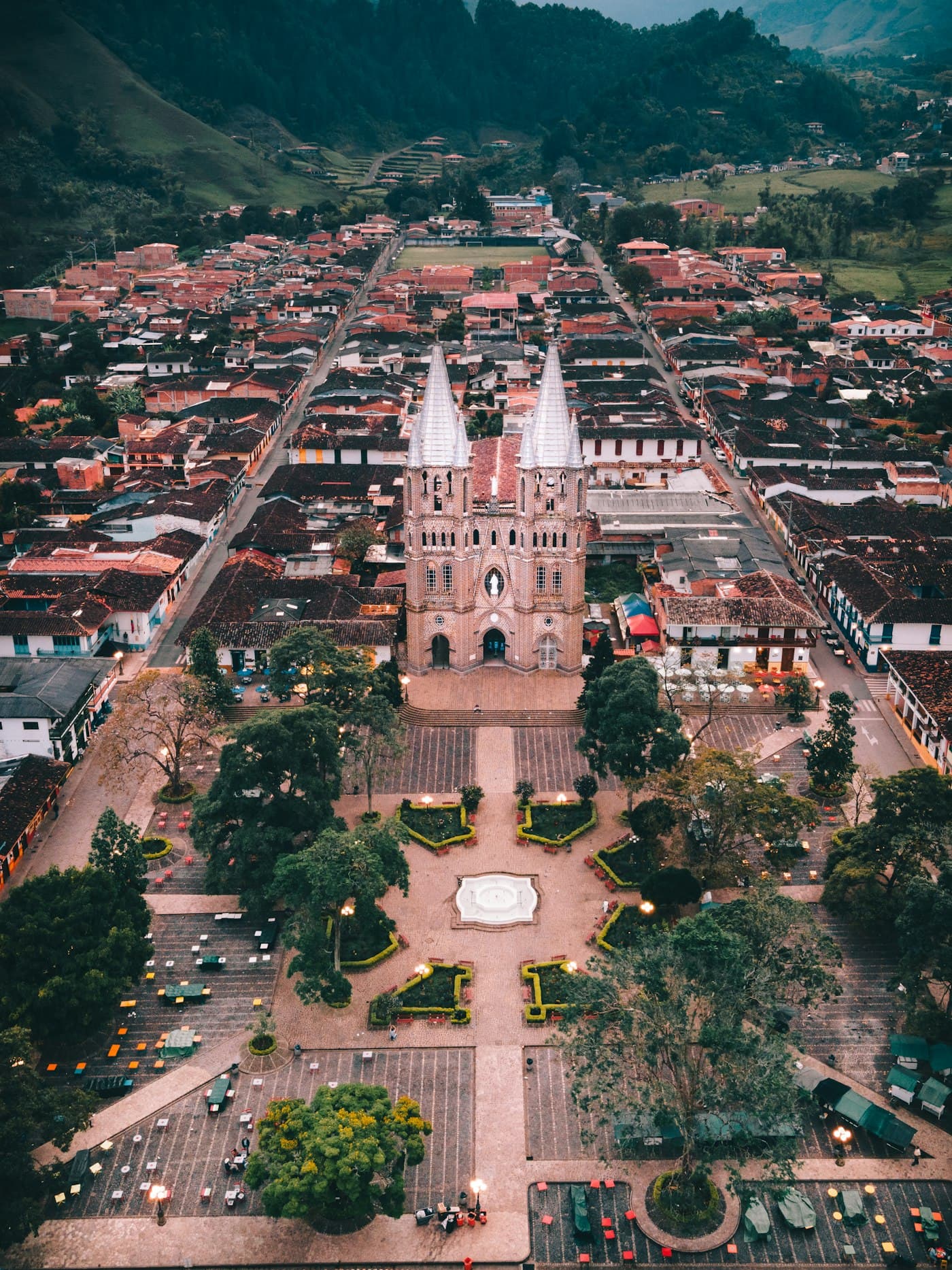
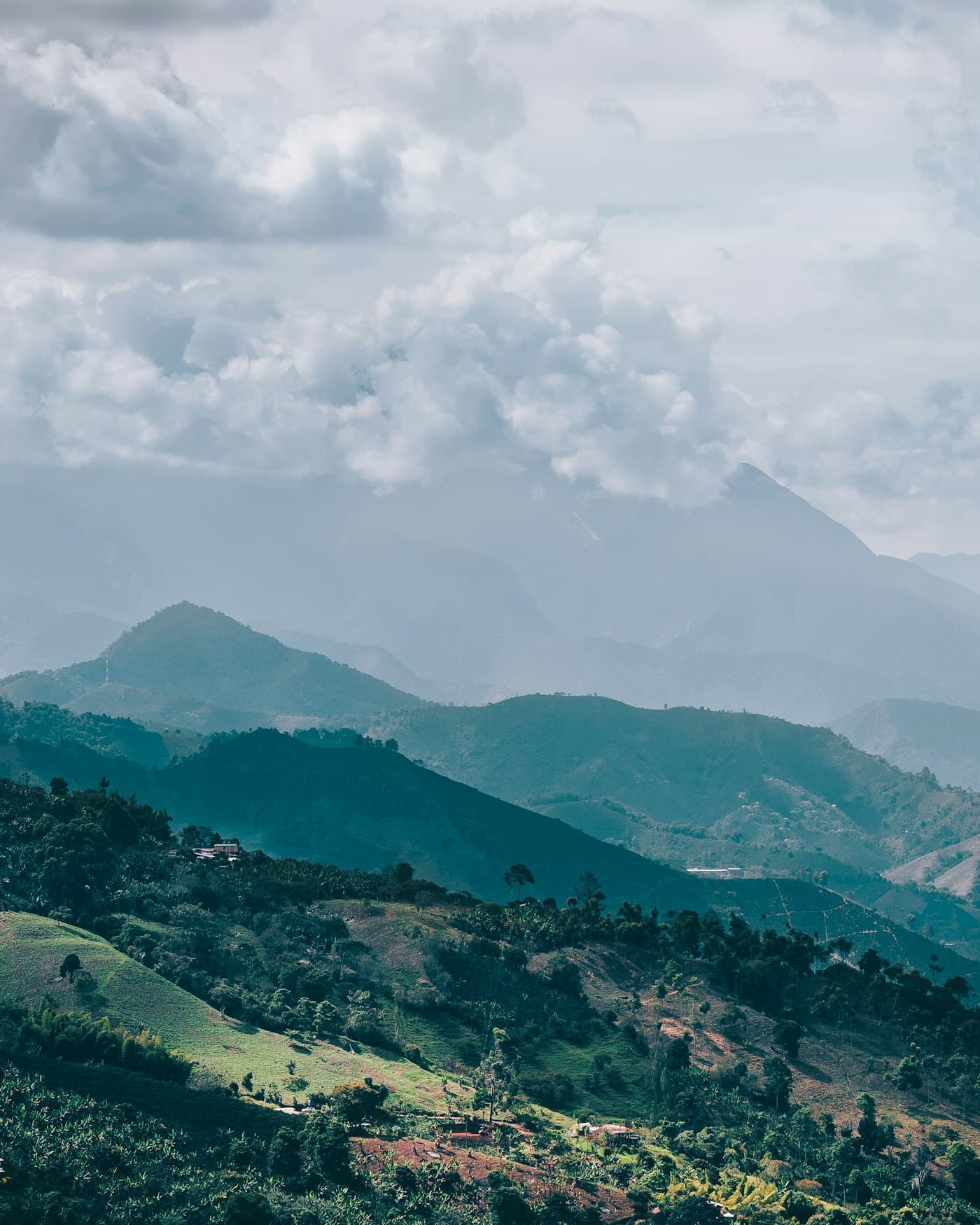
Jardín sits at approximately 1,750 meters (5,740 feet) above sea level in the Western Andes of Antioquia, Colombia. This elevation places it in the "tierra templada" — the temperate zone — which gives it a mild, spring-like climate throughout the year.
Key climate facts:
- Average temperature: 18–22°C (64–72°F) year-round
- Daytime highs: 24–27°C (75–81°F)
- Nighttime lows: 13–16°C (55–61°F)
- Annual rainfall: Approximately 2,000–2,500 mm
- Elevation: 1,750 meters (5,740 feet)
- Humidity: Moderate to high, especially in the rainy season
Unlike coastal or lowland Colombia, Jardín never gets truly hot. Days are warm and comfortable, mornings are crisp, and evenings are cool enough for a light jacket. The temperature varies remarkably little from month to month — the main seasonal difference is rainfall, not temperature.
Jardín's seasons
Colombia sits near the equator, so it does not have the four seasons of temperate climates. Instead, Jardín has two pairs of alternating wet and dry periods:
Dry seasons (verano)
- December through February — the main dry season and peak tourist period
- June through August — a shorter dry period, sometimes called "veranillo de San Juan"
Rainy seasons (invierno)
- March through May — the first and often wetter rainy season
- September through November — the second rainy season
"Dry season" does not mean zero rain. Even in December and January, brief afternoon showers are possible. Similarly, "rainy season" does not mean constant downpour. Rain typically falls in the afternoon and evening, leaving mornings clear — which is exactly when you want to be outdoors hiking or birding.
Month-by-month guide
January
- Temperature: 18–24°C (64–75°F)
- Rainfall: Low — one of the driest months
- Crowds: High — peak season continues from the holidays
- Events: The Christmas/New Year holiday period extends into early January
January is prime time in Jardín. Dry weather, clear mornings, and comfortable temperatures make this one of the best months for outdoor activities. The holiday crowds from December thin out after the first week, leaving the second half of January quieter but still dry. Trails are in good condition, and visibility for mountain views is at its best.
February
- Temperature: 18–25°C (64–77°F)
- Rainfall: Low — the driest month of the year
- Crowds: Moderate — lower than January
- Events: Pre-Lent celebrations in some years
February is arguably the single best month to visit Jardín. The weather is consistently dry, temperatures are warm, the trails are in excellent condition, and the tourist crowds have eased from the January peak. It is an ideal time for hiking to Cueva del Esplendor, birdwatching, and coffee farm tours.
March
- Temperature: 18–24°C (64–75°F)
- Rainfall: Increasing — the transition to rainy season begins
- Crowds: Moderate
- Events: Semana Santa (Holy Week) falls in March or April
March is a transitional month. The first half often remains relatively dry, while the second half sees more regular afternoon rain. Morning activities are usually unaffected. This is a good time for birdwatching as the breeding season intensifies and the Andean cock-of-the-rock displays become more frequent.
April
- Temperature: 17–23°C (63–73°F)
- Rainfall: High — one of the wettest months
- Crowds: Variable — high during Semana Santa, lower otherwise
- Events: Semana Santa (if in April), which brings large domestic tourist crowds
April is wet. Rain falls most afternoons and sometimes lingers into the morning. Trails can be muddy and slippery. However, the landscape is lush and green, waterfalls are at their most powerful (great for Cueva del Esplendor), and the cloud forest is at its most atmospheric. Budget travelers benefit from lower demand outside Semana Santa.
May
- Temperature: 17–23°C (63–73°F)
- Rainfall: High — rainy season continues
- Crowds: Low — one of the quietest months
- Events: Few
May is the tail end of the first rainy season. Conditions are similar to April — wet afternoons, green landscapes, fewer tourists. This is a good month for budget travelers willing to trade some weather predictability for lower prices and a quieter town. Morning birding remains productive.
June
- Temperature: 18–24°C (64–75°F)
- Rainfall: Decreasing — the "little summer" begins
- Crowds: Moderate — Colombian school holidays begin in mid-June
- Events: Fiestas de San Juan in some areas
June marks the beginning of the veranillo — a drier interlude between the two rainy seasons. The weather improves throughout the month, with clearer mornings and less persistent afternoon rain. Colombian families begin traveling for school holidays, so the town gets busier — but nothing like December or January.
July
- Temperature: 18–24°C (64–75°F)
- Rainfall: Low to moderate — the driest of the mid-year months
- Crowds: High — peak of Colombian school holidays
- Events: Independence Day celebrations (July 20)
July is the best month of the mid-year period. The weather is generally dry and pleasant, though not as consistently clear as January–February. Colombian domestic tourists fill the town, especially around Independence Day weekend. Book accommodation in advance. Trails are in decent condition and hiking is good.
August
- Temperature: 18–25°C (64–77°F)
- Rainfall: Low to moderate
- Crowds: Moderate — school holidays end, some international tourists arrive
- Events: Battle of Boyacá Day (August 7)
August continues the relatively dry mid-year pattern. As Colombian school holidays end, the town quiets down. International tourists and birders start arriving for the second half of the year. This is a good month to visit for a balance of decent weather and manageable crowds. The coffee harvest season is approaching, making farm visits increasingly interesting.
September
- Temperature: 17–24°C (63–75°F)
- Rainfall: Increasing — the second rainy season begins
- Crowds: Low
- Events: Amor y Amistad (Colombian Valentine's Day, celebrated in September)
September marks the return of regular rainfall. Afternoons are frequently wet, and the cloud forest lives up to its name with thick mist and low cloud. This is the beginning of the coffee harvest season, which makes it a fascinating time for coffee farm tours despite the rain. Tourist numbers drop, and the town feels authentically local.
October
- Temperature: 17–23°C (63–73°F)
- Rainfall: High — peak of the second rainy season
- Crowds: Low
- Events: Coffee harvest in full swing
October is the wettest month of the second rainy season. Rain can be persistent, trails are muddy, and outdoor activities require flexibility. However, this is the heart of the coffee harvest — the best time to see (and participate in) the picking, processing, and drying of Jardín's famous arabica beans. The landscape is spectacularly green.
November
- Temperature: 17–23°C (63–73°F)
- Rainfall: High, decreasing toward month end
- Crowds: Low to moderate
- Events: Coffee harvest continues; early Christmas decorations appear
November is the transition back to dry season. The first half is still wet, but by late November the rains ease and the town begins preparing for the Christmas season. It is a good month for budget travelers — prices are lower, the town is uncrowded, and the weather improves as the month progresses.
December
- Temperature: 18–24°C (64–75°F)
- Rainfall: Low — dry season returns
- Crowds: Very high — peak of the year
- Events: Christmas celebrations, Alumbrados (illuminations), New Year
December is Jardín at its most festive. The town sparkles with Christmas decorations, the weather is dry and pleasant, and the atmosphere is joyful. It is also the most crowded and expensive month. Book accommodation well in advance. The dry conditions make it excellent for hiking and outdoor activities, and the festive atmosphere is special — but if you prefer a quieter experience, January or February may be better.
Best time for specific activities
Hiking
Best months: December–February, June–August
Dry conditions mean better trail conditions, clearer views, and more comfortable hiking. For the best experience at Cueva del Esplendor, aim for the dry season — though the waterfall is actually more impressive during the rainy season.
Birdwatching
Best months: December–May
The cock-of-the-rock lek is active year-round but displays peak during breeding season (February–June). Migratory species add to the list in October–March. Dry season mornings offer better visibility in the forest canopy. For the full birding guide, see our birdwatching article.
Coffee farm tours
Best months: September–December (harvest season)
The coffee harvest is when farms come alive with activity. You can see the full process from cherry picking to drying and roasting. Tours are available year-round, but harvest season is the most engaging. See our coffee farm tour guide.
Photography
Best months: December–February, June–August
Clear mornings provide the best light for landscape photography. Dry season sunsets can be spectacular. However, rainy season has its own photographic appeal — dramatic clouds, mist-shrouded mountains, and lush green landscapes.
Budget travel
Best months: May, September–November
Low season means lower accommodation prices, more availability, and fewer crowds. The trade-off is more rain, but mornings are often clear enough for activities. See our budget guide.
Pro tip: Base yourself at Isla de Pascua — Even in rainy season, Isla de Pascua's covered areas and pool mean rain doesn't ruin your day. Enjoy a book and a coffee while waiting for the afternoon shower to pass.
What to pack for Jardín
Jardín's weather demands layering. The temperature swing from a cool morning to a warm midday to a rainy afternoon means you need versatile clothing.
Essentials for any season
- Light rain jacket or poncho. Non-negotiable, even in dry season. Afternoon showers can catch you off guard.
- Layers. A t-shirt for daytime warmth, a long-sleeve shirt for mornings and evenings, and a fleece or light jacket for cool nights.
- Comfortable walking shoes. You will walk on cobblestones, dirt paths, and potentially muddy trails. Closed-toe shoes with grip are essential.
- Sunscreen and hat. The UV at 1,750 meters is intense, even when it is cloudy.
- Reusable water bottle. Stay hydrated, especially if you are active.
Dry season additions
- Sunglasses. Clear skies mean bright sun.
- Lighter clothing. You can get away with shorts and t-shirts during the day.
Rainy season additions
- Waterproof hiking boots. Trails get muddy, and wet feet make everything worse.
- Quick-dry clothing. Cotton takes forever to dry in humid conditions.
- Dry bag or waterproof backpack cover. Protect your electronics.
- Extra socks. More important than you think.
- Umbrella. A compact travel umbrella is useful for town — more practical than a rain jacket for casual walks.
Planning around the weather
Here are some general tips for making the most of Jardín's weather, whatever the season:
- Start early. Mornings are almost always the clearest part of the day, regardless of season. Schedule hikes, birdwatching, and outdoor activities for the morning.
- Embrace the rain. If you visit during the rainy season, accept that afternoon rain is part of the experience. Plan indoor activities (cafés, museums, cooking classes) for the afternoon.
- Check the forecast, but do not obsess. Mountain weather is unpredictable. The forecast may say rain, but you could get a beautiful clear morning.
- Book flexibility. If possible, have at least one flexible day in your itinerary so you can shift outdoor activities to the clearest day.
- Enjoy the views. After rain, the air is crystal clear and the mountain views are at their most dramatic. Some of the best landscape moments happen right after a storm passes.
Where to Stay in Jardín
Isla de Pascua is a social hostel with a swimming pool, coworking space with 50 Mbps WiFi, and a common area that makes it easy to meet other travelers. It's steps from the main square and the best base for exploring everything Jardín has to offer.
Learn more about Isla de Pascua →Climate change and weather patterns
It is worth noting that weather patterns in the Colombian Andes have become less predictable in recent years due to climate change and the El Nino/La Nina cycle. Dry seasons may see unexpected rain, and rainy seasons may have extended dry spells. The month-by-month guide above represents historical averages, but any given year may deviate.
The El Nino phenomenon tends to bring drier-than-normal conditions to western Colombia, while La Nina brings wetter weather. Check current climate forecasts before your trip for the most accurate picture.
Final thoughts
Jardín's weather is one of its greatest assets — mild, comfortable, and never extreme. The eternal spring climate means you can visit any month of the year and have a good experience. The key is matching your timing to your priorities: dry season for the best hiking and outdoor conditions, rainy season for lower prices and coffee harvest, and shoulder months for the best balance of everything.
Whatever the weather does, Jardín's charm — its colorful streets, warm people, incredible food, and stunning mountain setting — shines through rain or shine.
Start planning your trip with our complete Jardín travel guide.
Ready to experience Jardín?
Book Now Isla de Pascua