Colombia is the most bird-rich country on the planet, home to more than 1,950 recorded species — roughly 20% of the world's total. And within Colombia, few places offer birding as accessible, diverse, and spectacular as Jardín. This small Antioqueño pueblo, nestled at 1,750 meters in the western Andes, sits at the intersection of cloud forest, subtropical valley, and agricultural highlands — a combination that creates extraordinary avian diversity in a compact, walkable area.
More than 300 bird species have been recorded in the Jardín area. The list includes headline species that birders travel from across the world to see: the Andean cock-of-the-rock, the multicolored tanager, the Cauca guan, and over 40 species of hummingbird. What makes Jardín special is not just the species count but the ease of access. Many of the best birding spots are within a 30-minute drive of the town square, and some target species can be seen without even leaving town.
Whether you are a seasoned lister chasing endemics or a casual nature lover who wants to see your first toucan, this guide covers everything you need to plan a birding trip to Jardín — the best spots, target species, tours, gear, and timing.
For help planning the rest of your trip, see our complete Jardín travel guide.
Why Jardín for birdwatching
Several factors combine to make Jardín one of Colombia's premier birding destinations:
Biogeographic location. Jardín sits on the western slope of the Western Andes, where the Andean cloud forest transitions into the subtropical Cauca River valley. This elevational gradient — from roughly 1,500 meters at the river to over 3,000 meters on the ridgetops — creates multiple habitat zones, each with its own bird community.
Intact cloud forest. While much of Colombia's Andean forest has been cleared for agriculture, significant tracts of primary and secondary cloud forest remain around Jardín, protected in private reserves and community conservation areas.
Over 300 species. The official eBird checklist for the Jardín area includes more than 300 confirmed species. In a good week of birding, an experienced birder can see 150–200 species. Even casual birders can expect 50–80 species in a few days without much effort.
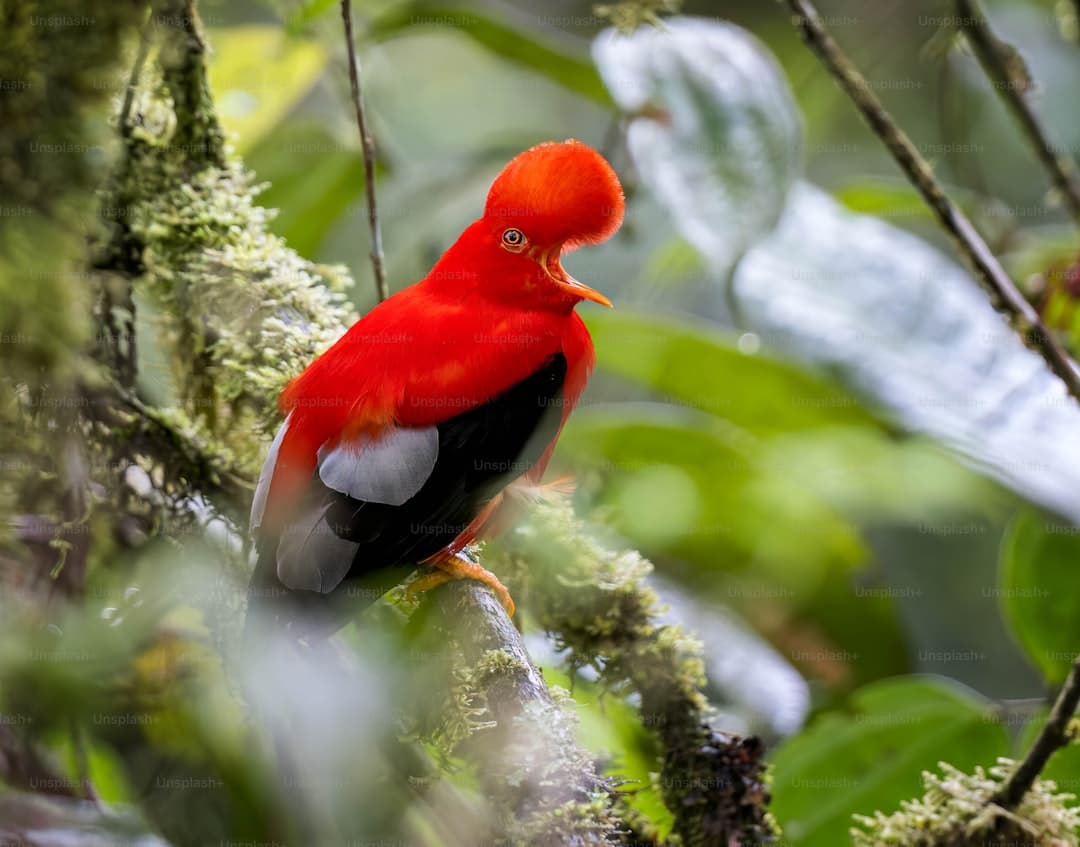
Flagship species. The Andean cock-of-the-rock — a brilliant orange bird with a dramatic courtship display — has a reliable lek (display site) just 20 minutes from town. This alone draws birders from around the world.
Accessibility. Unlike many Colombian birding hotspots that require hours of rough roads, Jardín is reached by a paved highway from Medellín (about 4 hours). The birding sites are close to town, accommodations are comfortable, and local guides know exactly where to find the key species. For transport details, see our guide to getting to Jardín from Medellín.
Community involvement. Local farmers and landowners have increasingly embraced birdwatching tourism as an economic alternative to agriculture. Several private reserves have been established specifically to protect bird habitat and offer guided access to birders.
Best birding spots in Jardín
Reserva Natural Jardín de Rocas — the cock-of-the-rock lek
This private reserve about 20 minutes by car from Jardín is the most famous birding site in the area, and for good reason: it hosts a reliable lek of the Andean cock-of-the-rock (Rupicola peruvianus). Males gather at the lek — a rocky outcrop near a waterfall — to perform their spectacular courtship displays, fanning their brilliant orange plumage and making loud, squawking calls to attract females.
Target species: Andean cock-of-the-rock (near-guaranteed at the lek), white-capped dipper, torrent duck, and various cloud forest species along the access trail.
Best time to visit: Early morning (arrive by 6:00–6:30 AM) for the most active displays. The lek is active year-round but displays are most intense during breeding season (roughly February through June).
Access: By jeep or 4x4 from Jardín. Most visitors go with a guide who arranges transport. Entry fee is approximately COP $15,000–$20,000 per person.
What to expect: A short hike (15–20 minutes) from the road to a viewing area near the lek. There is a hide (blind) set up at the correct distance to observe without disturbing the birds. Bring binoculars and a telephoto lens if you have one.
Cloud forest trails — high-elevation birding
The cloud forest above Jardín, accessible via several trails and private reserves, is where you will find the richest diversity. The dense, mossy forest dripping with epiphytes, bromeliads, and orchids supports a remarkable community of tanagers, toucans, quetzals, and antpittas.
Key trails and access points:
- Camino de la Herrera — a trail climbing from the town into the cloud forest, passing through agricultural land into primary forest. Good for mixed flocks and edge species.
- Alto de las Flores — higher-elevation forest with different species composition. Access by jeep plus a hike.
- Sendero Ecológico — a well-maintained interpretive trail suitable for less experienced hikers.
Target species: Golden-headed quetzal, crimson-rumped toucanet, mountain toucan, Chestnut-crowned antpitta, various tanagers (multicolored, beryl-spangled, blue-winged mountain), and many cloud forest specialties.
Best time: Early morning, especially in the dry season when mixed flocks are more predictable. The cloud forest can be cold and wet — come prepared.
Finca de los Colibríes — hummingbird feeders
Several farms (fincas) in the Jardín area have set up hummingbird feeders that attract extraordinary numbers and diversity of hummingbirds. The most well-known is Finca de los Colibríes, located about 15 minutes from town.
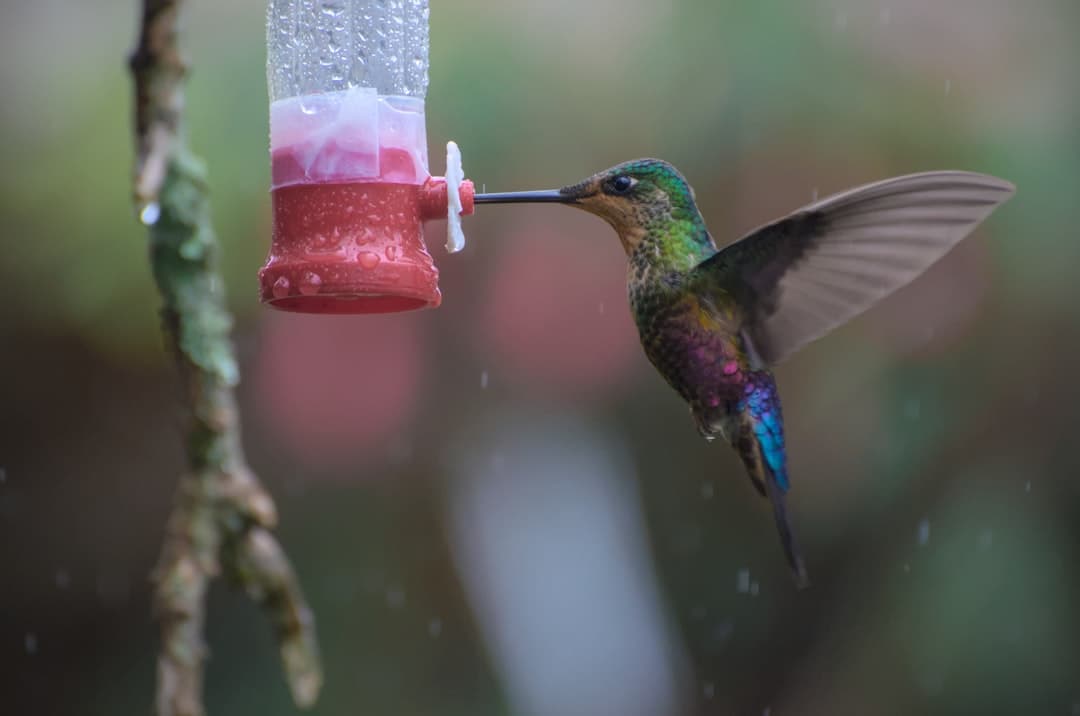
At the feeders, you can sit at close range and watch dozens of hummingbirds coming and going — an experience that is as much about photography as birding. The variety is staggering: on a good morning you might see 15–20 species at the feeders.
Target species: Empress brilliant, fawn-breasted brilliant, white-tailed hillstar, violet-tailed sylph, booted racket-tail, collared inca, buff-tailed coronet, green violet-ear, and many more. Over 40 hummingbird species have been recorded in the Jardín area.
Best time: Early morning through mid-morning (6:00–10:00 AM) is peak activity. Late afternoon (3:00–5:00 PM) also sees a feeding burst.
Access: By car or jeep from Jardín. Small entry fee (COP $10,000–$15,000). Some guided tours include the feeders as part of a full-day birding itinerary.
Photography note: The feeders are set up with good backgrounds and lighting angles specifically for photography. A 100–400mm lens is ideal. Bring a tripod if you have one — the light can be low under the forest canopy.
La Herrera — subtropical valley birding
The road to La Herrera descends from Jardín toward the Cauca River valley, passing through a lower, warmer zone that supports a different set of species. This is good birding territory for raptors, flycatchers, and birds that prefer more open, drier habitats.
Target species: Cauca guan (an endangered Colombian endemic), swallow-tailed kite, various hawks and falcons, tropical kingbird, and open-country species not found in the cloud forest.
Best time: Morning, though raptors are best seen mid-morning to early afternoon when thermals develop.
Río Jardín valley — riverside and agricultural birding
The river valley running through and below Jardín offers accessible birding without needing to hike into the forest. Walking along the river or through the agricultural landscape (coffee farms, pastures, gardens) can produce a good species list.
Target species: Torrent tyrannulet, white-capped dipper, social flycatcher, various seedeaters and grassquits, and a surprising number of species in the town gardens themselves. Keep an eye out for roadside hawks perched on fence posts.
Key target species
Here are the most sought-after species in the Jardín area and where to find them:
Andean cock-of-the-rock (Rupicola peruvianus)
The star attraction. Males are brilliant orange with a prominent head crest; females are brownish-orange. The lek at Jardín de Rocas is one of the most reliable places in Colombia to see this species. Arrive early, stay quiet, and prepare to be amazed by the display.
Difficulty: Easy — near-guaranteed at the lek with a guide.
Multicolored tanager (Chlorochrysa nitidissima)
A Colombian endemic and one of the most beautiful birds in the Neotropics. The male's plumage is an iridescent patchwork of green, blue, yellow, and gold. Found in the mid-elevation cloud forest, usually in mixed feeding flocks.
Difficulty: Moderate — requires patience and a guide who knows the feeding routes.
Cauca guan (Penelope perspicax)
An endangered species endemic to the Cauca Valley of Colombia. A large, turkey-like bird found in the subtropical forest below Jardín. Seeing this species requires a dedicated trip to the right habitat.
Difficulty: Moderate to difficult — limited range and shy behavior.
Golden-headed quetzal (Pharomachrus auriceps)
A stunning trogon with iridescent green plumage and a golden head. Found in the cloud forest, usually sitting quietly on a branch in the mid-canopy. Often heard before seen — listen for its low, mournful call.
Difficulty: Moderate — more common during fruiting season when it visits specific trees.
Hummingbirds (40+ species)
The Jardín area hosts over 40 species of hummingbird, from the tiny woodstar to the impressive sword-billed hummingbird. The feeders at Finca de los Colibríes are the easiest way to see a high diversity, but hummingbirds are also common in gardens, forest edges, and along flowering hedgerows throughout the area.
Key species to look for: Empress brilliant, violet-tailed sylph, booted racket-tail, white-tailed hillstar, long-tailed sylph, and the remarkable sword-billed hummingbird (the only bird with a bill longer than its body).
Guided tours vs. self-guided birding
Guided tours
For most visitors, a guided birding tour is the best way to experience Jardín's birds. Local guides know the trails, the species, and — crucially — where specific target birds are on any given day. A good guide can double or triple your species count compared to birding alone.
What to expect from a guided tour:
- Pick-up from your accommodation at 5:00–5:30 AM
- Transport to birding sites by jeep
- 4–8 hours of birding with breaks
- Lunch included on full-day tours
- Spotting scope and sometimes binoculars available for use
- Species list at the end of the day
Cost: Half-day tours COP $80,000–$120,000 per person. Full-day tours COP $150,000–$250,000 per person. Prices decrease for groups of 2–4 birders.
Birding tour operators in Jardín
Several local guides and companies offer birding tours. The quality of guiding in Jardín is generally very high — many guides are former farmers who grew up in the cloud forest and have exceptional knowledge of the local bird life.
Look for guides who:
- Can identify birds by song (essential in dense cloud forest)
- Have spotting scopes and know how to help clients get on the bird
- Are registered with local birding associations
- Have eBird profiles showing their species knowledge
Ask at your accommodation for current recommendations. Your hostel or hotel can usually arrange a guide with 24 hours notice.
Self-guided birding
Self-guided birding is possible in Jardín, especially around town, along the river, and on the lower forest trails. However, you will miss many species without a guide, especially in the dense cloud forest where birds are often heard but not seen.
Good self-guided spots:
- The main square and town gardens (surprisingly productive — look up)
- The riverside walk along Río Jardín
- The road toward La Herrera (walk early morning before traffic)
- Coffee farms on the outskirts of town (ask permission first)
You will need: Binoculars, a field guide (Hilty & Brown's "Birds of Colombia" or the newer "Field Guide to the Birds of Colombia" by McMullan & Donegan), and the Merlin Bird ID app (which has Colombian bird sounds).
Pro tip: Base yourself at Isla de Pascua — Early morning birding = early breakfast. Isla de Pascua's kitchen opens at 6 AM so you can fuel up before heading into the field.
Best time of year for birding in Jardín
Birding is good year-round in Jardín, but some seasons are better than others:
December–February (dry season): Excellent birding conditions. Clear mornings mean better visibility in the canopy. Mixed flocks are more cohesive and easier to follow. The cock-of-the-rock lek is active. This is also peak tourist season, so book guides in advance.
March–May (early rainy season): Breeding season for many species, which means more singing and displaying. The cock-of-the-rock display intensifies. Migratory species from North America may still be present in March. Rain usually falls in the afternoon, leaving mornings clear for birding. For detailed weather info, see our month-by-month weather guide.
June–August (dry season): Another good window. Fewer tourists than December–February. Some North American migrants begin arriving in August. Clear conditions for photography.
September–November (rainy season): The wettest months, which can make trails muddy and birds harder to find. However, fruiting trees attract tanagers and toucans, and the forest is at its greenest. Fewer birders means guides are more available and prices may be lower.
Bottom line: Visit between December and May for the best combination of weather, bird activity, and lek displays.
Essential gear for birding in Jardín
Optics
Binoculars: Essential. Bring the best pair you have — 8x42 or 10x42 are the standard birding magnifications. If you do not own binoculars, some guided tours provide them, but it is better to bring your own.
Spotting scope: Not essential but useful for the cock-of-the-rock lek and for scanning the valley. Guides usually carry one.
Camera: A telephoto lens (200mm minimum, 400–600mm ideal) is needed for bird photography. The light under the forest canopy is often dim, so a camera with good high-ISO performance is an advantage.
Clothing
- Layers. Jardín's cloud forest ranges from cool to cold, especially at dawn. Bring a fleece or light jacket.
- Rain gear. A lightweight rain jacket is essential year-round. Rain can arrive suddenly in the cloud forest.
- Neutral colors. Dark green, brown, or gray clothing helps you blend in. Avoid bright colors and white.
- Sturdy footwear. Waterproof hiking boots or trail shoes with good grip. Cloud forest trails are often muddy and slippery.
- Hat. Protects from both sun and rain, and keeps water off your binoculars.
Other essentials
- Insect repellent. Mosquitoes and other biting insects are present, especially at lower elevations.
- Sunscreen. The UV at this altitude is strong, even on cloudy days.
- Water and snacks. Birding mornings start early and can be long.
- Field guide or app. The Merlin Bird ID app works offline and includes sounds for Colombian species.
- Notebook or eBird app. Keep your species list current.
Photography tips for Jardín birding
Jardín offers exceptional bird photography opportunities, especially at the hummingbird feeders and the cock-of-the-rock lek. Here are tips for getting the best shots:
At the hummingbird feeders:
- Use a fast shutter speed (1/1000s or faster) to freeze wing motion, or a slower speed (1/60–1/250s) for artistic wing blur
- Shoot in burst mode — hummingbirds move fast
- Position yourself with the sun behind you for even lighting on the bird
- Focus on the eye — it is the key to a compelling hummingbird portrait
- A flash with a diffuser can help fill shadows without disturbing the birds
In the cloud forest:
- Expect low light. Bump your ISO and use the widest aperture your lens allows
- Mixed flocks move quickly — be ready to shoot the moment a bird appears
- Patience pays off. Find a fruiting tree and wait for birds to come to you
- Record video as well as stills — behavior footage of displaying cock-of-the-rock is spectacular
General tips:
- Arrive at sites before sunrise for the golden light
- Shoot from the same level as the bird when possible (not looking up through branches)
- Clean your lens frequently — the cloud forest is humid and mist can degrade image quality
For more on combining nature photography with hiking, check out our Cueva del Esplendor guide.
Where to Stay in Jardín
Isla de Pascua is a social hostel with a swimming pool, coworking space with 50 Mbps WiFi, and a common area that makes it easy to meet other travelers. It's steps from the main square and the best base for exploring everything Jardín has to offer.
Learn more about Isla de Pascua →Planning your birding trip to Jardín
How many days
A minimum of 2 full birding days will give you a good introduction. Three to four days allows you to visit all the major sites and build a substantial species list. Dedicated birders often spend 5–7 days to maximize their count.
Sample itinerary
Day 1: Arrive in Jardín, afternoon birding around town and the river. See our 3-day Jardín itinerary for a broader plan.
Day 2: Early morning visit to the cock-of-the-rock lek at Jardín de Rocas. Afternoon at Finca de los Colibríes for hummingbird photography.
Day 3: Full-day guided cloud forest birding on the Camino de la Herrera or Alto de las Flores.
Day 4: Morning birding toward La Herrera for Cauca guan and subtropical species. Afternoon departure or rest.
Where to stay
Stay in the town center for easy access to morning transport to birding sites. Most guided tours pick up from the main square area. For accommodation recommendations, see our where to stay in Jardín guide.
Ready to experience Jardín?
Book Now Isla de PascuaBirding ethics and conservation
Jardín's birding tourism has been a positive force for conservation — landowners who might have cleared forest for cattle now protect it for birders. To keep it that way:
- Stay on trails. Trampling vegetation damages habitat.
- Keep your distance. Do not approach nests, leks, or roosting sites beyond the designated viewing areas.
- Do not use playback excessively. Playing bird calls to attract species can stress birds and disrupt breeding. Many guides in Jardín use playback sparingly and responsibly — follow their lead.
- Support local. Hire local guides, eat at local restaurants, and stay in locally owned accommodations. Your tourist dollars directly incentivize forest conservation.
- Report your sightings. Submit your lists to eBird to help researchers track bird populations in the region.
Final thoughts
Jardín is a world-class birding destination that remains remarkably under the radar. With over 300 species, reliable access to the Andean cock-of-the-rock, stunning hummingbird photography opportunities, and knowledgeable local guides, it offers everything a birder could want — wrapped in the charm of one of Colombia's most beautiful pueblos.
The birds are here. The forest is here. The guides are ready. All you need to bring is your binoculars, your curiosity, and a willingness to wake up before dawn.
For more on planning your trip, start with our complete Jardín travel guide.