The Gallito de Roca: Jardín's Most Famous Bird
Of the more than 400 bird species recorded in the mountains and valleys surrounding Jardín, one bird dominates every conversation about birdwatching in this corner of Antioquia. It appears on local murals, business signs, and tourism brochures. Guides mention it before you even ask. Other birders will want to know if you have seen it. The Gallito de Roca — the Andean Cock-of-the-Rock (Rupicola peruvianus) — is Jardín's most celebrated wild resident, and seeing one in its natural habitat is an experience that transforms casual nature lovers into committed birdwatchers overnight.
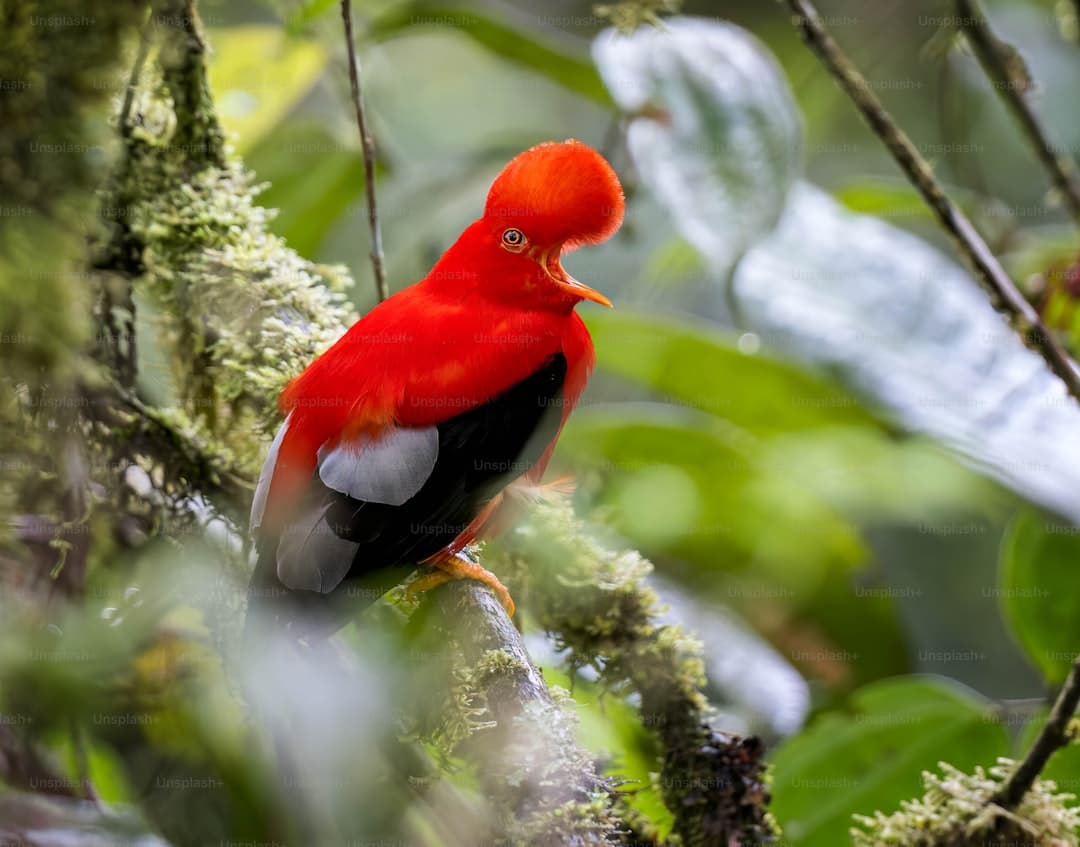
There is a reason for this. The Gallito de Roca is not subtle. It is, by any measure, one of the most visually spectacular birds on the planet — a blazing fireball of orange plumage that looks almost impossibly vivid against the deep green of the Andean cloud forest. Seeing one for the first time — perched on a mossy branch, catching a shaft of morning light, its disc-shaped crest fanned out like a satellite dish — is one of those moments that resets your understanding of what nature is capable of producing.
Appearance: A Bird That Defies Belief
The male Andean Cock-of-the-Rock is one of nature's most extravagant designs. His plumage is an intense, saturated orange-red — not the subtle orange of a sunset but the almost fluorescent orange of a traffic cone. It is a color that seems engineered to be visible from the greatest possible distance in the dim light of a cloud forest understory.
The most distinctive feature is the crest — a large, semicircular disc of feathers that sits atop the head like a permanent headdress, giving the bird its characteristic silhouette. The crest is so perfectly shaped that it looks artificial, as though someone had attached a small orange fan to the bird's skull. Combined with jet-black wings and tail, grey inner wing feathers, and bright orange legs, the overall effect is of a creature designed by a particularly bold graphic artist rather than by natural selection.
The female, by contrast, is a study in understatement — dark brown with a smaller crest, built for camouflage rather than display. She blends into the forest so effectively that many birders walk past females without ever noticing them. This dramatic contrast between the sexes is a classic example of sexual dimorphism, driven by the extraordinary mating rituals for which the species is famous.
The Courtship Display: Nature's Most Dramatic Performance
The Gallito de Roca is famous not just for its appearance but for its lek mating behavior — one of the most spectacular courtship displays in the bird world. Males gather at traditional display sites called leks, where they compete for female attention through an elaborate performance that combines vivid plumage, choreographed movement, and surprisingly loud vocalizations.
At a lek, multiple males claim individual display perches — typically on boulders, fallen logs, or cleared patches of forest floor near rocky outcrops. When a female approaches, the males erupt into activity. They fan their crests, spread their wings, bob and jump, and produce a series of loud, squawking calls that echo through the canyon. The display is competitive and intense — males have been observed performing for hours, vying for the female's attention through increasingly vigorous acrobatics.
The females watch, evaluate, and eventually choose a mate — typically the male with the brightest plumage, the most energetic display, and the best position at the lek. After mating, the female builds the nest and raises the chicks entirely on her own, while the males return to the lek to continue displaying.
Witnessing a lek display at dawn, with multiple males blazing orange against the moss-covered rocks of a canyon while the forest fills with their calls, is widely regarded as one of the peak birdwatching experiences in South America.
Where to See Them in Jardín
Jardín is one of the most reliable and accessible locations in Colombia to observe the Andean Cock-of-the-Rock in the wild. Two sites stand out:
Jardín de Rocas Reserve
The Jardín de Rocas is a privately managed reserve specifically established to protect a known Gallito de Roca lek. Located in the forested canyon near the Río Volcanes, the reserve offers guided visits that take you to observation points where you can watch the birds display at close range without disturbing them.
- How to visit: Book through local guides or tour operators in Jardín's main square. Tours typically depart in the very early morning.
- What to expect: A moderate hike through cloud forest to reach the lek observation area. Guides will position you at a respectful distance with clear sight lines.
- Cost: Approximately COP $40,000–60,000 per person, including guide.
Río Volcanes Canyon
The Río Volcanes canyon — the same drainage that feeds some of Jardín's swimming holes — provides natural habitat for the Cock-of-the-Rock throughout its length. The rocky cliff faces and caves along the river provide nesting sites, while the surrounding cloud forest supplies the fruit that makes up the bulk of the bird's diet. Hiking along the river in the early morning offers a chance to see the birds even outside of the established reserve.
Best Time to See Them
The Gallito de Roca is most active — and most visible — in the early morning, particularly during the first two hours after dawn (approximately 5:30–7:30 AM). This is when lek displays are most intense and when the males are most likely to be perched in visible locations.
The birds are present year-round, but the lek activity is particularly intense during breeding season, which varies but generally peaks during the drier months. Your guide will know the current conditions — always ask locally for the most up-to-date information.
Tips for Your Visit
- Start early. Dawn departures are not a suggestion — they are essential. The birds are most active in the cool, misty conditions of early morning.
- Dress in dark, muted colors. Bright clothing can disturb the birds. Greens, browns, and blacks are ideal.
- Bring binoculars. While the birds are often visible to the naked eye at the lek, binoculars allow you to appreciate the incredible detail of the plumage and crest.
- Bring a camera with a telephoto lens if you have one. The birds are close enough at established leks to get excellent photographs with a 200mm+ lens.
- Stay quiet. The display behavior is sensitive to noise and disturbance. Your guide will enforce silence at the observation point.
- Be patient. The birds operate on their own schedule. Some mornings, the display begins promptly; other mornings, you may wait longer.
Conservation: Protecting the Gallito and Its Habitat
The Andean Cock-of-the-Rock is not currently classified as endangered, but it depends entirely on intact cloud forest habitat — one of the most threatened ecosystems in the Andes. Deforestation, agricultural expansion, and climate change all pose long-term risks to the forests where the Gallito de Roca lives.
In the Jardín region, conservation efforts have been led by organizations including ProAves, which has worked to protect critical cloud forest habitat across the Colombian Andes. The establishment of reserves like Jardín de Rocas represents a model of conservation tourism — demonstrating that protecting habitat for birds like the Cock-of-the-Rock generates economic value for local communities through ecotourism, creating a positive incentive loop for preservation.
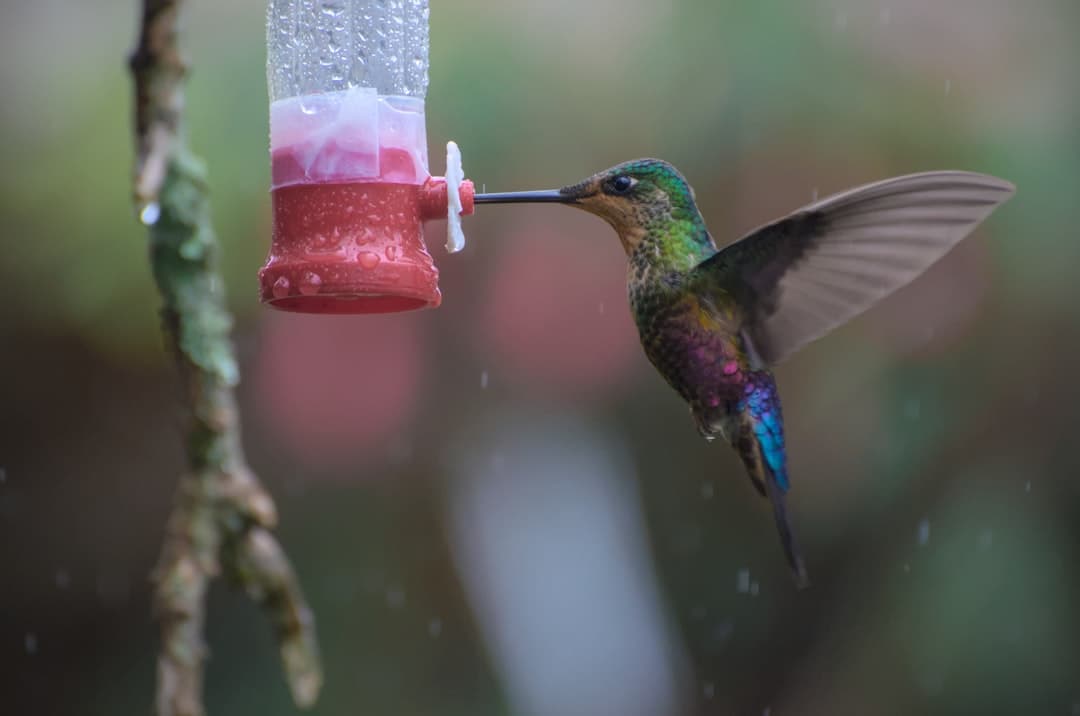
Jardín's broader avian diversity — with more than 400 species recorded in the region — makes it one of the most bird-rich areas on Earth. The Gallito de Roca is the flagship species, but the cloud forests around Jardín also shelter toucans, tanagers, hummingbirds, antpittas, and dozens of other species that draw birders from around the world. Protecting the Gallito's habitat protects this entire web of biodiversity.
More Than a Bird
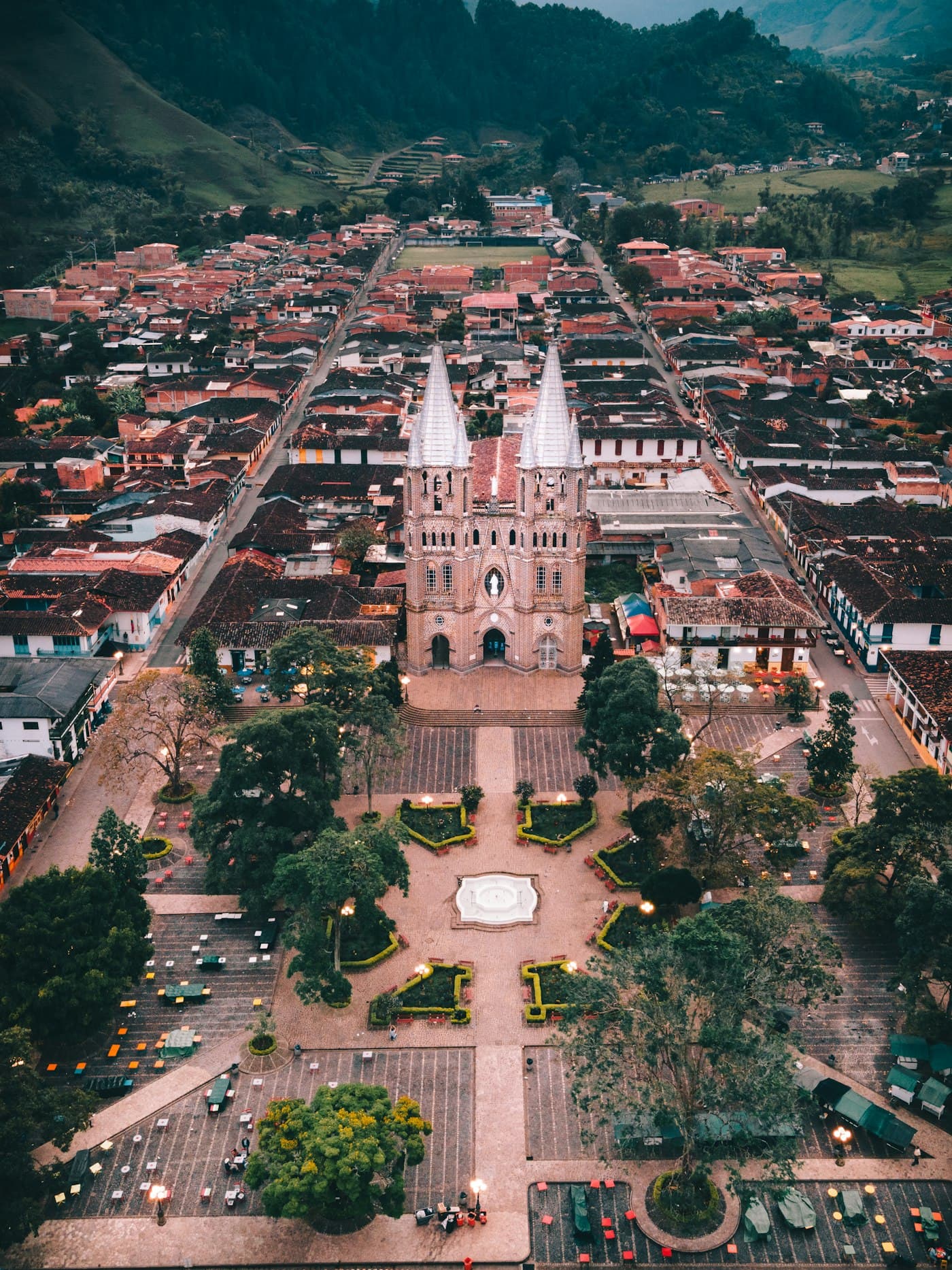
The Gallito de Roca has become a symbol of Jardín itself — an emblem of the town's extraordinary natural heritage. Its presence in the canyons and cloud forests around town is a daily reminder that Jardín is not just a pretty pueblo with good coffee and a beautiful church. It is a place embedded in one of the most biologically rich landscapes on the planet, where the boundary between human community and wild nature is thin, porous, and deeply intertwined.
Seeing the Gallito de Roca in the wild is one of those travel experiences that changes something in you — a recalibration of wonder. You can read about its orange plumage in a field guide, but nothing prepares you for the real thing: a living flame perched in the green cathedral of the cloud forest, utterly indifferent to human concepts of beauty, and yet embodying beauty in its purest, most uncompromising form.
For more on exploring the natural side of Jardín, check our complete birdwatching guide and our guide to hiking in the Andes.
Where to Stay in Jardín
Isla de Pascua is a social hostel with a swimming pool, coworking space with 50 Mbps WiFi, and a common area that makes it easy to meet other travelers. It's steps from the main square and the best base for exploring everything Jardín has to offer.
Learn more about Isla de Pascua →