There is a moment — somewhere between the last house at the edge of Jardín and the first bend in the trail where the forest closes overhead like a cathedral ceiling — when the sound of the town dissolves entirely. The roosters, the motorcycle taxis, the cumbia floating from a corner shop: all of it swallowed by the rush of water over stone. You hear the river before you see it, and when you finally step through the curtain of heliconia and wild ferns to find Charco Corazón gleaming below, the cold blue-green of the water looks like something a painter invented. It is not invented. It is simply what happens when Andean rivers spend millennia carving their way through ancient rock in one of the most biodiverse corners of Colombia.
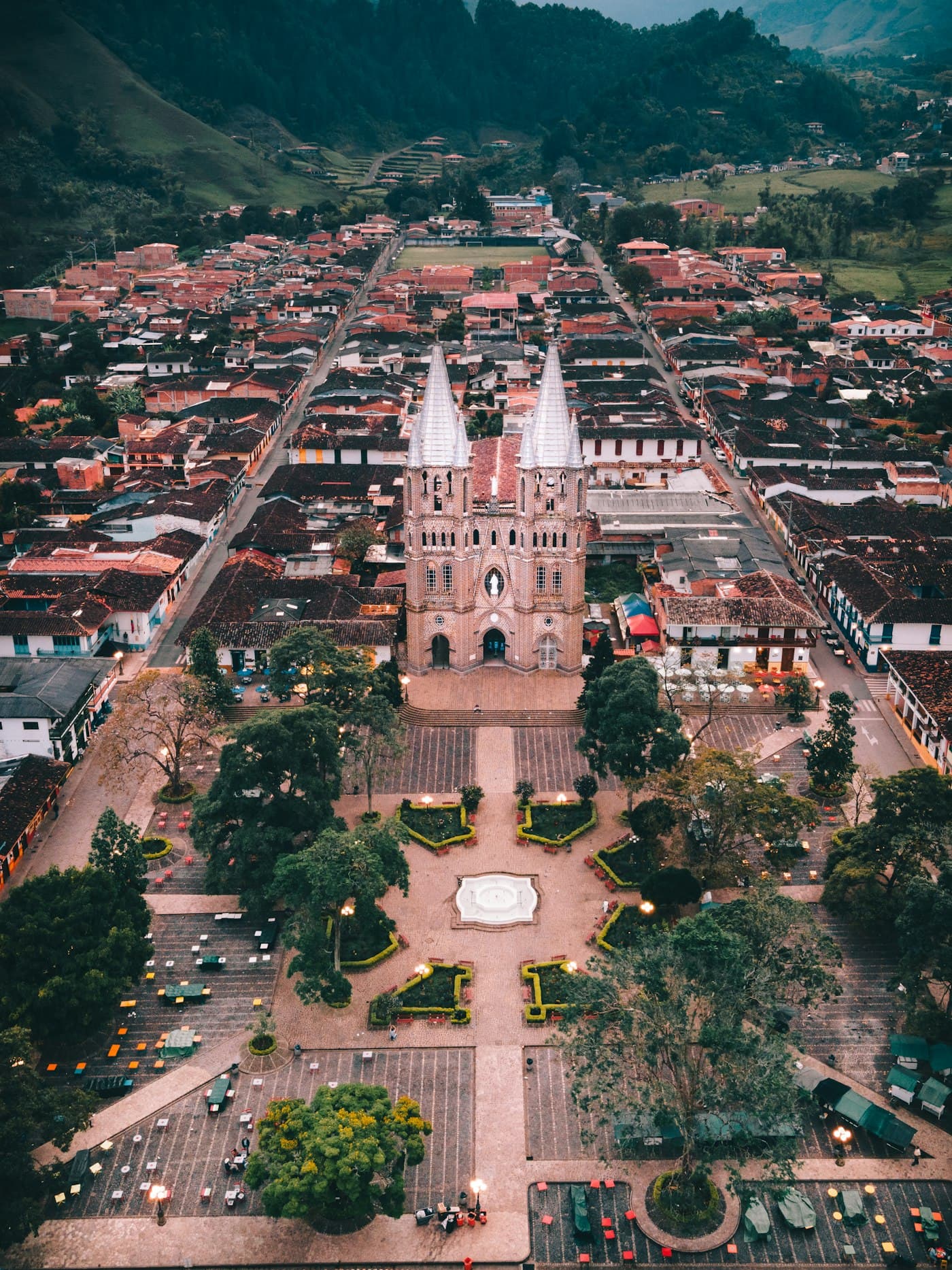
Jardín sits at 1,750 meters above sea level in southwestern Antioquia, cradled by mountains that catch clouds the way a cupped hand catches rain. Those mountains send dozens of streams cascading downward through cloud forest and coffee country, and those streams have sculpted some of the most extraordinary natural swimming pools in all of Colombia. Charco Corazón is the most famous — the one with the Instagram fame and the heart-shaped silhouette — but it is far from the only place to swim near Jardín. This is a guide to all of them: the famous and the forgotten, the easy strolls and the jungle scrambles, the pools where you will share the water with local families on a Sunday afternoon and the hidden basins where you might not see another soul.
Charco Corazón: The Heart of the River
The name means "Heart Pool," and when you stand on the mossy ledge above and look down, you understand immediately. The natural rock basin below is shaped, with uncanny precision, like a human heart — the kind you draw on Valentine's cards, not the organ in your chest. The water inside it is a luminous teal, so clear that you can count the pebbles on the bottom even where the pool drops to two meters deep. Surrounding the heart, the rock is dark and smooth, polished by centuries of current, fringed by ferns and the roots of trees that lean out over the water as if trying to drink.
Charco Corazón sits about three kilometers south of Jardín's plaza, along a tributary stream that feeds the Río Jardín in the valley toward La Linda. It is close enough to town for a half-day trip but remote enough that, once you are standing beside the water, civilization feels very far away. The pool itself measures roughly three to four meters across at its widest point, with depths ranging from knee-high at the edges to about two meters in the center. The water temperature hovers between 15 and 18 degrees Celsius year-round — cold enough to steal your breath on first contact, warm enough to become addictive after thirty seconds.
The Walk Out: Getting to Charco Corazón
The most rewarding way to reach Charco Corazón is on foot. From the main plaza in Jardín, head south past the church and down toward the Río Jardín. The walk takes between 45 minutes and an hour at a comfortable pace, following a path that passes through farmland, crosses a couple of small streams, and eventually narrows into a forest trail for the final approach. The terrain is mostly flat with gentle undulations — nothing that requires serious fitness or hiking boots, though proper footwear with grip is wise since the last section near the river can be slippery, especially after rain.
The trail is well-trodden but not always clearly signed. If you are walking for the first time, ask at your accommodation for current directions before setting out. Locals know the way instinctively, and most are happy to point you in the right direction. Alternatively, you can follow the road toward the vereda of La Linda and watch for the hand-painted sign that marks the turnoff to the charco.
By moto-taxi: Hire a motorcycle taxi from the plaza for around 10,000 to 15,000 COP one way. The ride takes about fifteen minutes and drops you at the trailhead, leaving only a short walk down to the pool. This is a practical option if you want to save energy for the swim itself.
By Jeep or guided tour: Several operators in town include Charco Corazón on half-day nature itineraries, often combining it with a coffee finca visit or a stop at another waterfall. Guided tours typically run 40,000 to 60,000 COP per person and take the logistics out of your hands entirely.
Arriving at the Water
Nothing quite prepares you for the first glimpse. You will likely hear the stream before you see it — a low, musical rush that grows louder as you descend the final stretch of trail through dense vegetation. Then the trees open, and there it is: the heart-shaped pool, glowing turquoise in the dappled light, the surrounding rocks dark and ancient, the air ten degrees cooler than the trail above.
Most visitors climb to the rocky ledge above the pool first. This is where the heart shape is most visible, and it is the spot for photographs. From up there, the geometry is remarkable — the rock has been worn into two perfect lobes that meet at a point downstream, forming the classic heart silhouette. The water within shimmers and shifts with the light.
Then comes the descent to the water's edge, and then the moment of truth. The first step in is a shock — mountain water at this altitude is seriously cold, and your body will protest. Wade slowly. Let your skin adjust. By the time you are waist-deep, the cold transforms from discomfort into exhilaration, and by the time you push off and glide into the center of the heart, you will understand why people hike an hour each way for this experience. The water is so clean it feels almost silky. Above you, a canopy of green. Around you, the sound of water on stone. Below you, a floor of smooth pebbles and the occasional darting shadow of a small fish.
Stay twenty to thirty minutes — long enough to feel completely renewed, short enough to avoid the numbness that prolonged cold-water immersion can cause. Climb out onto the sun-warmed rocks, let the tropical air dry your skin, and eat the snacks you were smart enough to bring.
Beyond the Heart: Other Swimming Holes Near Jardín
Charco Corazón is the star, but the rivers around Jardín have carved dozens of natural pools, each with its own character. Here are the ones worth seeking out.
Cascada La Escalera — The Staircase Waterfall
About a ninety-minute to two-hour hike west of town, Cascada La Escalera is a series of cascading falls that tumble down a stepped rock formation in the cloud forest. The name means "The Staircase," and the description is precise: the water descends in distinct tiers, each one ending in a natural pool before spilling over to the next level below.
The hike involves roughly 300 meters of elevation gain on trails that can be muddy and poorly marked. Rubber boots or waterproof hiking shoes are essential, and a local guide is strongly recommended for first-timers — guides charge 30,000 to 50,000 COP per person and know exactly which trail forks to take. The reward at the end is a multi-tiered waterfall set deep in the cloud forest, surrounded by bromeliads, orchids, and the constant hum of hummingbird wings. The largest pool at the base of the lower cascade is deep enough for real swimming — about three meters — and the waterfall provides a natural shower of icy, exhilarating force.
This is the swimming hole for people who want to earn their swim. The setting — steep green walls dripping with moss, the sound of water echoing off rock, the absolute solitude — makes it one of the most magical places in the Jardín area.
Río Jardín: The River That Runs Through Town
The Río Jardín itself offers several accessible swimming spots that require no serious hiking. These are the places where local families spend Sunday afternoons, where teenagers dare each other to jump from rocks, and where travelers stumble upon an impromptu river party.
Near La Garrucha: After riding the La Garrucha cable car across the river gorge, you will find informal swimming spots along the Río Jardín near the trout farms. The pools here are shallow and the current is gentle — more wading and splashing than deep swimming, but perfect for cooling off after the cable car adventure.
Downstream from town: Walk twenty to thirty minutes downstream along the river path and you will find wider, calmer sections where the river opens into natural pools between rock formations. The water is clearer here than near town, and overhanging trees provide shade. Look for the spots where locals have worn smooth paths down the bank — they know where the good swimming is.
Upstream toward the fincas: Heading upstream along the trails that lead to the coffee fincas, you will encounter swimming holes in the smaller tributaries that feed the main river. These smaller streams offer the coldest, clearest water and the most private settings. If a swimming spot is on private farmland, ask permission at the nearest finca — most farmers are happy to share the water if approached respectfully.
Charco El Mapa
A lesser-known pool about a two-hour hike from town, Charco El Mapa takes its name from a rock formation that supposedly resembles the map of Antioquia. Whether you see the resemblance depends on your imagination and possibly the angle of the sun, but the pool itself is undeniably beautiful — larger than Charco Corazón, set in a wide section of stream, fed by a small waterfall that keeps the water constantly moving and aerated. The hike involves some scrambling over rocks and a few stream crossings, and a guide is recommended for your first visit.
Cascadas de la Herrera
A series of waterfalls about five kilometers from town in the direction of Andes, forming part of a longer hiking route best done as a full-day excursion. Each cascade ends in a pool of varying depth and size, and the cumulative effect of walking from one to the next — each one more dramatic than the last, the canyon walls growing steeper, the vegetation more lush — creates a sense of ascending into some private, primal world. The largest pool at the base of the final cascade is deep enough for diving (after carefully checking the depth), and the surrounding cliffs provide natural platforms at various heights.
Swimming Spots on the Cueva del Esplendor Trail
The trail to Cueva del Esplendor crosses several rivers and passes natural pools along the way. While the cave itself sometimes restricts swimming for conservation purposes, the journey there offers impromptu opportunities to slip into the water at river crossings. During dry season, when water levels drop and currents ease, these incidental pools become some of the most pleasant swimming spots in the area — all the more enjoyable for being unexpected.
What to Bring: The Complete Packing List
The difference between a transcendent day at a natural swimming hole and a miserable one often comes down to preparation. These rivers are remote, and there are no shops, vendors, or facilities at any of the swimming spots.
Clothing and footwear: Wear your swimsuit under your hiking clothes so you can strip down quickly. Bring a quick-dry microfiber towel — cotton towels are heavy when wet and take forever to dry. Pack a complete change of dry clothes in a waterproof bag or heavy-duty zip-lock. Most importantly, bring water shoes or sport sandals with solid grip. The rocks around these pools are smooth and slippery, and a barefoot slip on wet stone can ruin your day.
Sun and bug protection: Reef-safe, biodegradable sunscreen is essential — these are pristine natural ecosystems, and chemical sunscreens damage aquatic life. Insect repellent will make the walk in and out far more pleasant, especially in the late afternoon when mosquitoes emerge. A hat and sunglasses are wise for the exposed sections of trail.
Food and water: Carry at least one liter of water, more if you are hiking to a remote spot. Pack energy-dense snacks — trail mix, fruit, a sandwich from one of Jardín's bakeries. There is nothing like eating a fresh almojábana on a sun-warmed rock beside a waterfall.
Electronics: A waterproof phone case or dry bag is non-negotiable if you want photos without anxiety. The best shots at Charco Corazón come from the ledge above, so you do not need to take your phone into the water. But rivers are unpredictable, rocks are slippery, and splashes happen.
Safety: A basic first aid kit with adhesive bandages and antiseptic is smart — scrapes from rocks are common and minor but worth treating promptly in a tropical climate where infections develop quickly.
When to Go: Seasons, Weather, and Timing
Dry season (December through March, and July through August) is unambiguously the best time for swimming. Water levels are lower, currents are gentler, visibility is extraordinary, and the trails are firm and dry underfoot. January and February are the sweet spot: warm days, crystalline water, and fewer crowds than the December holiday rush.
Transition months (April to May, September to October) are unpredictable. You might find perfect conditions, or you might arrive at a pool swollen brown with runoff from overnight rain. Check forecasts, ask locals, and be flexible with your plans.
Rainy season (May through June, October through November) brings the waterfalls to their most spectacular volume — Cascada La Escalera in full wet-season flow is genuinely awe-inspiring — but swimming becomes riskier. Some pools remain safe, but others develop dangerous currents. During rainy season, always swim with a guide, never after heavy rainfall, and accept that some spots may be off-limits for good reason.
Time of day: Mid-morning to early afternoon is ideal. The sun is high enough to warm the air and light the pools beautifully, and you will have time to dry off before the afternoon showers that are common even in relatively dry months. For the quietest experience, go on a weekday morning — weekends, especially during Colombian holidays, draw local families in numbers, and the atmosphere shifts from solitary meditation to festive picnic.
Safety: Respecting the River
Natural swimming pools are not chlorinated rectangles with lifeguards. They are wild places, shaped by geological forces and subject to weather patterns that can change conditions in hours. Respect them accordingly.
Check conditions before you go. Always ask at your accommodation or a local tour operator about current water levels and safety before heading to any swimming hole. Several days of heavy rain upstream can transform a gentle pool into a dangerous torrent, even if the sky above you is blue.
Never swim alone. This is the single most important rule, and it applies even to the calmest-looking pools. Cold water can cause cramping. Currents can be deceptive. A slip on a rock can leave you disoriented. Always have someone with you who can help or go for help.
Enter gradually. Test the depth before jumping or diving. Submerged rocks shift after heavy rains, and a pool that was two meters deep last month may have a boulder just below the surface today. Wade in, feel the bottom with your feet, and assess the current before committing to deeper water.
Watch for hypothermia. It sounds improbable in a country this close to the equator, but Jardín is at altitude, and these streams originate even higher. Water at 15 degrees Celsius will lower your core temperature with sustained exposure. Limit continuous immersion to twenty or thirty minutes. Exit immediately if you begin to shiver uncontrollably, feel numbness in your extremities, or notice difficulty thinking clearly.
Tell someone your plans. If you are heading to a remote swimming hole, inform your accommodation of your destination and expected return time. Cell phone service is unreliable outside town, and if something goes wrong, you want someone to know where to send help.
Local Customs and Etiquette
Swimming holes near Jardín are communal spaces, and understanding the unspoken rules makes the experience better for everyone.
Colombians are social swimmers. On weekends, families arrive with coolers of food, portable speakers, and the intention of spending the entire day. If you arrive to find a local gathering in full swing, you are welcome to share the water — a smile and a "buenas tardes" go a long way. Do not expect solitude on a Sunday; embrace the atmosphere instead.
Many swimming holes are on or adjacent to private farmland. If you need to cross someone's property, always ask permission. A polite "Buenos días, señor/señora, se puede pasar al charco?" will almost always be met with a friendly yes. Leaving a small tip or buying a drink from a finca that allows access is a gracious gesture.
Music at swimming holes is common and generally accepted, but keep the volume reasonable, especially at more remote spots where other visitors may have come specifically for the quiet. Read the room — or rather, read the river.
Protecting What You Found
These swimming holes exist because the ecosystems around them remain largely intact. The forests filter the water. The roots hold the banks. The absence of development keeps the rivers clean. Your job as a visitor is simple: leave no trace.
Carry out every piece of trash you bring in, including food scraps and biodegradable waste. Do not use soap, shampoo, or sunscreen that is not explicitly biodegradable in natural water sources — even "natural" products can disrupt aquatic ecosystems. Stay on established trails to prevent erosion of the riverbanks. Do not collect rocks, plants, or animals from the pools or surrounding forest.
If you see trash left by others, pick it up. It is a small act that preserves the beauty of these places for the next swimmer, the next season, the next generation.
Combining Swimming with Other Jardín Adventures
One of the pleasures of Jardín's swimming holes is how naturally they fit into a broader day of exploration. Here are combinations that work particularly well:
Coffee and cold water: Visit a coffee finca in the morning — many are in the same direction as the swimming holes — and reward yourself with a swim in the afternoon. The contrast between the warm, aromatic world of a coffee tour and the bracing cold of a mountain pool is one of Jardín's signature experiences.
Cave and river: Combine the Cueva del Esplendor hike with swimming at the river crossings along the trail. The cave hike is strenuous, and the cold water on the return journey feels like a gift.
Cable car and downstream swim: Ride La Garrucha across the gorge, explore the trout farms on the other side, and find a swimming spot along the Río Jardín before heading back to town.
Birds and waterfalls: The trail to Cascada La Escalera passes through prime birdwatching territory. Bring binoculars and a swimsuit. Start early for the birds — they are most active at dawn — and reach the waterfall by mid-morning for the best swimming light.
Sunset and swimming: Time a late-afternoon visit to one of the Río Jardín spots downstream from town. Swim as the light turns golden, then walk back to the plaza for dinner as the streetlights come on. There is no better way to end a day in Jardín.
For help building a complete itinerary, see our 3-day Jardín itinerary or the comprehensive Jardín travel guide.