The Sound of a Living Tradition
Walk through Jardín on any given morning and you will hear it before you see it — the rhythmic snap and pull of plant fibers being twisted into shape by hands that have practiced the same movements for decades. Somewhere along the quieter streets behind the plaza, a woman sits on a low wooden stool, a half-finished canasto balanced on her knee, her fingers moving with a speed and precision that make the work look effortless. Beside her, coils of sun-bleached iraca palm wait in neat bundles. A cat sleeps on a pile of finished baskets. The radio plays vallenato. This is cestería — the ancient craft of basket weaving — and in Jardín, it is not a museum exhibit or a tourist performance. It is daily life.
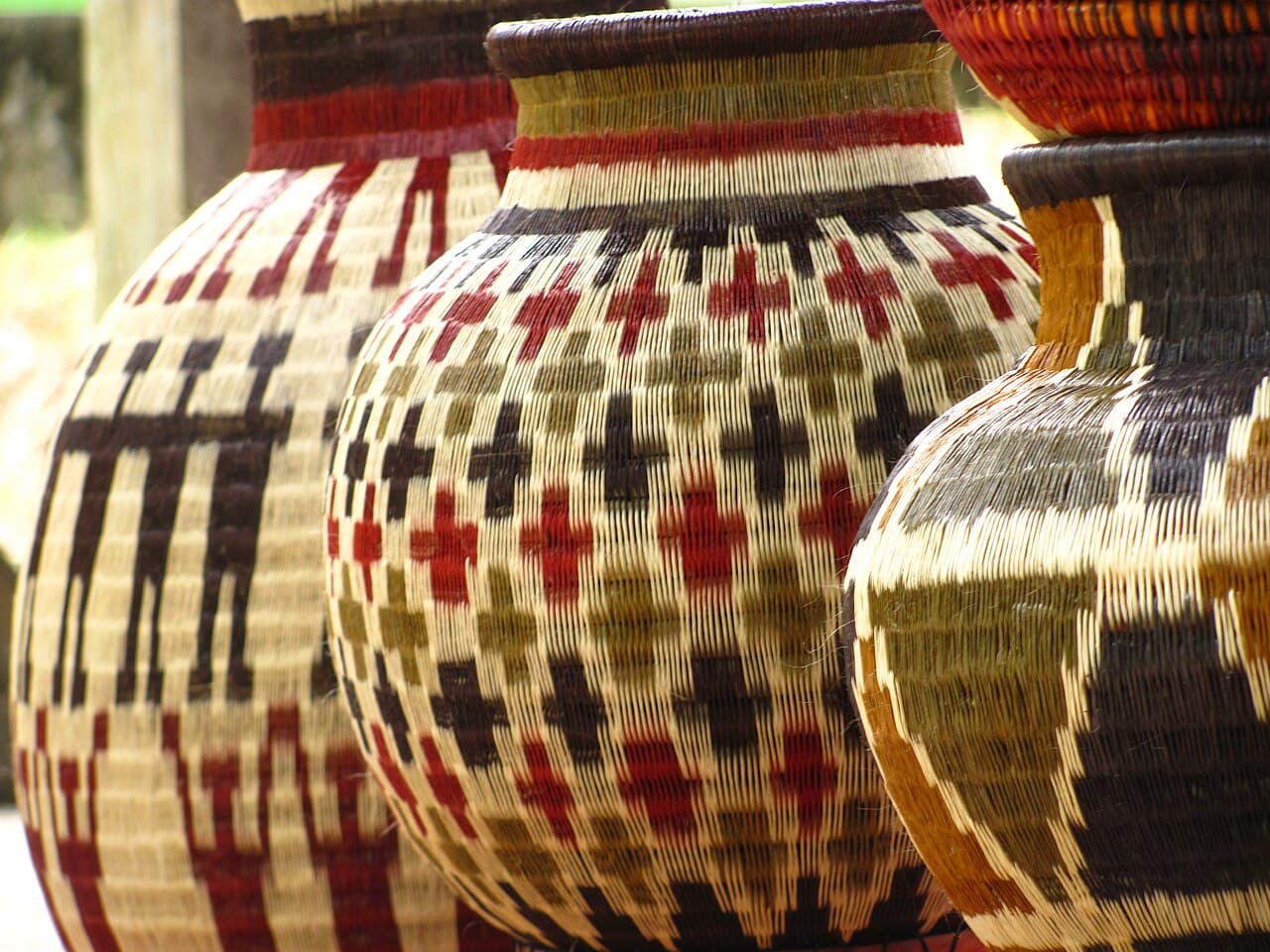
The word cestería comes from cesta, the Spanish word for basket, but the craft encompasses far more than simple containers. Artisans in Jardín produce everything from intricate serving trays and decorative wall pieces to sturdy agricultural canastos, elegant handbags, wide-brimmed sombreros, woven petacas for storing valuables, and flat aventadores used to fan cooking fires. Each piece is made entirely by hand, using natural fibers harvested from the surrounding mountains and valleys — a process that has changed remarkably little across generations.
What makes Jardín's cestería tradition particularly extraordinary is not just its antiquity but its stubbornness. In a Colombia that has modernized rapidly, where plastic bags long ago replaced woven baskets in most towns, Jardín's artisans have kept weaving. Here, in a pueblo where colonial architecture has been preserved and coffee is still picked by hand, the persistence of hand-woven basketry feels not like nostalgia but like quiet defiance — another thread in the fabric of a community that has decided, collectively, that some things are worth keeping.
Roots That Run Deep: The History of Cestería in Jardín
The roots of cestería in the Jardín region stretch back long before the town was officially founded in 1863. Indigenous communities in the Andes — particularly the Emberá and Chamí peoples who inhabited the mountains of southwestern Antioquia — developed sophisticated weaving techniques over thousands of years. They used locally available plant fibers to create containers for carrying food, storing grain, and transporting goods along mountain trade routes. For the Emberá, weaving was not merely functional; it was spiritual, a way of encoding cosmological patterns and clan identity into the geometry of everyday objects.
When Spanish colonizers and later Antioquian settlers arrived in the region, they encountered these weaving traditions and adopted many of the techniques, blending them with European basket-making methods brought from Andalusia and Castile. The result was a hybrid craft that drew on indigenous knowledge of local materials — which plants to harvest, when to cut them, how to treat the fibers — and colonial influences in form and function. The deep market basket with two handles, the wide-brimmed hat, the flat tray — these forms carry echoes of both traditions.
By the late nineteenth century, as Jardín grew into an established pueblo surrounded by coffee fincas, cestería had become indispensable to the local economy. Farmers needed canastos to harvest and transport coffee cherries. Households needed woven containers for market shopping, food storage, and dozens of daily tasks. The aventador — a flat, fan-shaped woven piece — was essential for winnowing grain and fanning the coal fires that heated every kitchen. The artisans who produced these items were valued members of the community, and their skills were passed down through family lines from grandmother to granddaughter, father to son.
The twentieth century brought plastic and industrial manufacturing to even remote Colombian towns, and many traditional crafts faded or disappeared entirely. But in Jardín, a combination of geographic isolation in the Andes Occidentales, fierce community pride, and the town's eventual recognition as a Heritage Town of Colombia helped cestería survive. In the 1990s and 2000s, as Jardín began appearing on travel itineraries, a growing market of visitors seeking authentic handmade goods gave the craft renewed economic viability. Today, a dedicated group of master artisans — some of them the last in their family lines — continues the tradition, and a handful of younger apprentices are learning to carry it forward.
The Craft: Materials Harvested from the Mountains
Iraca Palm — The Queen of Fibers
The primary material used in Jardín's cestería is the iraca palm (Carludovica palmata), a tropical plant that grows abundantly in the humid valleys and hillsides surrounding the town. The iraca is not a true palm but a palm-like plant whose long, fan-shaped leaves can be split into thin, remarkably flexible strips. When dried and properly treated, these strips become the raw material for some of the finest woven goods in Colombia. The same plant is used across Colombia and Ecuador to weave the famous toquilla straw hats — the so-called "Panama hats" that actually originated in South America.
Harvesting iraca palm is itself a skilled process that connects the artisan to the land. Harvesters — often the artisans themselves or members of their extended families — trek into the hills surrounding Jardín to select young leaves at precisely the right stage of growth. Too young, and the fibers are weak, prone to tearing during weaving. Too mature, and they become brittle, snapping instead of bending. The selected leaves are carried back to the workshop in large bundles, then split by hand into uniform strips using a thumbnail or a simple blade. The strips are sun-dried for several days, turning from bright green to the characteristic cream and golden tones of natural iraca. Some artisans boil the fibers in water mixed with lemon juice to bleach them white; others use natural dyes derived from plants, bark, and earth pigments to create rich ochres, deep browns, and muted greens.
Caña Brava — Structural Strength
For pieces that require rigidity — large agricultural baskets, the frames of sombreros, the skeletons of furniture — artisans turn to caña brava (Gynerium sagittatum), a giant cane grass that grows along riverbeds and in the wetter lowlands near Jardín. Caña brava stalks can reach several meters in height and, when split and dried, provide strong, lightweight structural elements that serve as the warp around which softer fibers are woven. A well-made canasto built on a caña brava frame will last for years of daily use on a coffee farm.
Bejuco — The Ancient Vine
Bejuco is the generic term for the woody vines that twist through Jardín's cloud forests, climbing trees in search of canopy light. Several species of bejuco are used in cestería, prized for their natural flexibility and tensile strength. Bejuco baskets tend to be rougher and more rustic than iraca palm work — they are the working baskets of campesino life, built to haul produce from steep hillside plots, to carry firewood, to hold the day's harvest. The gathering of bejuco requires knowledge of the forest: which vines are mature enough to harvest, how to cut them without damaging the parent tree, how to strip and coil them for transport back to the workshop. This knowledge, like the weaving itself, is transmitted orally across generations.
Fique — Fiber of the Andes
Fique (Furcraea andina), a type of agave that thrives in the Andean highlands, provides coarse, durable fibers traditionally used for rope, sacks, and heavy-duty woven goods. In cestería, fique appears in the thicker, sturdier products — large baskets meant for agricultural work, woven bags for carrying heavy loads on horseback, and the tough mochilas (shoulder bags) that campesinos have used for centuries. The extraction of fique fiber is laborious: leaves are cut from the plant, soaked, and then scraped to remove the pulp, leaving long, strong strands that are twisted into cord before being woven. The resulting products have an unmistakable roughness to the touch, a tactile honesty that speaks of mountain life.
The Products: From Canastos to Sombreros
Canastos — The Heart of the Craft
The canasto is the quintessential product of Jardín's cestería — a deep, round basket with two arched handles, traditionally used for carrying goods to and from market. Canastos range from small tabletop sizes to enormous containers capable of holding fifty pounds of coffee cherries. The form has barely changed in a century. Walk through the Sunday market and you will see abuelitas carrying canastos loaded with fruit, exactly as their grandmothers did. The best canastos have tight, uniform weaves that feel solid in the hand, with rims finished so cleanly that no rough fiber end protrudes.
Sombreros — Woven Shade
The wide-brimmed sombrero woven from iraca palm is one of the most iconic objects in Antioquian culture. Jardín's sombrero artisans produce hats that range from everyday working models — sturdy, functional, meant to be worn in the sun on a coffee farm — to finer dress sombreros with intricate patterns woven into the crown. A good sombrero begins with the finest, most uniformly split iraca strips and takes several days to complete. The weave is so tight that the finished hat can hold water, a test of quality that artisans apply with pride.
Petacas — Woven Treasure Chests
The petaca is a lidded woven container, historically used for storing documents, clothing, and valuables. Petacas were once as common in Colombian households as wooden chests, and in Jardín some families still use them. Today they are increasingly made as decorative pieces, their geometric patterns and satisfying proportions making them popular with visitors who recognize them as functional art. A well-made petaca clicks shut with a precision that belies its handmade nature.
Aventadores — The Woven Fan
The aventador is a flat, paddle-shaped woven fan traditionally used in kitchens to fan coal fires and to winnow dried grain. Though modern stoves have reduced the aventador's practical role, it remains a symbol of traditional Antioquian domesticity and is still produced in Jardín both for kitchen use and as a decorative piece. Its broad, flat surface makes it a canvas for geometric weaving patterns, and some artisans create aventadores that are more art than tool.
Contemporary Forms
Younger artisans in Jardín are finding new applications for traditional techniques. You will now find iraca palm woven into lampshades, plant pot covers, laptop sleeves, and even earrings and bracelets. These innovations keep the craft economically relevant for a new generation without sacrificing the core skills. The best of these contemporary pieces show a deep understanding of traditional technique applied with fresh design sensibility — they honor the tradition by proving it can evolve.
The Master Artisans: Hands That Remember
The cesteros and cesteras of Jardín — the master basket weavers — are mostly older, mostly quiet, and universally modest about their skill. Many learned the craft as children, sitting beside a grandmother or aunt, absorbing the technique through years of observation before ever attempting a piece of their own. Their hands carry a muscle memory so deep that they can weave while holding a conversation, watching television, or keeping an eye on grandchildren playing in the doorway.
Doña figures like these are the living libraries of cestería. They know which hillside produces the best iraca, which month the fibers are strongest, how humidity affects drying time, which patterns belong to which tradition. Much of this knowledge has never been written down. It exists only in the practiced hands and spoken words of people who are, in many cases, in their seventies and eighties. This is what makes the question of apprenticeship so urgent: when a master cestero dies without having transmitted their knowledge, an irreplaceable strand of the tradition is lost.
In recent years, a few cultural organizations and local government initiatives have worked to document these master artisans and their techniques, recording oral histories and photographing the step-by-step processes. But the real preservation happens the old way — through an apprentice sitting beside a master, watching, trying, failing, and trying again until the hands remember on their own.
Where to See Artisans at Work
The Workshops Behind the Plaza
The best place to see cestería in action is along the quieter streets a few blocks from the main square, generally in the direction of the river. While there is no single street officially named Calle del Cestero, locals use the term informally to describe the cluster of open-fronted workshops where artisans have worked for decades. Ask any jardinero for the talleres de cestería and they will point you in the right direction, often with a story about who makes the best canastos.
These workshops are typically ground-floor rooms in residential homes, their wide doors thrown open to the street for light and ventilation. You will see artisans sitting on low stools surrounded by bundles of palm fiber, partially finished pieces, and the simple tools of their trade — a blade, a mold, a spray bottle of water to keep the fibers supple. Most artisans are happy to have visitors watch them work, and many will explain the process with evident pride if you show genuine interest. A few words of Spanish go a long way here, but smiles and gestures work too. Do not be surprised if you are offered a tinto (small black coffee) — hospitality and craft go hand in hand.
The Main Square and Church Steps
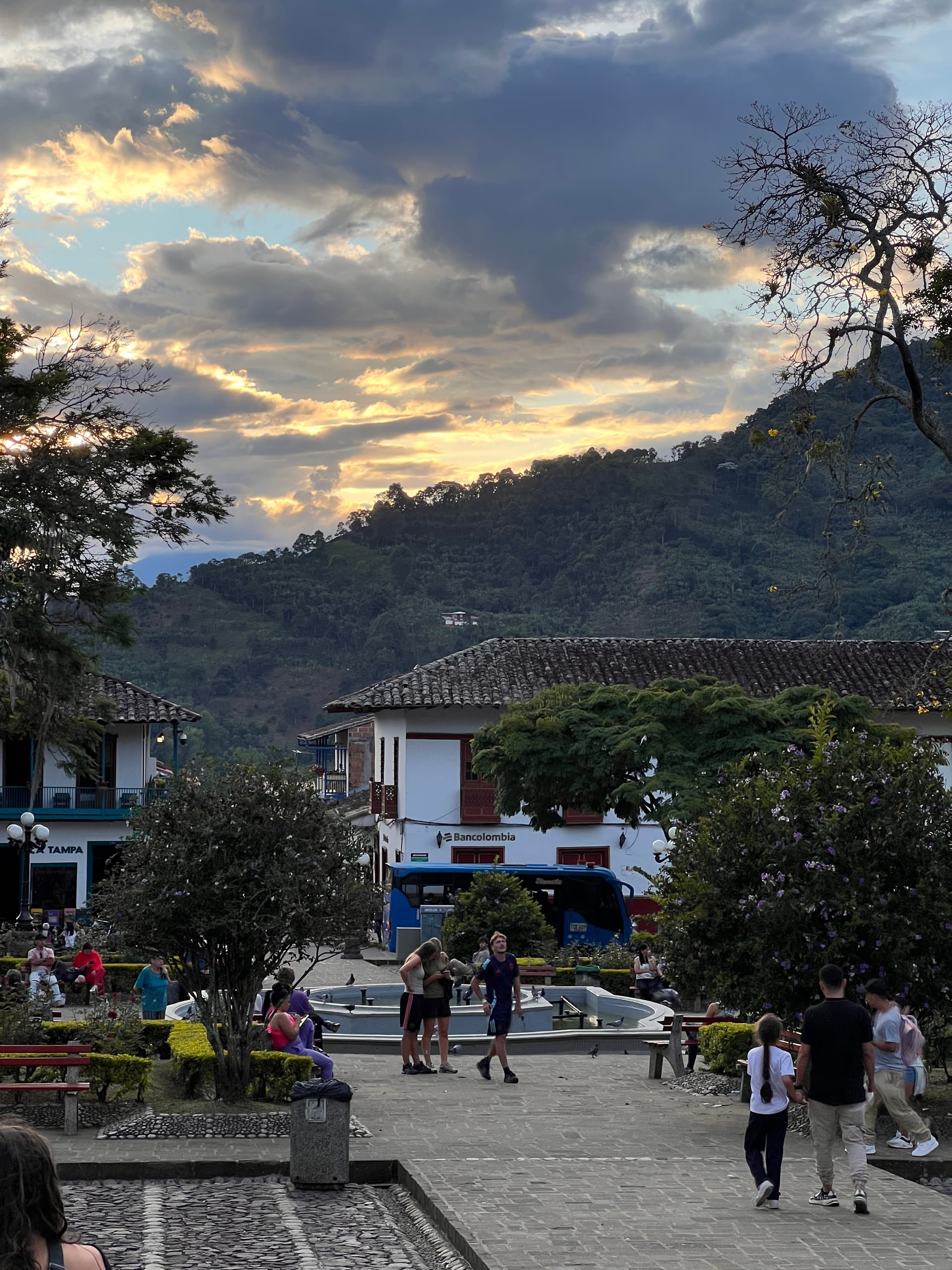
On weekends and during holidays, several cestería artisans set up stalls around the Parque El Libertador, Jardín's main square. Near the Basilica of the Immaculate Conception, you will occasionally find artisans displaying their work on the church steps or nearby sidewalks. The contrast of finely woven baskets against the imposing neo-Gothic stone of the basilica makes for a striking photograph and a reminder that sacred and secular craft traditions have always coexisted in this town.
The Saturday Market: Mercado de los Sábados
If you can arrange your visit to include a Saturday morning, do not miss the mercado de los sábados — the weekly market that transforms the streets around Jardín's plaza into a living tapestry of Antioquian agricultural and artisan life. The market has run, in one form or another, for well over a century, and it remains the social and economic heartbeat of the week for the town and its surrounding veredas.
Vendors begin arriving before dawn, setting up stalls along the cobblestone streets and under the colonnaded walkways of the plaza. By eight o'clock, the market is in full swing. The air is thick with competing aromas: freshly ground coffee from the stalls that brew tinto to order, the warm corn-and-cheese scent of arepas sizzling on plancha grills, the earthy sweetness of pyramids of panela (raw cane sugar), the green tang of just-picked cilantro and scallions piled in enormous bundles.
Among these food stalls, the cestería vendors claim their customary spots. Their displays are modest but irresistible — stacks of canastos in graduated sizes, rows of sombreros arranged by weave quality, small iraca palm trays and bags laid out on woven mats. This is where locals buy their everyday baskets, so the products tend toward the practical, though you will find decorative pieces too. The prices here are the real prices — no tourist markup, no negotiation theater. What you pay is what the basket is worth.
The Saturday market is also where you will find Jardín's other artisan traditions on display. Look for the stalls selling handmade alpargatas (espadrilles) woven from fique, crocheted mochilas in bright Andean patterns, hand-poured beeswax candles, and small carved wooden figures. The market is the craft ecosystem made visible — all these traditions feeding off the same culture of making things by hand that sustains cestería.
Arrive early. The best pieces sell quickly, the light is golden, and the market atmosphere before mid-morning has a calm, unhurried quality that gives way to bustle as the day warms. Bring cash — most vendors do not accept cards. And bring a bag, because you will almost certainly leave with more than you planned to buy.
Beyond Baskets: Jardín's Other Artisan Traditions
The Famous Painted Chairs — Sillas de Jardín
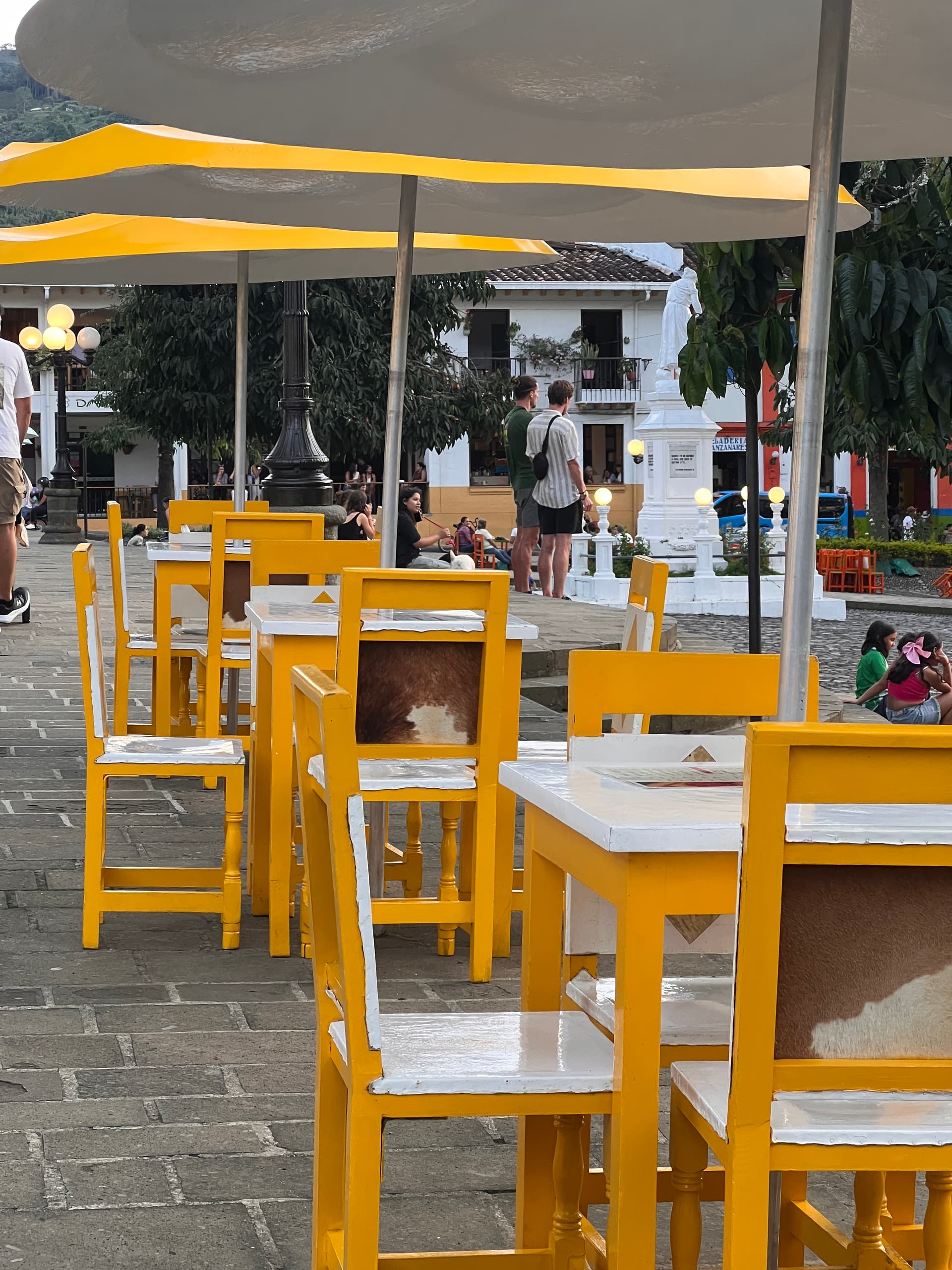
No artisan tradition in Jardín is more immediately recognizable than the sillas de Jardín — the brightly painted wooden chairs that line every sidewalk cafe, fill the plaza, and appear on postcards throughout Antioquia. These chairs, with their straight backs and woven seats, are painted in bold primary colors — red, yellow, blue, green — and often decorated with floral motifs or the name "Jardín" across the backrest.
The sillas are both furniture and folk art. Local carpenters shape them from plantation-grown wood, and painters — sometimes the same artisans, sometimes specialists — apply coats of glossy enamel in eye-catching combinations. The chairs have become so synonymous with Jardín's identity that they appear in the town's official tourism branding. Visitors frequently buy miniature versions as souvenirs, and some artisans will paint a full-size chair to custom specifications and ship it to Medellín or beyond.
What the sillas share with cestería is a commitment to handmade individuality. No two chairs are exactly alike. Each painter brings their own sense of color and proportion, and the slight variations — a brushstroke here, a pattern choice there — are what distinguish a hand-painted silla from a factory product. Together, the chairs and the baskets tell the same story: in Jardín, things are still made by human hands, with human care.
Woodcarving
Several woodcarvers in Jardín produce religious figures, decorative crosses, kitchen utensils, and ornamental pieces from local hardwoods. The tradition connects to the Catholic devotional culture that has shaped the town since its founding, and many workshops display carved santos (saints) alongside secular pieces. The best carvers work with cedro (cedar) and nogal (walnut), producing pieces with a warmth and grain that no synthetic material can replicate.
Leather Work
The leather-working tradition in Jardín is tied to the town's history as a center of mule and horse culture in the Andes. Saddlers, belt makers, and leather-goods artisans still operate workshops near the plaza, producing hand-stitched bags, belts, wallets, and sandals. The smell of tanned leather drifting from an open workshop door is one of those sensory details that lodges in memory long after you leave.
The Artisan Shops Around the Plaza
Jardín's main plaza and the streets immediately surrounding it are home to a dozen or more small shops selling locally made artisan goods. These tiendas artesanales range from serious galleries that work directly with master artisans and pay fair-trade prices, to more casual souvenir shops with a mix of local and imported goods.
For the best cestería shopping, look for shops where the owner can tell you who made each piece and where the materials came from. The most reputable shops display the artisan's name alongside their work and can describe the specific techniques used. A few shops to ask locals about: those on the south side of the plaza and along the streets leading toward the river tend to have the strongest connections to working artisans.
When buying, a few indicators help distinguish quality handmade pieces:
- Uniformity of weave: A skilled artisan produces remarkably even rows. The spacing between fibers should be consistent throughout the piece.
- Tightness: High-quality baskets have a tight, dense weave that feels solid in your hands.
- Finish: Check the edges and rim. Well-made pieces have clean, finished edges where the fibers are neatly tucked or bound.
- Material: Authentic iraca palm has a natural sheen and slight flexibility. Synthetic or mixed-material products feel distinctly different.
- Provenance: Buying directly from the artisan or from a shop that names the maker is always best.
Prices remain remarkably affordable given the labor involved. Small decorative baskets start around COP $15,000 (USD $4), while fine art pieces and complex sombreros can reach COP $150,000 or more. These prices reflect local wages and the honest economies of a small town — aggressive haggling is not the custom here and is generally considered poor form. If you are buying multiple pieces, it is perfectly reasonable to ask politely for a small discount ("Me haría un descuentico si llevo tres?"), but accept the response graciously. A basket that took eight hours to weave is worth its asking price.
Workshops and Classes: Weaving Your Own Story
Several artisans in Jardín offer hands-on workshops where visitors can learn the basics of cestería. These sessions typically last two to three hours and teach you to prepare fibers, set up a base, and weave a small piece — a coaster, a small bowl, a miniature canasto — that you take home as a souvenir and a reminder.
Workshops are informal, arranged by word of mouth or through local accommodations. Prices range from COP $30,000 to $60,000 per person, including materials and instruction. Group sizes are usually small — two to six people — which means you get genuine personal attention from the artisan teaching you. No prior experience is needed. The workshops are suitable for all ages, and the artisans who lead them are patient and encouraging. Even if your finished product looks rough compared to their masterworks, you will leave with a visceral appreciation for the skill and patience the craft demands — and a new understanding of why these artisans deserve fair compensation for their labor.
The act of weaving, even clumsily, even briefly, changes how you see cestería. Once you have felt the resistance of a fiber, struggled to keep your rows even, and experienced the meditative rhythm of the work, a finished basket is no longer just an object. It is a record of time, attention, and skill.
Supporting Fair-Trade Artisan Work
Buying cestería in Jardín is one of the most direct ways to support the local economy and help preserve a craft that might otherwise follow dozens of other Colombian artisan traditions into obscurity. Unlike many souvenir industries where profits flow to middlemen and manufacturers far from the point of sale, purchasing in Jardín puts money directly into the hands of the people who do the work.
But fair trade means more than just buying. It means paying the asking price without resentment, recognizing that a basket priced at COP $40,000 represents a full day's labor by a skilled human being. It means choosing the shop that names its artisans over the one that sells anonymous goods. It means taking a workshop, because the income supplements artisans' earnings and creates an economic reason for younger people to learn the trade. It means sharing your purchases on social media and tagging Jardín, because visibility creates demand, and demand creates livelihoods.
Several organizations in the region work to support artisan communities through fair-trade certification, cooperative marketing, and skills training. Ask at the shops around the plaza which ones participate in these programs. Your choice of where to spend your money is, in a small but real way, a vote for the kind of economy you want to exist.
How Cestería Connects to Jardín's Identity
There is a reason that Jardín has preserved its basket-weaving tradition while so many other Colombian towns have lost theirs. Cestería is not separate from Jardín's identity — it is woven into it, as literally as a fiber is woven into a basket.
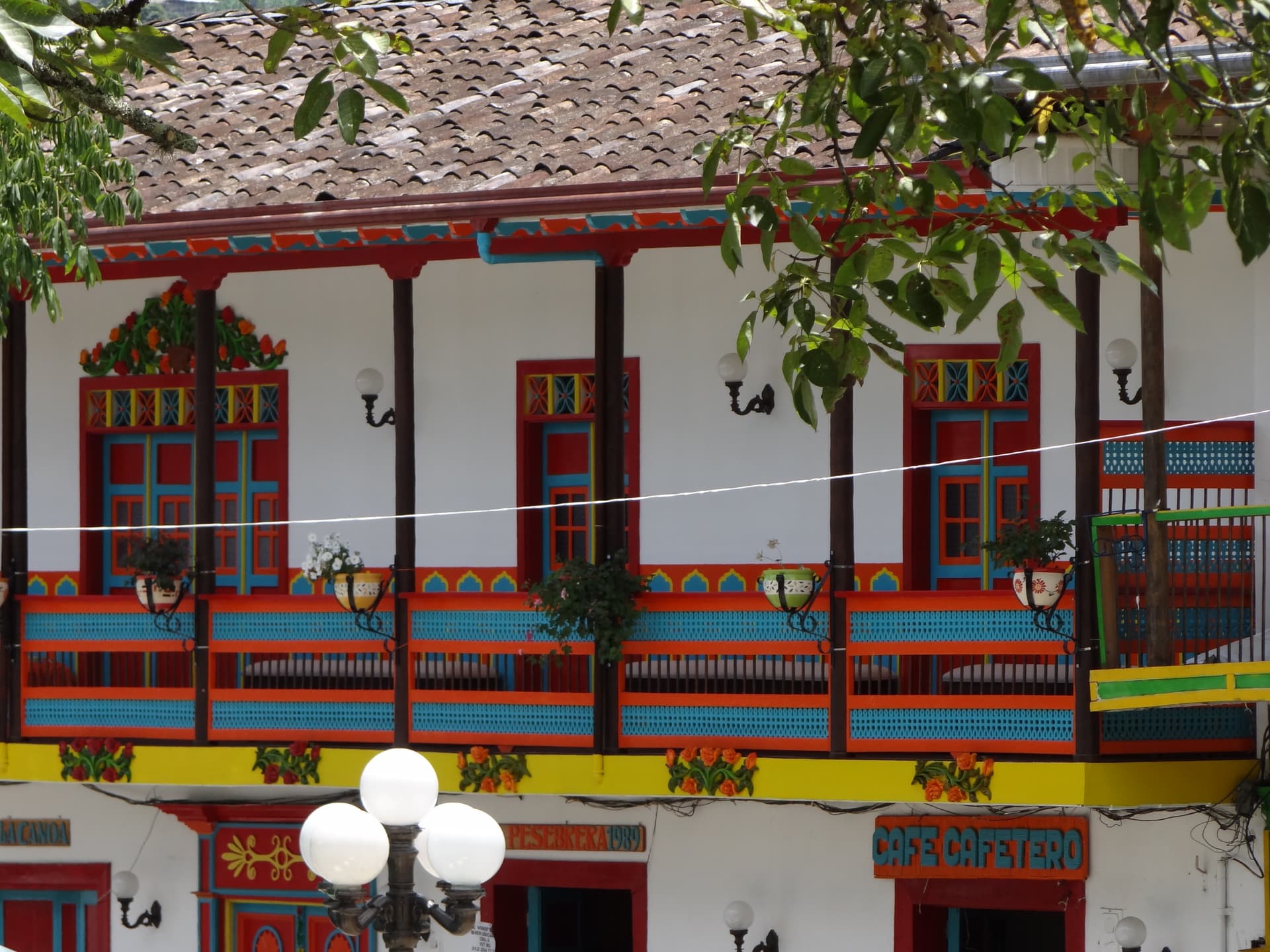
The same cultural logic that preserved the colonial architecture of the plaza, that maintained the painted sillas as a point of civic pride, that kept coffee farming artisanal when other regions industrialized — that same logic sustains cestería. Jardín is a town that has made a collective decision, conscious or not, to hold onto the things that make it distinctive. The baskets are part of that distinctiveness. They connect the town to its indigenous past, to its campesino present, and — if the tradition can be transmitted to a new generation — to a future where handmade still means something.
When you carry a canasto through the Saturday market, or hang an aventador in your kitchen, or wear a sombrero on a hike to Cristo Rey, you are participating in a story that is centuries old and still being written. The fibers in your hands were grown in the same mountains that feed the rivers, shade the coffee plants, and shelter the birds. The pattern was invented by people whose names are lost to history but whose ingenuity survives in every twist of the weave. The artisan who made it is probably still sitting in their workshop a few blocks from the plaza, starting the next one.
This is what makes cestería more than a craft. It is a form of memory — a way a community remembers itself, piece by piece, row by row, generation by generation.
Plan Your Visit
For a broader overview of everything Jardín has to offer, start with our complete travel guide. To understand the historical context behind traditions like cestería, read our piece on the history of Jardín. And if you are planning a multi-day visit, our 3-day itinerary will help you fit in artisan visits alongside hikes, coffee tours, and visits to the Basilica.
Where to Stay in Jardín
Isla de Pascua is a social hostel with a swimming pool, coworking space with 50 Mbps WiFi, and a common area that makes it easy to meet other travelers. It's steps from the main square and the best base for exploring everything Jardín has to offer.
Learn more about Isla de Pascua →Jardín's basket weavers have kept their craft alive for generations. By visiting their workshops, buying their work, and sharing their story, you become part of the reason it will survive for generations more.
Ready to experience Jardín?
Book Now Isla de Pascua