Beyond the Colonial Town
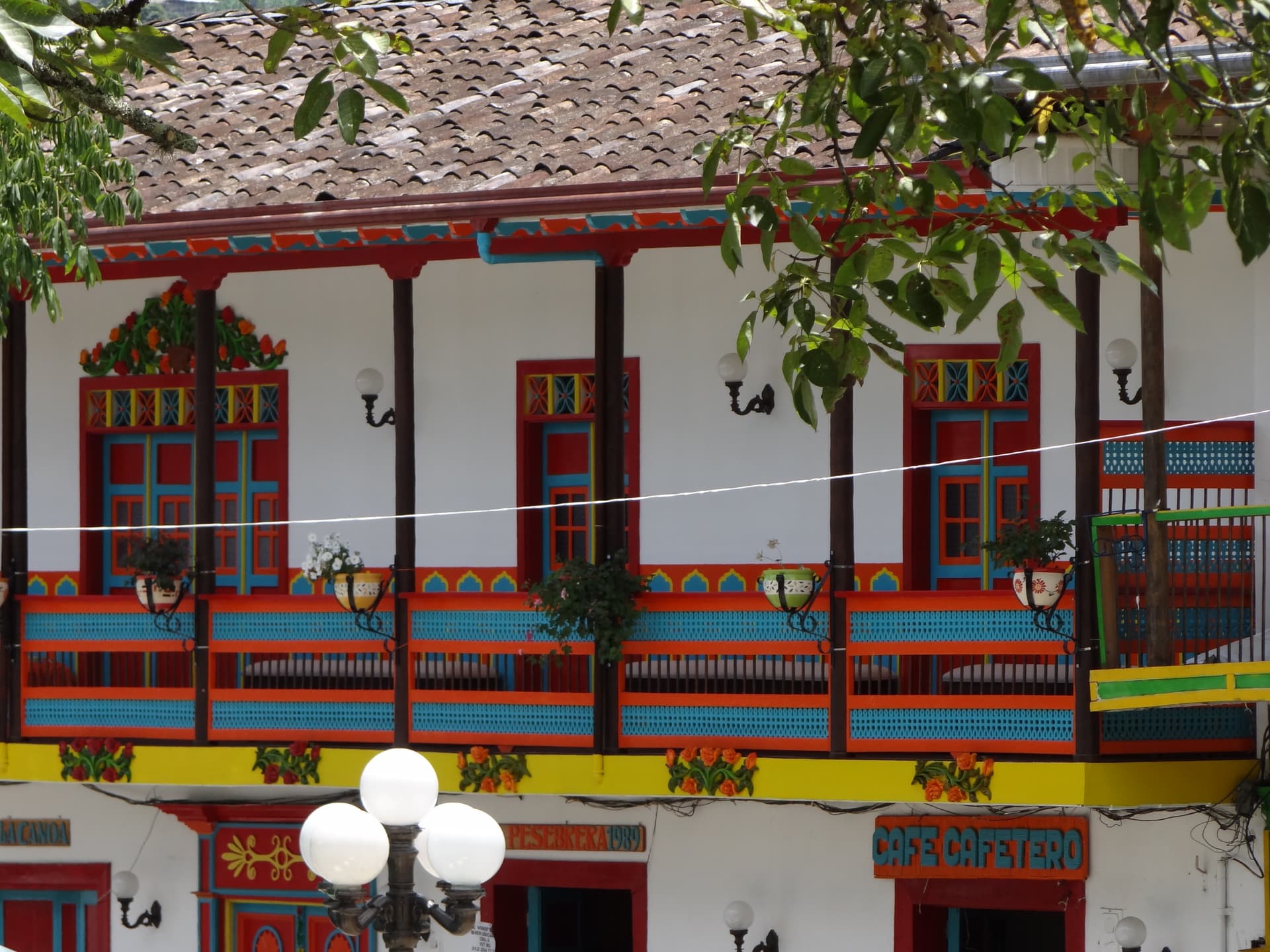
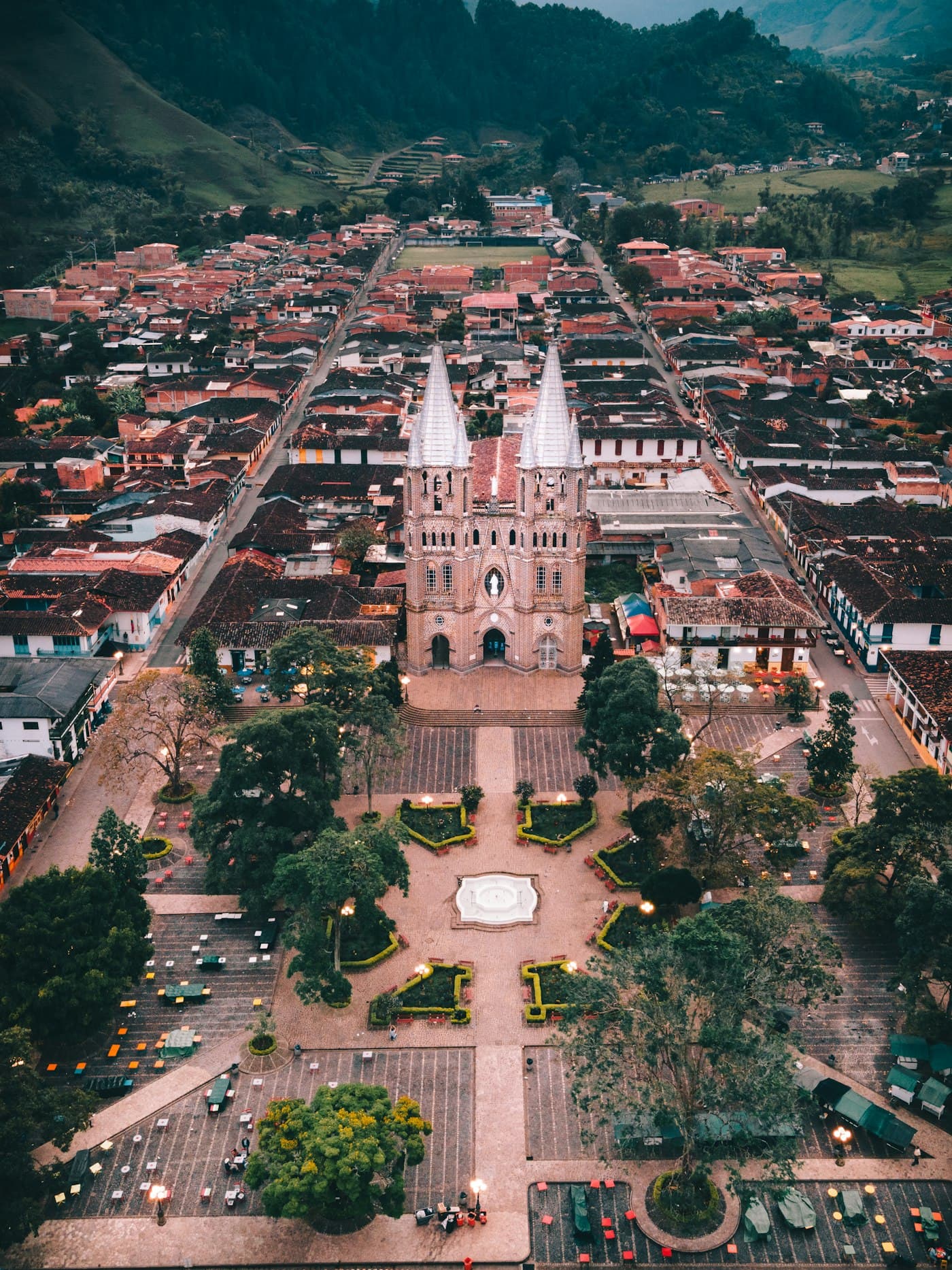
Most visitors come to Jardín for the colorful balconies, the coffee farms, and the neo-Gothic basilica rising above the plaza. These are worth every minute of your time. But there is a dimension to this region that predates the founding of Jardín by centuries — one that many travelers never encounter because they simply don't know it exists.
About 20 kilometers from Jardín's main square, in the municipality of Jardín along the road toward the Río San Juan valley, lies Karmata Rúa — also known by its Spanish name, Cristianía. It is the resguardo (indigenous reserve) of the Embera Chamí people, one of Colombia's most culturally rich indigenous communities. Their presence in these mountains is not a recent story. The Embera Chamí have inhabited the highlands of southwestern Antioquia for far longer than any colonial town has stood here.
Visiting Karmata Rúa is not like visiting a museum or attending a cultural show. It is an encounter with a living community — people who speak their own language, practice their own medicine, govern themselves according to their own laws, and continue to fight for the preservation of their territory and way of life in a rapidly changing Colombia. If you approach the experience with respect and genuine curiosity, it can fundamentally shift how you understand this corner of the Andes.
Who Are the Embera Chamí?
The Embera Chamí are one of several branches of the broader Embera people, an indigenous nation whose various groups are spread across Colombia, Panama, and Ecuador. The word "Embera" translates roughly as "people" in their language. "Chamí" refers specifically to the highland-dwelling branch, distinguishing them from the Embera Katío of the lowland river valleys and the Embera Dóbida of the Pacific coast.
In Colombia, the Embera Chamí are concentrated primarily in the departments of Antioquia, Risaralda, Caldas, and Chocó. They are an Andean people in the truest sense — their culture, agriculture, spirituality, and daily life are shaped by the mountains, the rivers, and the cloud forests that surround them. Their population in Colombia is estimated at around 80,000 to 100,000 people, making them one of the larger indigenous groups in the country, though they remain marginalized in many ways that matter.
What sets the Embera Chamí apart from many indigenous communities in Colombia is the degree to which they have maintained their cultural practices while also engaging with the broader Colombian society. At Karmata Rúa, you will meet people who are fluent in both Embera Chamí and Spanish, who hold university degrees and also participate in traditional ceremonies, who use cell phones and also consult the Jaibaná. This is not a contradiction. It is the reality of indigenous life in the twenty-first century — a constant negotiation between preservation and adaptation.
Karmata Rúa: The Resguardo
Karmata Rúa, formally established as a resguardo indígena (a legally recognized indigenous territory under Colombian law), is home to approximately 1,600 to 2,000 Embera Chamí people. The resguardo encompasses several hundred hectares of mountainous terrain near the town of Jardín, in the transitional zone between the lush coffee valleys and the higher páramo ecosystems.
The name Karmata Rúa comes from the Embera Chamí language. "Cristianía," the name used on most road signs and maps, was imposed during colonial and missionary contact — a reminder of the complex history of religious evangelization that indigenous communities across the Americas experienced. Many community members prefer the name Karmata Rúa, and using it when you visit is a small but meaningful gesture of respect.
The resguardo functions as a semi-autonomous territory. The community has its own governing council (cabildo), its own system of justice, its own school that teaches in both Embera Chamí and Spanish, and its own health practices that combine traditional medicine with access to the Colombian public health system. This self-governance is not a symbolic arrangement — it is a hard-won legal right, enshrined in the Colombian Constitution of 1991, which recognized the country's indigenous peoples as autonomous entities with collective territorial rights.
A History That Predates Jardín
When Indalecio Peláez and the Antioquian colonizers arrived in the Jardín valley in 1863, the Embera Chamí had already been living in these mountains for centuries. Archaeological and anthropological evidence suggests that the Embera people have inhabited the river systems of western Colombia for at least a thousand years, and likely much longer. Their migration patterns, oral histories, and linguistic connections to other Chocó language groups point to deep roots in the broader region spanning from the Chocó lowlands up into the Andean highlands.
The arrival of Spanish colonizers in the sixteenth century, followed by the Antioquian colonization wave of the nineteenth century, brought enormous disruption to Embera Chamí life. Their traditional territories were reduced, their populations diminished by violence and disease, and Christian missionaries worked systematically to replace their spiritual practices and language with Spanish Catholicism. The name "Cristianía" itself is an artifact of this missionary period.
Despite these pressures, the Embera Chamí of Karmata Rúa persisted. They adapted without abandoning their core identity. They learned Spanish but kept speaking Embera Chamí at home. They adopted some elements of Catholic practice but maintained their relationship with the Jaibaná and the spiritual world. They engaged in the cash economy — working on coffee farms, selling crafts — while preserving communal land ownership and collective decision-making.
The Colombian Constitution of 1991 marked a turning point. For the first time, the state formally recognized indigenous territorial rights, cultural autonomy, and the validity of indigenous governance systems. The resguardo of Karmata Rúa gained stronger legal protections, and the community gained a formal voice in the political system. But legal recognition has not solved everything. Land disputes, resource extraction pressures, and the lingering effects of the armed conflict continue to challenge indigenous communities across Colombia, and Karmata Rúa is no exception.
How to Visit Respectfully
Visiting Karmata Rúa is possible, but it requires planning and the right mindset. This is not a tourist attraction with ticket booths and scheduled shows. It is someone's home — a community that has chosen, on its own terms, to share aspects of its culture with respectful visitors as a way to generate income, build cross-cultural understanding, and assert the value of its traditions.
Arrange a community-led tour. The most important rule is simple: do not show up unannounced. The community organizes guided visits through its cabildo (governing council) and through local guides in Jardín who have established relationships with the community. Ask at your accommodation or at the tourism office in Jardín's main plaza about arranging a visit. Some local tour operators offer day trips that include transportation, a community guide, and cultural activities. Always confirm that the tour is organized in coordination with the community itself — not by an outside operator who has no relationship with the resguardo.
Go with an open mind and a willingness to listen. You are not visiting to confirm preconceptions or to collect Instagram content. You are visiting to learn, on the community's terms, about a way of life that is profoundly different from your own. Ask questions, but let your guide set the pace and the topics. Some aspects of Embera Chamí life are private and not shared with outsiders, and that boundary deserves absolute respect.
Ask before photographing. This is critical. Many indigenous communities, including the Embera Chamí, have specific feelings about photography. Some individuals are comfortable being photographed; others are not. Some ceremonies and sacred spaces are off-limits to cameras entirely. Always ask, and always accept "no" without argument.
What You Will Experience
A typical community-led visit to Karmata Rúa might include several of the following elements, depending on the arrangements made and the community's availability:
Traditional Music and Dance
The Embera Chamí have a rich tradition of music and dance that is deeply tied to their spiritual practices and their relationship with the natural world. You may witness performances featuring traditional instruments, including flutes and drums, accompanied by songs in the Embera Chamí language. These are not performances staged for tourists — they are living expressions of cultural identity that the community chooses to share. Listen with full attention. The rhythms and melodies carry meanings that go far beyond entertainment.
Storytelling and Oral History
The Embera Chamí are an oral culture. Their history, cosmology, moral teachings, and practical knowledge have been transmitted through spoken word for generations. During a visit, community elders or designated cultural leaders may share stories — creation narratives, accounts of the community's history, or lessons drawn from their relationship with the land. These stories are offered as gifts. Receive them as such.
Embera Chamí Crafts: Chaquiras, Baskets, and Body Art
One of the most visually striking aspects of Embera Chamí culture is their artisan work. The community is renowned for several distinct craft traditions:
Chaquiras (beadwork): The Embera Chamí produce extraordinarily intricate beaded jewelry — necklaces, bracelets, earrings, and elaborate pectoral pieces called okamás. These are made by hand using tiny glass beads (originally introduced through colonial trade) woven into complex geometric patterns. Each color and pattern carries symbolic meaning related to nature, spirituality, and identity. The skill required is remarkable — a single okamá necklace can take weeks to complete.
Basket weaving: Like the cestería tradition found in Jardín itself, the Embera Chamí have their own basket-weaving practice using locally sourced plant fibers. Their baskets are both functional and beautiful, often featuring distinctive patterns.
Jagua body painting: The Embera Chamí practice body painting using the juice of the jagua fruit (Genipa americana), which produces a deep blue-black dye that stains the skin temporarily. The geometric designs painted on the face and body are not merely decorative — they serve protective, spiritual, and identity-marking functions. During some community visits, guests are offered the opportunity to receive jagua designs themselves, which is a genuine honor.
When you purchase crafts directly from artisans at Karmata Rúa, the money goes directly to the makers and to the community. This is one of the most meaningful ways you can support indigenous cultural preservation.
The Jaibaná: Spiritual Leadership
At the heart of Embera Chamí spiritual life is the Jaibaná — a figure who serves as healer, spiritual guide, and intermediary between the human world and the world of spirits. The Jaibaná is not a priest in the Western sense. They are a person who, through years of training and spiritual discipline, has developed the ability to communicate with the jais — the spirits that inhabit the natural world.
The Jaibaná heals illness (understood in the Embera Chamí worldview as spiritual imbalance), protects the community from harm, guides important decisions, and performs ceremonies that maintain the harmony between humans and nature. Their knowledge encompasses medicinal plants, ritual practices, and a cosmological understanding of the world that is vastly different from Western frameworks.
Visitors will not typically witness a Jaibaná ceremony — these are sacred and private. But your guide may explain the role of the Jaibaná in community life, and understanding this figure is essential to appreciating the depth of Embera Chamí culture. The Jaibaná represents a knowledge system that has been refined over centuries, and its continued practice is a testament to the community's commitment to cultural preservation.
The Embera Chamí Language
The Embera Chamí language belongs to the Chocó language family, a group of related languages spoken by various Embera and Wounaan peoples across Colombia and Panama. It is a tonal language with a grammatical structure very different from Spanish, and it is the primary language of daily life within Karmata Rúa.
A few basic words you might hear during a visit:
- Embera — people
- Drua — land, territory
- Jai — spirit
- Jaibaná — spiritual healer (literally, one who possesses jai)
- Dachi — our, ours
The survival of the Embera Chamí language is not guaranteed. Like indigenous languages worldwide, it faces pressure from the dominance of Spanish in education, media, and economic life. The community school at Karmata Rúa teaches in both languages, and elders actively work to pass on not just vocabulary but the stories, songs, and ceremonial language that give the words their full meaning. When you hear Embera Chamí spoken during your visit, you are hearing a language that carries a thousand years of accumulated knowledge about these mountains.
Land Rights and Cultural Preservation
It would be dishonest to write about Karmata Rúa without acknowledging the ongoing challenges the community faces. The Embera Chamí's struggle for land rights did not end with the 1991 Constitution. Throughout Colombia, indigenous resguardos face encroachment from agricultural expansion, mining interests, infrastructure projects, and the lingering effects of decades of armed conflict. Karmata Rúa, situated in a region of agricultural importance, has experienced its share of these pressures.
The community also navigates the tension between cultural preservation and economic survival. Young Embera Chamí people face the same pull toward urban centers and wage labor that indigenous youth experience worldwide. Maintaining fluency in the Embera Chamí language, continuing traditional crafts, and sustaining spiritual practices all require active effort in a world that often does not value or support these things.
Cultural tourism — when done responsibly — is one avenue through which the community generates income while also reinforcing the value of its traditions. When visitors come to Karmata Rúa and express genuine interest in Embera Chamí culture, it sends a message to the community's young people that their heritage has worth beyond the borders of the resguardo. This is why how you visit matters as much as whether you visit.
Practical Information
How to Arrange a Visit
- Ask locally in Jardín. The tourism information point on the main plaza can direct you to guides and operators who work with the Karmata Rúa community. Your accommodation can also help arrange a visit.
- Local tour operators offer organized day trips that typically include round-trip transportation, a community guide, and cultural activities. Expect to pay approximately 80,000 to 150,000 COP per person, depending on the group size and activities included. Confirm that the operator has a direct relationship with the community.
- Getting there independently is possible by bus or vehicle along the road from Jardín toward Andes. The resguardo is signposted. However, even if you travel independently, you should have prior contact with the community to arrange a guided experience. Arriving without notice is not appropriate.
What to Bring
- Cash in Colombian pesos for purchasing crafts and paying guide fees. There are no card readers at the resguardo.
- Water and sun protection. The terrain is mountainous and can be warm at lower elevations.
- A respectful attitude and genuine curiosity.
- A light rain jacket — weather in the Andean foothills changes quickly.
What NOT to Do
- Do not photograph without permission. This cannot be stated enough.
- Do not touch sacred objects or enter restricted areas without explicit invitation.
- Do not bring alcohol or drugs into the community.
- Do not bargain aggressively over craft prices. The prices asked by Embera Chamí artisans reflect the true labor and skill involved. If anything, their work is underpriced relative to its quality and cultural significance.
- Do not treat the visit as a performance. You are a guest in someone's home and community. Act accordingly.
- Do not make promises you cannot keep. If you tell someone you will send photos or stay in touch, follow through.
Why This Matters for Your Jardín Experience
Jardín is often described as one of Colombia's best-preserved colonial towns, and that description is accurate. But "colonial" is not the whole story of this region. The mountains, rivers, and valleys around Jardín were home to indigenous peoples long before the first Antioquian settlers arrived, and the Embera Chamí of Karmata Rúa are the living descendants of that deeper history.
Visiting the resguardo does not diminish Jardín's charm — it deepens it. It adds a layer of understanding that transforms the Andean landscape from a scenic backdrop into a storied territory, one where different peoples with different worldviews have coexisted, clashed, and negotiated for centuries. You begin to see the mountains differently when you understand that they are not just geological formations but living entities within the Embera Chamí spiritual framework.
Colombia is a country of extraordinary cultural diversity, and few places make that diversity as accessible as the Jardín region. Within a single day, you can drink coffee grown by Antioquian farming families, explore a neo-Gothic basilica built by community labor, and sit with Embera Chamí elders listening to stories told in a language that predates the Spanish conquest. That layered experience is rare, and it is worth the effort to seek it out.
Supporting Indigenous Communities Beyond Tourism
If your visit to Karmata Rúa moves you — and it likely will — consider how you can support indigenous communities beyond the day trip:
- Buy directly from artisans. Chaquira beadwork and other Embera Chamí crafts purchased at the resguardo provide direct income to the makers.
- Learn and share. Talk about your experience with other travelers. Recommend the visit. The more people understand and value indigenous cultures, the stronger the case for their protection.
- Support organizations working on indigenous land rights and cultural preservation in Colombia, such as ONIC (Organización Nacional Indígena de Colombia).
- Respect the narrative. When you share your experience, center the Embera Chamí perspective, not your own feelings of discovery. Their story is not about you finding them — it is about them choosing to share a piece of their world with you.
The Embera Chamí of Karmata Rúa are not relics of the past. They are a contemporary community navigating the same modern world you inhabit, doing so while carrying forward a cultural inheritance of immense depth and beauty. Visiting them with respect is one of the most meaningful things you can do during your time in the Jardín region.