Manuel Mejía Vallejo: Jardín's Literary Giant
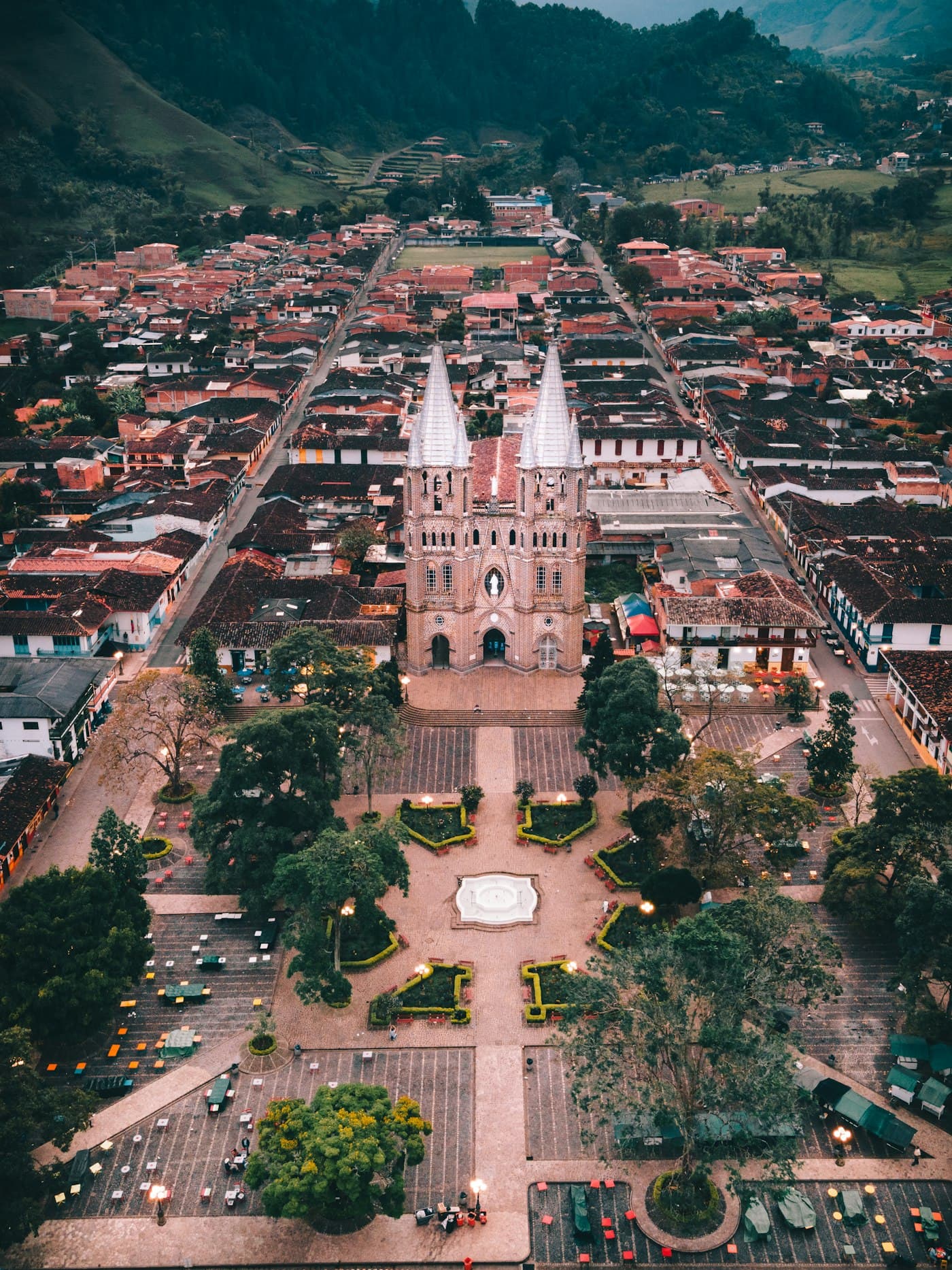
Jardín has given the world many things — extraordinary coffee, a neo-Gothic basilica that defies its mountain setting, and some of the most stunning landscapes in the Colombian Andes. But perhaps its most profound gift to Colombian culture is a writer: Manuel Mejía Vallejo, one of the most important novelists in Latin American literature, a man who carried the mountains, rivers, and people of Jardín into some of the twentieth century's finest Spanish-language prose.
If you wander through Jardín today, you will find Mejía Vallejo everywhere — not in monuments or museums (though those exist), but in the landscape itself. The misty veredas, the coffee-scented mornings, the old men playing dominoes in the plaza, the sound of the Río Trujillo below the town — these are the raw materials from which he built his literary world. To understand Mejía Vallejo is to understand Jardín at a deeper level than any guidebook can offer.
A Childhood in the Mountains
Manuel Mejía Vallejo was born on April 23, 1923, in Jericó, Antioquia, another historic town in southwestern Antioquia. He spent his childhood in the countryside around Jardín, growing up in the green mountains above the town. His family were campesinos — coffee growers and farmers who lived close to the land in the way that rural Antioqueños had for generations. His childhood was shaped by the rhythms of agricultural life: the coffee harvests, the rainy seasons, the long walks along mountain trails to school, the stories told by firelight in the evenings.
This rural upbringing gave Mejía Vallejo something that would define his entire literary career: an intimate, almost cellular knowledge of the Andean countryside and its people. He did not write about rural Colombia from a distance or through the romantic lens of an urban intellectual. He wrote from the inside, with the authority of someone who had picked coffee cherries, ridden mules through mountain fog, and listened to the oral histories of campesinos who had never read a book but who possessed a storytelling tradition centuries deep.
The landscape of Jardín — its cloud forests, its rushing rivers, its steep mountain trails — became the geography of his imagination. He would carry it with him for the rest of his life, no matter how far he traveled.
The Literary Career
Mejía Vallejo left Jardín as a young man to pursue his education and literary ambitions, eventually settling in Medellín, where he became a central figure in the city's intellectual life. But his writing never left the mountains. His novels and short stories return again and again to the themes of rural Antioquia: the struggle of campesino life, the violence that periodically tore through the Colombian countryside, the complex relationships between people and the land they worked, and the stubborn dignity of communities that endured hardship with a resilience that bordered on defiance.
His first major novel, "Al pie de la ciudad" (At the Foot of the City, 1958), explored the displacement of rural people into urban environments — a theme that was devastatingly relevant to Colombia during the period known as La Violencia. The novel established Mejía Vallejo as a serious literary voice and set the stage for a career that would span decades.
Over the following years, he produced a remarkable body of work that included novels, short stories, poetry, and essays. His writing was characterized by a lyrical intensity, a deep empathy for marginalized communities, and a sense of place so vivid that readers often described feeling physically transported to the mountains of Antioquia.
The Great Prizes
Mejía Vallejo's talent was recognized with two of the most prestigious literary awards in the Spanish-speaking world.
In 1963, he was awarded the Premio Eugenio Nadal in Spain for his novel "El día señalado" (The Appointed Day). The Nadal Prize is one of the oldest and most respected literary awards in the Spanish language, and winning it brought Mejía Vallejo international recognition. "El día señalado" is a powerful exploration of violence and survival in rural Colombia, drawn directly from the landscapes and experiences of his Antioqueño childhood.
Later, in 1989, he received the Premio Rómulo Gallegos, Latin America's most prestigious literary prize, for "La Casa de las Dos Palmas" (The House of Two Palms). This novel is particularly significant for readers interested in Jardín, because it is set in the mountains above the town — in the very veredas where Mejía Vallejo grew up. The "two palms" of the title refer to wax palms, those impossibly tall trees that grow in the high Andean cloud forests, and the novel weaves a multigenerational family saga through the landscape of the Jardín highlands. It is a book that transforms the geography around you into narrative — after reading it, you cannot hike above Jardín without seeing the mountains differently.
The House of Two Palms and Vereda Macanas
For visitors to Jardín, "La Casa de las Dos Palmas" offers a literary map of the surrounding countryside. The novel is rooted in the vereda of Macanas, where Mejía Vallejo spent his childhood, and the landscapes described in its pages are not fictional inventions but real places that you can walk through today.
The wax palms, the coffee farms, the cloud forest trails, the small farmhouses perched on impossibly steep hillsides — all of these exist in the mountains above Jardín, much as they did when Mejía Vallejo was a child. Some visitors seek out the actual locations that inspired the novel, making the hike into the Macanas area a kind of literary pilgrimage. The experience of reading the book before or during your visit adds an extraordinary layer of meaning to the landscape.
His Return to the Countryside
Manuel Mejía Vallejo died on July 23, 1998, in Medellín. His remains were returned to the Antioquia countryside he loved — back to the mountains that had shaped his imagination and populated his novels, a fitting final tribute to a writer who spent his entire career transforming the stories, landscapes, and people of these small mountain towns into literature of universal significance.
Experiencing Mejía Vallejo in Jardín Today
If you want to connect with Mejía Vallejo's legacy during your visit to Jardín, here are some suggestions:
- Visit the Casa de la Cultura on the main square to learn about his life through the displays and memorabilia.
- Read "La Casa de las Dos Palmas" before your trip. The novel is available in Spanish and enriches every hike into the mountains above town.
- Hike into vereda Macanas, the area where Mejía Vallejo spent his childhood. The landscape is the landscape of his novels — cloud forest, wax palms, coffee farms, and sweeping Andean views.
- Ask locals about him. Jardineros are proud of their literary son, and older residents may have personal memories or family stories connected to Mejía Vallejo and his family.
- Attend a literary event. Jardín occasionally hosts readings and cultural events that celebrate Mejía Vallejo's legacy, particularly around the anniversary of his birth in April.
Why His Story Matters to Visitors
You do not need to be a literature student to appreciate what Manuel Mejía Vallejo means to Jardín. His story is the story of a place that produces extraordinary things — not despite its remoteness and simplicity, but because of them. The same mountains that grow world-class coffee also nurtured one of Latin America's greatest novelists. The same community that built a neo-Gothic basilica by hand also raised a boy who would go on to win the continent's highest literary honors.
Mejía Vallejo understood that small places are not small in spirit. That is the essential truth of Jardín itself, and it is the thread that runs through everything he wrote. When you walk through the plaza, drink coffee on the square, or hike into the green mountains above town, you are moving through the world that created him — and that he, in return, immortalized in prose.
Where to Stay in Jardín
Isla de Pascua is a social hostel with a swimming pool, coworking space with 50 Mbps WiFi, and a common area that makes it easy to meet other travelers. It's steps from the main square and the best base for exploring everything Jardín has to offer.
Learn more about Isla de Pascua →