Written by Marcus Weber — Germany
Stay: April 2025, 7 nights
Working Remotely From Jardín: 7 Days of Coffee, Code, and Mountains
I have been a remote software developer for five years now. In that time, I have worked from co-working spaces in Bali, cafés in Lisbon, apartments in Tbilisi, and approximately forty-seven different hostels across Latin America. I say this not to brag — although admittedly, it is a nice life — but to establish my credentials as someone who is perhaps unreasonably particular about WiFi speed, desk ergonomics, and coffee quality.
Jardín was not on my original itinerary. I had planned to spend a month in Medellín, working from the Poblado co-working scene. But after two weeks, I found myself craving something quieter. A colleague who had visited Colombia the previous year mentioned Jardín and specifically recommended Isla de Pascua. "It's not a party hostel," he said. "You can actually get work done there." That was all I needed to hear.
The Setup: WiFi, Workspace, and the Important Details
Let me address the question every digital nomad asks first: how is the WiFi?
The answer: surprisingly good. I consistently measured download speeds between 25-40 Mbps, which was more than sufficient for video calls, screen sharing, and pushing code to repositories. I had three Zoom meetings during my week in Jardín, and all three went smoothly, which is more than I can say for some allegedly "digital nomad friendly" spots in Medellín.
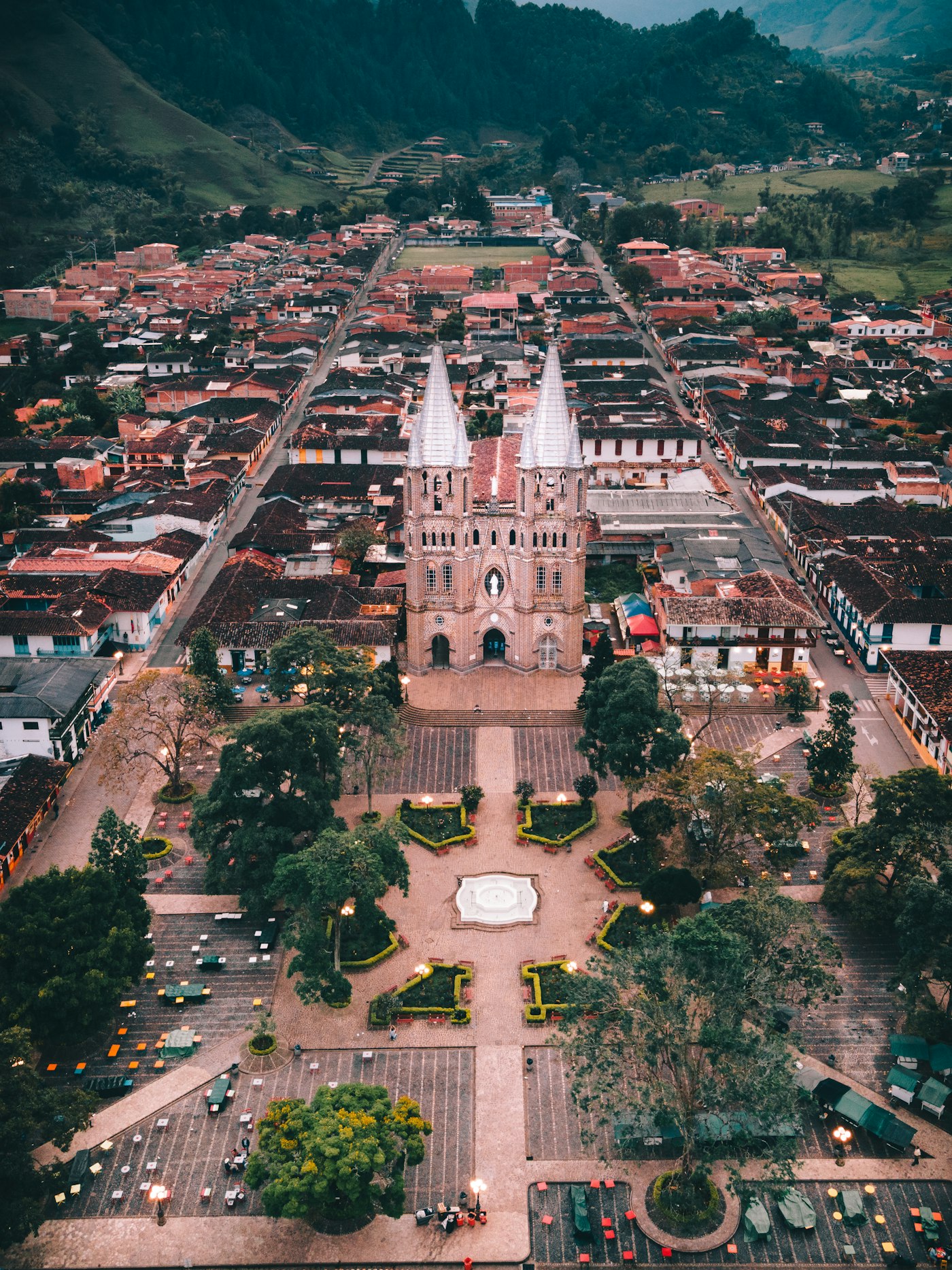
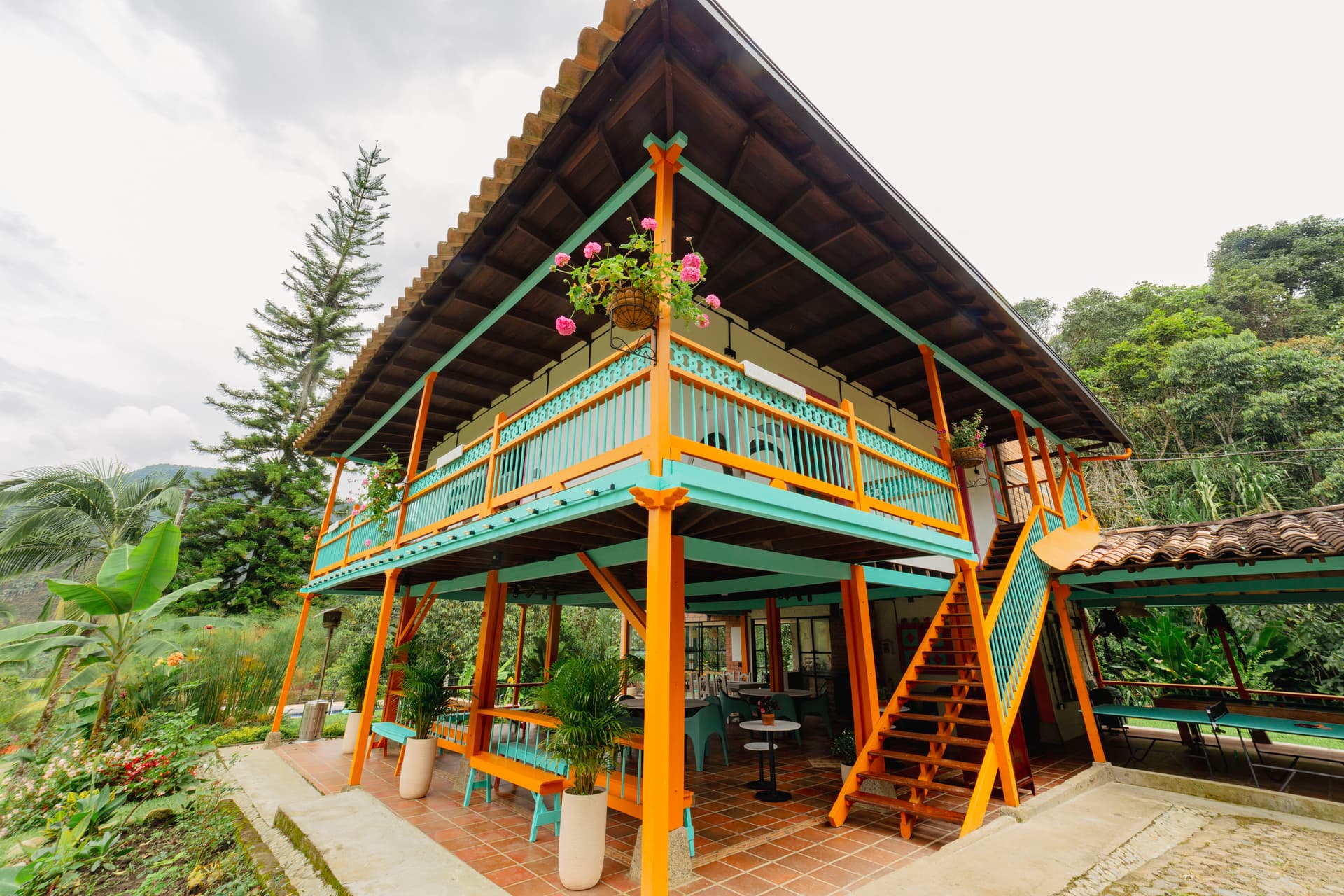
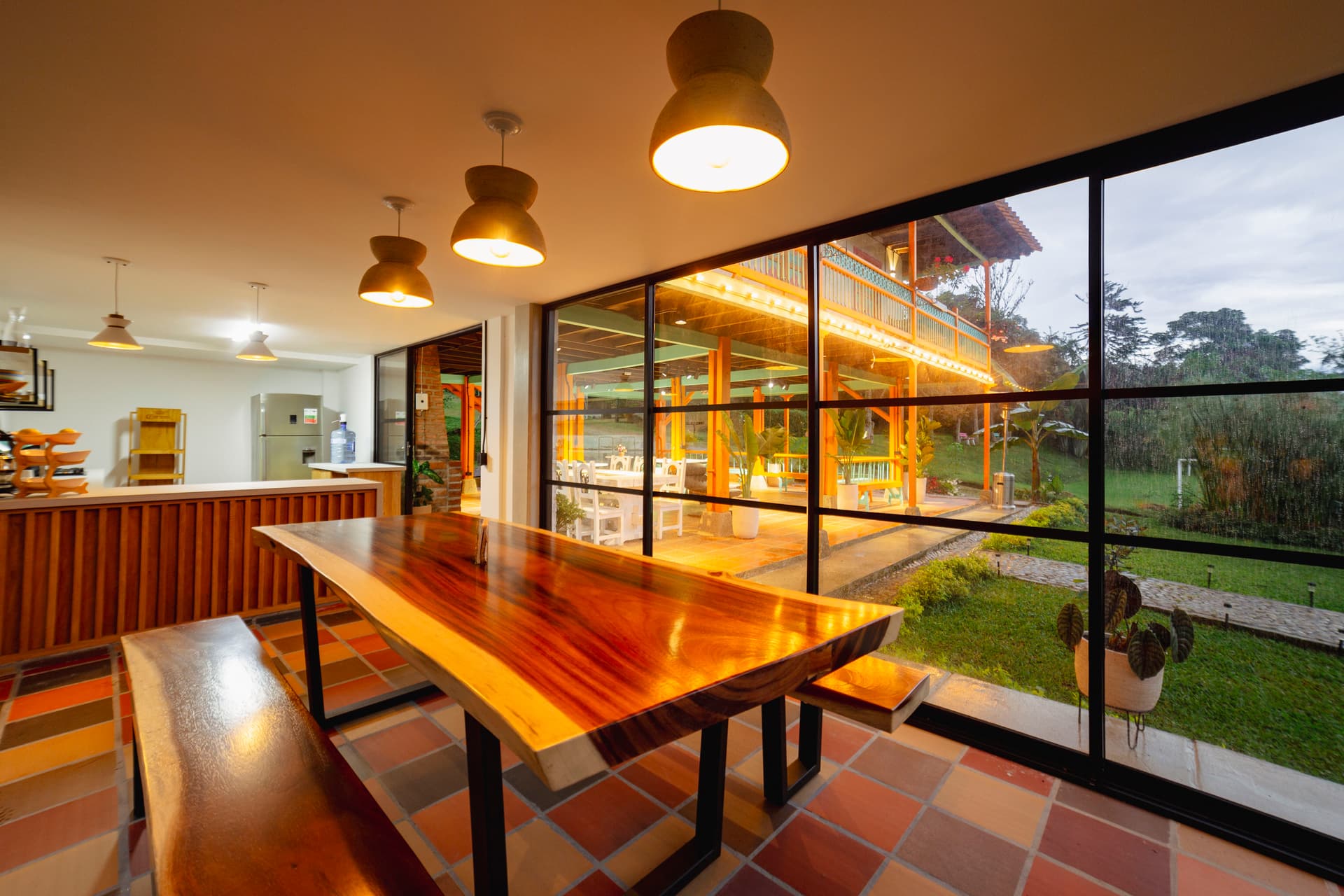
The hostel has a common area that functions beautifully as an informal co-working space. There are tables with proper chairs — not those backbreaker plastic things you find in most hostels — and enough power outlets that I never had to compete with anyone for a charge. The natural light is excellent. The views are distracting in the best possible way.
For those who need to understand the full digital nomad picture for Jardín, the town itself is evolving. There are a couple of cafés in the plaza with decent WiFi where you can work for the price of a coffee. But honestly, the setup at Isla de Pascua was good enough that I rarely felt the need to work elsewhere.
A Typical Day: Structure in Paradise
One thing I have learned about working remotely from beautiful places: without structure, you either work too much or too little. Here was my routine during the week:
6:00 AM — Wake up. This happened naturally. The roosters in Jardín are nothing if not punctual.
6:15 AM — Walk to the plaza for a tinto from one of the street vendors. COP $1,500 for a tiny cup of coffee that puts every third-wave Berlin café to shame. The plaza at this hour is magical — just a few locals setting up their shops, the Basilica catching the early light, and the mountains slowly revealing themselves through the mist.
7:00 AM — Breakfast at the hostel. Good, simple, filling. Eggs, arepa, fresh juice.
7:30 AM - 12:30 PM — Deep work session. This was when I did my serious coding. Five uninterrupted hours in the common area, fueled by coffee from the hostel kitchen.
12:30 PM — Lunch in town. I tried a different restaurant almost every day and never spent more than COP $15,000 (about USD $3.50). The restaurant scene in Jardín is remarkable for a town this size. The trout is legendary for a reason.
1:30 - 4:00 PM — Afternoon activity. This was my non-negotiable exploration time. Some days it was a hike. Some days it was the pool. Some days I just wandered.
4:00 - 6:00 PM — Second work session. Lighter work — emails, code reviews, planning.
6:00 PM onwards — Dinner, socializing, reading, early bed.
This routine gave me roughly seven productive hours of work daily while still experiencing Jardín deeply. In Medellín, I was working ten hours a day and experiencing nothing but the inside of a WeWork.
The Coffee: A Technical Appreciation
I need to talk about the coffee. As a German who has lived in Berlin — a city that takes its coffee almost as seriously as its techno — I thought I understood specialty coffee. Jardín corrected that assumption thoroughly.
I did two coffee farm tours during my week. The first was a larger operation where they walked us through the entire process from cherry to cup. The second was a smaller family finca higher up in the mountains, where the farmer himself — a man named Don Hernán who must have been seventy years old — roasted beans over a wood fire and served us coffee that tasted like chocolate and citrus and something I can only describe as "the actual mountains."
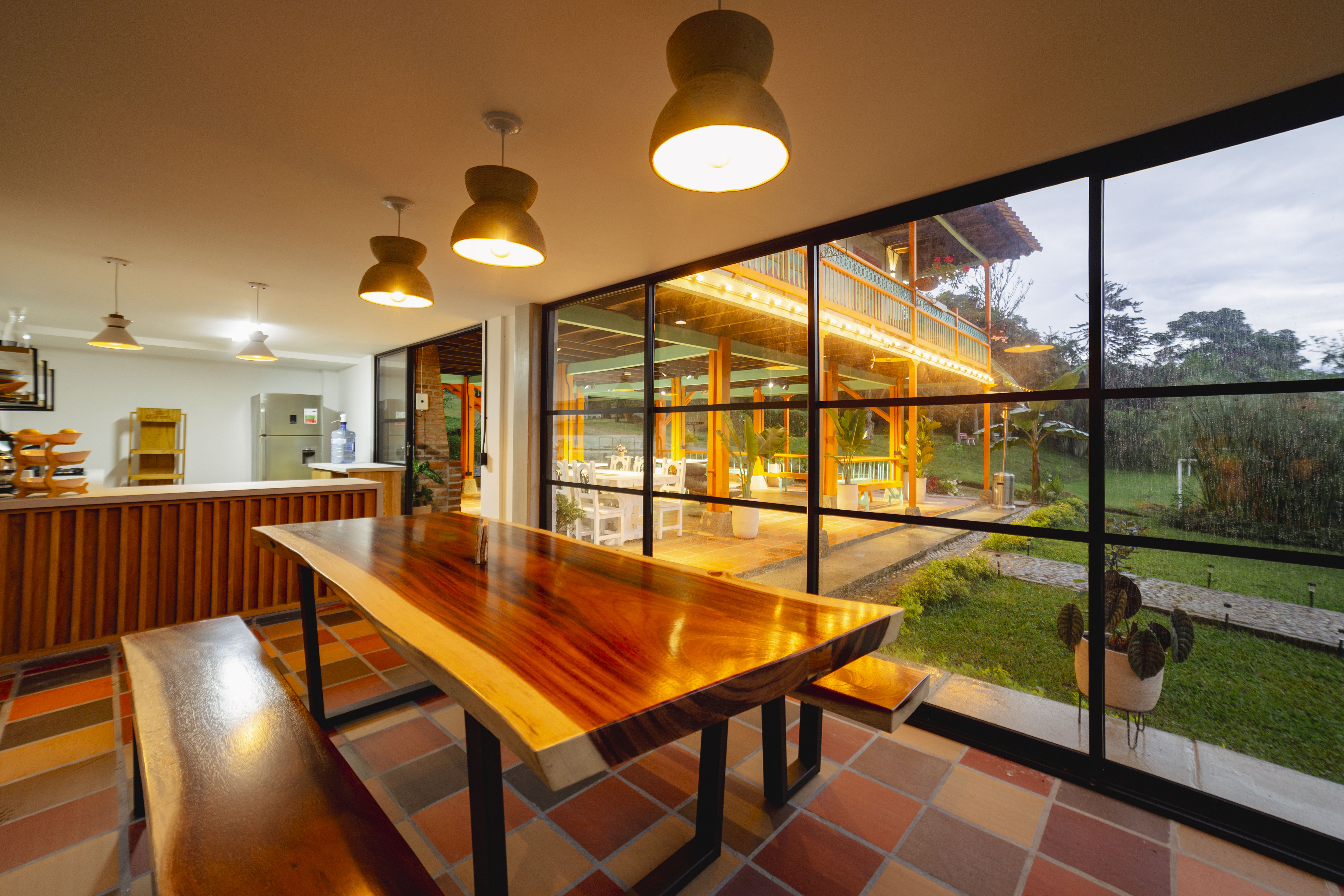
The thing about drinking coffee at origin is that it ruins you. Every cup I have had since leaving Jardín has tasted slightly disappointing by comparison. This is not a complaint — it is a warning.
The hostel staff were extremely knowledgeable about coffee and helped me arrange both tours. They also had a French press and quality local beans available in the kitchen, so my morning ritual was well catered for.
Beyond Work: What I Did With My Free Afternoons
Jardín is a place that rewards curiosity, and I tried to use my afternoon hours well.
Day 1: Walked around town, getting oriented. Visited the Basilica, which is genuinely impressive. Spent an hour in the plaza people-watching.
Day 2: Hiked up to Cristo Rey. Moderately challenging, absolutely worth it for the panoramic view. Brought my laptop thinking I might work from the top. I did not work from the top. I just sat there.
Day 3: First coffee farm tour. Life-changing. See above.
Day 4: Pool day at the hostel. Read an entire novel. Spoke to no one. It was glorious.
Day 5: Rode La Garrucha — the cable car that crosses the valley. It is a little terrifying and completely wonderful. Had a long conversation with a local farmer on the other side about his plantain crop.
Day 6: Second coffee farm tour, the small family finca. Also explored the local handicraft shops, which are fascinating — the basketwork tradition in Jardín goes back generations.
Day 7: Lazy day. Pool, reading, packing, trying not to extend my stay.
The Hostel: An Honest Assessment
I should be direct about what Isla de Pascua is and is not, because digital nomads tend to have specific needs.
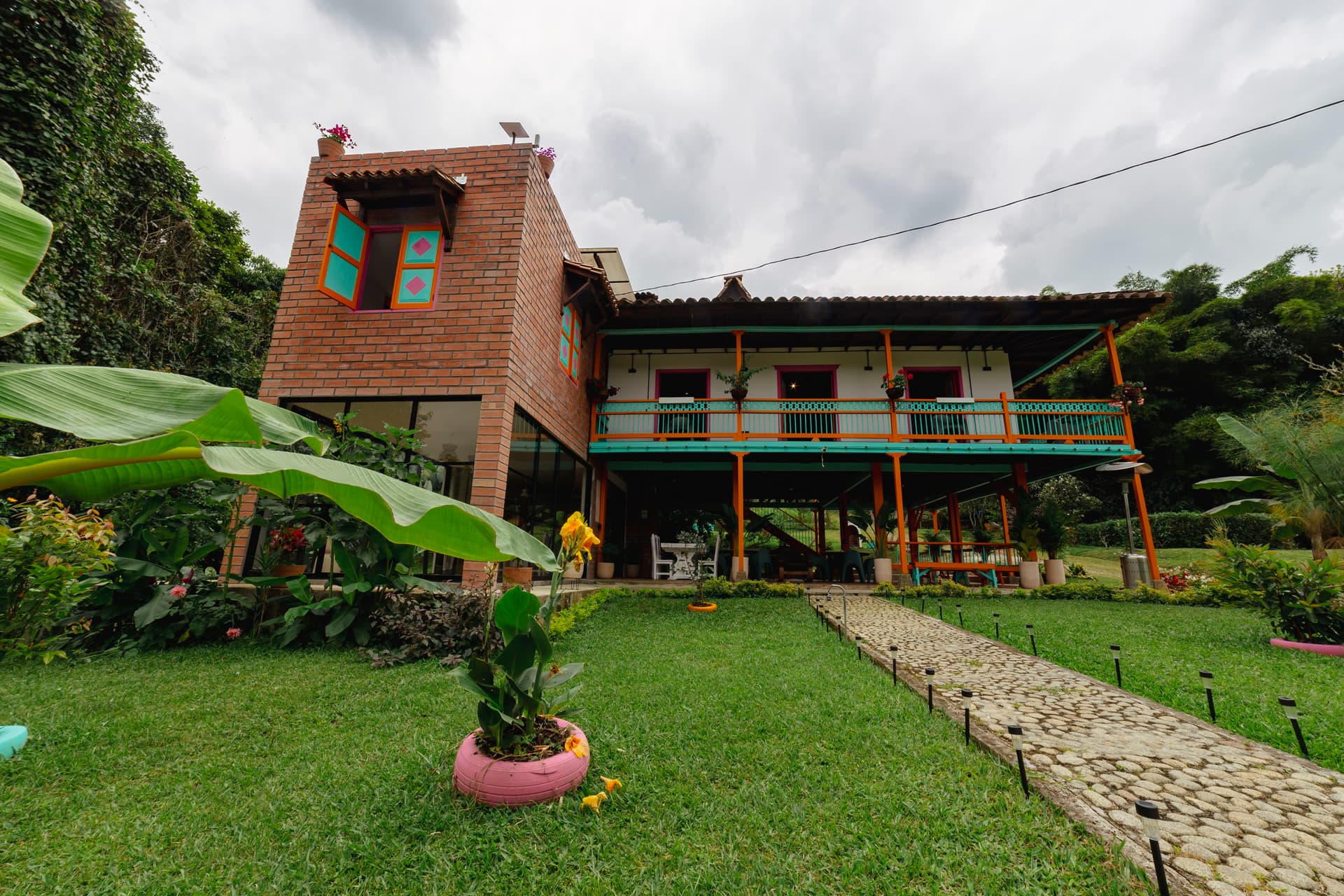
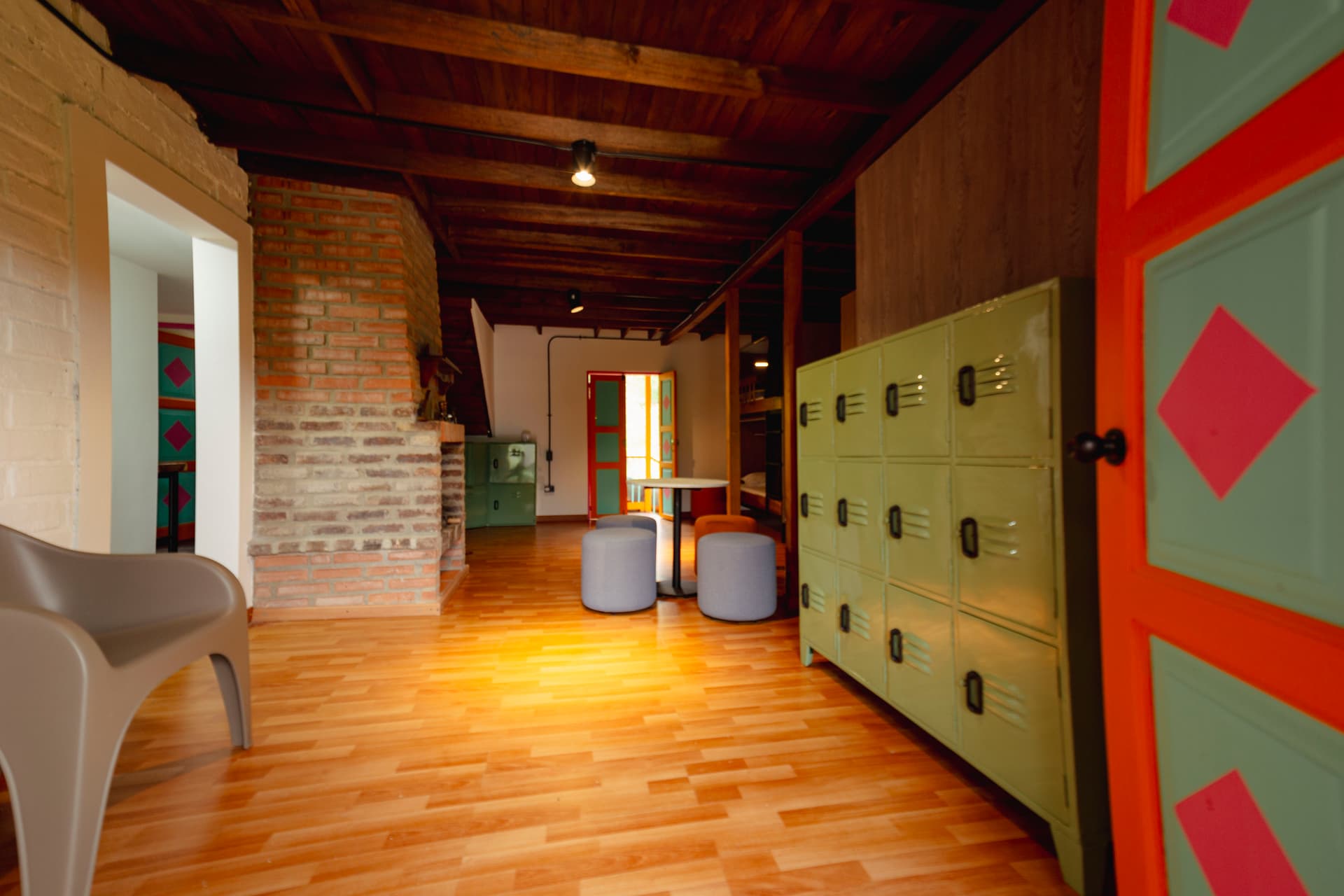
What it is: A well-maintained, comfortable hostel with reliable WiFi, a beautiful pool, genuinely helpful staff, good common areas, and a relaxed social atmosphere. The beds are comfortable. The showers are hot. The kitchen is available for guest use.
What it is not: A dedicated co-working space with monitors, standing desks, and meeting rooms. If you need that level of infrastructure, you should probably stay in Medellín.
For my purposes — a developer who needs a reliable connection, a flat surface, and a power outlet — it was more than sufficient. I was productive here. Arguably more productive than in my Medellín setup, because the slower pace of Jardín helped me focus during work hours and actually disconnect during off-hours.
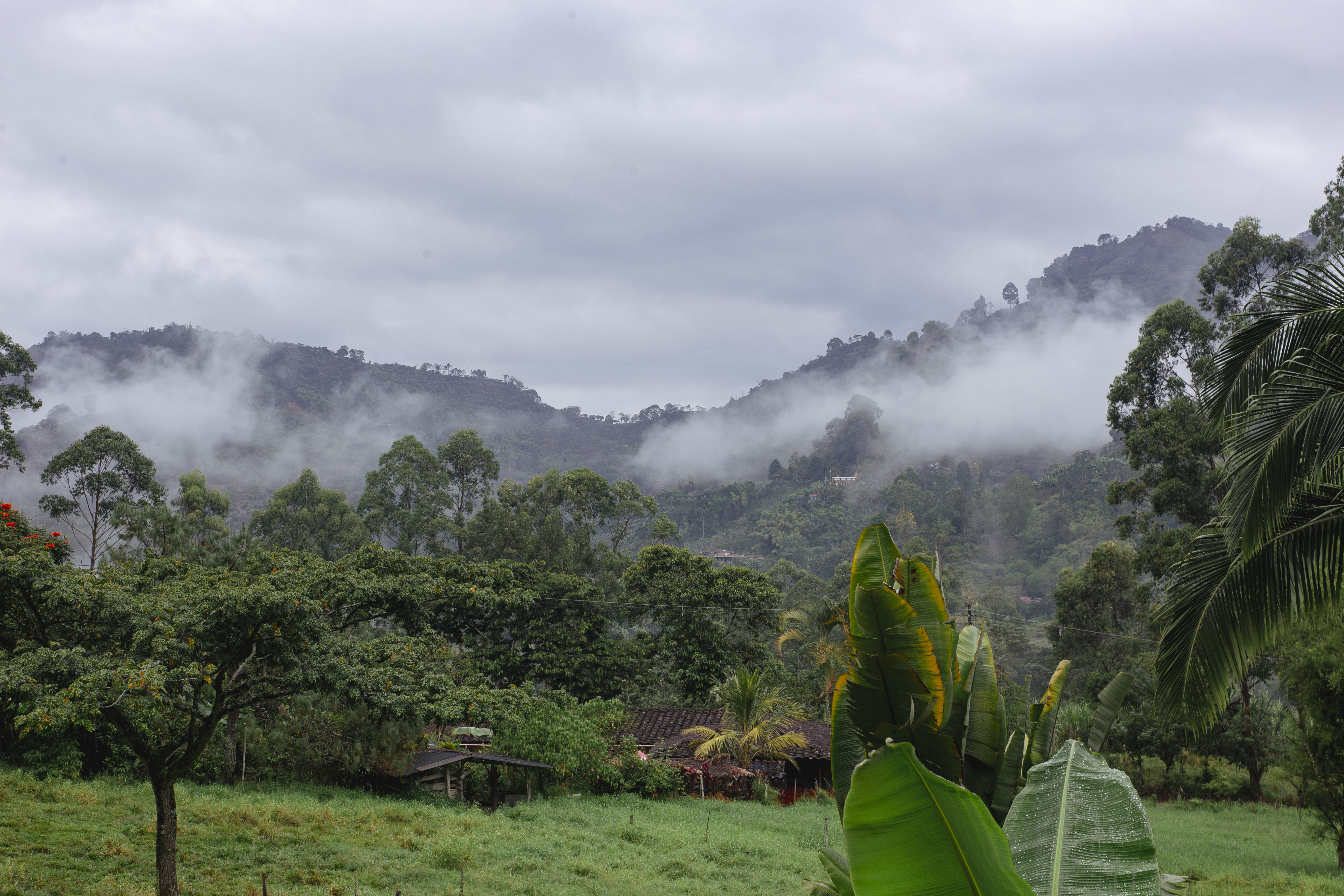
The social atmosphere deserves mention. Isla de Pascua attracts a mature, interesting crowd. During my week, I met travelers from twelve different countries, several of whom were also working remotely. The conversations were substantive. Nobody was trying to out-party anyone. It is the kind of hostel where you end up having a three-hour dinner conversation about Colombian politics or coffee processing methods or the philosophy of slow travel.
The Cost of Living: A German Accountant's Perspective
I tracked every expense during my week. Here are the numbers:
- Accommodation: Very reasonable for what you get. Check current rates.
- Food: I averaged COP $35,000 per day (approximately EUR $8), eating three meals out. This is absurdly cheap for the quality.
- Coffee tours: COP $40,000-60,000 each. Worth every peso.
- Activities: Most things in Jardín are either free or very inexpensive.
- Transport to/from Medellín: About COP $42,000 each way by bus.
Coming from Berlin, where my monthly expenses are roughly EUR $2,500, the value proposition in Jardín is remarkable. You could live here comfortably on EUR $800 per month, possibly less. The budget guide has more detailed breakdowns.
Would I Recommend Jardín for Digital Nomads?
Without reservation, yes — with one caveat. Jardín is not a place for those who need constant stimulation, nightlife, or a large international community. It is small. It is quiet. The nightlife consists of a few bars around the plaza that close before midnight.
But if you are the kind of remote worker who values focus, natural beauty, genuine culture, excellent coffee, and a cost of living that makes you feel like you have been doing everything wrong up until now — Jardín, and specifically Isla de Pascua, might be exactly what you are looking for.
I had planned to stay one week. I am currently looking at my calendar to see when I can come back for a month.
— Marcus, back in Medellín, drinking inferior coffee
Ready to experience Jardín?
Book Now Isla de Pascua