Written by Amy Foster — United Kingdom
Stay: January 2026, 3 nights
The Pause I Needed: Amy's Story from the United Kingdom
Right. Let me be completely honest with you. When I arrived in Jardín, I was a mess.
Not a dramatic, crying-at-the-airport mess. More like a "I've been in Medellín for eight days, I've slept approximately nineteen hours total, my liver is filing a formal complaint, and I genuinely cannot remember the last time I drank water that wasn't mixed with aguardiente" mess. The kind of mess that happens when you're a twenty-six-year-old nurse from Manchester who's been working sixty-hour weeks on an A&E ward for two years and finally gets a month off and decides that the appropriate response is to party like there's no tomorrow.
Medellín delivered. Oh, did it deliver. El Poblado, Laureles, rooftop bars, salsa clubs, the works. I met brilliant people, danced until 4 AM multiple nights in a row, and had the kind of fun that makes you feel alive and then makes you feel like you might actually die. By day eight, my body staged an intervention.
I was sitting in my hostel in Medellín, staring at my phone with a headache that could be registered as a natural disaster, when a girl from New Zealand in the bunk above me said: "You look like you need Jardín."
"What's a Jardín?" I asked.
"It's not a what. It's a where. Small mountain town. Four hours from here. There's a hostel called Isla de Pascua with a pool and hammocks and mountains and absolutely no nightclubs. Book three nights. Trust me."
I booked three nights. Reader, it saved my holiday.
Arrival: My Body Said Thank You
The bus to Jardín left from Terminal del Sur at 8 AM, which meant waking up at 6:30, which meant I was not exactly in top form. But the moment the bus cleared the city and started climbing into the mountains, something shifted. The air got cooler. The green got greener. My headache started to loosen its grip.
Four hours later, I was standing in the reception of Isla de Pascua, slightly dazed, and the woman at the desk looked at me with the knowing smile of someone who's seen a hundred post-Medellín casualties stumble through the door.
"You're here to rest," she said. Not a question.
"I'm here to rest," I confirmed.
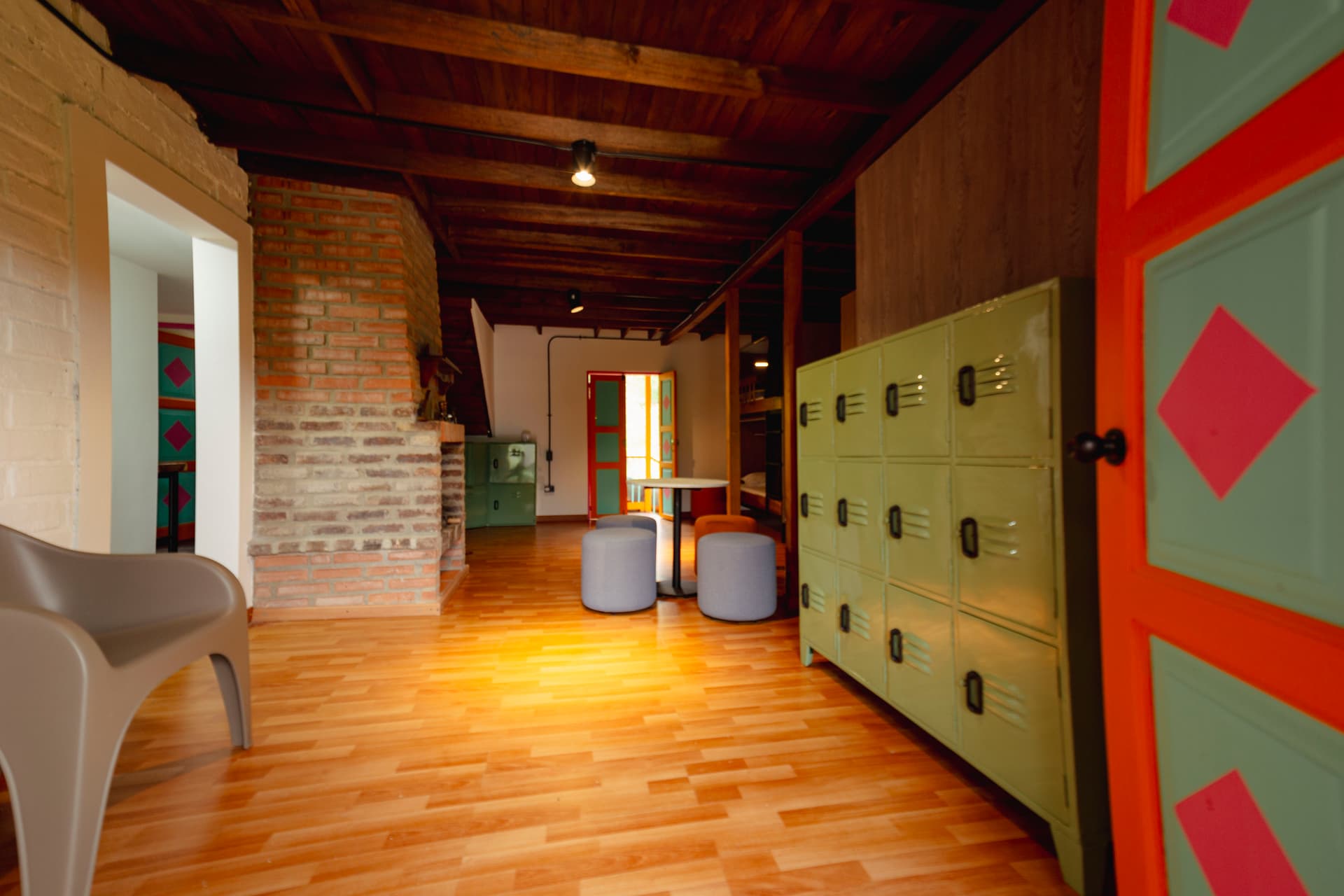
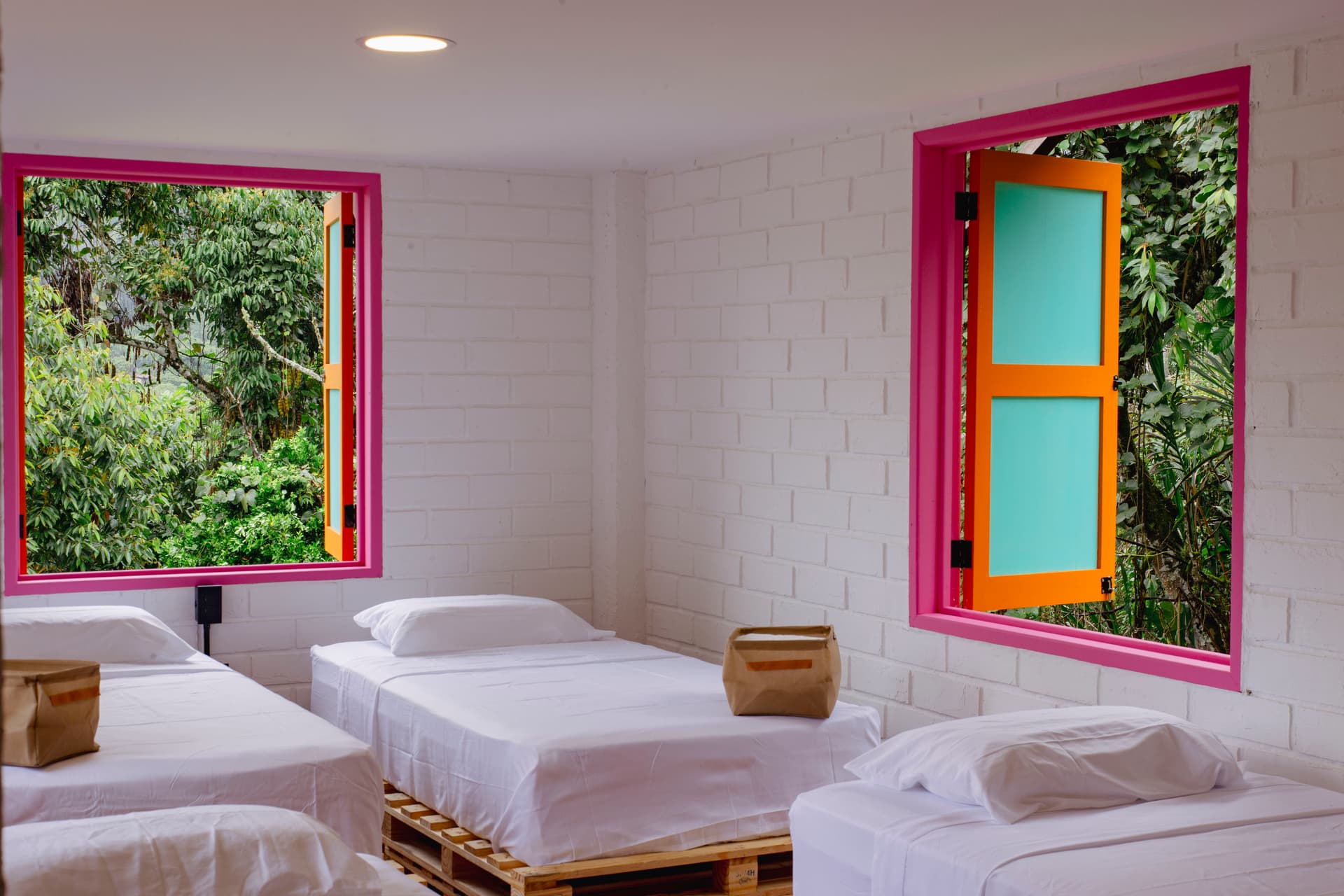
She showed me to my dorm — clean, quiet, with actual curtains on the bunks for privacy (a detail I appreciated more than I can express) — and pointed me toward the pool.
The pool. I need to talk about the pool.
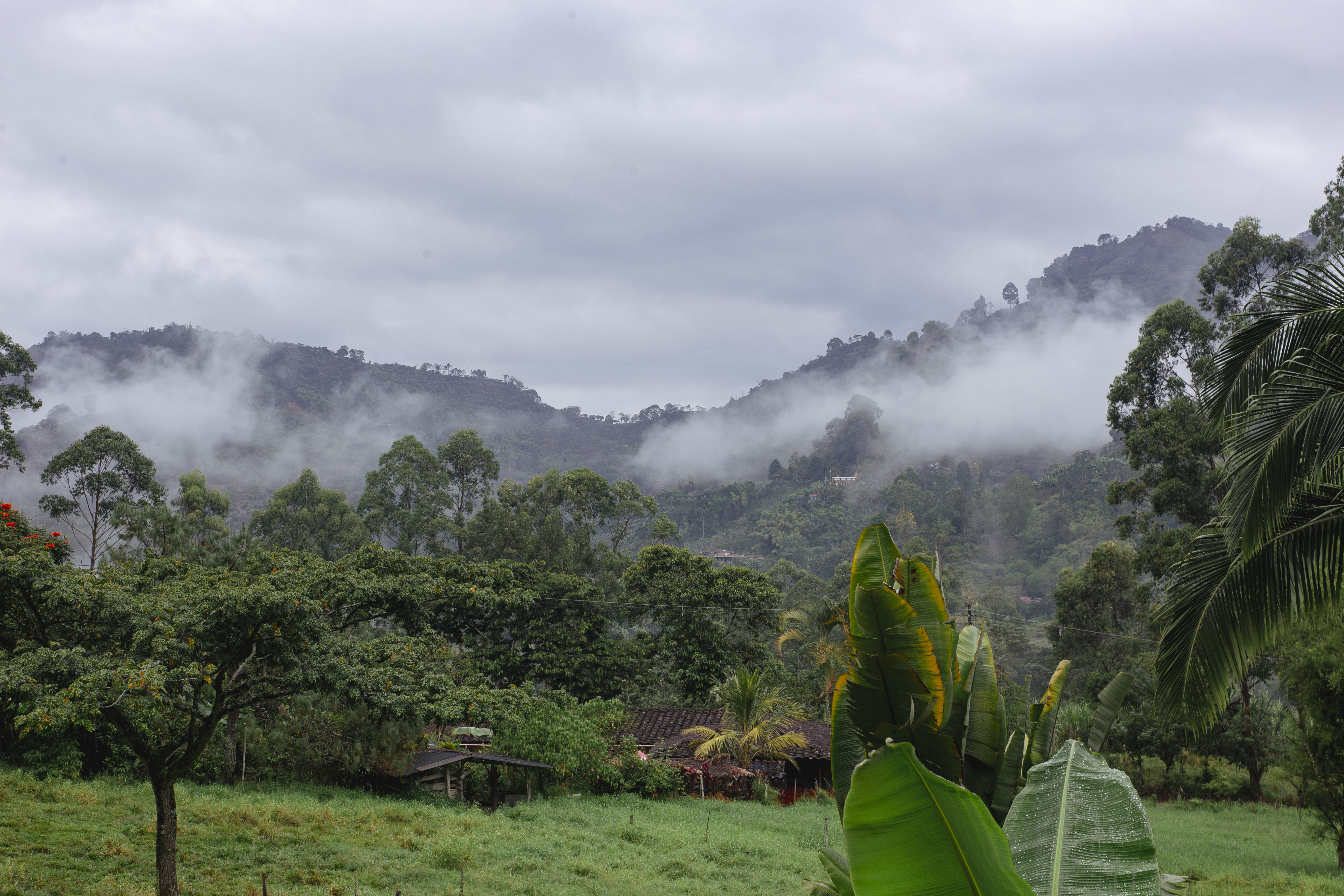
It's not a massive resort pool. It's a proper hostel pool — big enough to swim a few strokes, small enough to feel intimate. But it's the setting that makes it special. You're floating in cool water, looking up at Andean mountains that are so green and so close they feel like they're leaning in to check on you. The afternoon light hits the water and the mountains simultaneously, and everything turns golden, and you just... stop. Your brain stops. Your shoulders drop. Your body remembers what it's like to not be running on Red Bull and adrenaline.
I spent my entire first afternoon in that pool. I ordered a fresh juice from the bar (mango — thick, sweet, probably the healthiest thing I'd consumed in over a week), floated on my back, and stared at the sky. A hummingbird buzzed past my head. A cloud drifted over a mountain. I fell asleep on a pool lounger at 4 PM and didn't wake up until 7.
It was glorious.
Day Two: The Art of Doing Nothing (Efficiently)
Here's where the nurse in me comes out. I'm naturally efficient. I make lists. I optimise. Even when I'm resting, I'm resting with purpose. So day two, I made a rest plan. Don't laugh — it worked.
Morning (7-10 AM): Wake up naturally (no alarm — revolutionary). Walk to the plaza for coffee and fresh bread from one of the bakeries. Sit in a painted chair and watch the town wake up. Notice that nobody is rushing. Nobody is stressed. People greet each other. Dogs wander amiably. The Basilica bells ring at 8 AM and it feels like a gentle suggestion rather than an alarm.
Mid-morning (10 AM-12 PM): Return to hostel. Claim hammock (the one near the bougainvillea — it gets the best shade). Read book. I brought three books for a month-long trip and hadn't opened a single one until Jardín. I read eighty pages of a novel that morning and it felt like remembering a language I'd forgotten.
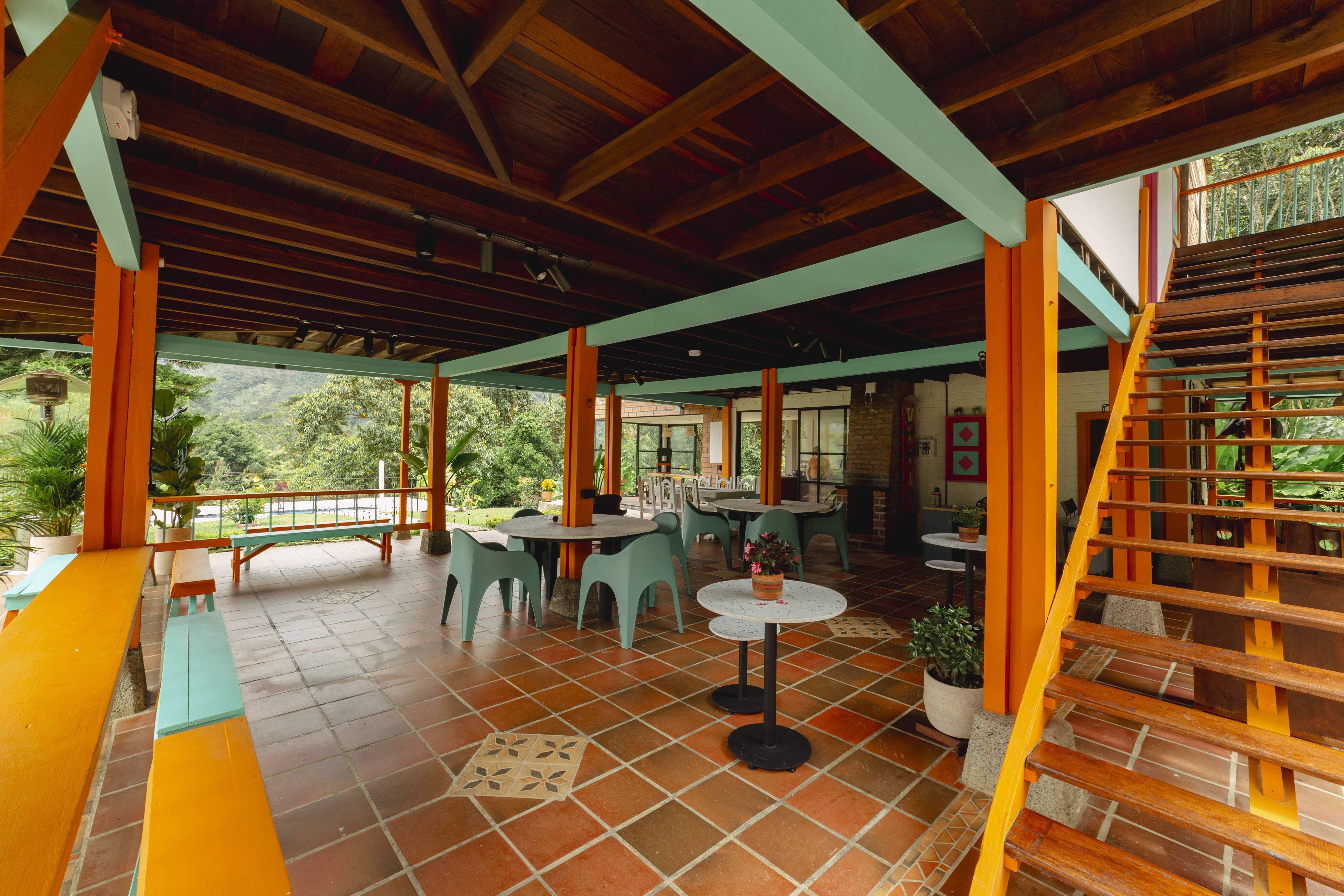
Afternoon (12-5 PM): Pool. Pool. Pool. With breaks for food, hydration (water, actual water), and brief conversations with other guests. The social dynamic at Isla de Pascua is perfect for someone in recovery mode — people are friendly and chatty if you want company, but nobody's offended if you just want to float in silence. The energy is "come as you are." I came as a semi-functioning human who needed to stare at mountains for several hours, and that was entirely acceptable.
Evening (5-9 PM): Watch the sunset (absolutely spectacular from the hostel — the mountains turn pink and orange and purple and you genuinely wonder how this is free). Have dinner in town — the trout here is ridiculous, by the way. A full dinner with trout, patacones, salad, and a fresh juice for about COP $25,000. That's roughly five pounds. In Manchester, five pounds gets you a meal deal from Tesco. Jardín is operating on a different cost of living entirely.
Night (9 PM): Bed. Actual bed at an actual reasonable hour. Revolutionary.
Day Three: Feeling Human Again
By my third morning, something had shifted. I woke up without a headache for the first time in nine days. My skin looked better. My eyes looked brighter. I had energy — genuine, sustainable energy, not the caffeinated, adrenaline-fuelled fake energy of party mode.
I decided to actually do something. Nothing extreme — I'm still in recovery — but something. I walked to the cable car, the Garrucha, which takes you across the valley for a stunning view of the town below. The ride is short, slightly terrifying in the best way, and offers views that made me actually gasp. Jardín from above is a postcard — red roofs nestled in a valley of impossible green, the Basilica rising from the centre, mountains wrapping around everything like arms.
I took approximately forty photographs. Sent them to my mum. She replied: "That doesn't look like the inside of a nightclub." Fair point, Mum.
That afternoon, I did something I hadn't done in two years of nursing: I sat completely still for an hour and thought about nothing work-related. No patient handovers, no medication schedules, no navigating the NHS bureaucracy. Just me, a hammock, a mountain view, and the sound of birds I couldn't name doing things I didn't need to understand.
It was the most restful hour of my entire adult life.
Practical Bits (Because I'm a Nurse and Can't Help Myself)
Here's my practical advice for anyone coming to Jardín, especially if you're coming from the Medellín party scene and need to recover:
Packing: Bring a reusable water bottle, decent sunscreen (the altitude means you burn faster than you'd think), and a light rain jacket. The weather is warm during the day but can turn rainy in the afternoon. Layers are your friend.
Budget: Jardín is astonishingly cheap. I spent roughly COP $150,000 per day including accommodation, three meals, and activities. That's about thirty pounds. You can absolutely do it for less.
Getting there: The bus from Medellín takes about four hours. Book at Terminal del Sur. Bring snacks and headphones. The scenery is gorgeous but the roads are winding, so take motion sickness tablets if you're prone.
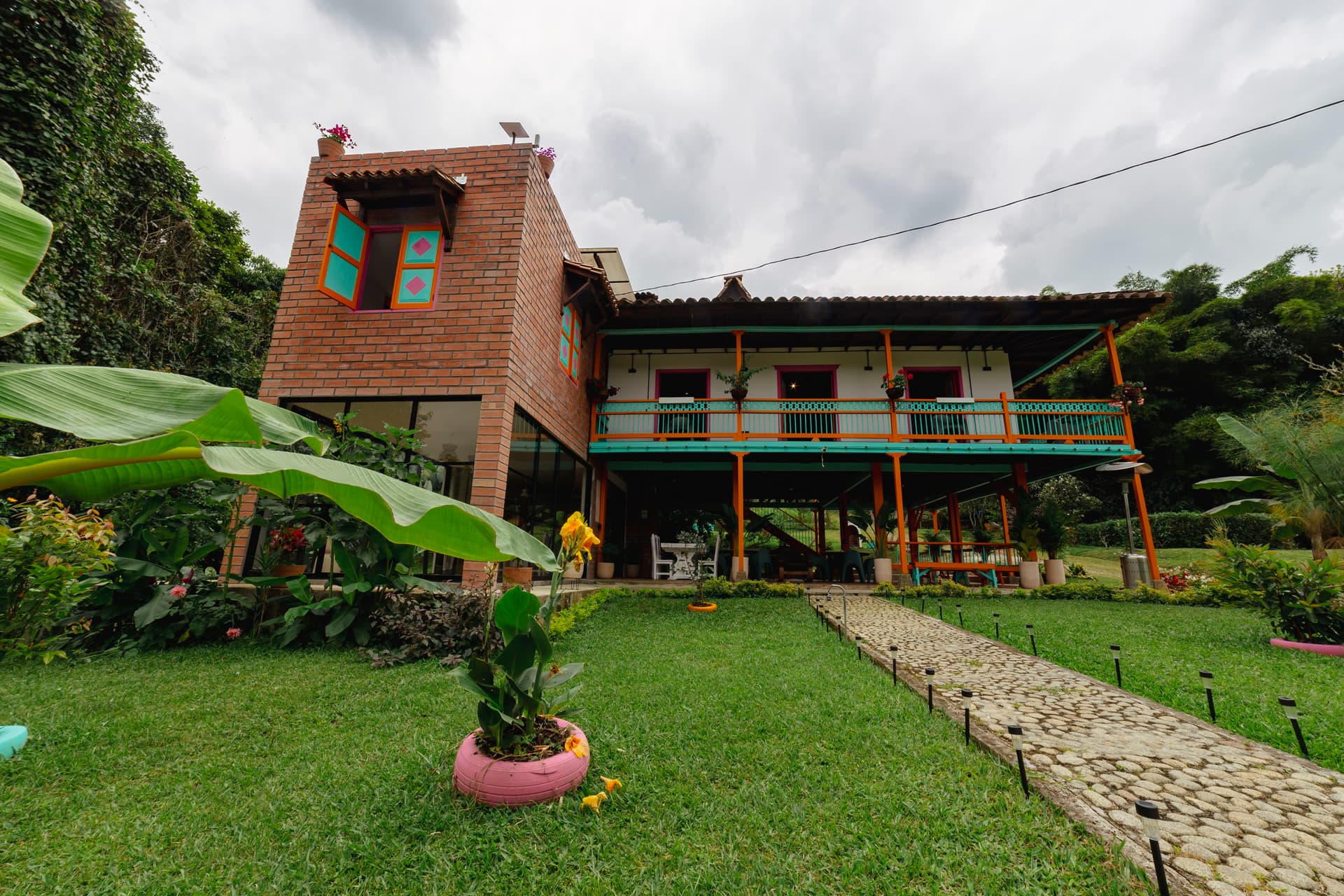
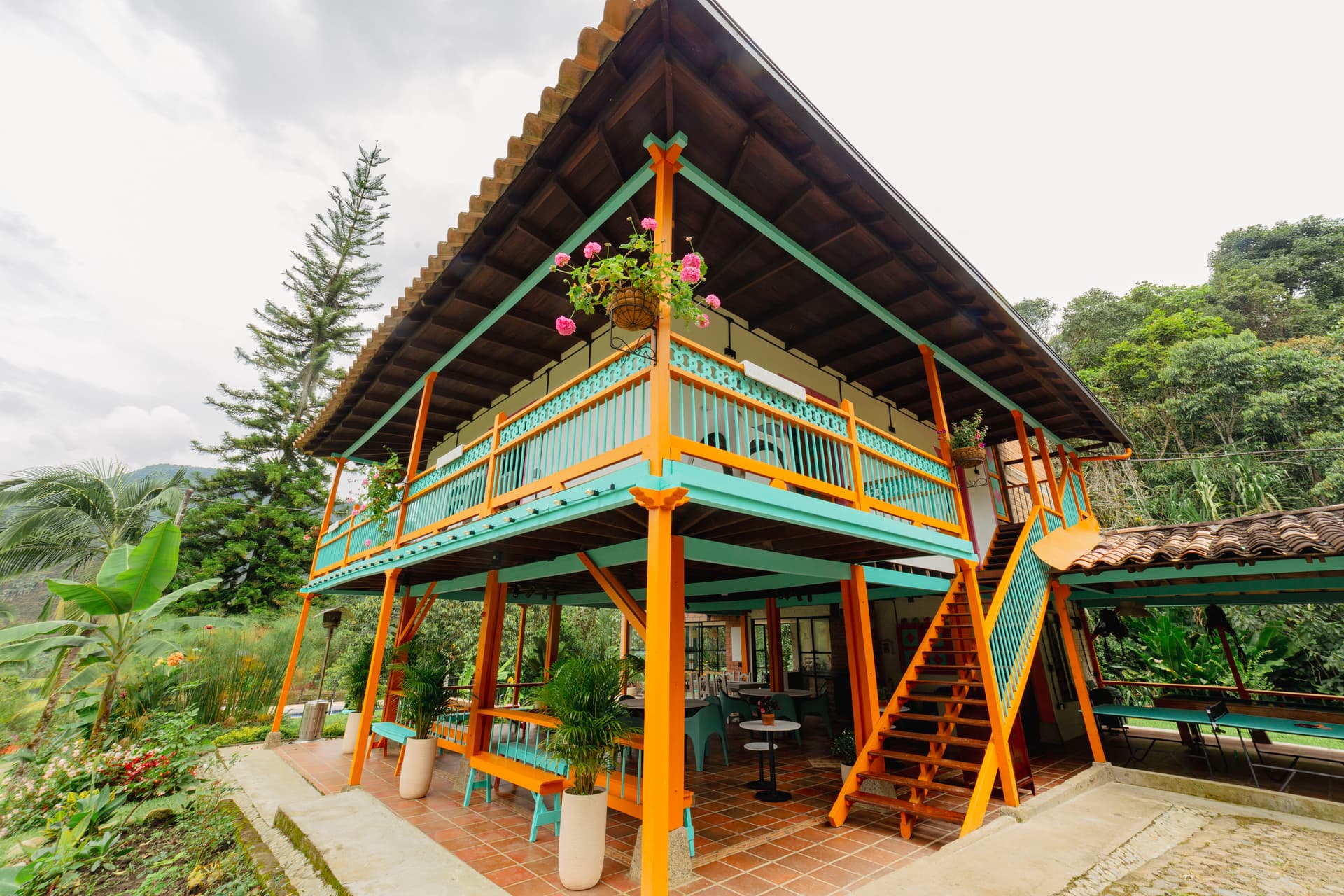
Staying: Isla de Pascua. Obviously. The pool, the hammocks, the views, the social vibe — it's everything you need and nothing you don't. Private rooms available if you want quiet. Dorms available if you want to save money. Both excellent.
Duration: Three nights was perfect for a recovery stay. If you want to do more activities — hiking, coffee tours, horseback riding — add a night or two. But honestly, three nights of pool, hammocks, and mountain air will sort you out.
Why This Mattered
I'm going to get slightly serious for a moment, because I think this matters.
I'm a nurse. I spent two years running on fumes, taking care of everyone else, and never stopping long enough to ask myself if I was okay. When I finally got time off, my response was to fill every second with noise and stimulation — Medellín, parties, constant motion. Because sitting still felt terrifying. Sitting still meant thinking. And thinking meant acknowledging that I was burnt out, tired, and deeply in need of care.
Jardín made me sit still. Not forcefully — gently. The mountains don't demand. The town doesn't hustle. The hostel doesn't push. Everything here simply says: you can stop now. It's safe to stop.
Three nights. That's all it took to go from "running on fumes" to "actually rested." I'm not saying Jardín fixed everything — I still need to have some serious conversations with myself about work-life balance when I get home. But it gave me the clarity to know those conversations need to happen.
To the girl from New Zealand in the bunk above mine in Medellín: thank you. You were completely right. I needed Jardín.
And to Isla de Pascua: thank you for the pool, the hammocks, the mountains, and the space to remember that rest isn't lazy. It's necessary.
— Amy, currently in Salento, feeling like a different person
Ready to experience Jardín?
Book Now Isla de Pascua