Written by Maria Santos — Portugal
Stay: February 2026, 5 nights
Hands That Weave Worlds: A Portuguese Ceramicist Discovers the Cestería of Jardín
I have spent twenty years with my hands in clay. Twenty years of wedging, centering, pulling walls from spinning earth. My studio in Porto sits on the Rua de Miguel Bombarda, between a gallery that shows contemporary art and a café that serves the best pastéis de nata in the city. I know every crack in my wheel, every mood of my kiln. I thought I understood craft.
Then I came to Jardín, Colombia, and watched a woman weave a basket from iraca palm, and I understood that I had only been speaking one dialect of a much larger language.
How I Got Here
I was not supposed to be in Colombia at all. I was supposed to be in Mexico for a ceramics residency in Oaxaca, but the program was postponed, and suddenly I had three free weeks and a return ticket from Bogotá that I could not change. A potter friend in Lisbon — the kind of friend who sends you places the way other people send you articles — said, "Go to Jardín. There is a weaving tradition there that will make you rethink everything about material and form."
She sent me a link to an article about cestería in Jardín. I read it on the plane. By the time we landed, I had already booked five nights at Isla de Pascua and was looking up bus schedules from Medellín.
The bus ride was four hours of green mountains and mist. I pressed my forehead against the window and thought about how landscape shapes craft — how the green of these mountains must live inside the baskets, the way the blue of the Atlantic lives inside Portuguese azulejos.
The Market: A Gallery Without Walls
My first morning, I went to the market in the plaza. I have visited markets in Marrakech, in Jaipur, in Oaxaca. I know the feeling of being surrounded by handmade objects, the particular electricity of a space where everything was touched by human hands. The market in Jardín has that electricity, but quieter. More intimate. Less performance, more conversation.
I found the cestería stall and stood there for twenty minutes, running my fingers along the weave of a basket. The woman selling them — Doña Carmen, I would learn later — watched me with amused patience. She could tell, I think, that I was not a tourist looking for a souvenir. I was an artisan looking for a relative.
The weave was extraordinary. Tight, even, rhythmic. Each strand of iraca palm had been split by hand to a uniform width, then dyed with natural pigments — cochineal red, turmeric yellow, the deep black of barro. The patterns were geometric but organic, like something grown rather than designed. I bought three baskets. I would have bought thirty.
Learning to Weave
I asked Doña Carmen if she knew anyone who taught cestería. She laughed — a warm, generous laugh — and said, "I teach it. Come tomorrow."
The next morning, I sat on a plastic chair in a workshop behind Doña Carmen's house, surrounded by bundles of iraca palm in various stages of preparation. She handed me a bundle of pre-split fibers and showed me the basic weave. "Like this," she said, her fingers moving so fast they blurred. "Simple."
It was not simple. My hands, trained to center clay on a spinning wheel, did not know how to work in two dimensions. I was used to pulling form from the center outward, using centrifugal force and water and pressure. Weaving is different — it is about patience and pattern, about building structure from the repetition of a single gesture. No wheel. No water. No second chances.
I wove for three hours and produced something that Doña Carmen diplomatically called "a beginning." But in those three hours, I learned more about craft than I had in years. I learned that iraca palm has a grain, like wood, and that working with the grain produces strength while working against it produces flexibility. I learned that the best weavers count in their heads — a kind of mathematical meditation — and that mistakes are not corrected but incorporated. "If you fight the mistake," Doña Carmen told me, "the basket remembers. If you accept it and keep weaving, the basket forgives."
A ceramicist could spend a lifetime meditating on that sentence.
The Parallels
In my studio in Porto, I work alone. The kiln is a solitary machine — you load it, you fire it, you wait, you open it. The results are partly skill and partly luck and partly the mood of the clay that day. There is a loneliness to ceramics that I have always accepted as the price of the work.
Cestería in Jardín is different. It is communal. Women gather to weave together, talking and laughing and sharing patterns the way my mother's friends share recipes. The knowledge passes from grandmother to mother to daughter through hands, not books. It is a living tradition, breathing and adapting, and I envied its warmth.
But the parallels are there too. Both ceramics and cestería transform raw material into functional beauty. Both require the maker to understand their material intimately — its moods, its limits, its potential. Both produce objects that carry the mark of the hand that made them. In a world of mass production, this is revolutionary, even if the makers do not think of it that way.
I visited the Basílica one afternoon and found myself studying the stonework with the same attention I give to glaze. The masons who built those walls understood material the way Doña Carmen understands palm and I understand clay — from the inside, through touch, through years of listening to what the material wants to become.
Evenings at the Hostel
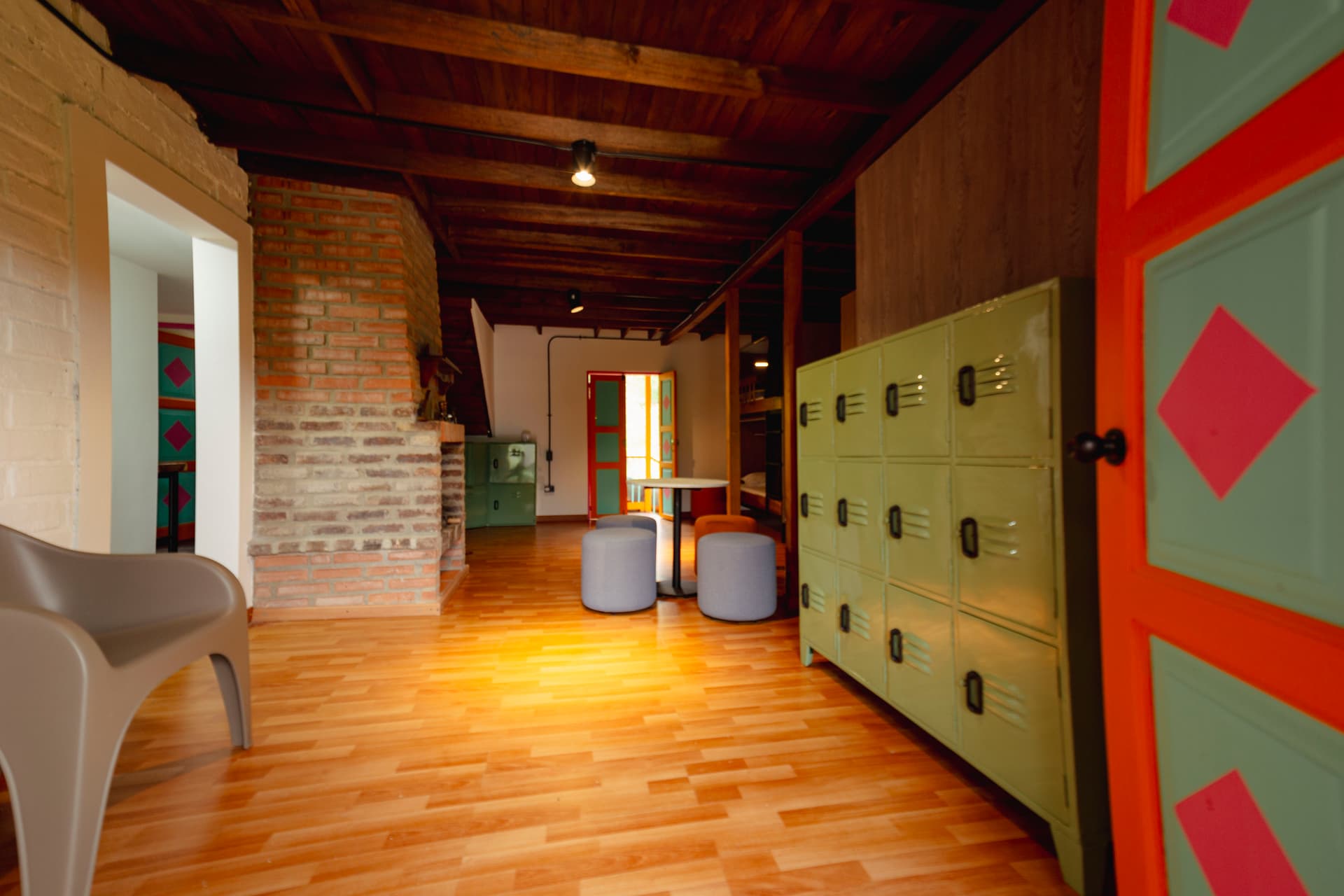
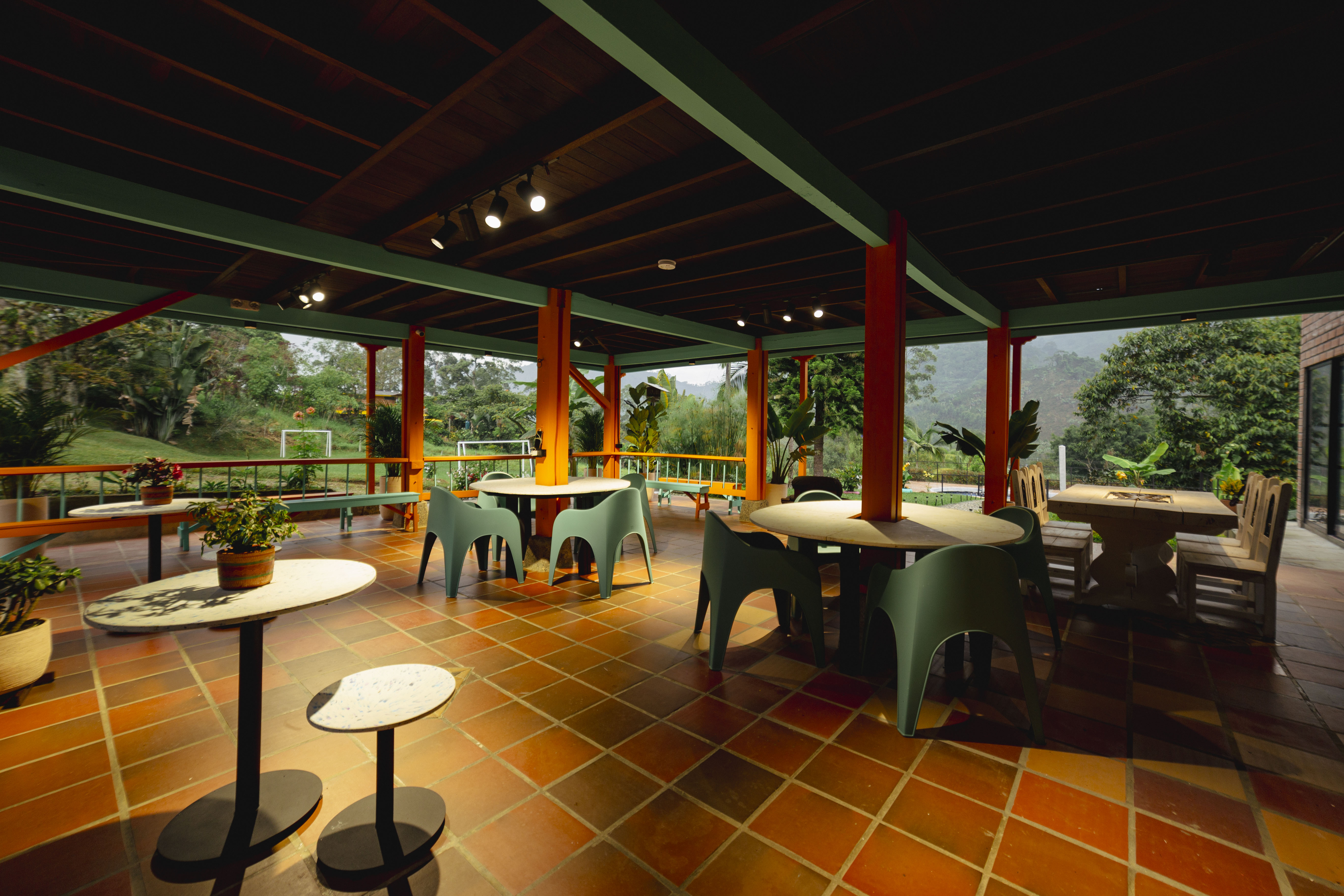
Back at Isla de Pascua each evening, I would sit in the common area and sketch basket patterns in my notebook, translating them into possible ceramic forms. A spiral weave could become a carved plate. The geometric bands could become a glaze pattern. The colors of the iraca — those natural pigments — could inspire a new palette for my next firing.
The hostel became my studio away from my studio. I met a Japanese calligrapher named Yuki who was traveling through South America, and we spent an evening comparing the meditative qualities of our respective practices — the brush stroke, the pulled wall, the woven strand. All different languages for the same conversation about hand and material and time.
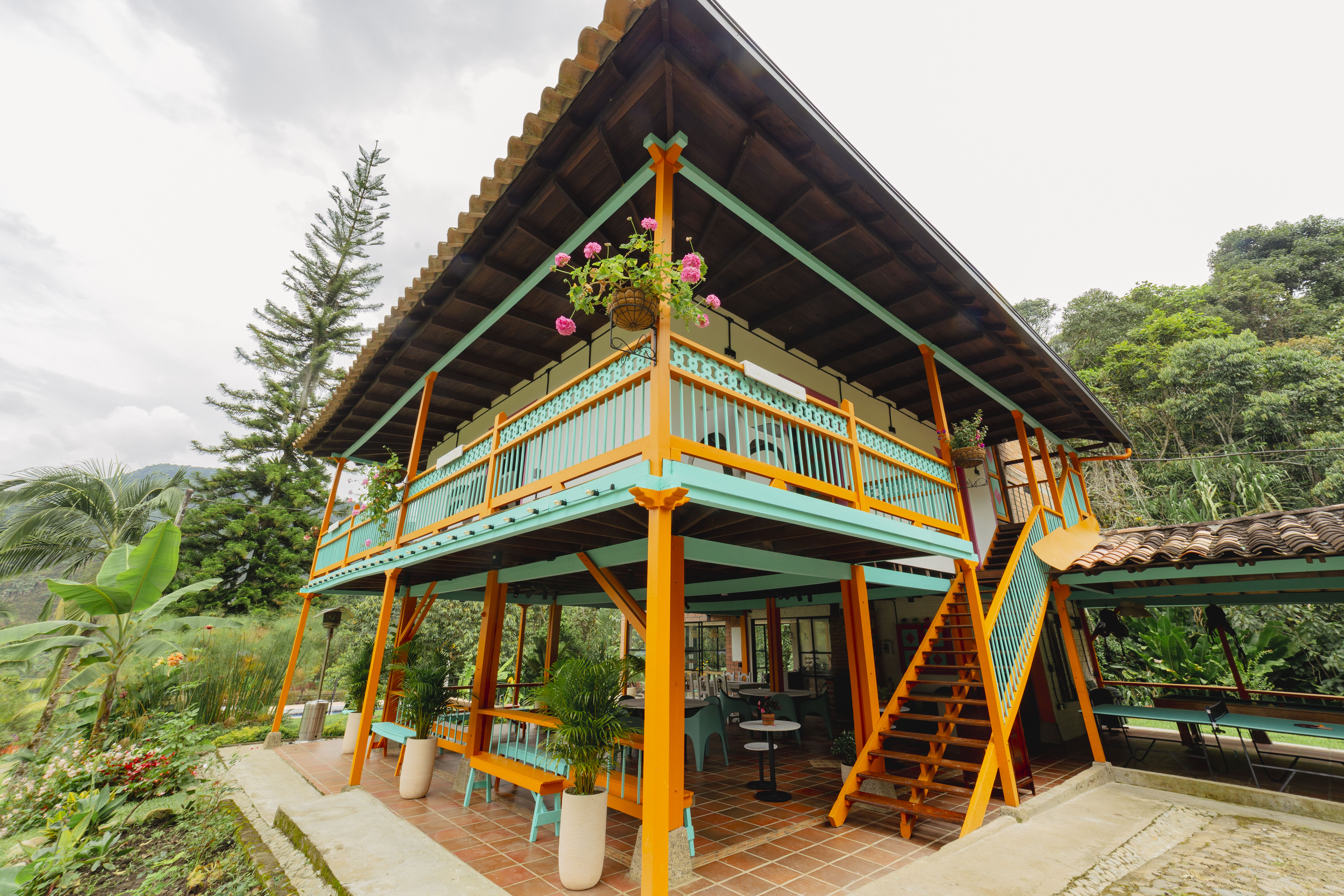
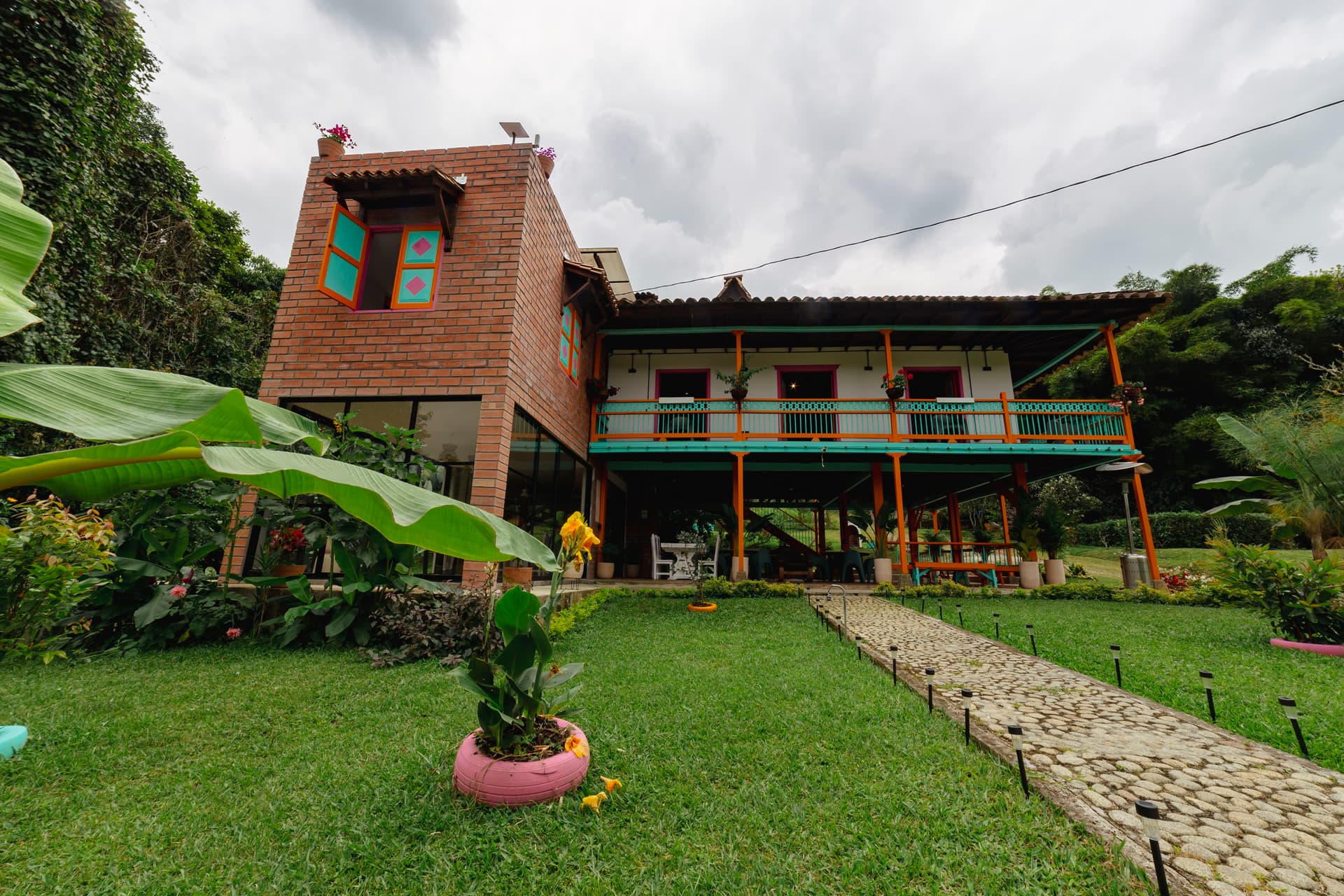
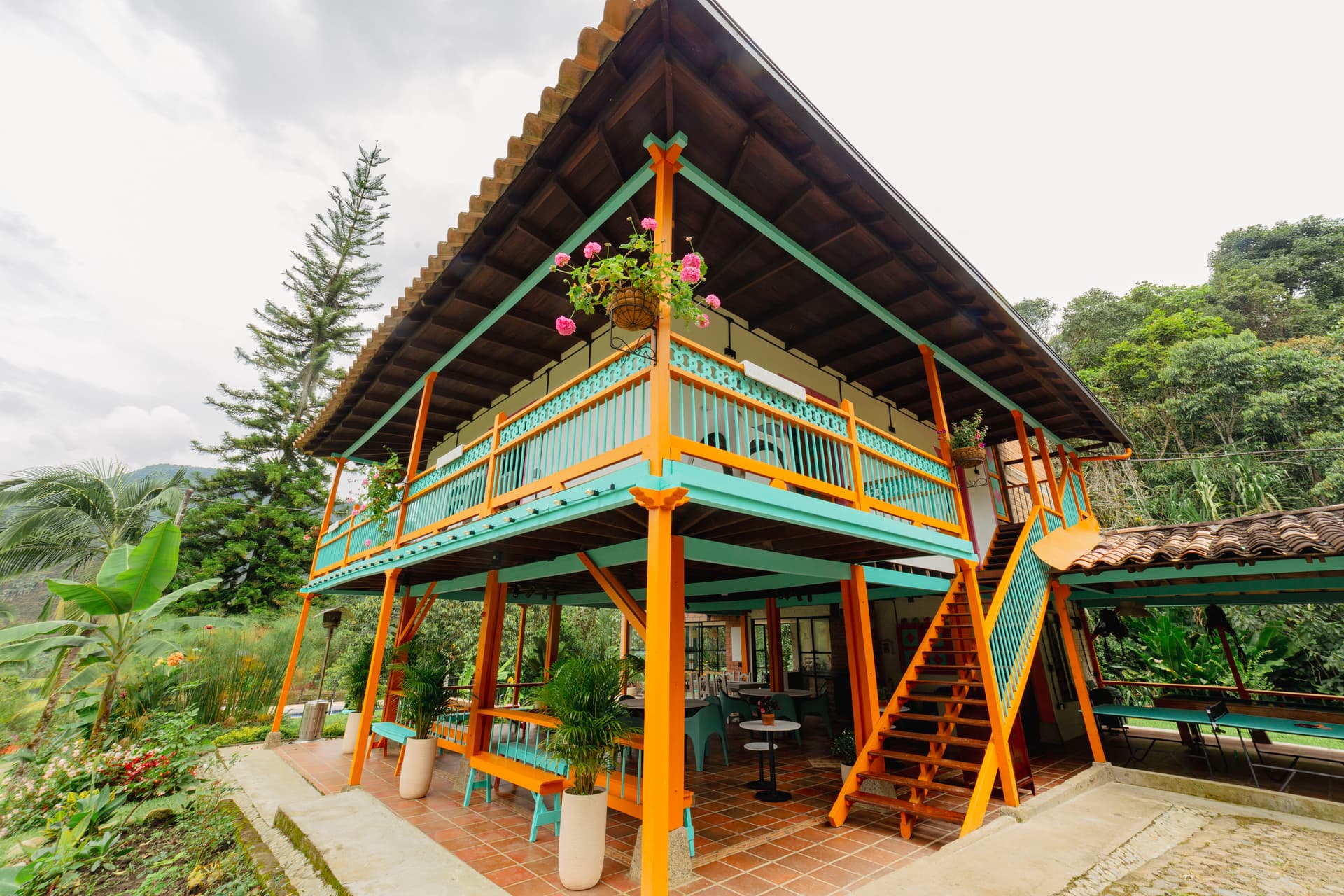
The staff at Isla de Pascua were wonderful about my eccentricities. They did not blink when I arrived back each evening with iraca fibers in my hair and natural dye on my fingers. They helped me find Doña Carmen's workshop, recommended a local restaurant where the owner was also an artisan, and generally treated my obsession with baskets as perfectly normal behavior. In Jardín, perhaps it is.
What I Brought Home
I returned to Porto with three baskets, a half-finished practice piece that Doña Carmen insisted I keep, a notebook full of pattern sketches, and a head full of ideas. My first firing after returning was the best work I have produced in years — a series of bowls with carved geometric patterns inspired by cestería, glazed in earth tones that I mixed to match the colors of Doña Carmen's pigments.
I sent photos to Doña Carmen through her granddaughter's WhatsApp. She sent back a voice message: "You see? Clay and palm are cousins." She was right.
To Jardín: thank you for teaching me that craft is not a discipline but a family, and that the cousins I never knew I had were waiting for me in a mountain town in Antioquia.
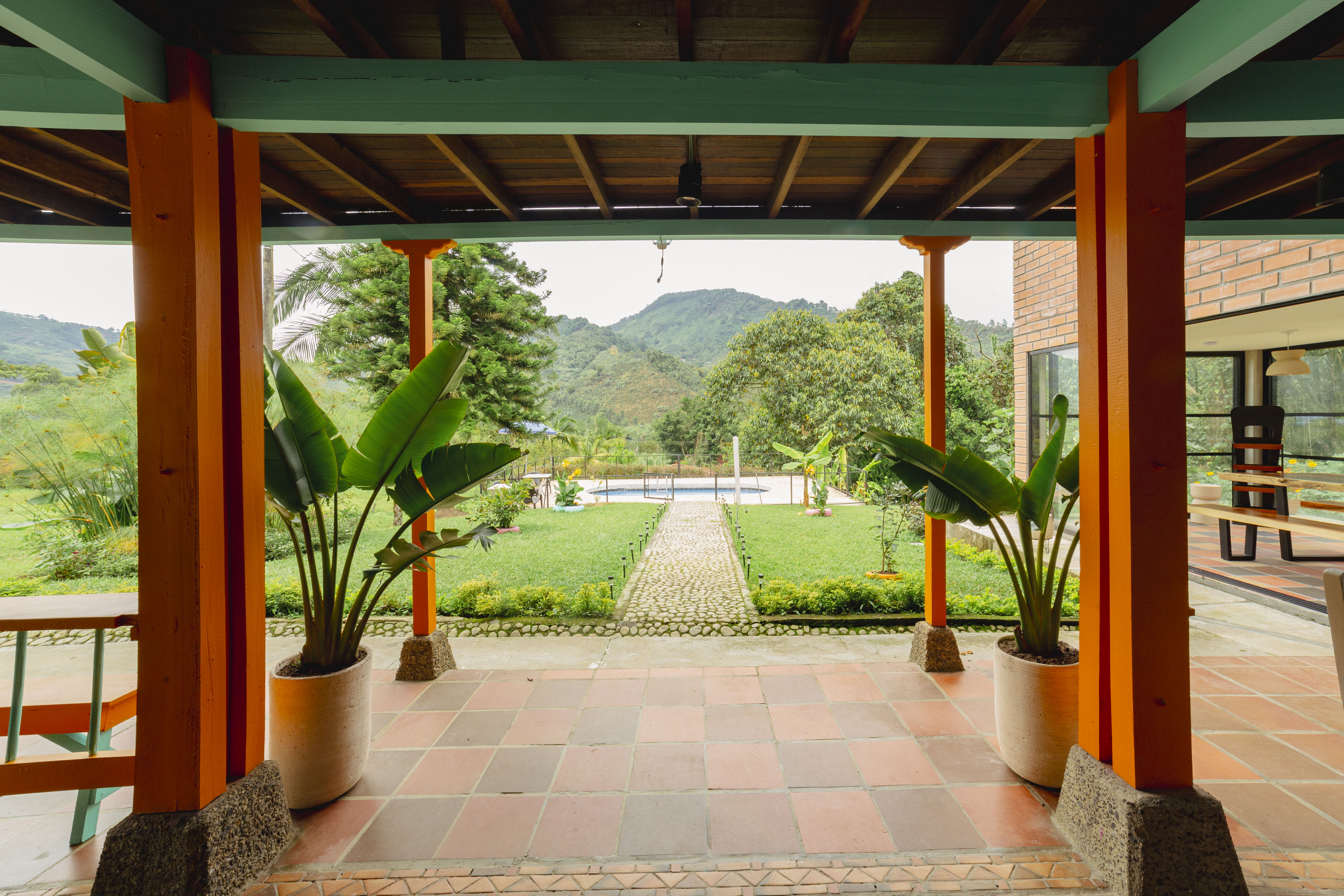
To Isla de Pascua: thank you for the garden where I sketched, the pool where I soaked my aching weaver's hands, and the warmth of a place that makes every kind of making feel welcome.
To Doña Carmen: I will be back. Next time, I am bringing my clay. I want to see what happens when our cousins finally meet.
— Maria, in her studio in Porto, a Jardín basket sitting next to her wheel
Ready to experience Jardín?
Book Now Isla de Pascua