Written by Daniel Levy — Israel
Stay: February 2026, 8 nights
Finding Stillness: An Israeli Traveler's Journey from Service to the Mountains of Jardín
There is a tradition in Israel. You finish your military service — three years of structured time, of someone else deciding when you wake, where you go, what you carry — and then you travel. You go far. You go to India, to Southeast Asia, to South America. You go to places where nobody knows your unit or your rank or the things you saw. You go to find out who you are when nobody is telling you who to be.
I did not go immediately. I tried to return to normal life in Tel Aviv for eight months. I enrolled in university. I lasted one semester. The lectures felt distant, like someone speaking through glass. A friend who had already done his trip said, "Daniel, you're not ready for classrooms. You need mountains." He had been to Colombia. He said the mountains there had something to say.
So I came. And after three weeks of moving through this country — Bogotá, the Coffee Axis, Medellín — I arrived in Jardín and stopped moving. Eight nights. I had planned two.
The Arrival
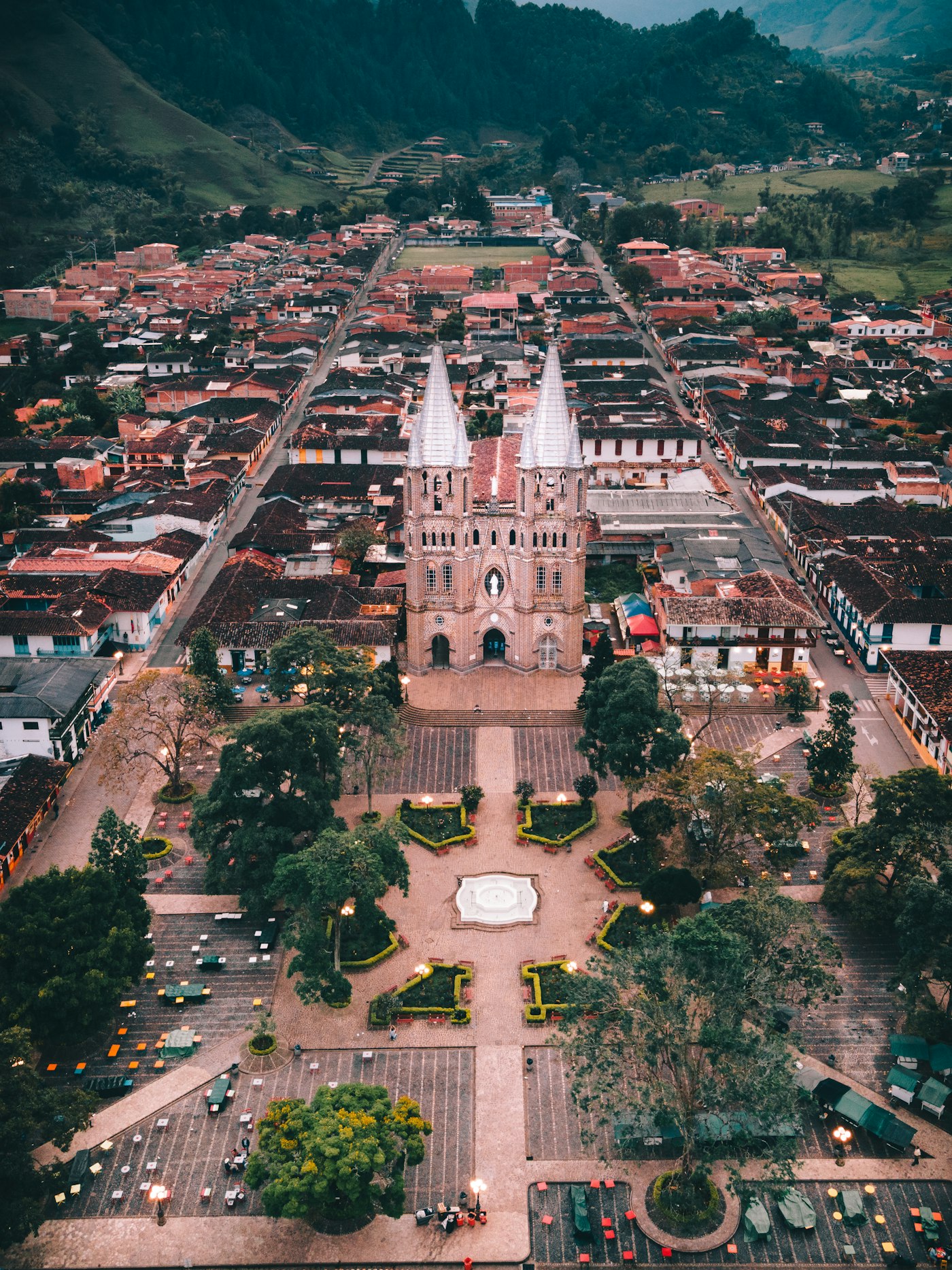
I took the bus from Medellín on a Tuesday morning. The road descends into the valley and the mountains close around you, not threatening but sheltering. I felt something in my chest loosen. A knot I had been carrying for months — maybe years — began to release. I know that sounds like something from a self-help book. I apologize for nothing.
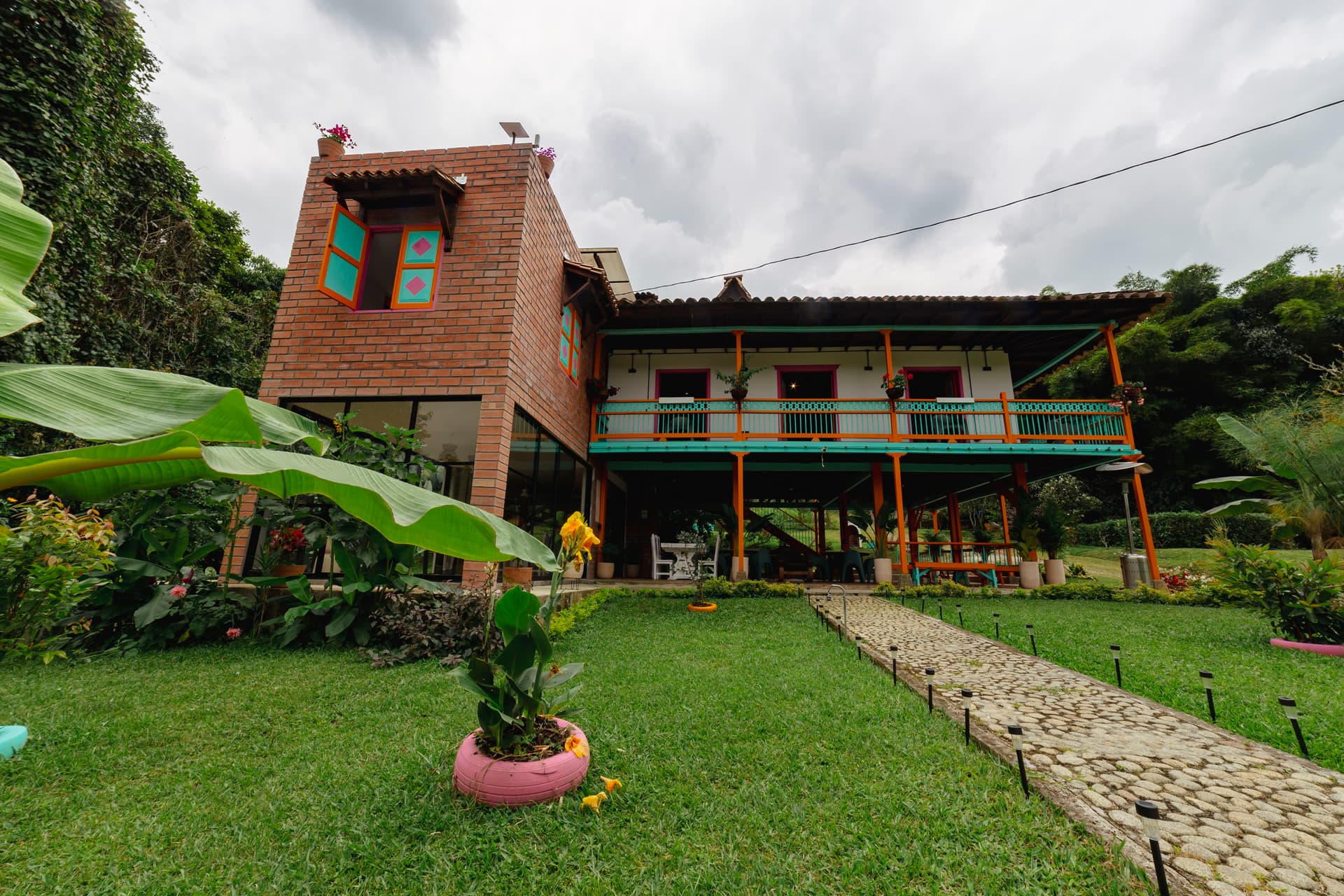
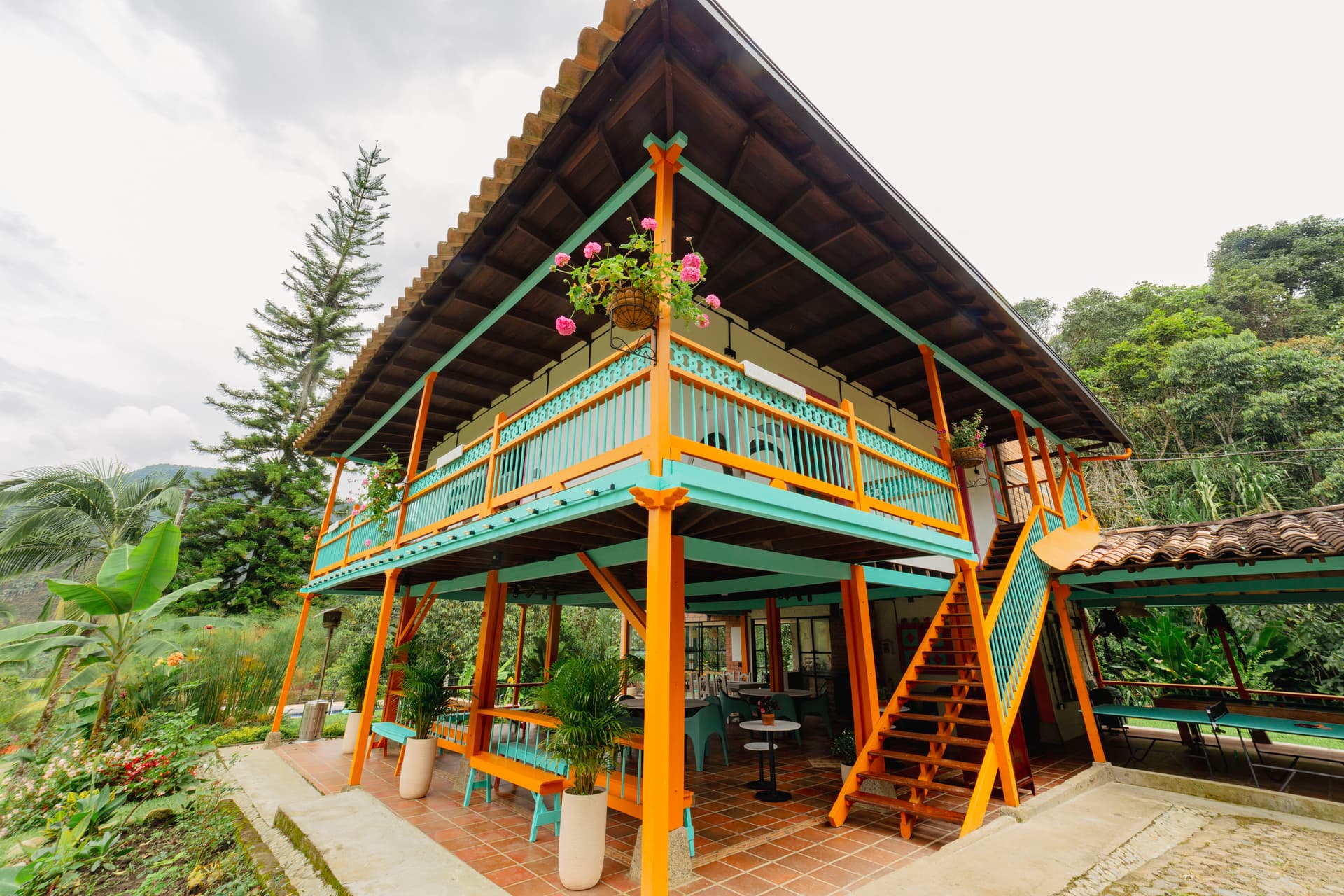
Isla de Pascua was recommended by another Israeli I met in Salento. "It's not a party hostel," she said, and I could hear in her voice that this was the highest compliment she knew how to give. She was right. It is not a party hostel. It is a hostel where you can have a beer by the pool at sunset and talk about things that matter, or not talk at all, and both are equally acceptable.
The Art of Staying
I had become good at arriving and leaving. Three weeks of two-night stays had turned me into a machine of efficiency — pack, move, unpack, explore, repack, leave. In Jardín, I broke the cycle. On my third morning, I woke up and realized I had no plans. No bus to catch. No hostel to check into. No itinerary. Just a mountain town that didn't need me to be anywhere.
I sat in the hostel garden with a coffee — Colombian coffee, which is a revelation when you drink it where it grows — and watched the hummingbirds. There were three of them working a flowering bush near the pool, and I watched them for forty-five minutes. In the army, forty-five minutes of stillness was called "guard duty" and it was something to endure. Here, it was something to choose.
That distinction changed something in me.
Conversations at the Long Table
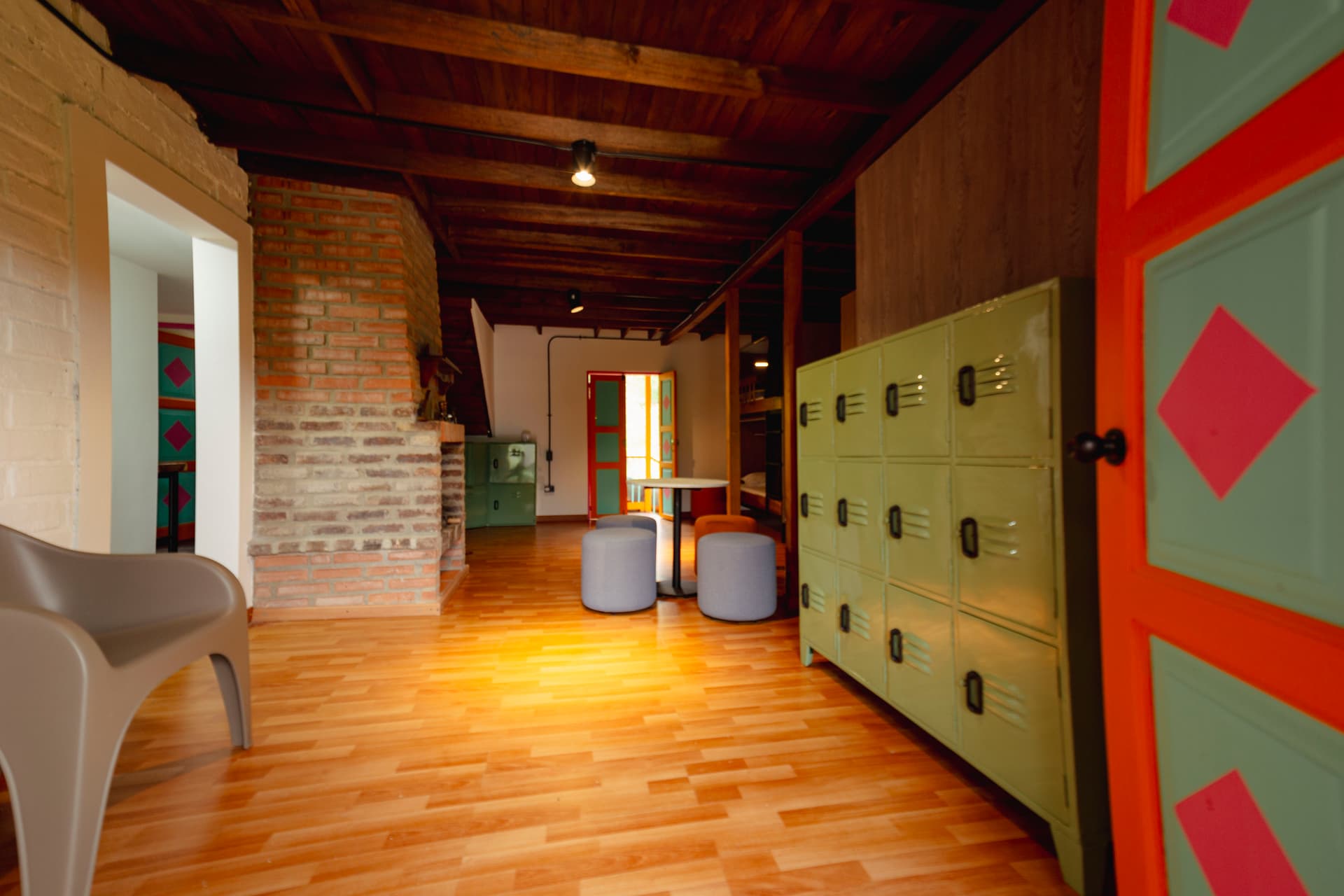
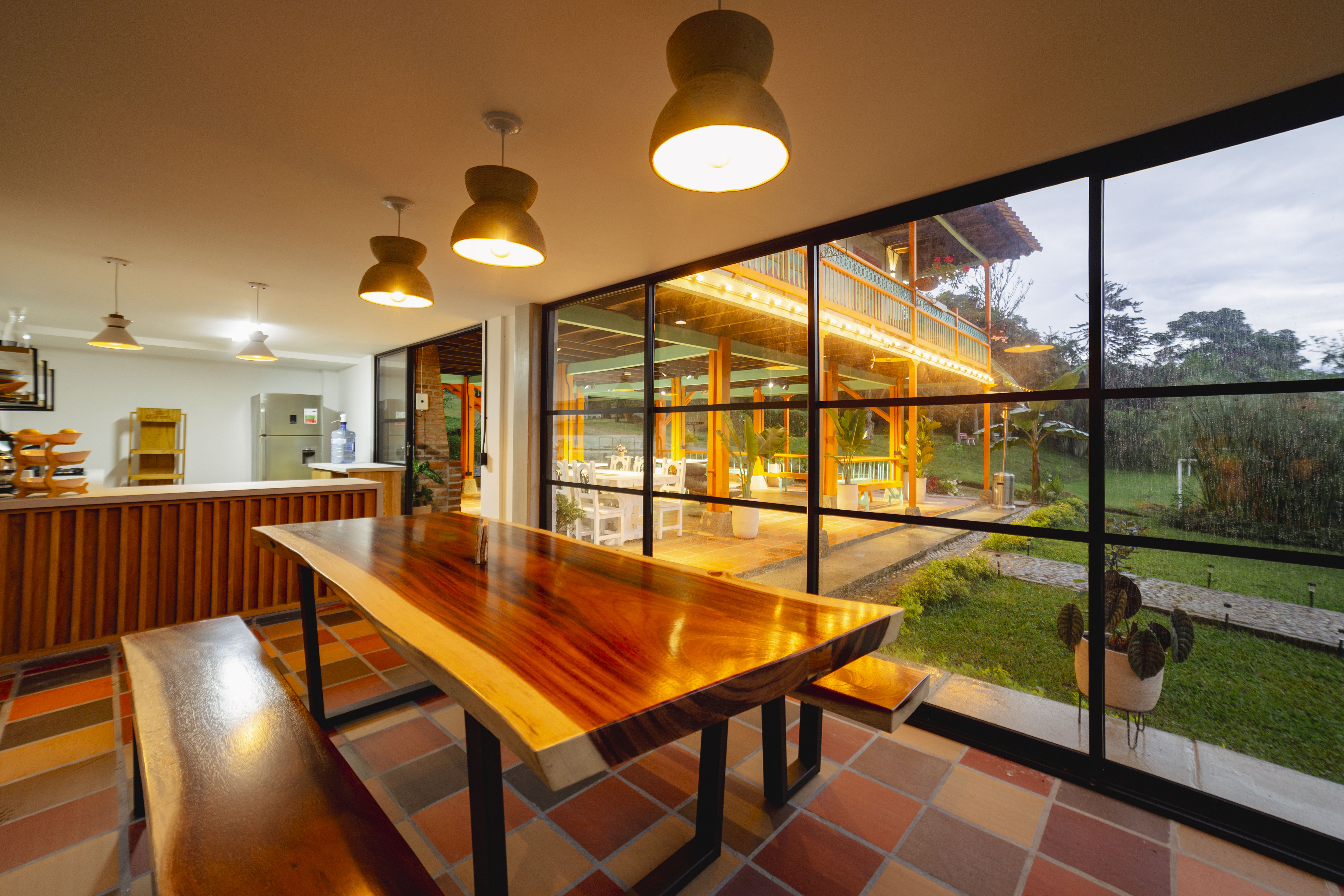
The common area at Isla de Pascua has a long wooden table where people gather in the evenings. This is where I met Carlos from Medellín, who was visiting for a weekend and carried the quiet dignity of a man who has survived things he does not discuss. We played chess on a board someone had left behind and talked about music. He introduced me to vallenato, explaining each song's story with the patience of a professor.
I met Anna from Sweden, who was writing a novel about a woman who leaves everything behind, which she admitted was semi-autobiographical. She asked what I was looking for. I said I did not know. She said, "That's the best answer. People who know what they're looking for usually find the wrong thing."
I met a Colombian family — parents and two children — spending the weekend at the hostel. The father taught his son to swim in the pool while the mother read a book and the daughter drew pictures of the mountains with crayons. It was so ordinary, so peaceful, that it almost made me cry. Ordinary peace is the most extraordinary thing in the world when you have been somewhere where peace is not ordinary.
Walking Without Purpose
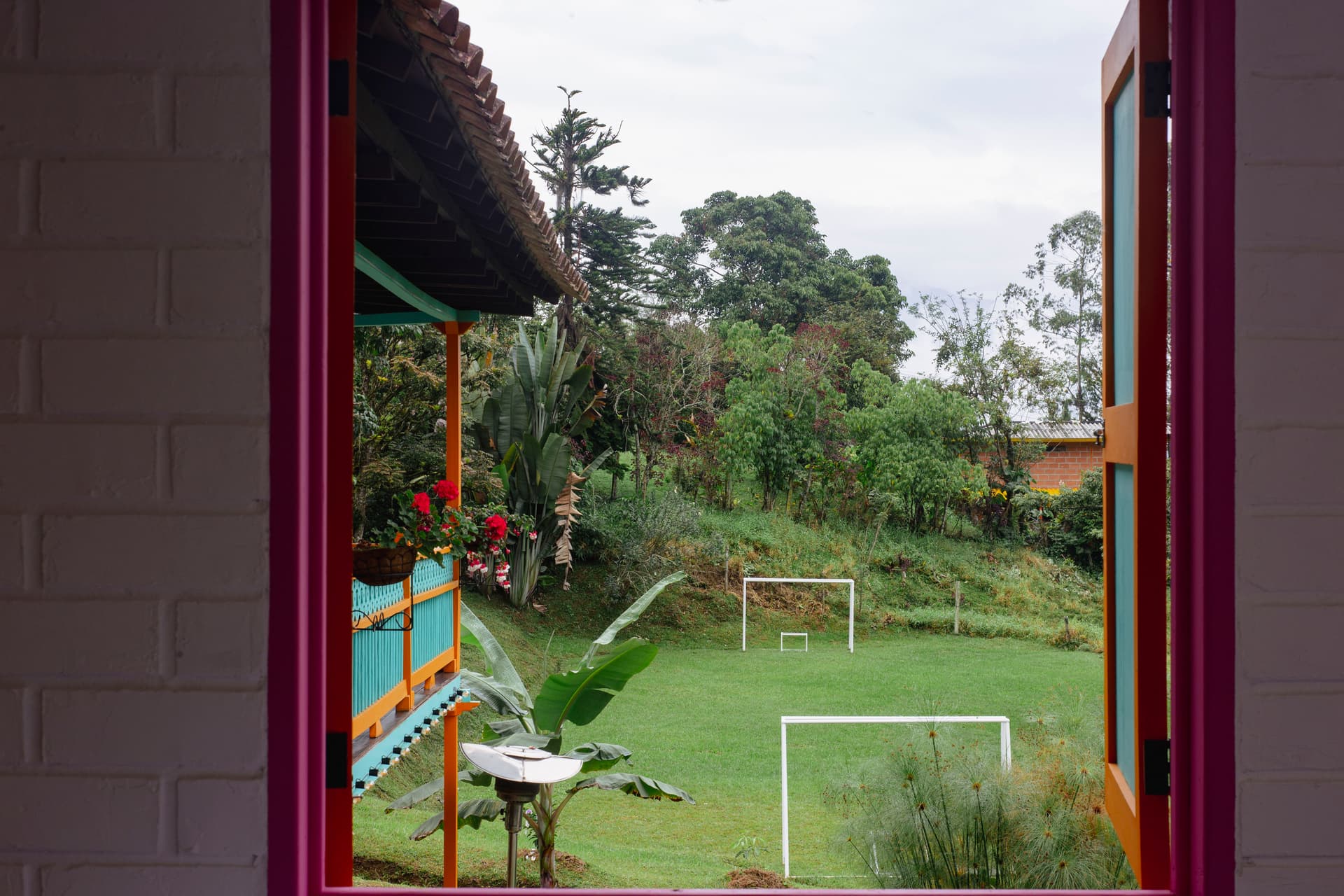
I hiked every day, but not like a tourist ticking off attractions. I walked the way you walk when you have nowhere to be. I took the trail up to Cristo Rey and sat at the top for two hours, watching the shadows of clouds move across the valley like slow animals grazing. I walked to the swimming holes and sat on a rock with my feet in the water, feeling the cold current push against my ankles like a patient argument.
One morning, I volunteered to help at the hostel. I washed dishes and swept the common area and felt useful in a way that had nothing to do with duty. The staff — who are genuinely some of the warmest people I have encountered anywhere — seemed amused by the Israeli who wanted to clean, but they let me. Maria, who works at reception, taught me to say "everything is fine" in paisa Spanish: "todo bien, parce." I said it approximately four hundred times that week.
The Coffee Farm
I spent an afternoon at one of the coffee farms outside town. The farmer, a man in his sixties with hands like leather gloves, walked me through his land with the pride of someone showing you his life's work. He explained the process — planting, growing, harvesting, drying, roasting — and I understood something: this man had spent forty years perfecting one thing. One thing. The simplicity of that devotion struck me like a bell.
In the army, everything was complex. Multiple objectives, contingency plans, backup plans for the backup plans. This man woke up every morning and grew coffee. He grew it well. He was happy. The equation was not complicated.
The Silence Between Mountains
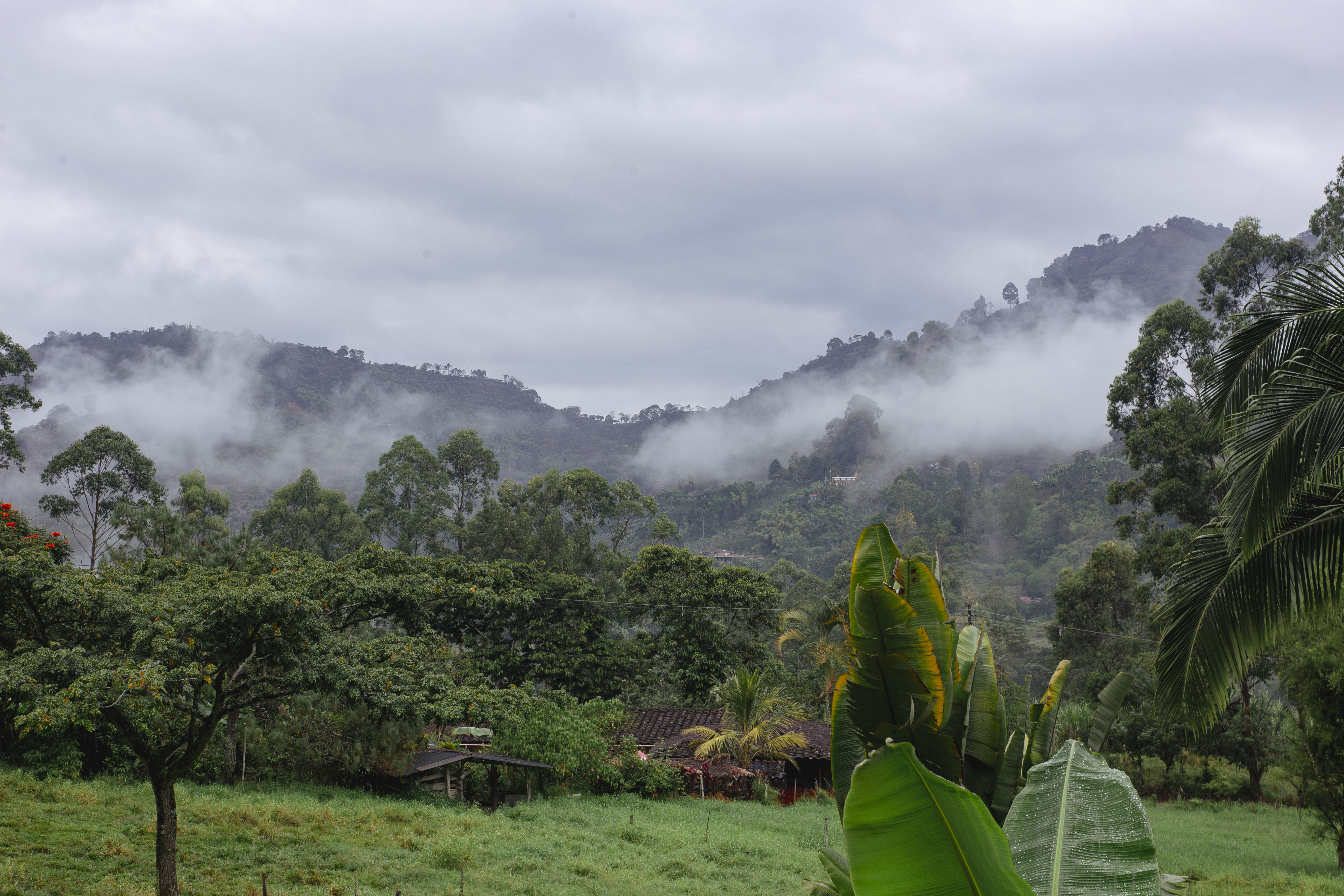
On my sixth night, I sat by the pool after everyone had gone to sleep. The hostel was quiet except for the distant sound of the river and the occasional rustle of wind through the bamboo. The mountains were black shapes against a sky full of stars — more stars than I had seen since the Negev, which is saying something.
I thought about the things I had carried with me from Israel. The weight of them. The way certain sounds still made my heart accelerate — a car backfiring, a door slamming. The way I sometimes woke at 3 AM with my fists clenched, dreaming of sand and concrete.
Jardín did not heal these things. I want to be honest about that. A mountain town in Colombia is not a therapist, and anyone who tells you travel cures trauma is selling something. But Jardín gave me space to feel them without the noise of a city drowning them out. It gave me silence that was not emptiness but fullness — the kind of silence that holds you up instead of swallowing you.
What I Found
I came to Colombia looking for something I could not name. In Jardín, I did not find it, exactly. But I found the conditions for it — the space, the quiet, the kindness of strangers, the beauty of mountains that have been standing for millions of years and will continue standing long after my small struggles are forgotten.
I found that I could sit still without feeling like I was wasting time. I found that conversations with strangers could be meaningful without being deep. I found that a hostel could feel like home if the people who run it care about creating something more than a business.
On my last morning, I had breakfast in the common area and Maria asked if I was sad to leave. I said yes. She said, "Jardín always waits. You can come back." She said it simply, like a fact about the weather, and I believed her.
To Isla de Pascua: thank you for the long table, the quiet pool, the mountains that had something to say and the space to listen. I will come back. Not because I need to find something, but because I already found it and want to sit with it again.
— Daniel, writing from a café in Bogotá, already planning the return
Ready to experience Jardín?
Book Now Isla de Pascua