Written by Carlos Mendoza — Venezuela
Stay: January 2026, 10 nights
Finding a Second Home: Carlos's Story from Venezuela
I need to tell you something about being Venezuelan before I tell you about Jardín. Because you can't understand why this place hit me so hard without understanding where I come from.
I left Maracaibo four years ago. I was twenty-six, an engineer with a degree that meant nothing when the economy collapsed, with a family I loved in a country that was falling apart. The leaving — I don't talk about the leaving much. Just know that it involved a bus, a border, and the kind of goodbye where nobody says "see you later" because nobody knows if that's true.
I landed in Bogotá. Cold, enormous, indifferent Bogotá. I got a job at a construction company. I made friends. I built a life — a functional life, a productive life, a life where I sent money home every month and called my mother every Sunday and pretended that the homesickness wasn't slowly eating me alive.
After four years, I was tired in a way that sleep couldn't fix. My therapist (yes, Venezuelan men go to therapy — we're evolving) suggested I take a real break. Not a weekend trip to Villa de Leyva. A real break. Go somewhere new, stay long enough to actually decompress. "Find a place that reminds you of home without being home," she said.
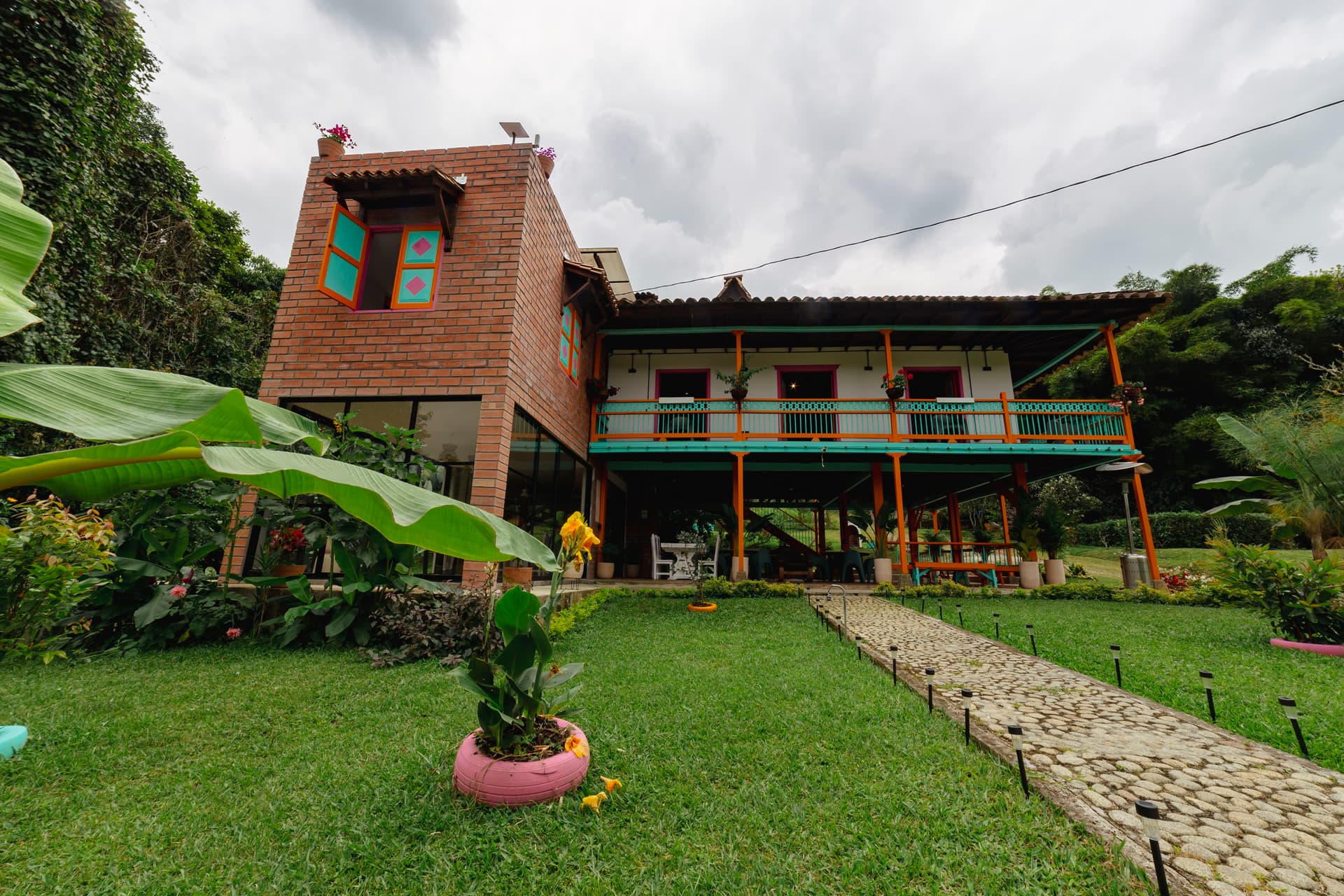
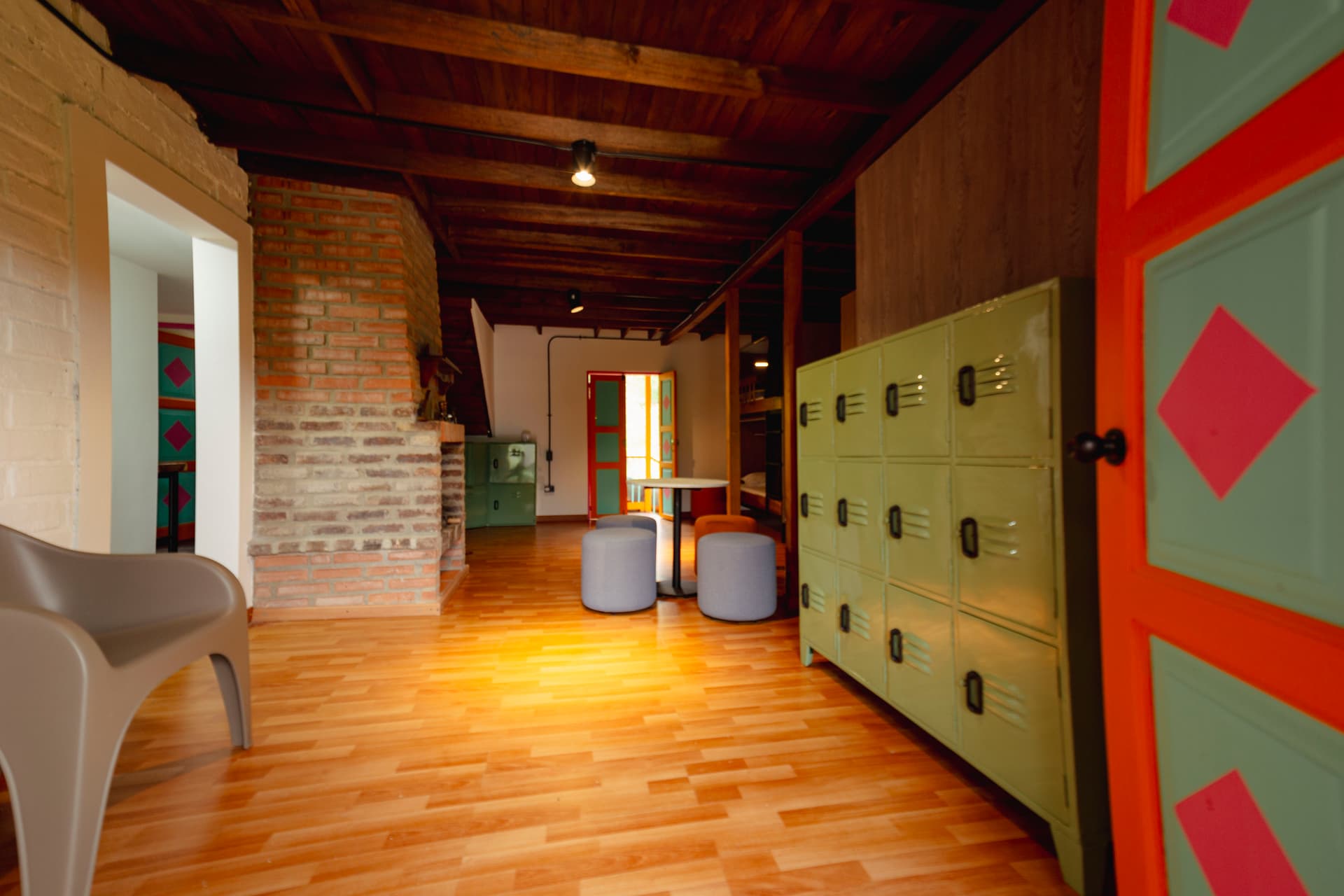
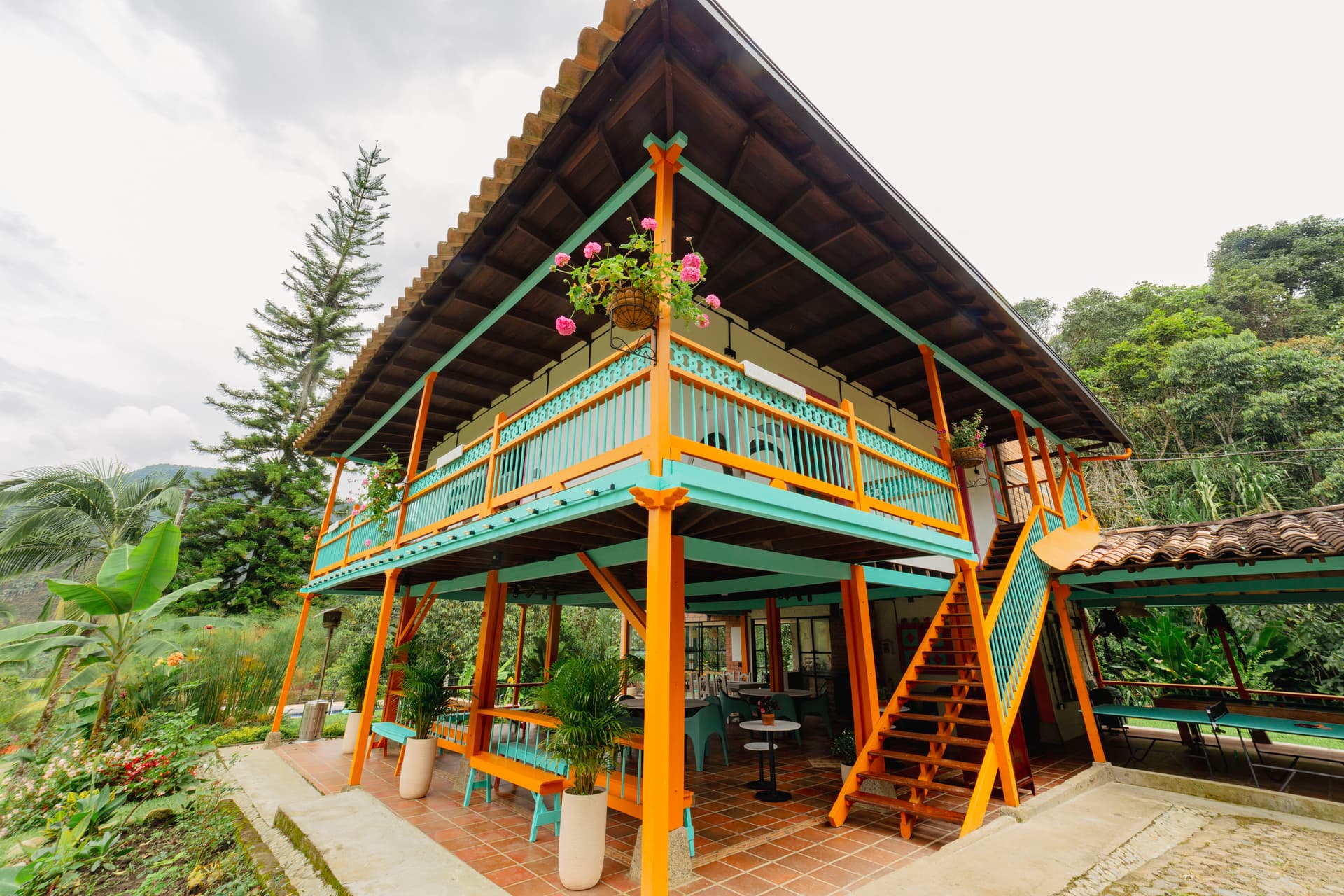
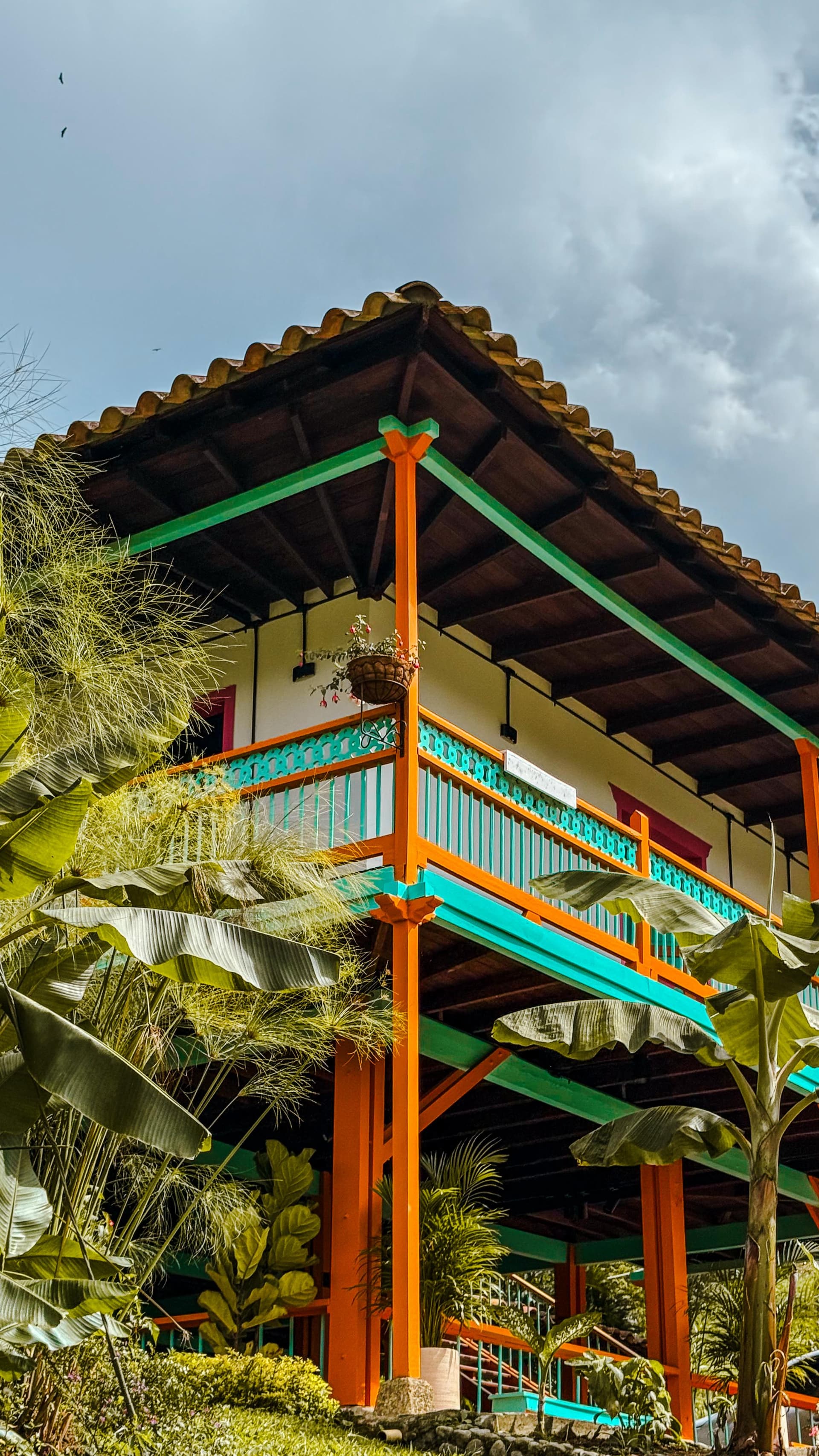
A Colombian coworker mentioned Jardín. "It's small. It's green. It's warm. People are friendly. It's nothing like Bogotá." She showed me photos of Isla de Pascua hostel and I booked ten nights that same afternoon. Ten nights. My coworkers thought I was crazy. My therapist smiled.
Day One: Breathing Again
The bus ride from Medellín was four hours through some of the most beautiful landscape I've seen in Colombia — and I've been here four years, so I've seen a lot. But these mountains, with their coffee farms and their mist and their shades of green that don't have names in any language — they reminded me of the Andes in Mérida state, where my abuela lived. The resemblance was so striking that I had to close my eyes for a minute.
When I arrived at Isla de Pascua, I stood in the garden and breathed. Really breathed. Not the shallow, functional breathing of a man rushing between meetings in Bogotá. Deep, slow breaths of air that smelled like rain and flowers and earth. My shoulders dropped about three inches. I hadn't realized I'd been carrying them near my ears for four years.
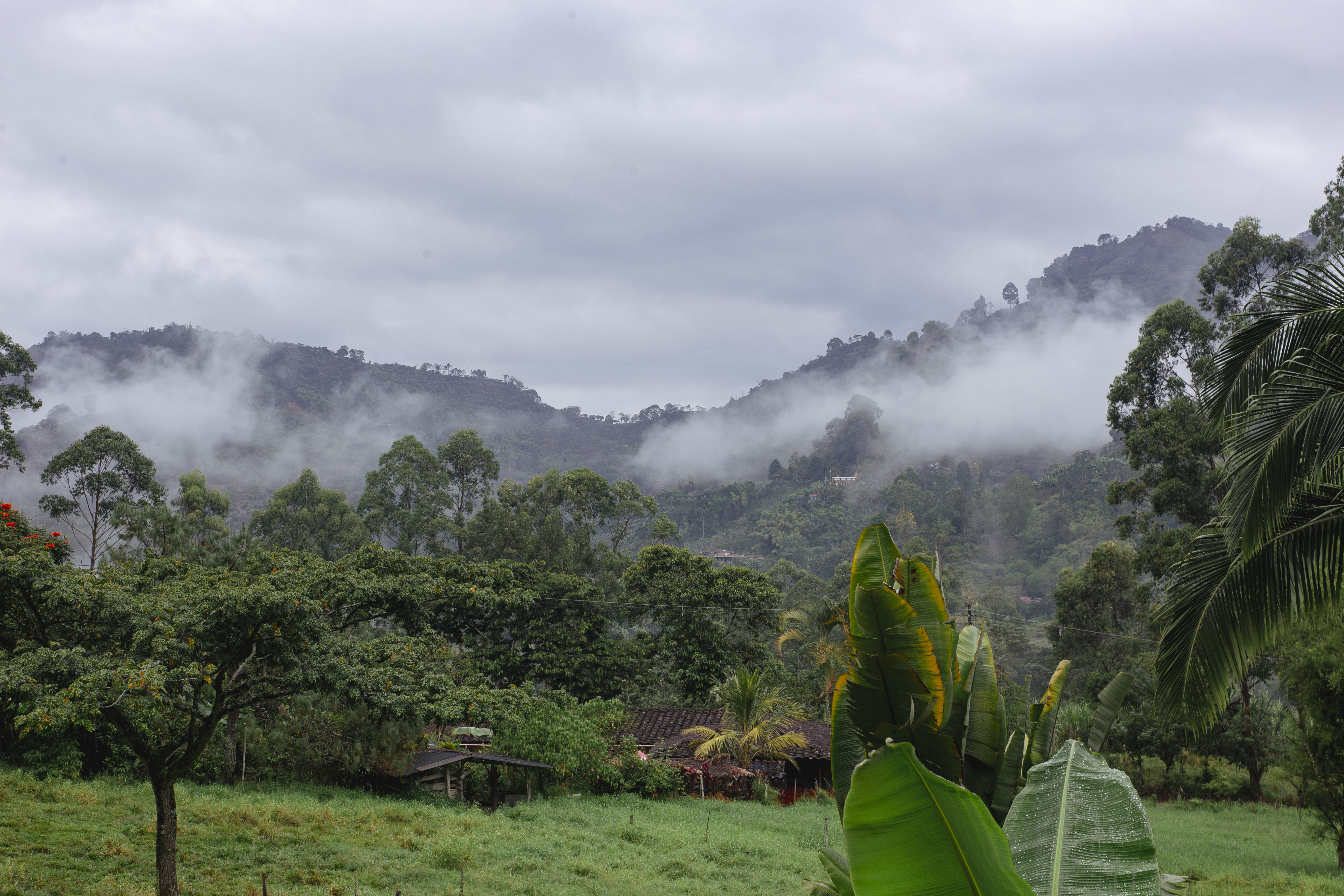
I claimed a hammock. I lay down. I stared at the mountains. And for the first time in longer than I can remember, I didn't feel the need to do anything. Not work, not plan, not worry about exchange rates or apartment rent or whether the remittance made it through. Just exist. Just be a body in a hammock in the mountains, watching clouds.
I stayed in that hammock until sunset. The sky turned orange, then pink, then purple, and I watched every second of the transition like it was a film I'd paid good money to see.
Becoming Part of the Furniture
By day three, the staff at Isla de Pascua had adopted me. I don't know how else to describe it. When you stay ten nights at a hostel, you stop being a guest and start being... part of the place.
It started small. I helped carry some chairs one morning when they were rearranging the common area. Then I offered to help with breakfast prep because I was up early anyway and the kitchen smelled amazing. Then someone's drain was clogged and the maintenance guy was off, and I said, "I'm an engineer — let me look at it." Fixed it in twenty minutes. The staff looked at me like I'd performed open-heart surgery.
By day five, I had an unofficial role. I'd help set up breakfast in the morning, spend the middle of the day exploring the town or hiking, and come back in the evening to hang out in the common area and welcome new guests. I'd recommend restaurants, explain the bus schedule, share tips about the best hikes. I became the guy who'd been there longest, the one who knew where everything was, the hostel's unofficial concierge.
Was it a coping mechanism? Probably. Helping others is easier than sitting with your own pain. My therapist would have a field day. But it was also genuine — I liked being useful. I liked being part of a community, even a temporary one. For a Venezuelan in exile, community is the thing you miss most, and here I'd stumbled into one by accident.
The Plaza and the Abuelo
I spent a lot of time in the main plaza. Every day, at least an hour. I'd buy a coffee from the same vendor — Doña Mercedes, who started preparing my tinto the moment she saw me coming — and sit in one of the painted chairs and watch Jardín go about its business.
One afternoon, an old man sat down next to me. Don Alfredo. Eighty-seven years old. Born in Jardín, never left. He asked where I was from, and when I said Venezuela, his face softened in a way that told me he understood more than I expected.
"Many Venezuelans have come through here," he said. "Some stay, some move on. But they all look the same when they first arrive — tired. You look tired, mijo."
I told him I was. He nodded.
"Jardín is good for tired people," he said. "The mountains hold you up when you can't hold yourself."
We sat together in silence for a while. In Venezuela, we have a word for this — "echar los perros al parque" — sending the dogs to the park. It means just sitting and watching the world go by, with no purpose, no destination, no productivity. It's the art of doing nothing, and it's something I'd lost in the efficiency-obsessed machinery of city life.
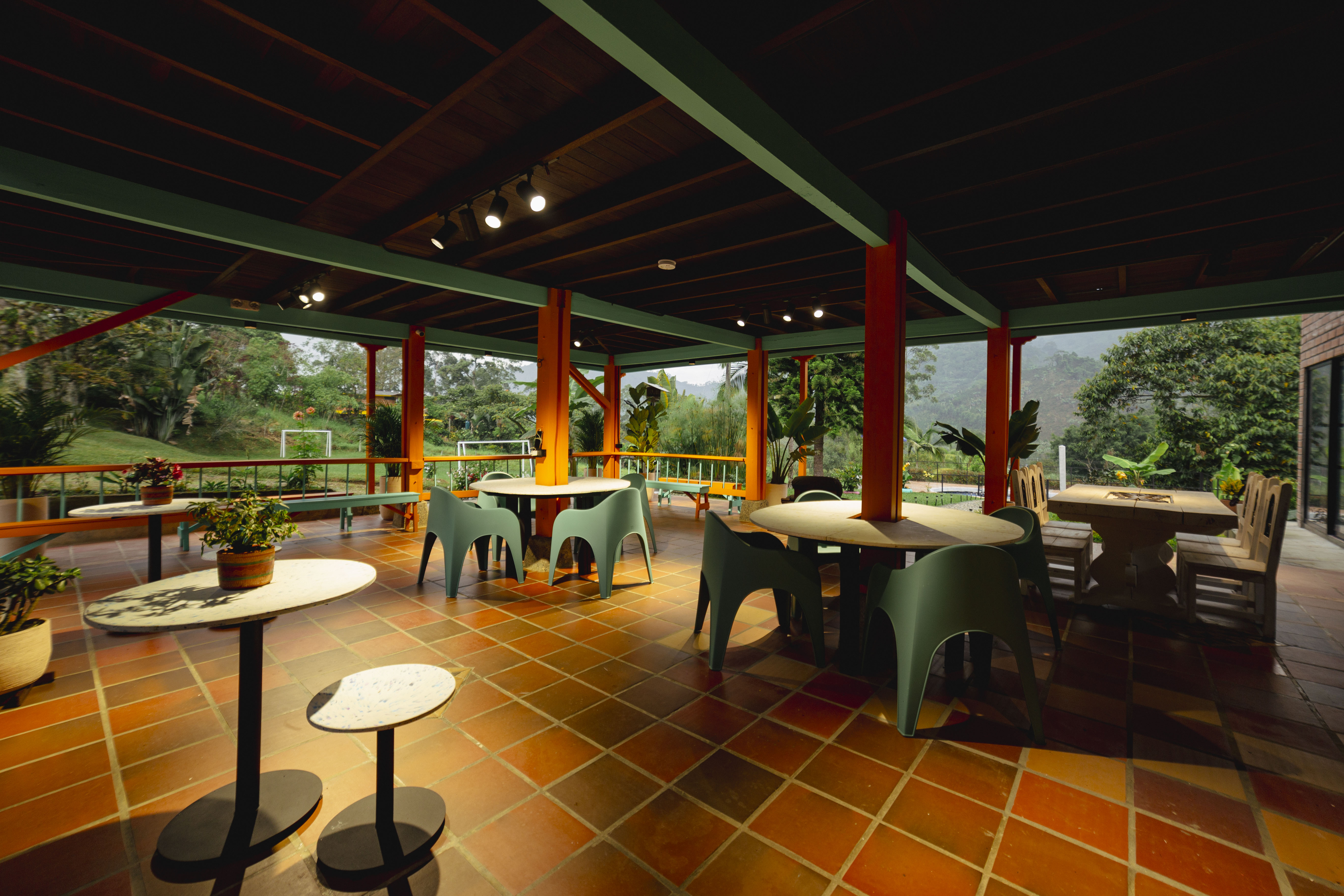
Don Alfredo became my plaza companion. Every afternoon at 3 PM, he'd find me (or I'd find him) and we'd sit together, sometimes talking, sometimes not. He told me about Jardín's history, about the coffee boom and the difficult years, about raising seven children in a house three blocks from the plaza. I told him about Maracaibo, about the lake, about my mother's hallacas at Christmas.
On my last day, he shook my hand and said, "You're always welcome in Jardín, Carlos. You know that."
I know that. I feel it.
The Long Walk
On day seven, I woke up at 5 AM and decided to walk. Not hike to a specific destination — just walk. I left the hostel, went through the town, past the last houses, and onto the dirt roads that wind through the coffee farms above Jardín.
I walked for five hours. Through coffee plantations where workers were already harvesting, nodding hello as I passed. Through patches of forest where the canopy was so thick the sun came through in scattered golden drops. Along ridges where the valley opened up below me and I could see the entire geography of this place — the river, the town, the mountains folding into each other like pages of a book.
Somewhere around hour three, on a trail with nobody around for kilometers, I stopped and called my mother. It was still early but she's always up. I told her about the mountains, about the hostel, about Don Alfredo, about the way the air smelled. She was quiet for a while, and then she said: "It sounds like you found a little piece of peace, mijo."
I had. That's exactly what I'd found.
When I got back to Isla de Pascua that afternoon, muddy and sunburned and emotionally raw, one of the staff members — a girl named Carolina — took one look at me and said, "You had a good walk." Not a question. She brought me coffee and a plate of food and didn't ask any questions, and I was grateful for that.
The Kitchen Nights
The hostel kitchen at Isla de Pascua became my sanctuary. On nights when I couldn't sleep — and there were a few — I'd go down to the kitchen, make arepas (the Venezuelan kind, not the Antioqueño kind — I'll fight about this difference), and share them with whoever was still up.
It's amazing what happens when you cook for strangers. Walls come down. Stories come out. A backpacker from South Korea told me about leaving his corporate job to travel for a year. An Austrian woman shared photos of her three dogs and we bonded instantly. A young Colombian couple, newlyweds, asked me about Venezuela and I told them the truth — the hard truth — and they listened with the kind of attention that makes you feel like your experience matters.
Food is how Venezuelans show love. My mother shows it with hallacas and pabellón. I showed it with midnight arepas in a hostel kitchen in Jardín. Different setting, same language.
Leaving and What It Meant
On the morning of my tenth day, I packed my bag slowly. I'd arrived with a backpack and was leaving with the same backpack, but it felt different. Heavier with memories, lighter with everything else.
The staff gave me a card. They'd all signed it. "Vuelve pronto, Carlos. Esta es tu casa." Come back soon, Carlos. This is your home.
I sat in my hammock one last time, looked at the mountains, and thought about what my therapist had said: find a place that reminds you of home without being home. She was right, but she was also wrong. Jardín didn't just remind me of home. For ten days, it was home. Not because it looks like Maracaibo or sounds like Maracaibo or tastes like Maracaibo. Because it felt the way home is supposed to feel — safe, warm, welcoming, and full of people who care whether you ate today.
Isla de Pascua isn't just a hostel. For me, it was a rest stop on the long, uncertain road of being far from where you started. And Jardín isn't just a beautiful town. It's proof that home isn't always a place you return to. Sometimes, it's a place you discover.
To my fellow Venezuelans scattered across the world: if you need a few days of peace, go to Jardín. The mountains will hold you up. I promise.
— Carlos, back in Bogotá, with a return trip already booked
Ready to experience Jardín?
Book Now Isla de Pascua