Written by Ben Nkosi — South Africa
Stay: September 2025, 4 nights
Ctrl+Alt+Delete: How Jardín Rebooted My Brain
I write code for a living. Specifically, I build backend systems for a fintech startup in Cape Town, and my typical day involves somewhere between eight and twelve hours staring at a screen, fueled by rooibos tea and the gentle hum of imposter syndrome. I love my work — genuinely — but by late August 2025, I was running on fumes. My git commits were getting sloppier, my Slack responses shorter, and I could feel my creativity compiling at about 10% speed.
So I did what any reasonable person would do: I booked a one-way ticket to Colombia with nothing but a backpack and a vague plan to "figure it out."
I'd been traveling for about two weeks — Bogota, the coffee region, a few days in Medellin — when a German backpacker at a bar told me about Jardín. "It's the kind of place where your phone just... stops mattering," she said, swirling her aguardiente. That sounded either terrifying or exactly what I needed. Probably both.
The Arrival
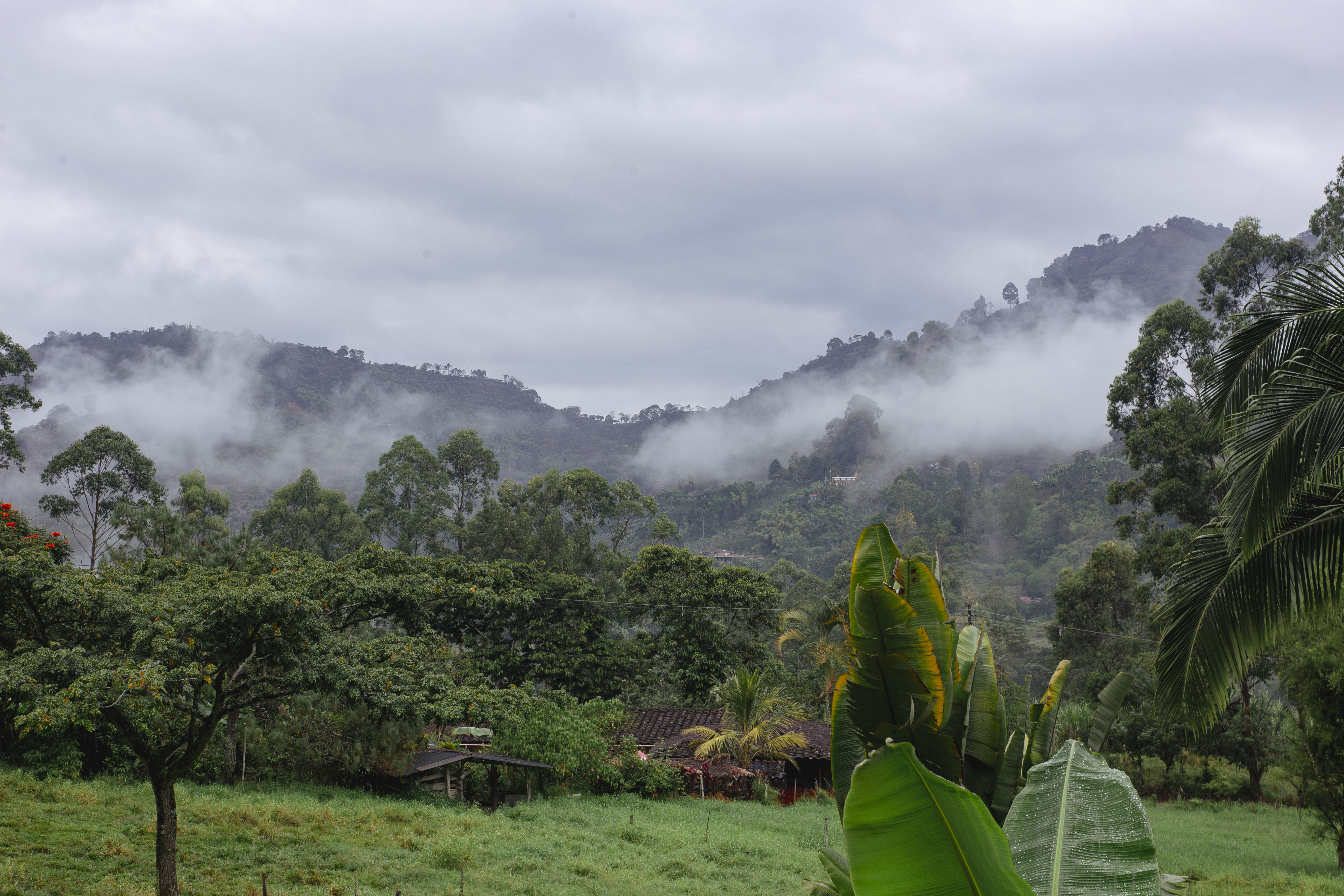
The bus from Medellin wound through mountains so green they looked photoshopped. After about four hours of hairpin turns and increasingly dramatic scenery, we dropped into Jardín's valley, and I immediately understood why people call this place a garden. Everything was absurdly lush — like someone had cranked the saturation slider to maximum on the entire landscape.
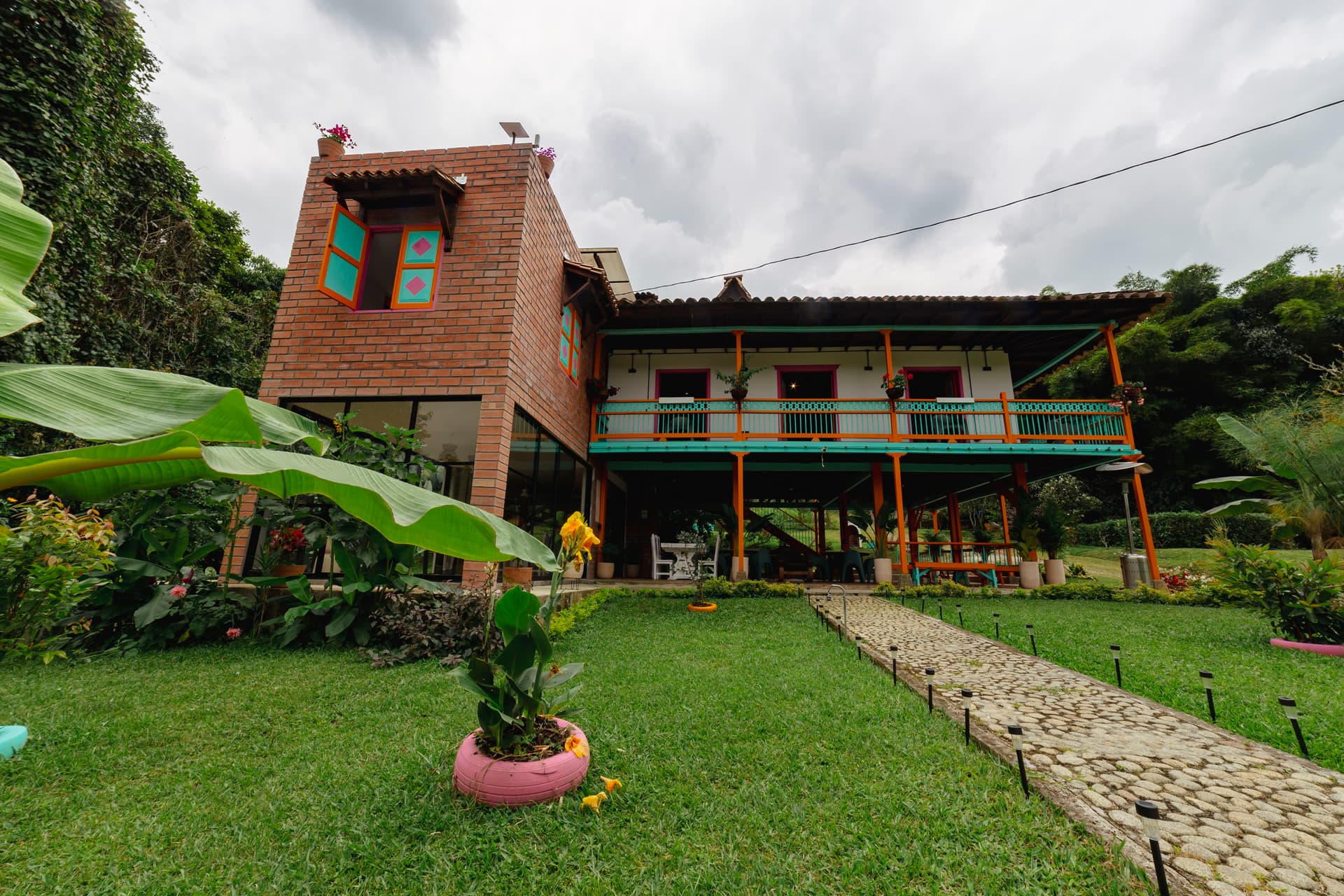
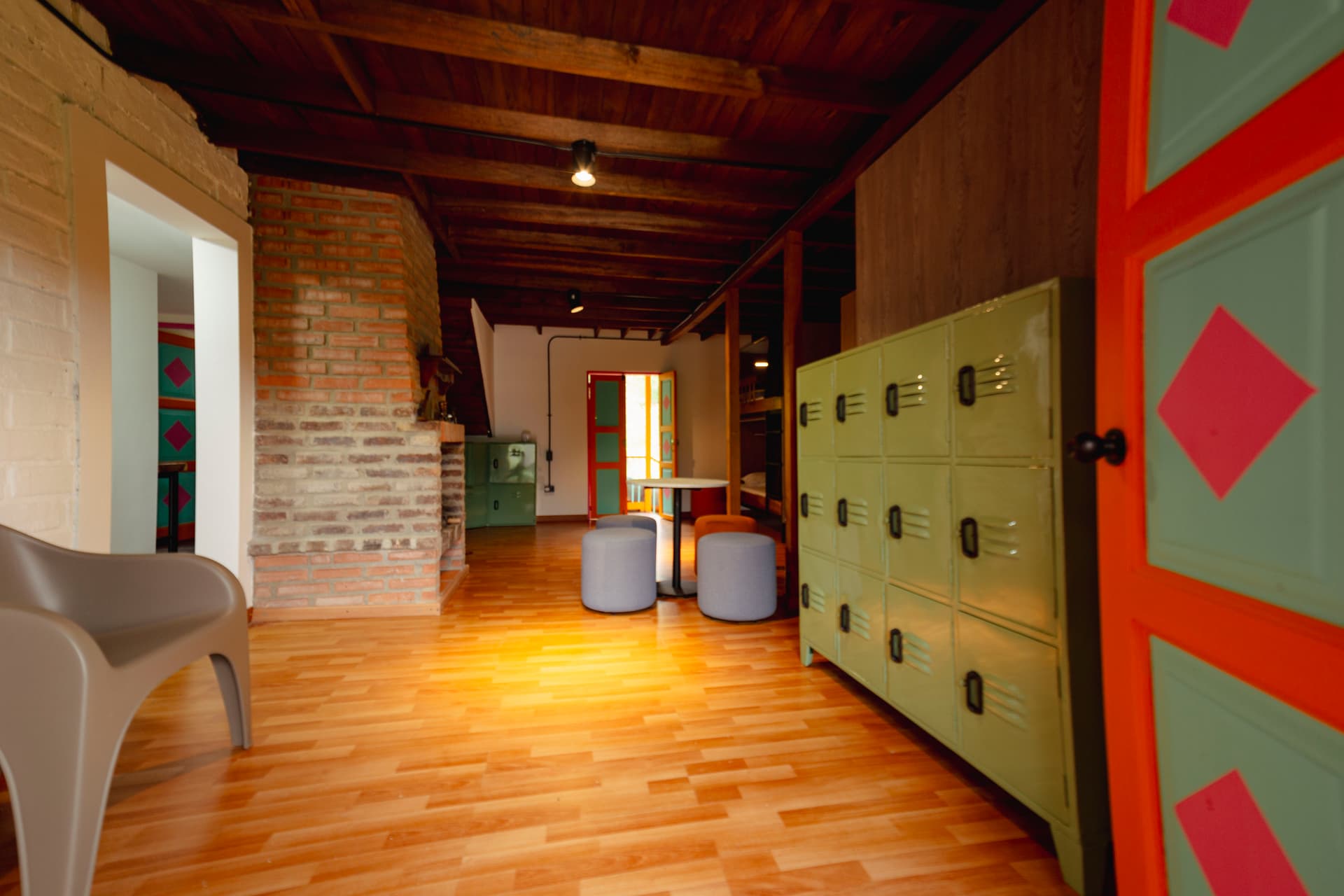
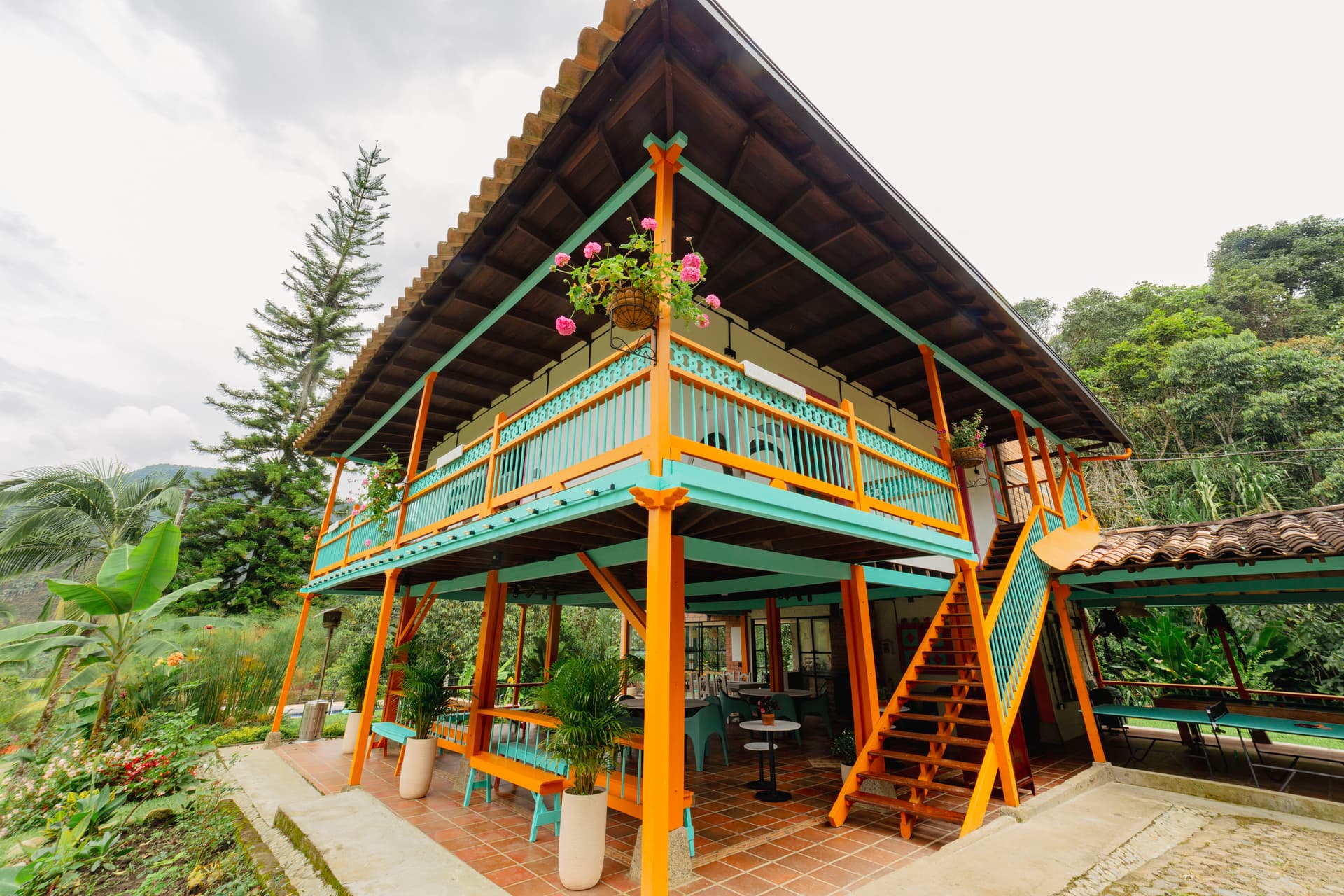
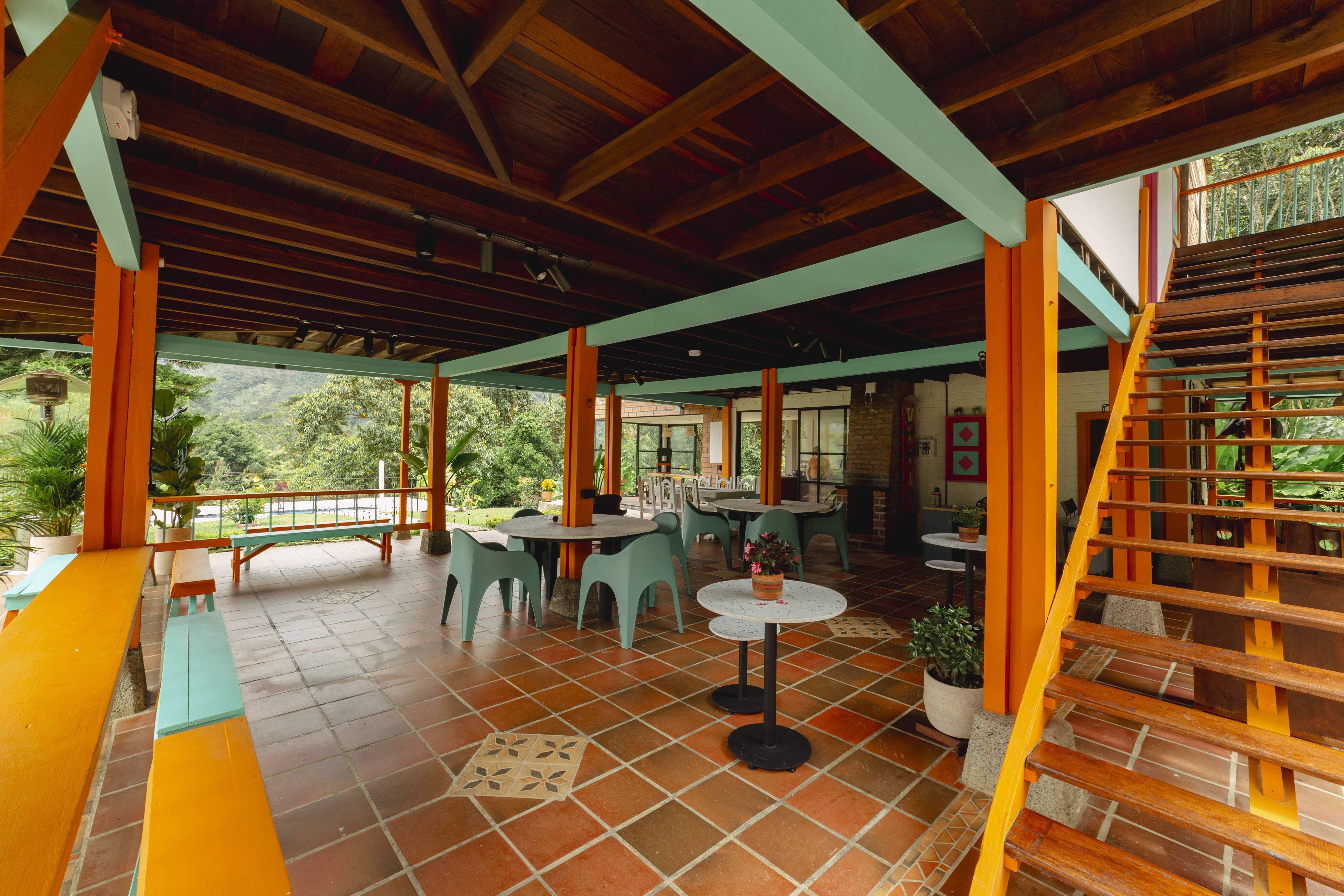
I found Hostel Isla de Pascua on a recommendation from my hostel in Medellin. When I arrived, the first thing I noticed was the hammock situation. There were hammocks everywhere — on the terrace, by the pool, tucked into corners of the garden. The second thing I noticed was that my phone had exactly one bar of signal. My inner developer panicked briefly, then something shifted. I tossed my phone into my locker and decided to run an experiment: four days without screens.
Day One: The Withdrawal
I won't pretend it was easy. By noon, I'd reached for my phantom phone about fifteen times. My thumb kept swiping on surfaces that weren't screens. I caught myself mentally composing tweets about not tweeting. The irony was not lost on me.
But Jardín has this way of filling the space that screens usually occupy. I wandered into the main plaza — the Parque Principal — and just sat on one of those famously colorful chairs, watching the world happen. Old men played cards. Kids chased each other around the Basilica. A woman sold empanadas from a cart that smelled like heaven had a kitchen.
I realized I hadn't just sat and watched anything in months. Maybe years.
That evening, back at Isla de Pascua, I met a group of travelers on the terrace. Without phones to retreat into, we actually talked — like properly talked. There was a couple from France, a solo traveler from Japan, and a retired teacher from Bogota. We shared stories until the stars came out, and when they did, someone pointed out that you could see the Milky Way.
In Cape Town, I can see maybe a dozen stars on a good night. Here, the sky looked like someone had spilled a bucket of glitter across black velvet. I lay on my back in the garden and stared upward for an hour, and it was the most productive hour I'd had in weeks.
Day Two: Into the Cloud Forest
I joined a hiking group headed to Cueva del Esplendor. The trail cut through cloud forest that made my jaw drop every ten minutes. Moss-covered trees draped in bromeliads. Hummingbirds that appeared and vanished like glitches in the matrix. The sound of water everywhere — dripping, rushing, trickling.
As a developer, I spend my life in abstraction layers. Variables, functions, APIs — everything is a representation of something else. But in that cloud forest, everything was just... itself. A tree was a tree. A bird was a bird. The waterfall at Cueva del Esplendor — water pouring through a hole in the cave ceiling into a pool below — was so improbable and beautiful that no Instagram filter could have improved it. For the first time in years, I didn't feel the urge to photograph something. I just stood there and absorbed it.
That night, I joined a stargazing session that one of the hostel staff organized. He pointed out constellations I'd never seen from the Southern Hemisphere — or at least never noticed. Jupiter was visible, bright and steady, and he told us that from Jardín's altitude and latitude, the stargazing conditions are among the best in Antioquia. I made a mental note to come back with a telescope, then laughed at myself for already planning a return trip on day two.
Day Three: Coffee and Conversations
I spent the morning on a coffee farm tour and learned more about agriculture in three hours than I had in twenty-eight years of life. Watching a farmer explain the journey from cherry to cup — the picking, fermenting, washing, drying, roasting — I was struck by how much it resembled good software engineering. Patience, precision, iteration, and an obsessive attention to quality. Except the output was delicious instead of a JIRA ticket.
Back at the hostel, I sat in the garden with a cup of that same farm's coffee and a borrowed paperback novel. I read sixty pages without interruption. When was the last time I'd read sixty consecutive pages of anything that wasn't documentation? I genuinely couldn't remember.
In the afternoon, I borrowed a journal from the hostel's little book exchange shelf and started writing. Not code. Not specs. Just thoughts. Things I'd been too busy to process. Ideas that had been queued up in my mental backlog for months. It felt like clearing a cache that had been full for way too long.
Day Four: The Reluctant Return
On my last morning, I woke up before sunrise and walked to the Cristo Rey mirador to watch the dawn. The valley was filled with mist, and as the sun came up, the clouds turned gold, then pink, then dissolved to reveal the patchwork of green below. I sat on a rock and felt something I can only describe as a system reboot. Clean. Clear. Ready.
I retrieved my phone from the locker that afternoon. I had 247 unread messages, 89 emails, and 14 Slack notifications. I looked at them, took a breath, and put the phone back in my pocket. They could wait another hour.
What I Took Home
Here's the thing about a digital detox that surprised me: it wasn't about proving I could live without technology. I'm a software engineer — technology is my livelihood and my passion. It was about remembering that I'm a human being who happens to write code, not a code-writing machine that happens to be human.
Jardín didn't change my life in some dramatic, quit-your-job-and-move-to-Colombia way. I flew back to Cape Town, reopened my laptop, and got back to work. But something was different. I started taking walks without my phone. I began keeping a journal. I look up at the sky more. And every few weeks, when the code gets tangled and my brain feels like it's running too many processes, I close my eyes and I'm back on that terrace at Isla de Pascua, watching the Milky Way spin slowly overhead, perfectly content with absolutely nothing loading, buffering, or demanding my attention.
If you're a developer, a designer, a content creator, or anyone whose life revolves around screens — book four nights in Jardín. Leave your laptop at the hostel. Let the cloud forest be your only cloud. Trust me, your code will be better when you get back. And your soul will thank you.
Ready to experience Jardín?
Book Now Isla de Pascua