Written by Aiko Tanaka — Japan
Stay: June 2025, 4 nights
Jardín Through My Lens: Aiko's Story from Japan
I have photographed temples in Kyoto at dawn, street scenes in Mumbai at midnight, and the northern lights from a frozen lake in Finland. But I was not prepared for Jardín. Nothing in my research — not the Instagram posts, not the travel blogs, not the drone footage on YouTube — captured what this place actually feels like when the light hits it.
I arrived on a Tuesday afternoon in June after a long bus ride from Medellín. The road itself was beautiful, winding through green valleys that reminded me of the mountainous countryside in Nagano prefecture, but amplified — bigger mountains, thicker vegetation, more dramatic clouds. When the bus finally pulled into the small terminal in Jardín, I stepped off into soft afternoon light and immediately understood why photographers talk about this place.
First impressions and the hostel
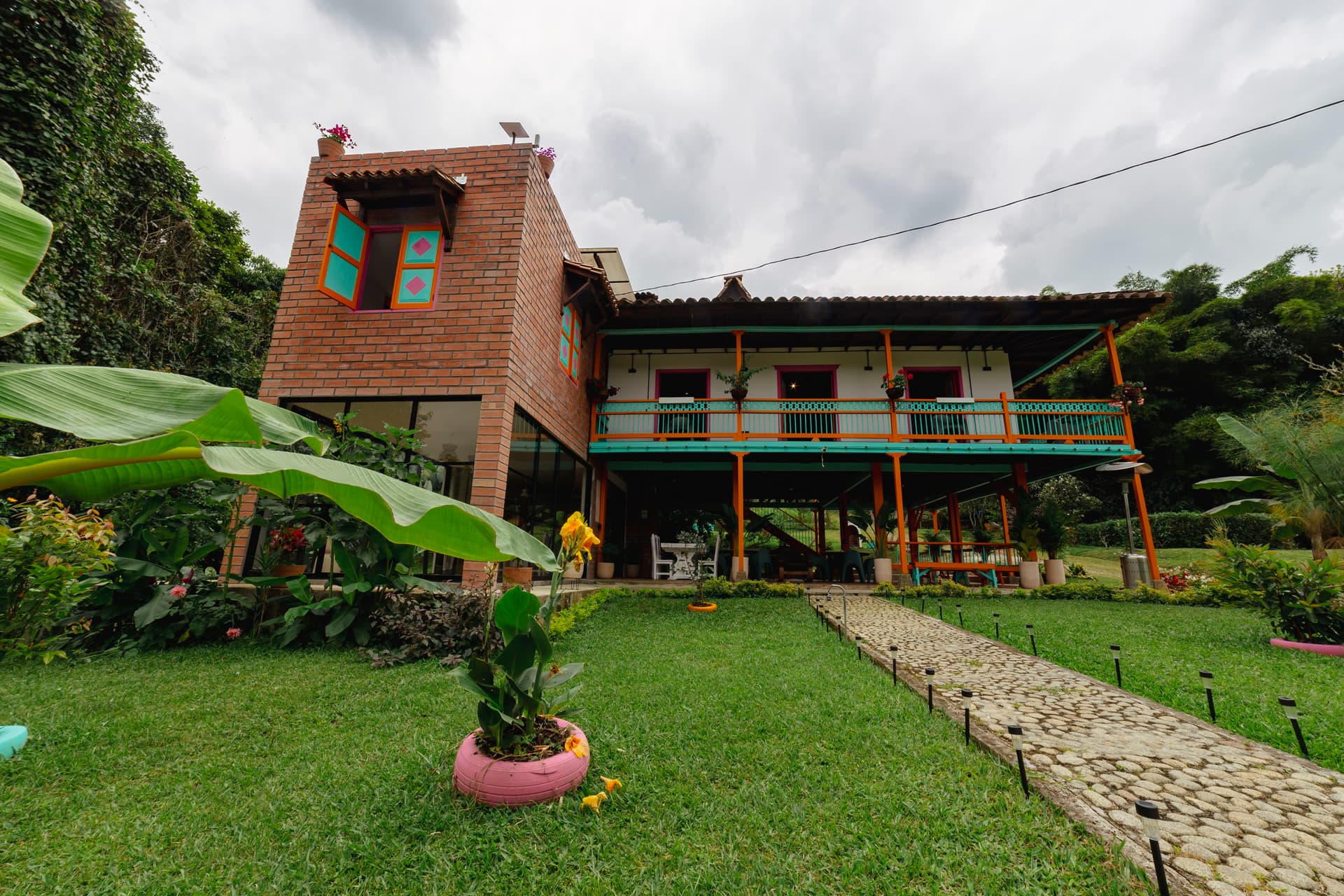
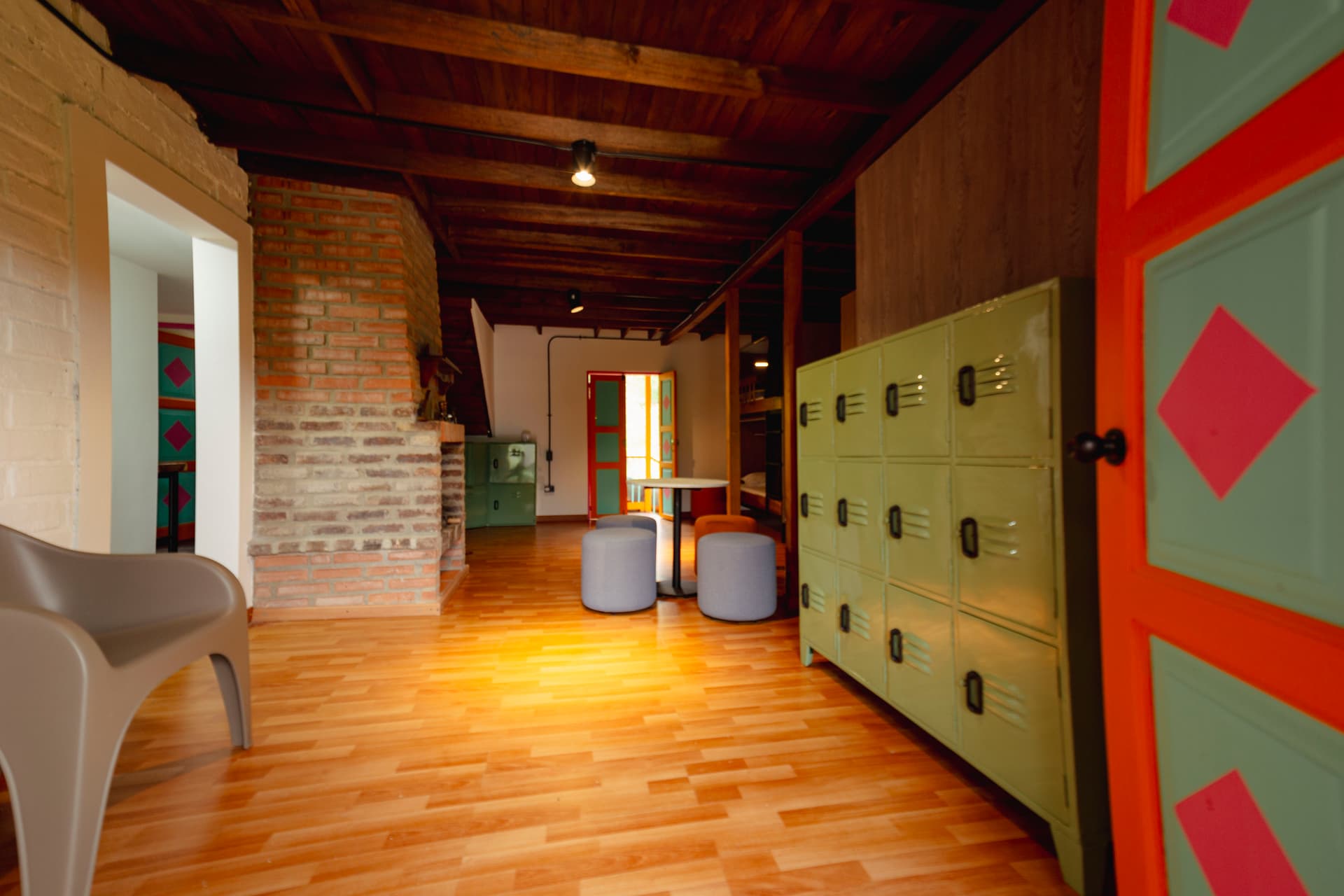
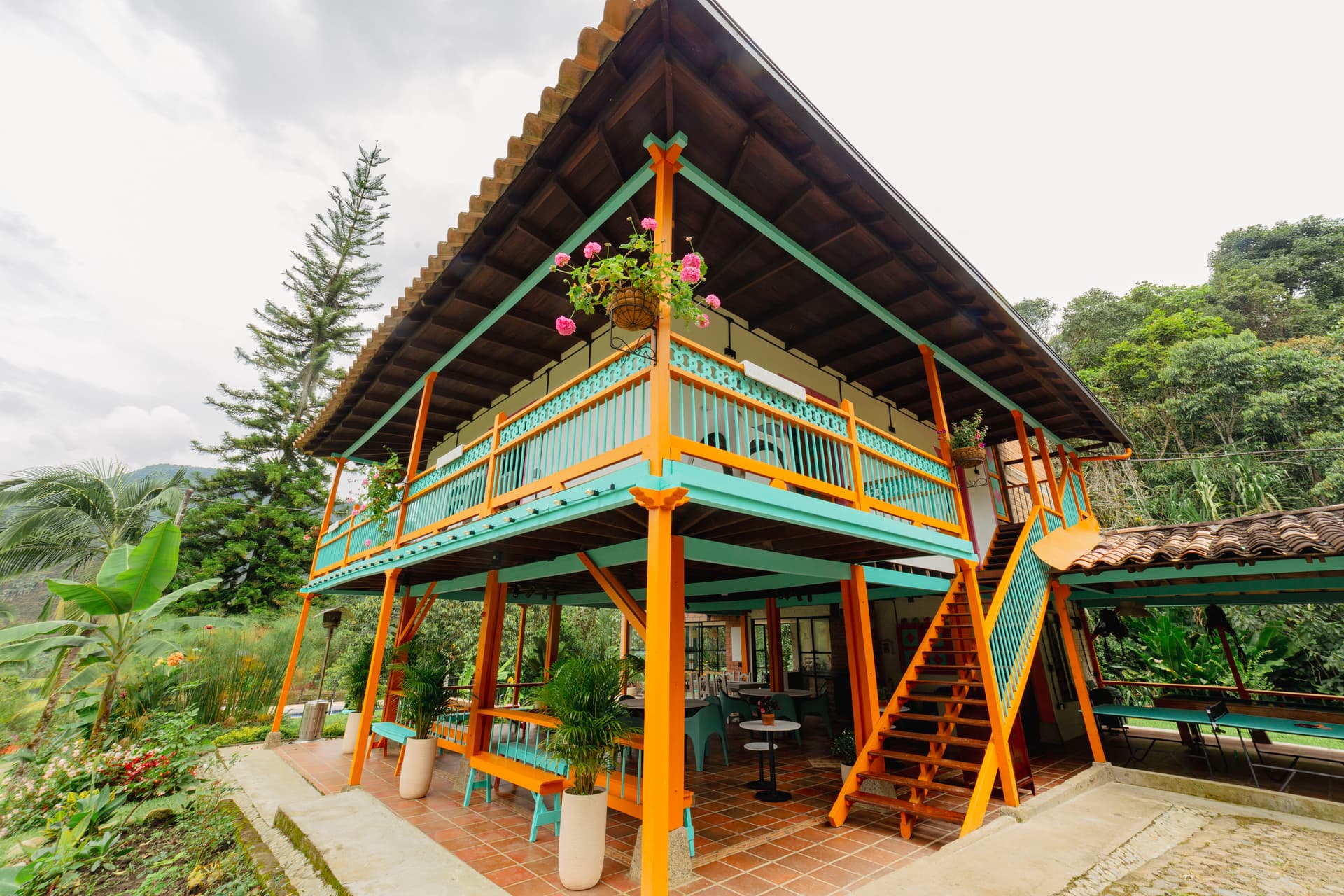
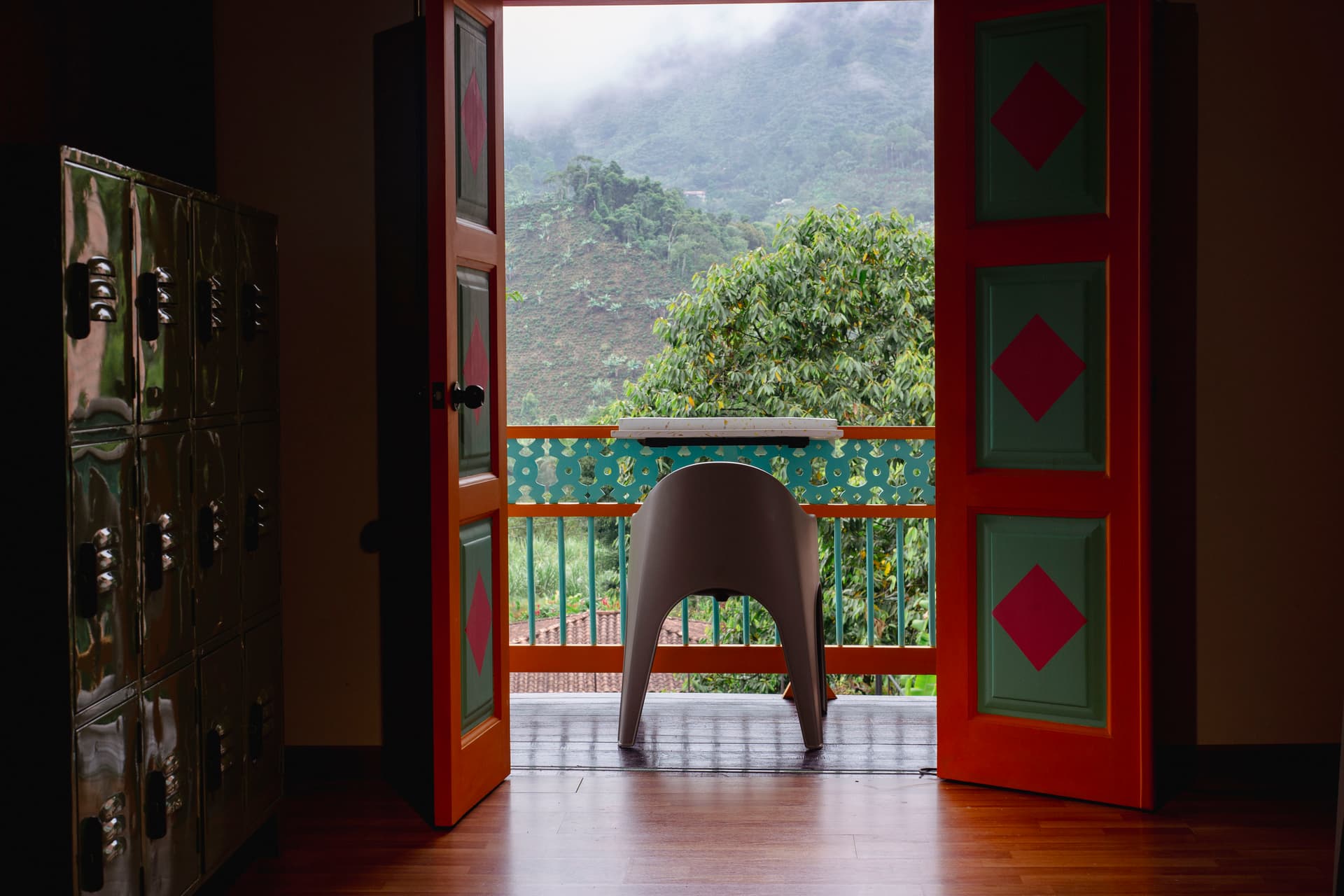
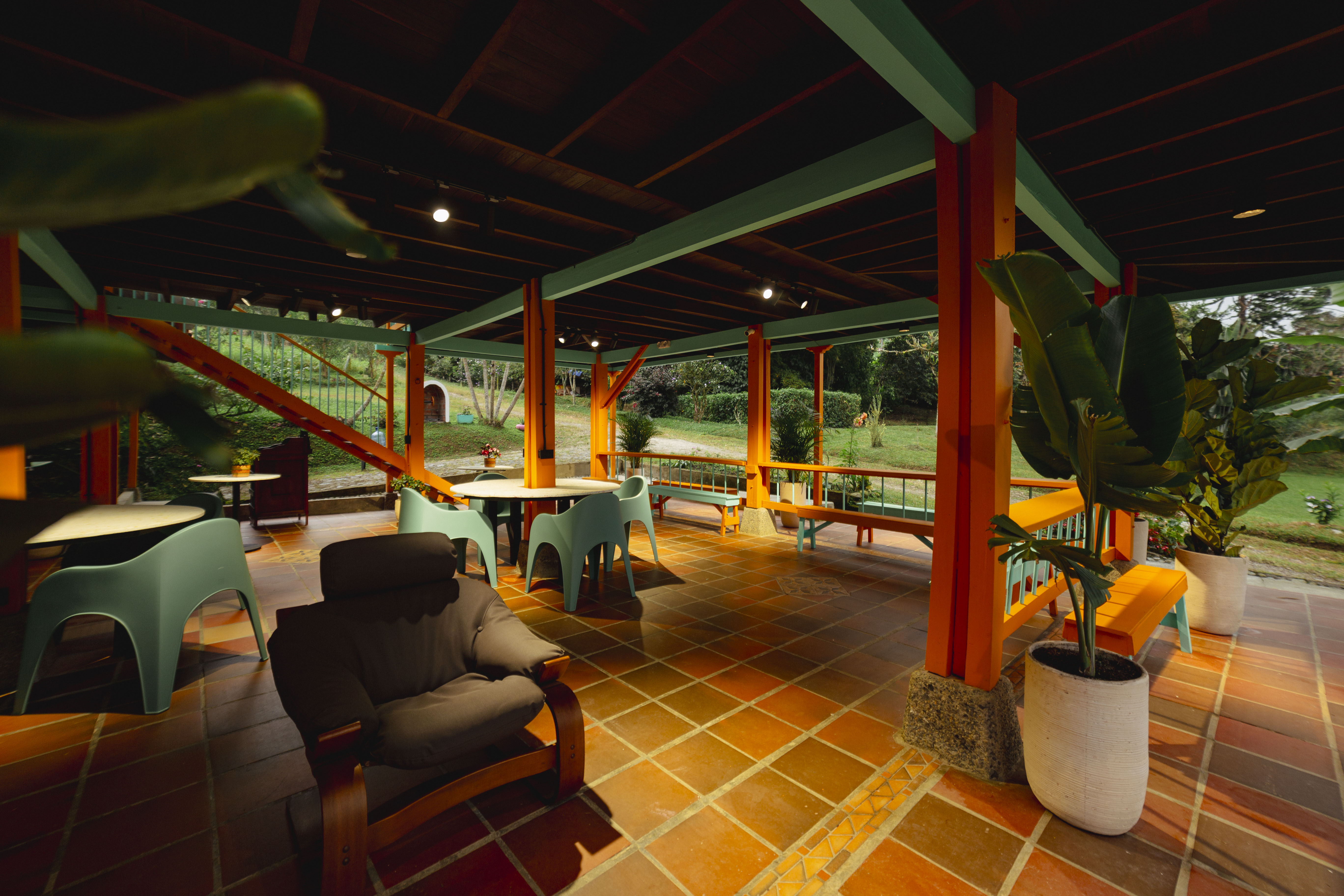
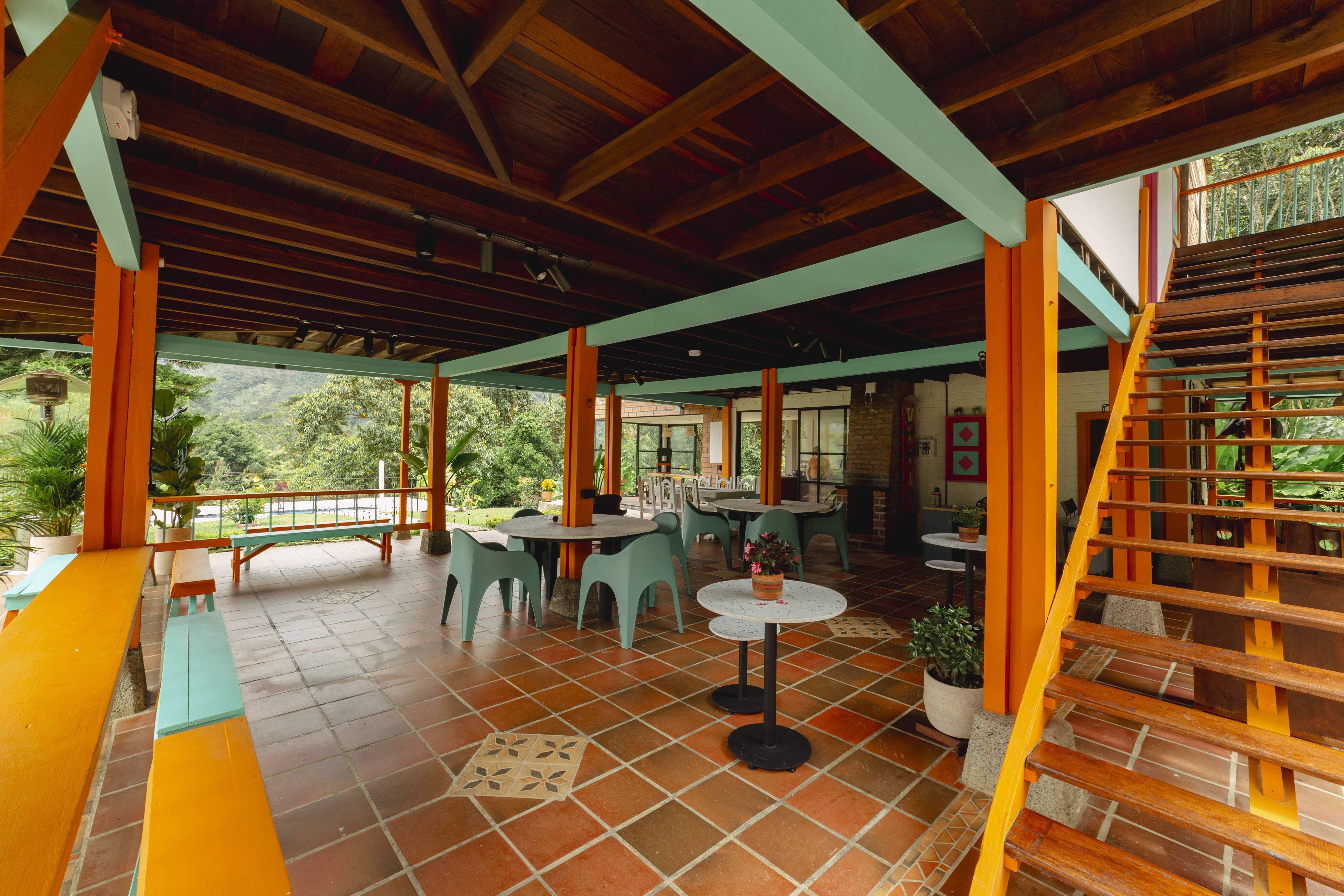
A colectivo took me up the hill to Isla de Pascua hostel, and the moment I walked through the entrance, I knew I had chosen well. The property sits elevated above the town, surrounded by gardens and trees, with views that stretch across the valley to the mountains beyond. I dropped my bags in my room — clean, simple, with a window that framed the green hills like a photograph — and went straight to the common area with my camera.
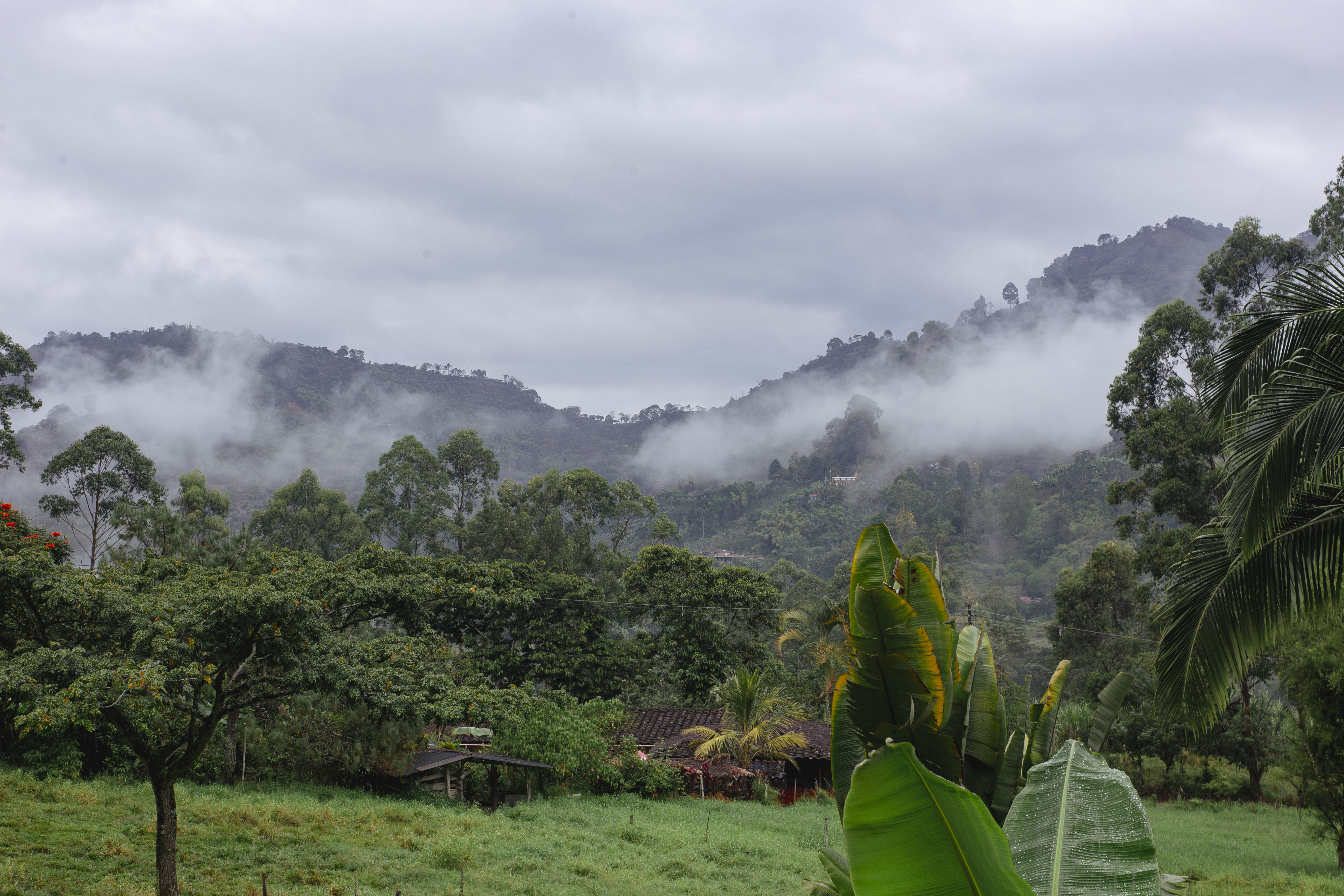
The light that first evening was extraordinary. A warm, amber glow settled over the mountains as the sun dropped toward the ridge line. I shot for an hour straight without moving, just adjusting my angle as the light shifted from gold to pink to deep purple. Other guests drifted over to watch the sunset too, and we sat together in comfortable silence — the kind of quiet that only happens when everyone is looking at something genuinely beautiful.
The Basilica at golden hour
The next morning I woke before dawn and walked down into town. Jardín's main plaza — Parque El Libertador — was nearly empty at that hour. A few early risers sat on the colorful sillas with cups of tinto, and a woman swept the sidewalk in front of her shop. The Basilica of the Immaculate Conception stood in the center of it all, its neo-Gothic stone facade catching the first rays of sun.
I have photographed hundreds of churches across dozens of countries. This one stopped me. Not because it is the largest or the most ornate — it is neither — but because of the way it interacts with its surroundings. The stone seems to glow in early morning light, shifting from cool gray to warm honey as the sun rises higher. The mountains behind it create a natural frame that no architect could have planned. And the colored buildings of the plaza reflect warm tones onto the stone, so the whole scene becomes a study in complementary light.
I spent three hours shooting the Basilica from every angle I could find. From the plaza benches. From the second-floor balcony of a café across the square. From the street that runs behind it, where the mountains rise sharply and the church appears to grow out of the earth itself. Each angle revealed something new.
Pro tip: Base yourself at Isla de Pascua — For the best light on the Basilica, arrive at the plaza between 6:00 and 7:00 AM. The east-facing facade catches direct morning sun, and the plaza is empty enough to shoot without crowds.
Morning light on the plaza
What makes Jardín exceptional for photography is not any single subject — it is the consistency of beautiful light throughout the day. The town sits in a valley surrounded by mountains, and the interplay between the peaks, the clouds, and the sun creates lighting conditions that shift constantly but rarely disappoint.
The mornings are my favorite. Between six and eight, before the clouds build, the light is clean and directional. It cuts across the plaza at a low angle, illuminating the painted facades of the buildings in sharp detail. Every color pops — the blues, yellows, greens, and reds of the window frames and doors become almost impossibly vivid. The sillas lined up along the plaza edge create repeating patterns of color and shadow that I could photograph endlessly.
I found myself returning to the plaza at different times each day, watching how the light changed. Mid-morning brought softer, more diffused light as clouds rolled in from the west. Afternoons were dramatic — big cumulus clouds would build over the mountains, creating shafts of light that moved across the valley like spotlights on a stage. And the sunsets, viewed from the hostel terrace, were consistently spectacular.
The details that matter
Beyond the grand vistas, Jardín is a place of extraordinary small details. The texture of hand-carved stone on the Basilica walls. The wear patterns on a wooden door that has been opening and closing for a hundred years. The way condensation forms on a glass of fresh-squeezed lulo juice. The hands of a cestería artisan weaving iraca palm into intricate patterns.
I spent an entire afternoon photographing the details of the town's architecture — the ironwork on balconies, the tile patterns on floors, the hand-painted signs above shop doors. Every surface tells a story of craftsmanship and care. In Japan, we have a concept called "monozukuri" — the art of making things with care and attention. Jardín embodies this spirit in its architecture, its food, its crafts, and the way its people maintain their traditions.
The view from the mirador
On my third day, I hiked up to the Cristo Rey mirador above the town. The trail climbs steeply through coffee farms and patches of forest, and the views become more expansive with every switchback. At the top, the entire valley of Jardín spreads out below — the town a cluster of red roofs and white walls, the Basilica rising above everything, the river winding through green fields, and mountains rolling away in every direction.
I shot panoramas, details, and everything in between. The light was perfect — partly cloudy with occasional breaks of sun that illuminated different parts of the valley in sequence. I stayed for two hours, waiting for each shift in light, each new composition revealed by the movement of clouds.
The people and the quiet confidence of Jardín
What I will remember most about Jardín is not any single photograph but the feeling of being somewhere that is confident in its own beauty without being self-conscious about it. The town does not perform for tourists. It simply exists as it has for over a century, beautiful and functional and lived-in.
At the hostel, I met travelers from six different countries, and we shared stories over meals in the common area. The staff recommended shooting locations I never would have found on my own — a hidden courtyard with bougainvillea cascading over colonial walls, a bridge over the river where the light at noon creates perfect reflections, a coffee farm where the rows of plants create geometric patterns against the hillside.
On my last morning, I woke early one final time and sat on the hostel terrace with my camera in my lap, watching the mist rise from the valley. I did not take a single photograph. Some moments are better held in memory than captured on a sensor.
I came to Jardín for four nights. I left with over three thousand photographs and the quiet certainty that I will return. This place has light that I have not found anywhere else in the world.
Aiko Tanaka is a freelance photographer based in Tokyo. She stayed at Isla de Pascua hostel in June 2025. You can follow her work on Instagram.
Ready to experience Jardín?
Book Now Isla de Pascua