Written by Zoë Peeters — Belgium
Stay: November 2025, 5 nights
A Belgian Chocolate Maker Finds Cacao's Soul Sister in Jardín
I work with cacao. I have worked with cacao for six years — sourcing beans from Ghana, Ecuador, Vietnam, and Madagascar, roasting them in my small workshop in Ghent, and transforming them into bars that I sell at weekend markets and through a handful of specialty shops across Belgium. I know fermentation. I know roasting profiles. I know what happens when you get the temperature wrong by two degrees. I live in a world of flavor notes, bean genetics, and terroir.
So when I tell you that the coffee culture in Jardín made me rethink everything I thought I knew about craft food production, please understand that I do not say this lightly.
I came to Colombia to visit cacao farms in Santander — that was the original plan. But a fellow craft food producer I met in Bogotá said, "If you understand fermentation, you need to see what the coffee farmers in Jardín are doing. The parallels will blow your mind." She was right. They did.
The Hostel That Smelled Like Paradise
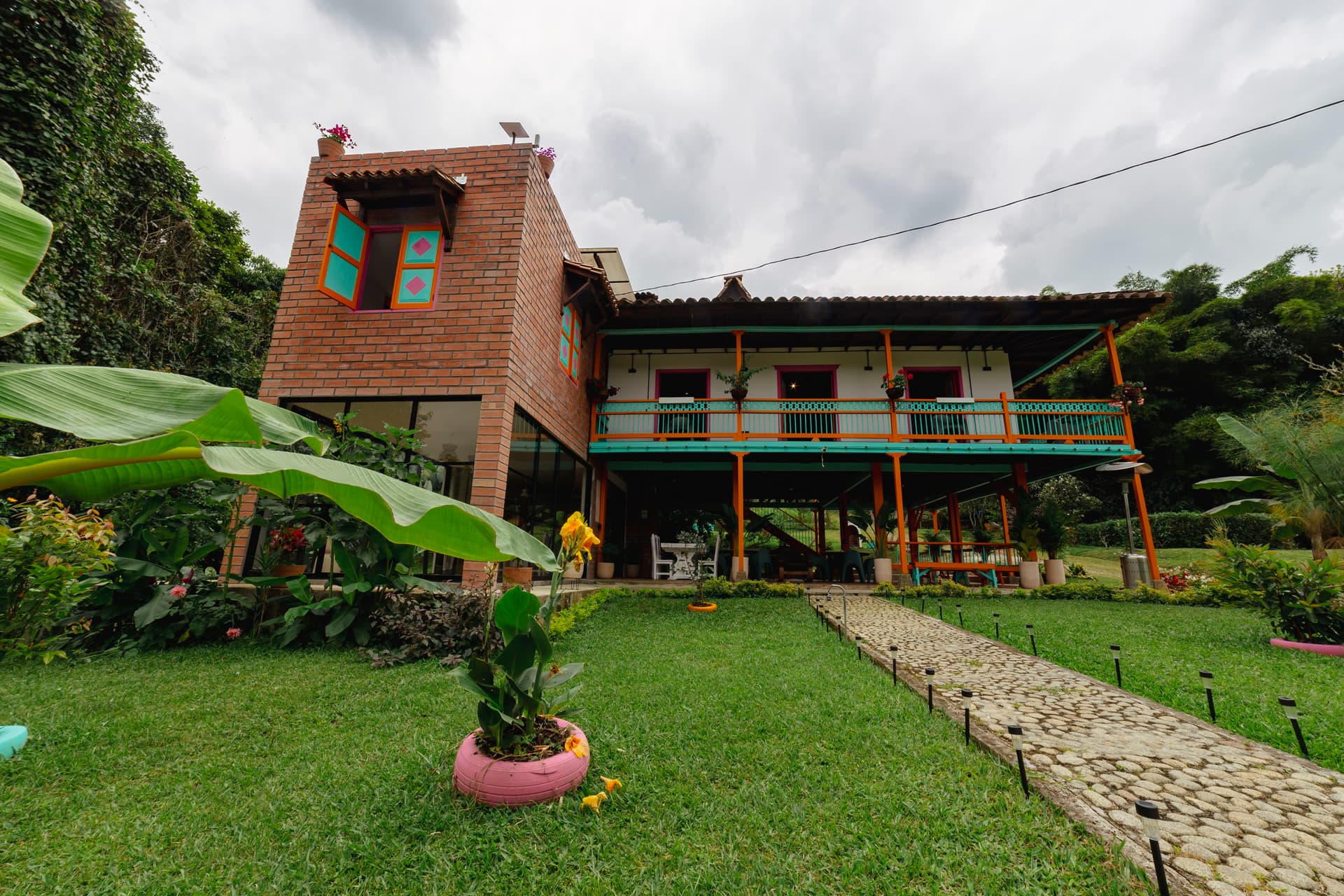
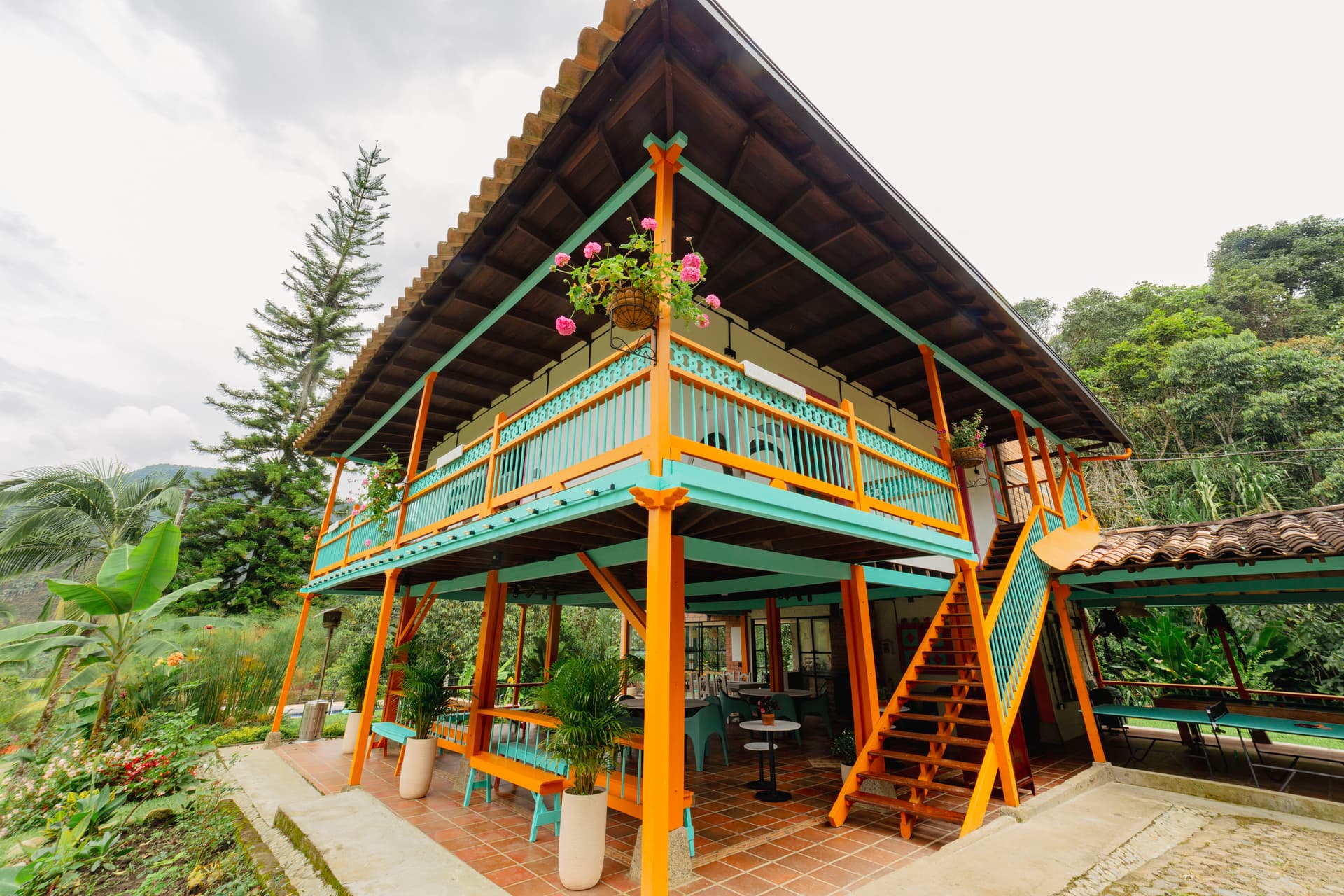
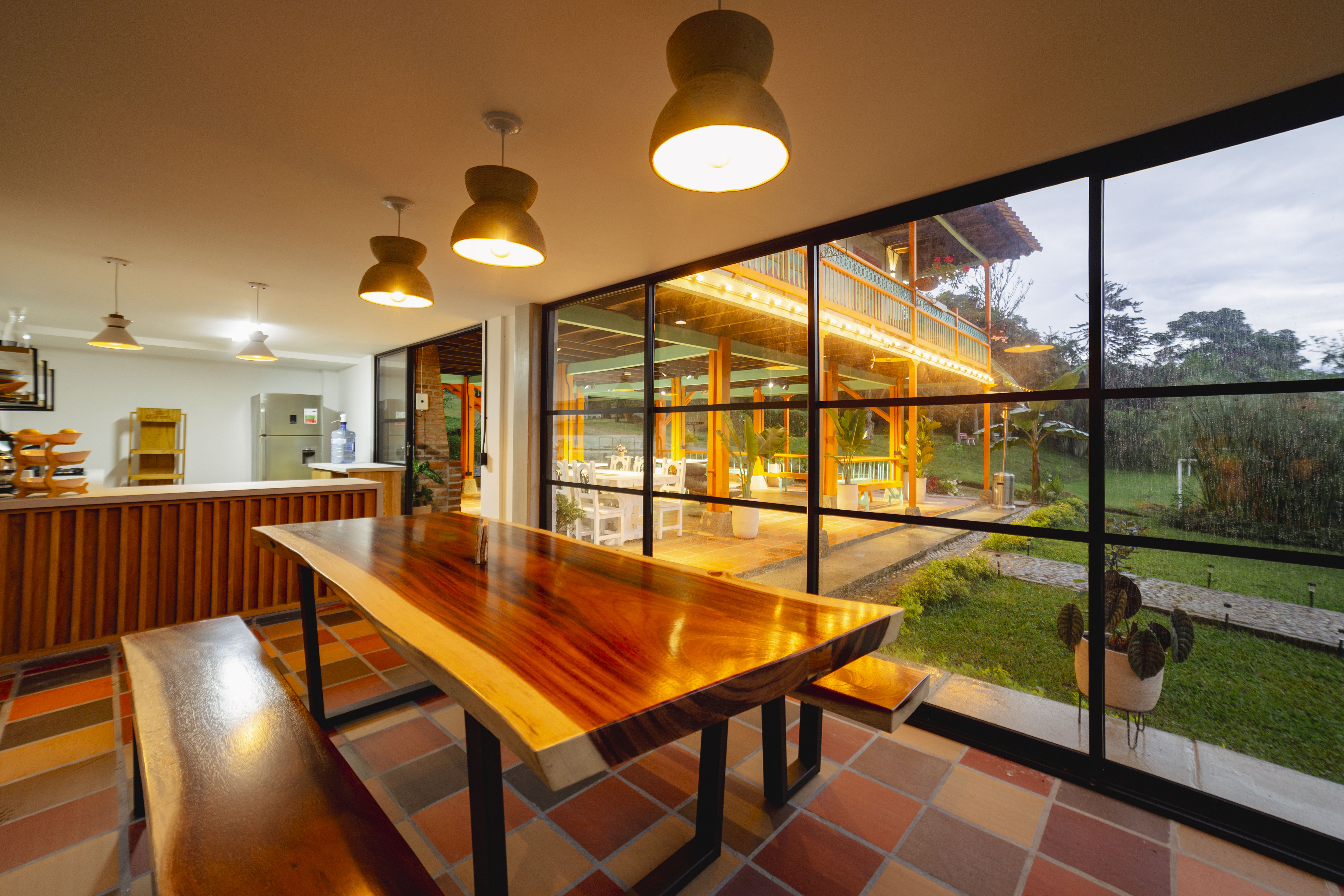
I booked five nights at Isla de Pascua and arrived after the bus ride from Medellín, which was long but spectacular. The hostel won me over immediately for one simple reason: the coffee. They serve locally sourced coffee at breakfast, and it was — I need to be precise here — one of the best cups I have ever had. Bright acidity, notes of citrus and brown sugar, a clean finish that lingered without bitterness.
I sat in the common area that first morning, holding the cup under my nose, doing exactly what I do when I evaluate a new batch of cacao — breathing in the aromatics, letting them register in layers. The girl next to me gave me a look. "Sorry," I said. "Professional habit." She turned out to be a tea master from Taiwan. We became instant friends.
Coffee and Cacao: A Love Story Written in Fermentation
On my second day, I visited a coffee farm outside Jardín. I had told the hostel staff about my background, and they arranged for me to visit a farm where the owner was particularly knowledgeable about processing methods.
What I found there confirmed everything my friend in Bogotá had suggested. The parallels between coffee and cacao processing are not just superficial — they are structural. Both begin with a fruit. Both require careful fermentation to develop complex flavors. Both are dried, roasted, and the final product depends enormously on every decision made along the way.
The farmer showed me his fermentation tanks — wooden boxes where the coffee mucilage breaks down over 24 to 48 hours, developing the acids that will later create those bright, complex flavors in the cup. In my workshop in Ghent, I have nearly identical wooden boxes where cacao beans ferment for five to seven days. The biology is different — different sugars, different microorganisms, different chemical pathways — but the principle is the same: controlled decomposition creating flavor.
I spent three hours at that farm. The farmer was patient with my endless questions. When I explained that I did something similar with cacao in Belgium, his eyes lit up. "So you understand," he said. "You understand that this is not just agriculture. It is craft." I understood completely.
The drying process was equally fascinating. His coffee dries on raised beds, turned by hand every few hours to ensure even moisture reduction. My cacao dries the same way. We compared notes on ideal moisture content — 11% for his coffee, 7% for my cacao — and discussed how ambient humidity affects drying time. Two people from opposite sides of the world, working with different plants, speaking the same language of craft.
The Dulces: Sugar as Art Form
If the coffee farms spoke to my professional mind, the dulces of Jardín spoke to my heart.
Dulces are traditional Antioquian sweets — confections made from milk, sugar, fruit, and techniques passed down through generations. They are sold in shops around the main plaza and by vendors on the street, and they are absolutely extraordinary.
I tried everything. Arequipe — a slow-cooked caramel that reminded me of the best Belgian speculoos spread, but deeper, more complex, with notes of toasted milk and vanilla. Cocadas — coconut confections with a texture somewhere between fudge and nougat. Bocadillo — guava paste cut into neat rectangles, sweet and tart simultaneously, with that characteristic graininess that tells you the pectin has set properly.
As a chocolate maker, I was particularly interested in the panela — unrefined cane sugar that forms the backbone of many dulces. Panela is to refined sugar what single-origin dark chocolate is to mass-produced milk chocolate. It has depth, minerality, a molasses-like complexity that gives the dulces their distinctive character. I bought three blocks of panela to take home and experiment with in my workshop.
One afternoon, I sat in the plaza with a bag of dulces and my notebook, writing tasting notes the way I would for a new cacao origin. "Arequipe from the shop on the corner: caramel dominant, brown butter, slight salt, finish of condensed milk, texture smooth bordering on fluid, mouthfeel coats the palate." The old woman selling them watched me write with amusement. "Te gustan mucho, verdad?" she asked. I told her I was a chocolate maker and she insisted I try a version she made with coffee. It was phenomenal.
The Cueva del Esplendor (Where I Surprised Myself)
On day three, I joined a group from the hostel for the Cueva del Esplendor hike. I am not typically an adventure person — I spend my days in a temperature-controlled workshop, not climbing mountains. But the Canadian firefighter in our group, Ryan, was so enthusiastic that his energy was contagious.
The hike was tough. I will not pretend otherwise. My legs burned on the uphill sections and I slipped in the mud more times than I care to admit. But the cloud forest was magnificent — ferns the size of cars, orchids clinging to every trunk, the air thick with moisture and the smell of green, living things. An Ecuadorian botanist named Luisa was identifying plants as we walked, and her knowledge was mesmerizing. She showed us how bromeliads create tiny ecosystems in the canopy — miniature ponds supporting insects, frogs, and even small crabs. My chocolate world felt very small and very cozy by comparison.
When we reached the cave and I saw the waterfall pouring through the ceiling, I understood why Ryan had been talking about it nonstop. Some things transcend professional frameworks and analytical habits. That waterfall was simply beautiful, and I stood in the spray with my mouth open like a child.
Evenings at Isla de Pascua
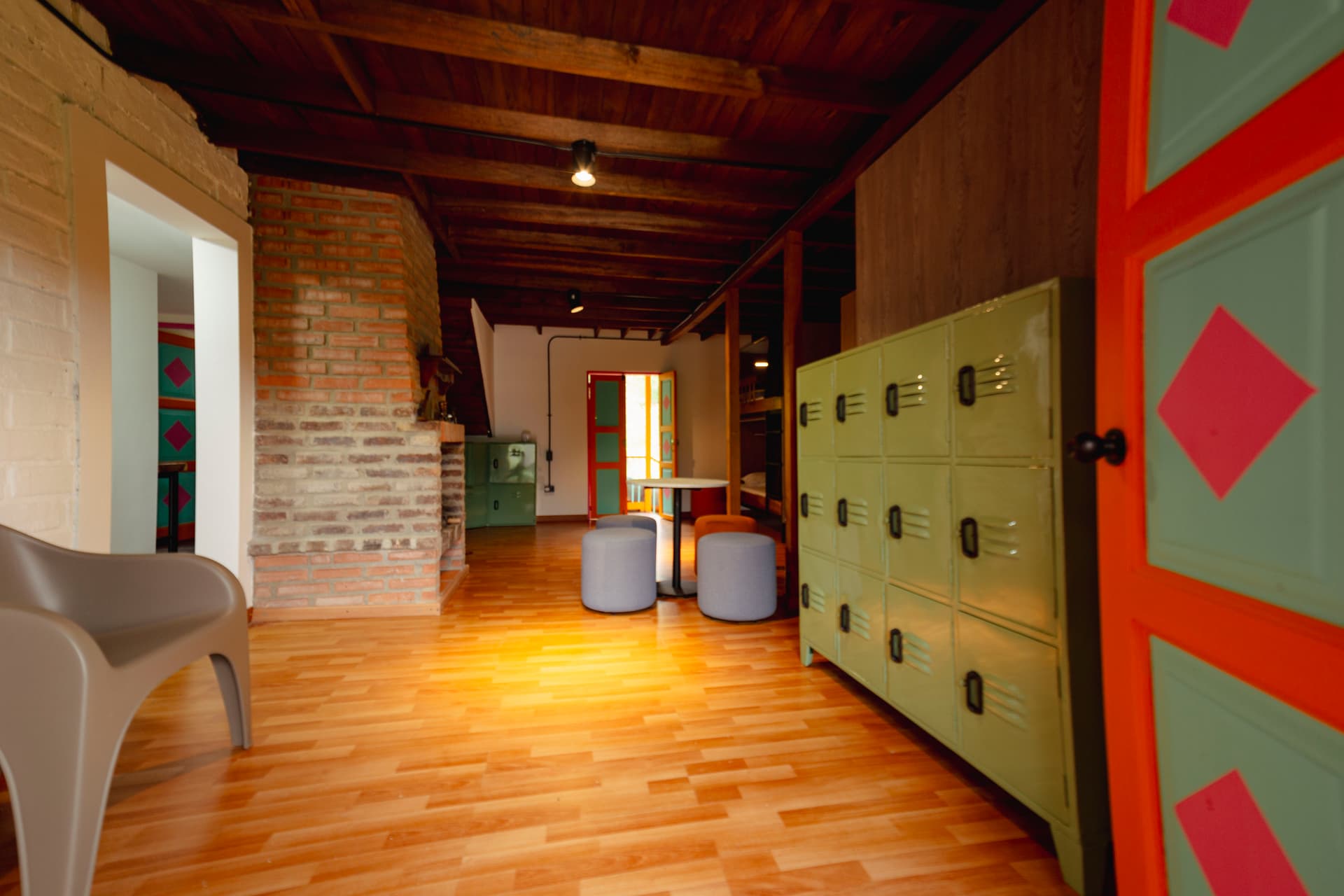
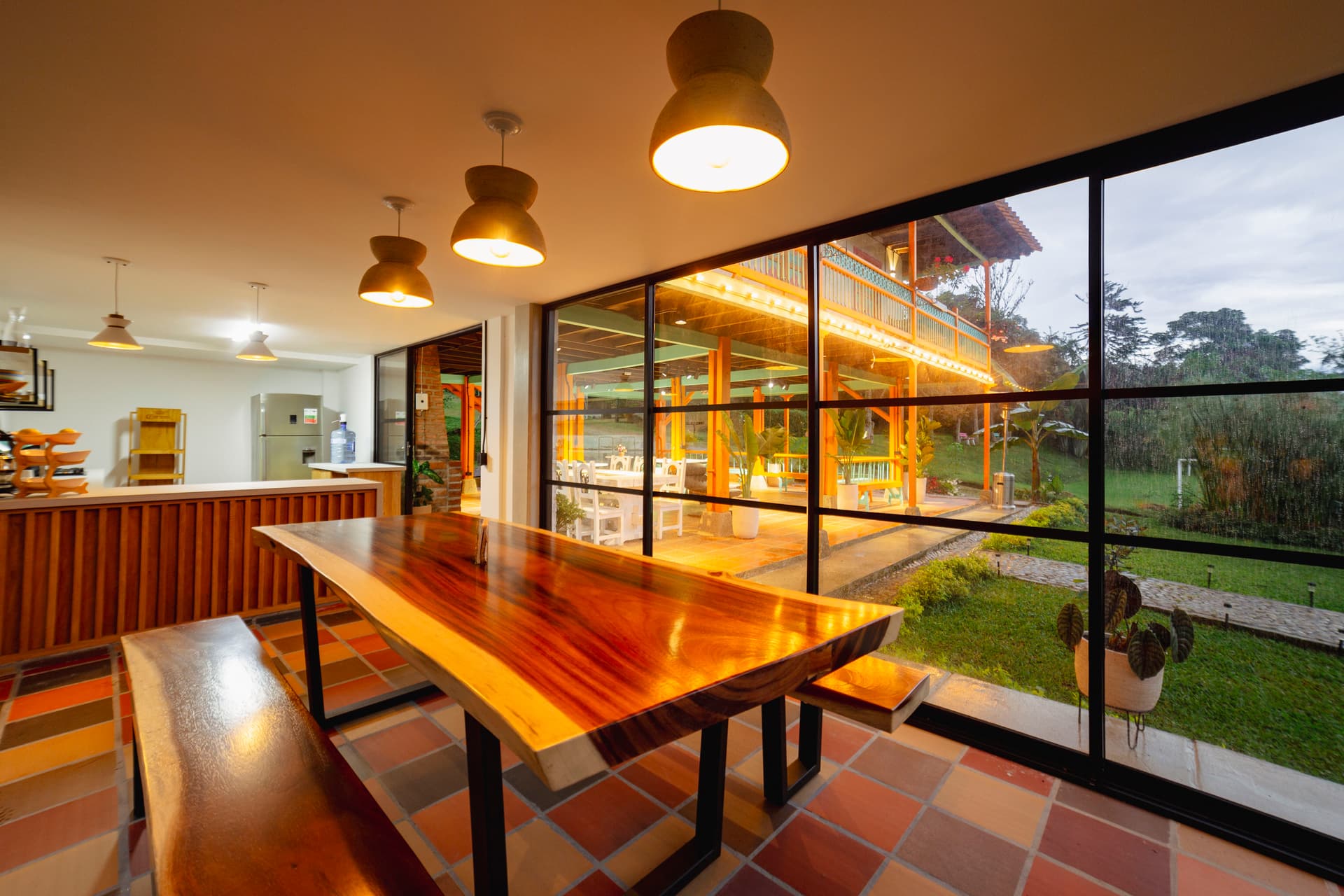
The social life at Isla de Pascua was one of the unexpected highlights of my trip. The common area seems designed for exactly the kind of conversations that make travel meaningful — not small talk about where you are going next, but genuine exchanges about work, passion, and how we see the world.
I spent one evening explaining the bean-to-bar process to a group of fellow guests while we sat by the pool watching the sun set behind the mountains. A Greek architect sketched my description of a cacao pod on a napkin. The tea master from Taiwan compared coffee fermentation to the oxidation process that distinguishes green tea from black. The Canadian firefighter asked if chocolate was flammable. (It is, at sufficient temperature. He was fascinated.)
These are the moments that make travel worthwhile — not the Instagram photos, but the conversations that shift your perspective and make your world a little bigger.
What Jardín Taught This Chocolate Maker
I came to Jardín expecting to learn about coffee. I did learn about coffee — more than I expected, and in ways that will genuinely influence my work with cacao. But I also learned something broader about craft itself.
In Belgium, craft food production is increasingly a luxury market. Artisan chocolate, specialty beer, aged cheese — these things carry premium prices and cater to a specific, often wealthy, clientele. In Jardín, craft is not luxury. It is daily life. The farmer who hand-turns his coffee on drying beds is not making a boutique product — he is making a living the same way his father and grandfather did. The woman selling dulces in the plaza is not an artisan in the marketing sense — she is a keeper of tradition, continuing techniques that predate refrigeration and food science.
There is a humility in Jardín's craft culture that I want to bring back to my own work. A reminder that craft food production, at its best, is not about exclusivity. It is about care.
I brought home three kilograms of Jardín coffee, two blocks of panela, and a notebook full of ideas. My next chocolate bar will be flavored with Colombian panela instead of refined sugar. I am calling it "Jardín."
— Zoë, back in her workshop in Ghent, roasting cacao and thinking about coffee
Ready to experience Jardín?
Book Now Isla de Pascua