Written by Sam Rivera — USA
Stay: October 2025, 5 nights
Coming Home to a Place I'd Never Been
My abuela always said I spoke Spanish like a gringo trying to order at a Cuban restaurant — technically correct but missing the music. She wasn't wrong. I grew up in Miami speaking Spanglish, the hybrid tongue of second-generation kids who are too American for their grandparents and too Latino for their classmates. My Spanish was functional — I could hold a conversation, order food, argue with my cousins — but it never felt like mine. It felt borrowed, like a jacket I'd inherited that was slightly the wrong size.
I came to Colombia the summer before my senior year at FIU because I wanted to find out if I could wear that jacket properly. And Jardín, somehow, was the place where it finally fit.
The Setup
A bit about me: I'm twenty-two, studying international relations, and I'm the kind of Cuban-American who puts Pitbull and Celia Cruz on the same playlist without irony. My parents left Cuba before I was born. My dad runs a restaurant in Little Havana. My mom teaches ESL at a community college. They raised me in English with Spanish as the soundtrack — always playing, always present, but somehow always in the background.
I'd traveled in Latin America before — Cancún for spring break (which doesn't count), and a family trip to the Dominican Republic (where I mostly stayed at the resort). But I'd never traveled solo, and I'd never been to a place where my heritage felt like it mattered beyond my last name.
A friend who'd studied abroad in Bogotá told me about Jardín. "It's the real Colombia," she said. "Not the Instagram Colombia. Go there and just be. Your Spanish will come alive." I trusted her. She was right.
Arrival
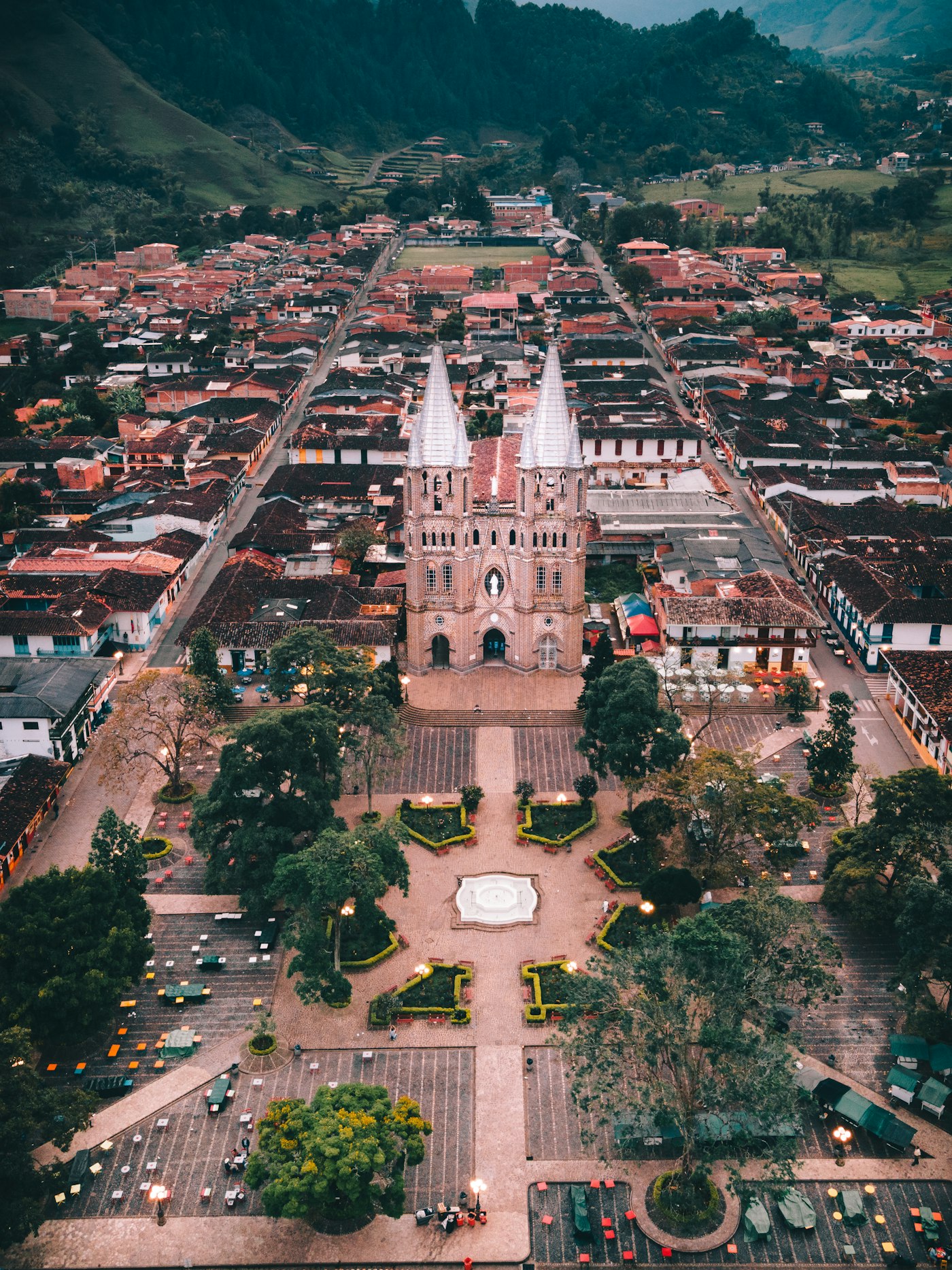
The bus from Medellín took about four hours, and I spent most of it with my headphones off, listening. The passengers around me spoke in the rapid-fire paisa accent — musical, distinctive, full of expressions I'd never heard in Miami's Cuban Spanish. "Parcero" instead of "hermano." "Qué más" as a greeting. "Bacano" for everything good. It was Spanish, unmistakably, but a flavor I'd never tasted.
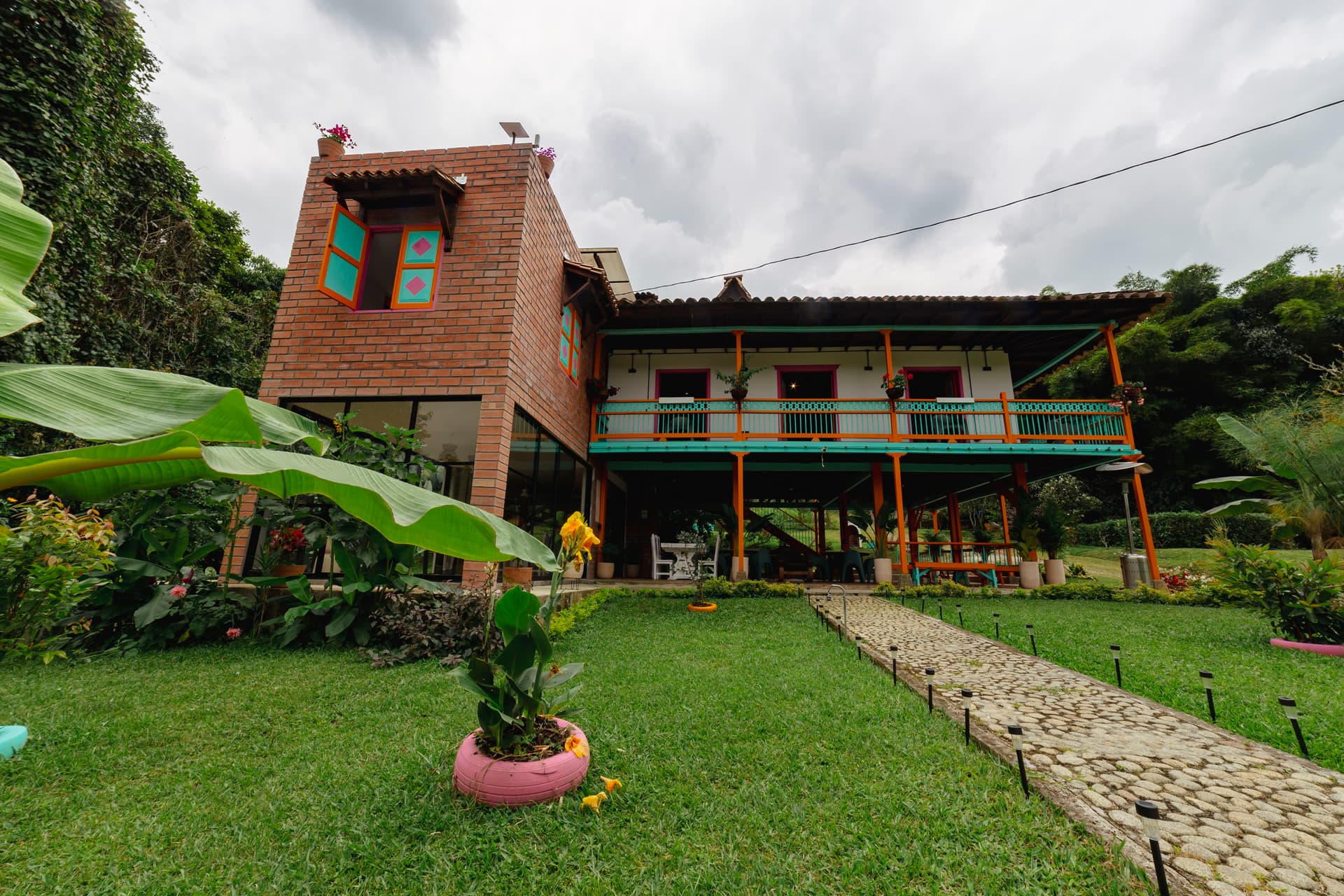
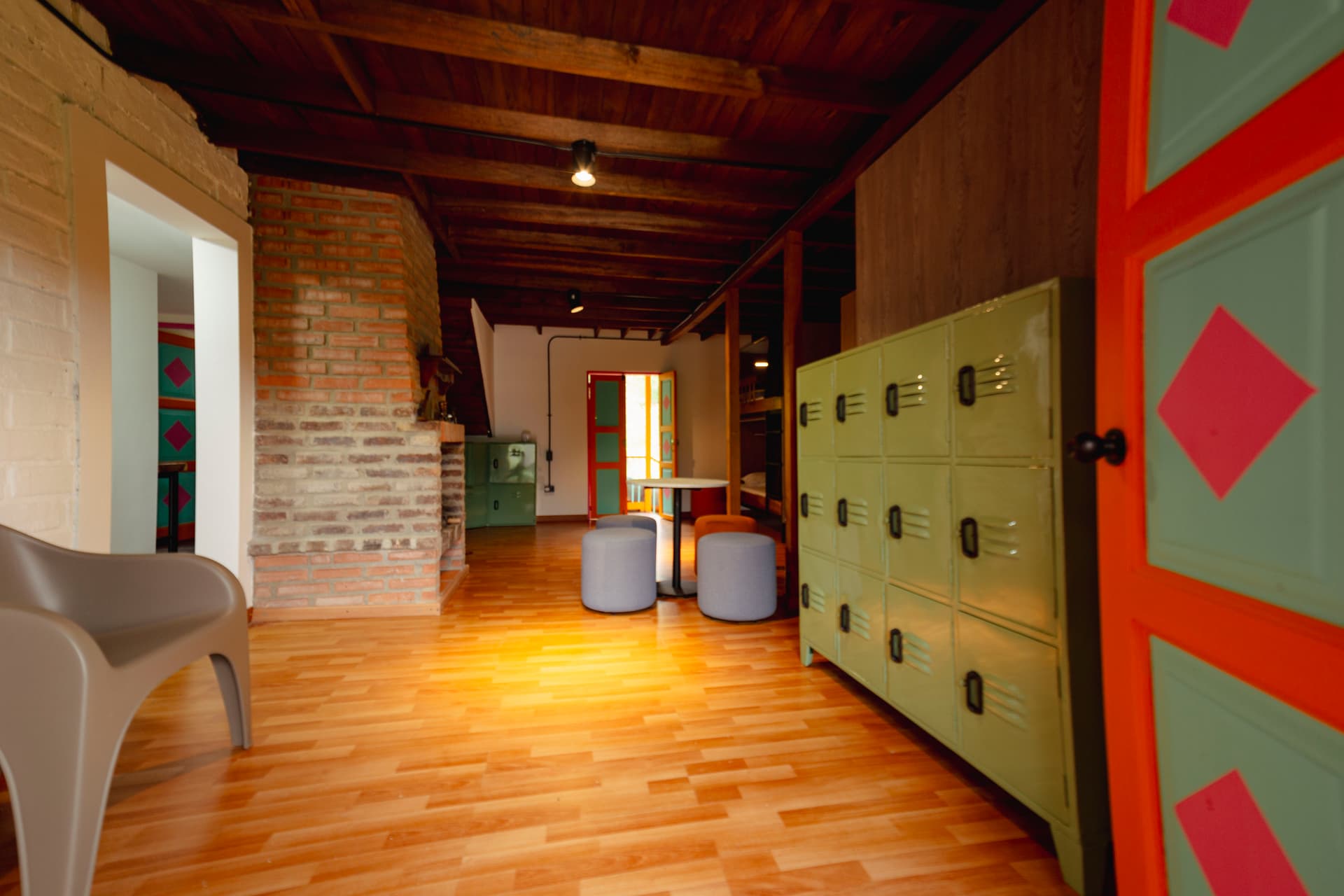
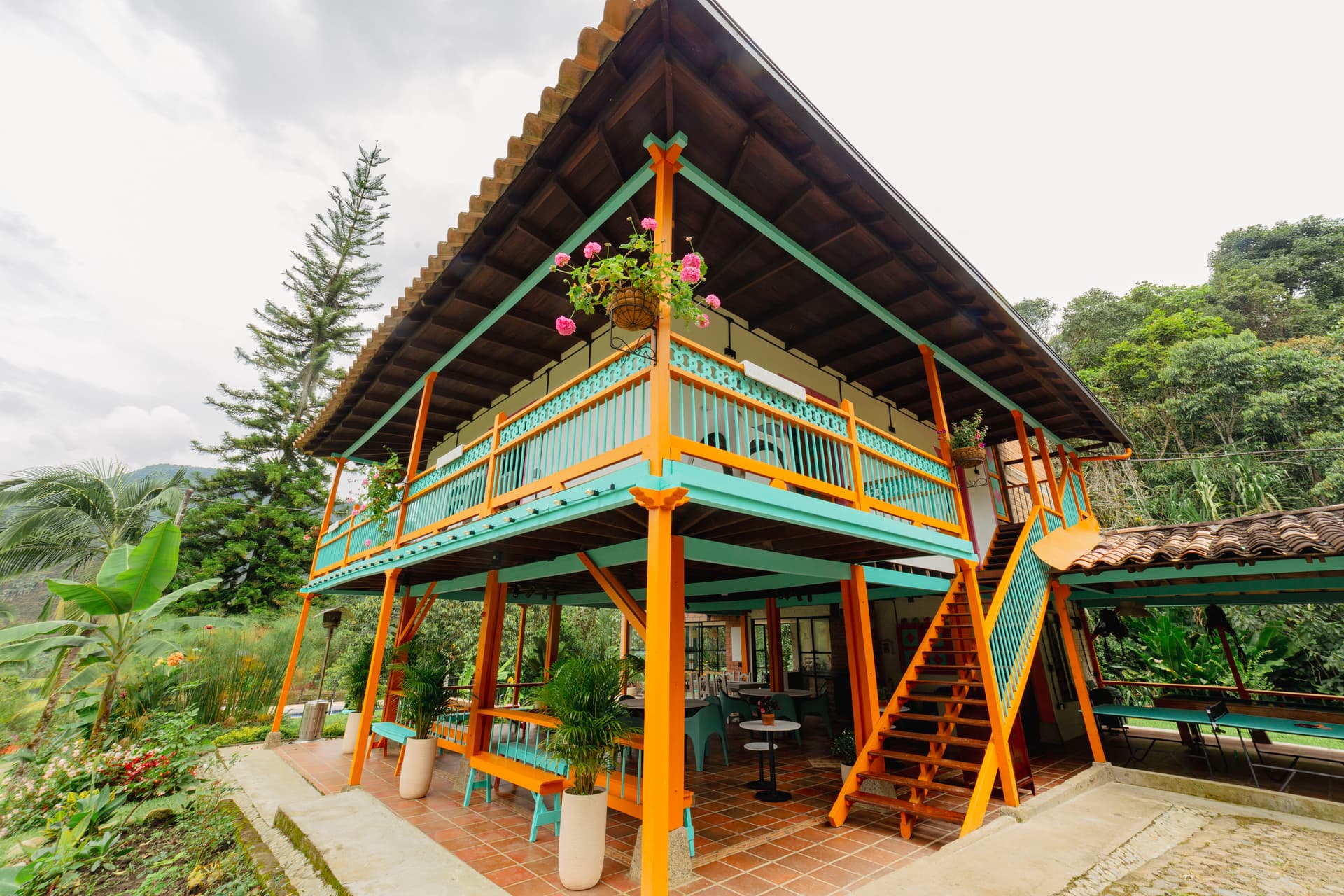
Hostel Isla de Pascua felt immediately like the kind of place I'd needed without knowing it. The common area was alive — travelers from everywhere, conversations in four languages, a board game happening on one table and a card game on another. I dropped my bag in the dorm, grabbed a beer from the bar, and sat in the garden, and within twenty minutes I was deep in conversation with a French backpacker, a Colombian couple from Cali, and an Australian guy who was six months into a South American trip.
This is what I love about hostels and what no hotel can replicate: the accidental community. You don't choose your hostel-mates. You're thrown together by budget and chance and wanderlust, and sometimes the result is more interesting than any planned social gathering.
The Language Unlocking
Something shifted in my Spanish on the second day. I was buying coffee at a tienda near the plaza, and the woman behind the counter asked where I was from. "Miami," I said. She tilted her head. "But your family?" "Cuba," I said. "Originally."
Her face lit up. "¡Ay, cubano!" And she launched into a story about a Cuban friend she'd had years ago, and the differences between Colombian and Cuban Spanish, and which was better (hers, obviously), and before I knew it I was laughing and responding without the usual delay — without the mental translation, without the self-conscious awareness of my accent. I was just talking. In Spanish. Like it was normal.
That moment cracked something open. For the rest of my time in Jardín, I spoke Spanish — not perfectly, not fluently in the literary sense, but naturally. I stopped worrying about conjugation mistakes. I stopped apologizing for my accent. I started listening to the music of the language instead of parsing the grammar, and something my abuela always tried to teach me finally made sense: Spanish isn't about the words. It's about the feeling between the words.
Tejo Night
On my third night, a group from the hostel went to play tejo — the Colombian game where you throw metal pucks at small explosives embedded in clay. It's exactly as chaotic as it sounds, and it's the most Colombian thing I've ever experienced.
The tejo court was in a bar down a side street, run by a man named Don Hernán who had been operating it for thirty years. He explained the rules with the gravity of a Supreme Court justice: stand behind the line, aim for the center, and when the mecha explodes, you cheer. Simple. Perfect.
I was terrible at it. Absolutely terrible. My first throw missed the board entirely and hit the wall. Don Hernán looked at me with the patient disappointment of a man who has watched ten thousand gringos fail at his national sport. "Con más suavidad, parcero," he said. With more softness. Not more force — more softness. There was a life lesson in that, though I was too focused on not embarrassing myself further to appreciate it at the time.
By my fifth throw, I hit a mecha. The explosion was small but satisfying — a sharp crack and a puff of smoke — and the entire bar erupted. Don Hernán clapped me on the back. My hostel friends cheered. A stranger handed me a shot of aguardiente, and we clinked glasses, and in that moment I felt something I'd been chasing my entire trip: belonging. Not as a tourist. Not as a visitor. But as someone participating in the culture, however clumsily.
The Late-Night Conversations
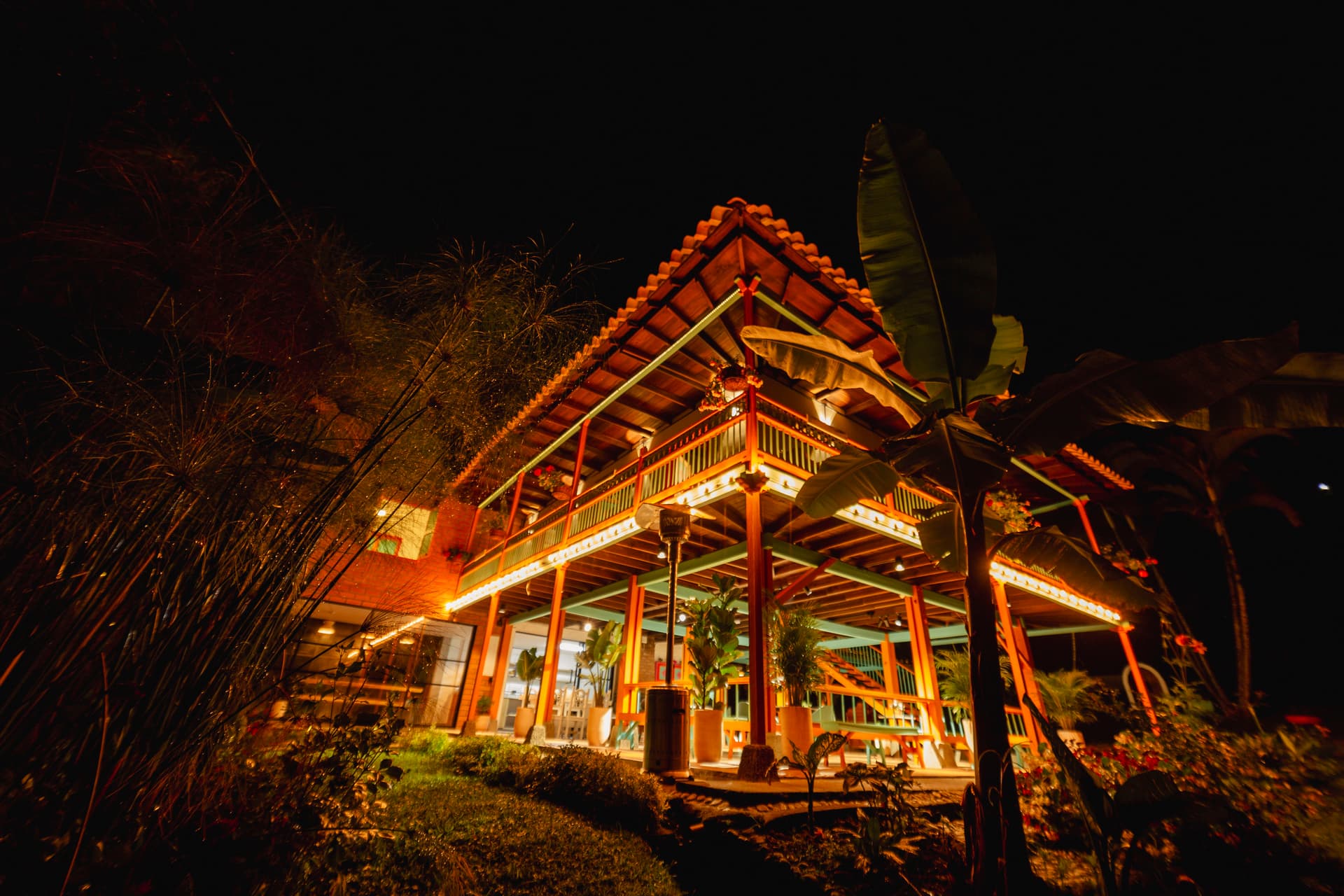
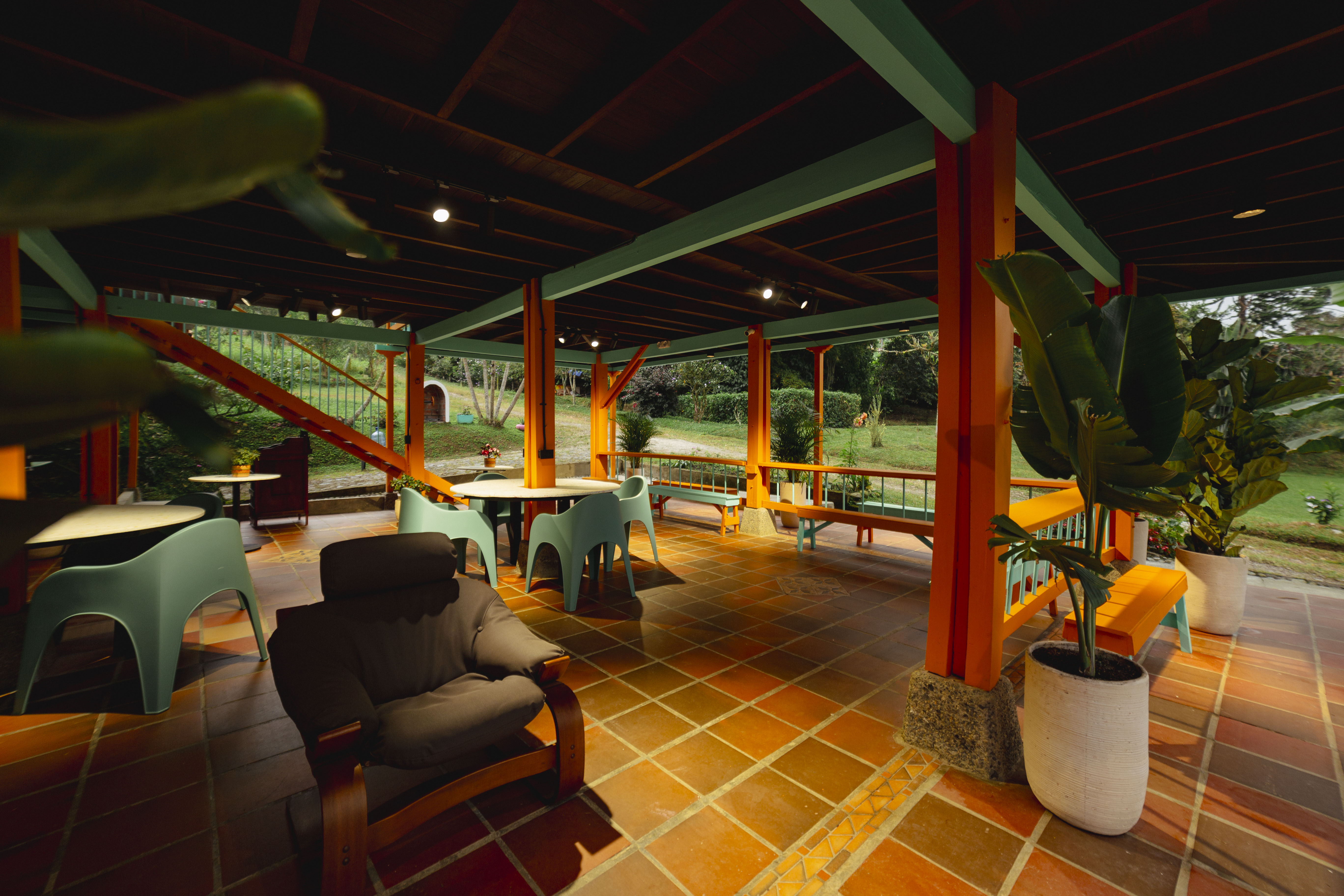
The best thing about Isla de Pascua was the terrace at night. After the bars closed, after the plaza quieted, people would gather on the hostel terrace with whatever remained of the night's drinks and talk. Really talk — the kind of 2am conversations that only happen when you're far from home and slightly drunk and surrounded by strangers you've decided to trust.
One night, I ended up in a conversation with a Colombian woman named Valentina who was traveling through her own country for the first time. She asked me what it was like to be Latino in the United States, and I found myself trying to explain something I'd never articulated before: the in-between-ness of it. How I feel too American in my grandparents' kitchen and too Cuban at my college campus. How my last name opens some doors and closes others. How I love both parts of my identity but sometimes struggle to hold them in the same hand.
She listened with the kind of attention that makes you feel seen. Then she said something that has stayed with me: "Maybe you don't have to choose. Maybe being in between is its own country, and you're a citizen of that."
I wrote it down immediately so I wouldn't forget.
The Food That Tasted Like Memory
I need to talk about the food, because the food in Jardín did something to me that I wasn't prepared for. The restaurants here serve dishes that are different from Cuban food in every specific way but identical in spirit: generous portions, bold flavors, and the underlying message that feeding someone is an act of love.
The bandeja paisa reminded me of my abuela's ropa vieja — not in taste, but in ambition. Both are meals that say, "Sit down, you're going to be here a while." The arepas — different from Cuban ones but sharing a common ancestor — made me think about how the same ingredients travel across countries and become something new without forgetting where they came from. Like me, I guess.
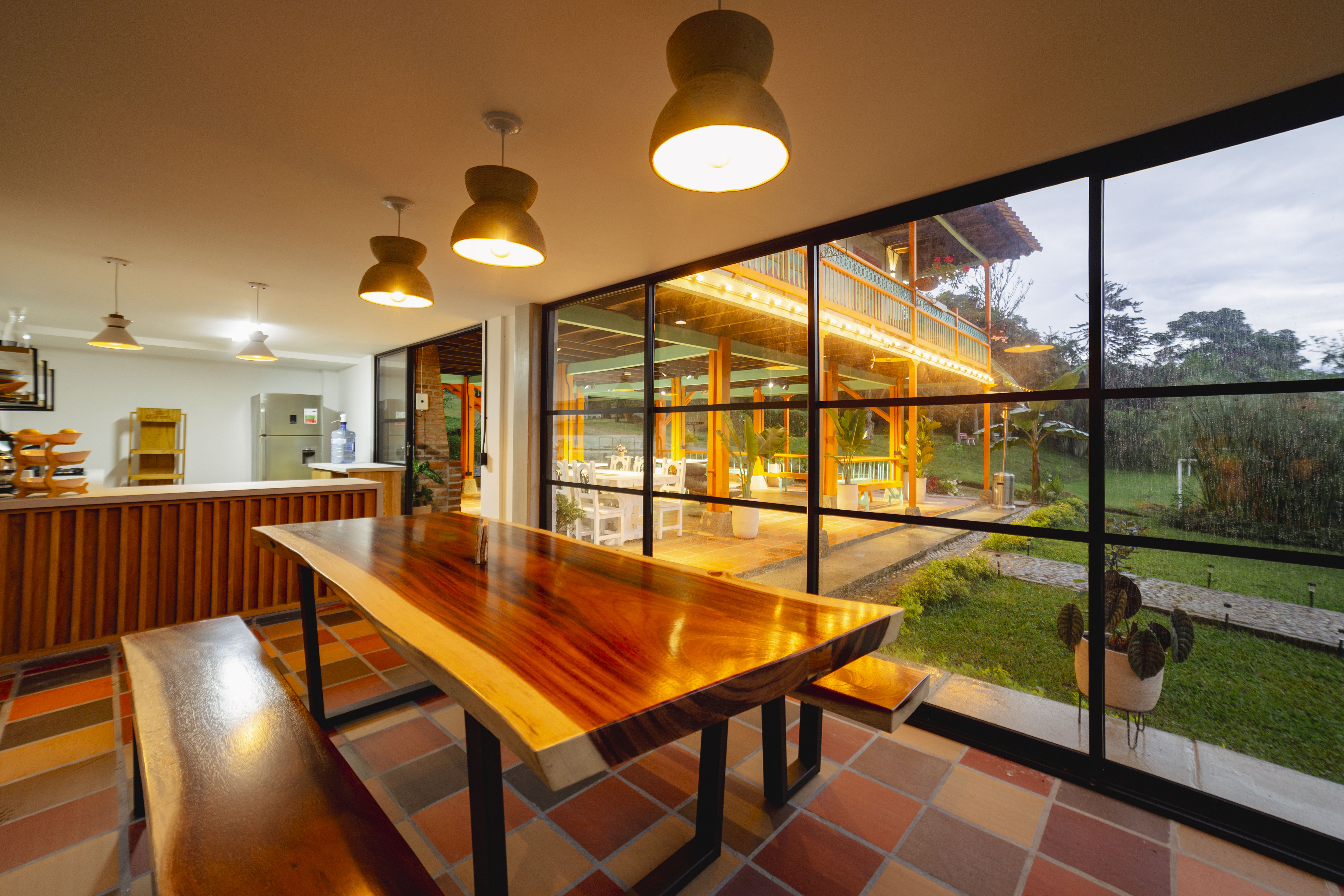
One morning, I helped the hostel staff make breakfast — cutting fruit, scrambling eggs, brewing coffee from beans grown on a local farm. It was such a simple act, but it connected me to a lineage of mornings in my parents' kitchen, my abuela's kitchen, the imagined kitchens of ancestors I never knew in a country I've never visited. Food, I realized, is how diaspora communities keep the thread alive. And sharing food across cultures — Colombian and Cuban, South American and North American — is how you weave new threads.
What I Found
I didn't find my "roots" in Jardín — that's too simple a story, and roots don't work that way. What I found was more nuanced and more useful: I found proof that the parts of me I'd always felt were in conflict could coexist. That my gringo accent didn't disqualify me from belonging. That my Cuban heritage didn't make me an outsider in Colombia — it made me a cousin, a near-neighbor, someone who shared enough common ground to build a conversation on.
I found community in a hostel common area, courage in a tejo court, and clarity on a terrace at 2am. I found that Spanish is a feeling, not a test. And I found that coming home can happen in a place you've never been, as long as you're willing to stop performing your identity and start living it.
To every second-gen kid out there who feels caught between two worlds: go travel in one of them. Not as a tourist, but as a person looking for the parts of yourself that got lost in translation. You might find them in a mountain town in Colombia, holding a metal puck, standing behind a line, learning to throw with more softness.
Ready to experience Jardín?
Book Now Isla de Pascua