Written by Priya Sharma — India
Stay: October 2025, 4 nights
Two Warm Countries: Finding India's Echo in Jardín
I quit my job on a Tuesday. After eight years as a marketing director at a Mumbai agency — eight years of campaigns, client calls at midnight, pitch decks that blurred together like monsoon rain on a windshield — I walked into my boss's office and said the words I'd been rehearsing for six months: "I need a break."
She looked at me the way people in Mumbai look at anyone who voluntarily steps off the treadmill: with a mixture of admiration and suspicion. "How long?" she asked. "Six months," I said. She blinked. "Where will you go?" I said I didn't know yet, which was mostly true and entirely terrifying.
Three months into my sabbatical, I found myself in Jardín. I hadn't planned it — my itinerary, to the extent I had one, was built on recommendations from other travelers, and someone in Medellin had said, "If you need quiet, go to Jardín." Quiet was exactly what I needed. Quiet, and maybe some clarity about what comes next.
The Familiar Warmth
The first thing that struck me about Jardín was how familiar it felt. Not the landscape — the Andes look nothing like the Western Ghats — but the energy. The human warmth.
In India, we have a concept embedded so deeply in our culture that we barely notice it: atithi devo bhava, "the guest is God." It shapes how we receive strangers, how we feed visitors, how we open our homes. I've always believed this warmth was uniquely Indian, a product of our specific history and values.
Then I came to Colombia, and specifically to Jardín, and I found the same warmth wearing different clothes. The señora at the corner shop who insisted I try her homemade arequipe, refusing payment. The hostel staff who remembered my name after one interaction. The stranger on the street who walked me three blocks out of his way to show me the restaurant I was looking for, then refused to leave until he was sure I'd found a table.
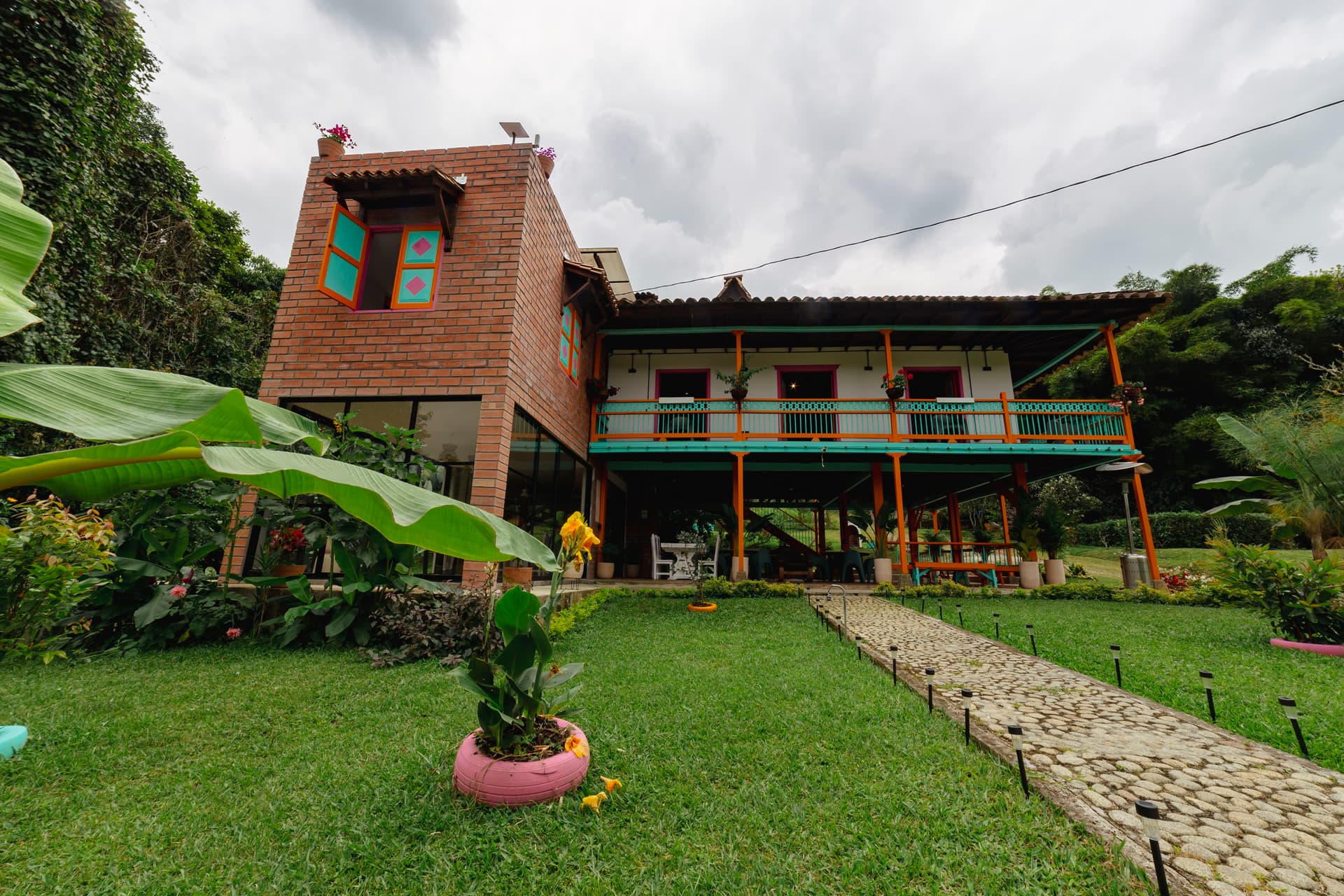
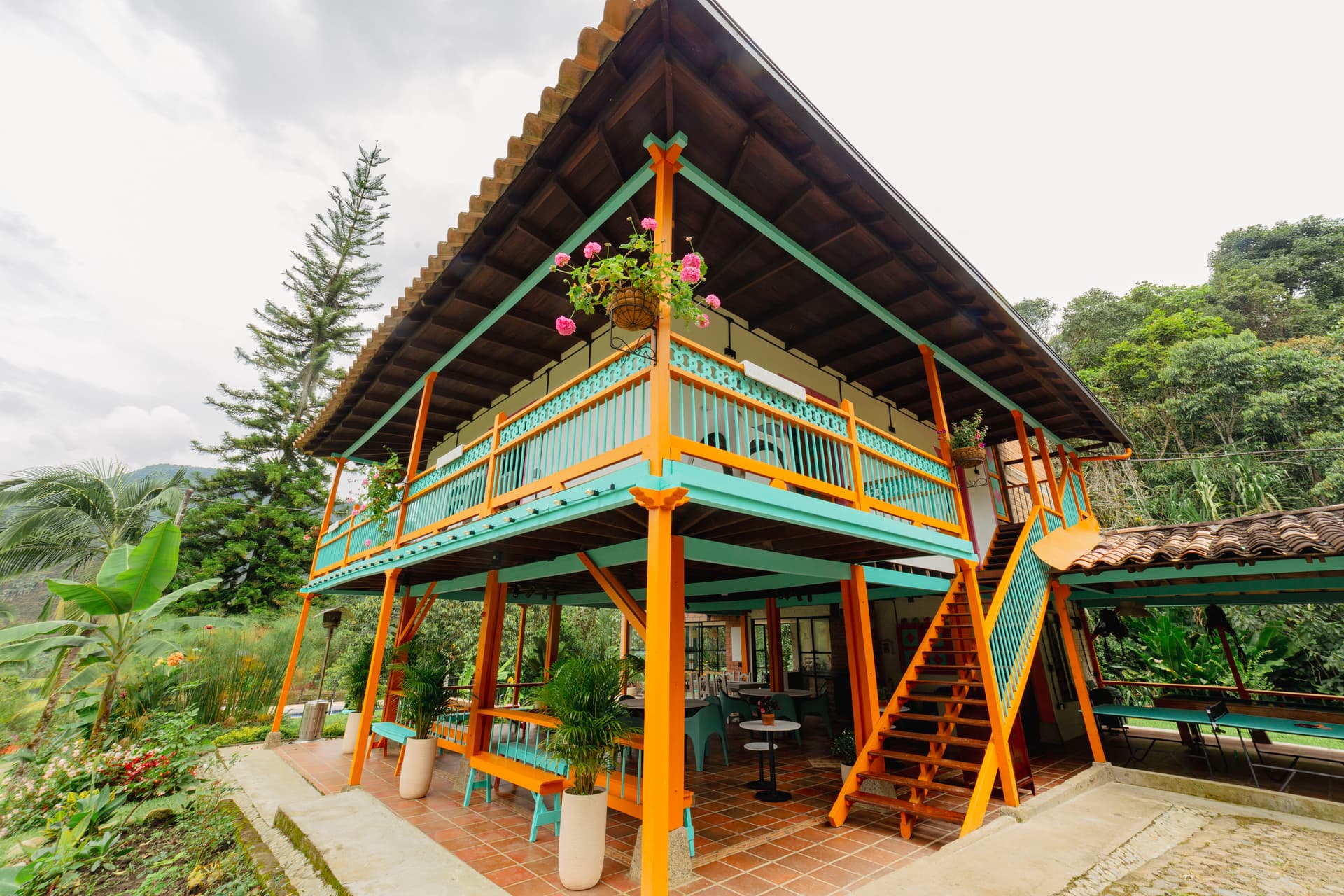
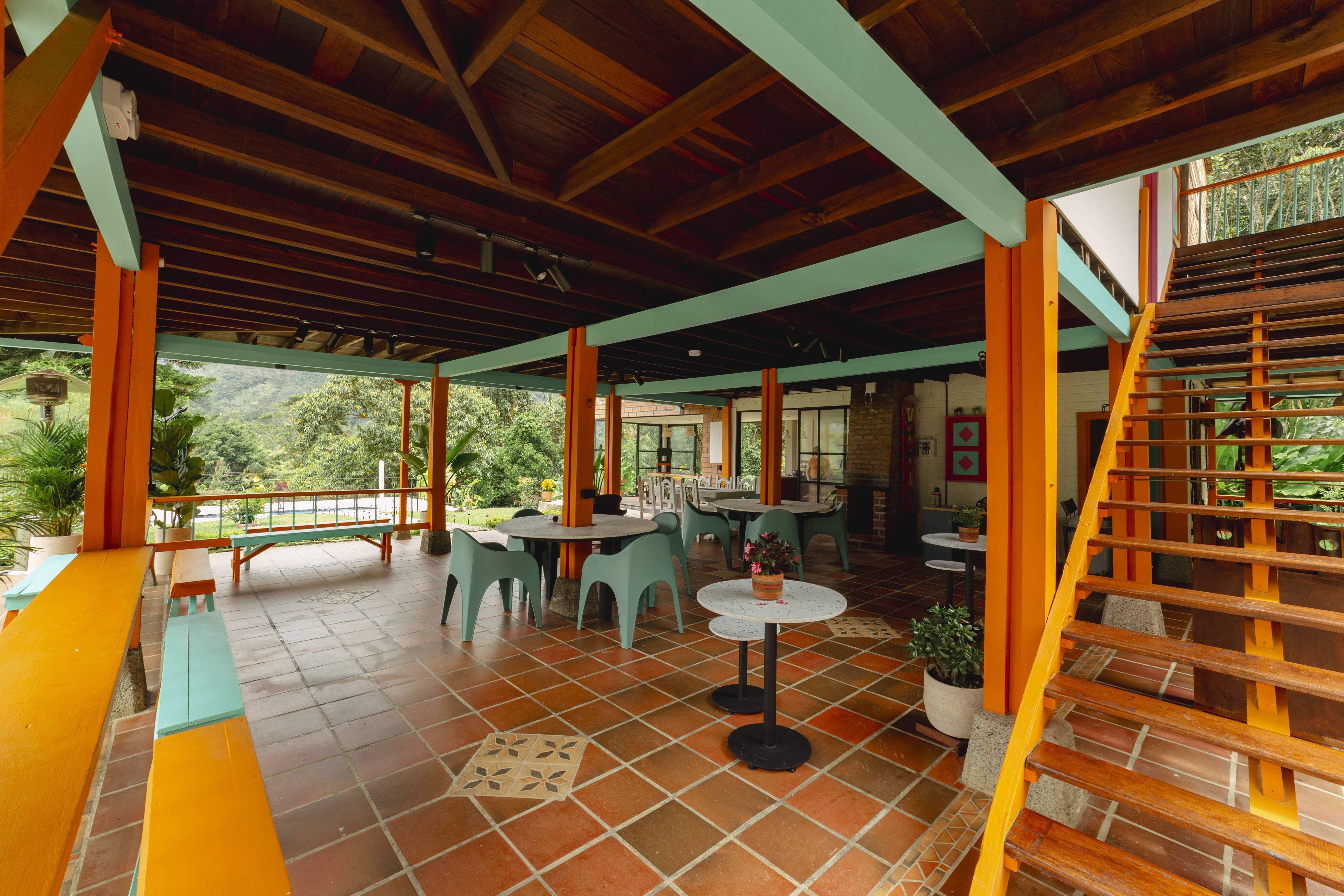
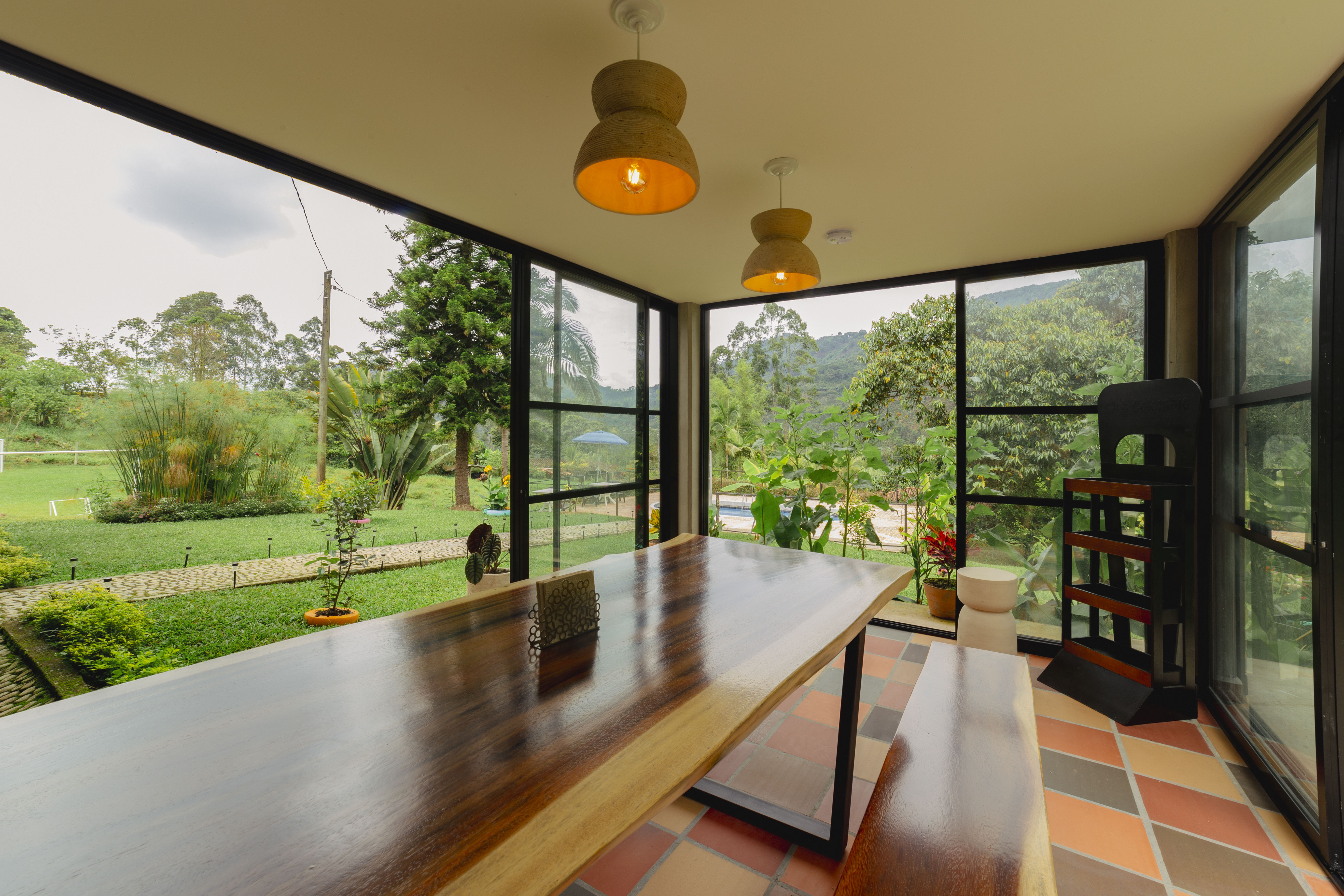
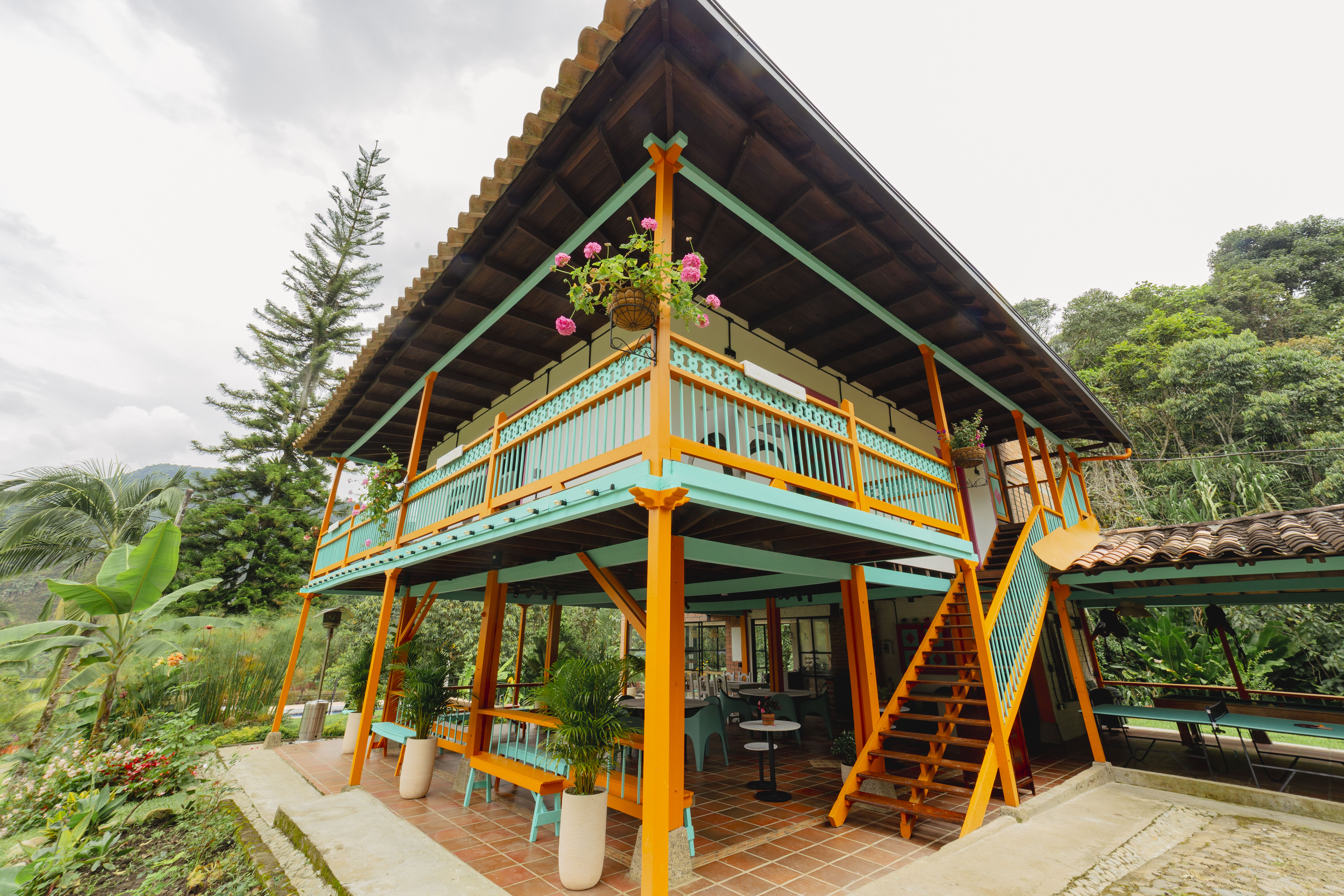
At Hostel Isla de Pascua, this warmth was concentrated. The staff didn't just provide service — they provided care. They noticed when I was tired and brought tea without being asked. They suggested quiet spots when I mentioned I was looking for peace. They treated the hostel not as a business but as a home, and everyone in it as family. It was so Indian in spirit that I almost expected someone to offer me chai.
Morning Practice
I've been practicing yoga and meditation since my twenties — not the Instagram kind with matching leggings and sponsored mats, but the genuine, imperfect, sometimes-uncomfortable kind that my grandmother taught me. Sitting still. Breathing. Letting the noise settle.
In Mumbai, my morning practice was constantly interrupted. Car horns. Construction. My phone buzzing with emails from clients in different time zones. I'd finish my meditation more agitated than when I started.
In Jardín, I rediscovered what meditation is supposed to feel like. I woke before sunrise — the altitude makes the mornings cool and clear — and sat in the hostel garden as the sky lightened. The only sounds were birds, the distant murmur of the river, and the occasional rooster who hadn't gotten the memo about pre-dawn silence. I breathed. I sat. And for the first time in years, my mind actually quieted.
It wasn't the meditation that was different — it was the container. Jardín holds stillness the way Mumbai holds chaos: naturally, effortlessly, as if it couldn't be any other way. The mountains create a bowl of calm. The pace of life here doesn't just allow reflection — it insists upon it.
The Spice Connection
The second unexpected parallel between India and Colombia revealed itself in the kitchen.
Colombian food, at first glance, seems simpler than Indian cuisine. Where we layer fifteen spices into a single curry, a typical Colombian dish might feature three or four seasonings. But the more I ate in Jardín, the more I recognized a kindred philosophy: food as love, food as identity, food as the thing that holds a community together.
I spent an afternoon at the local market, and it reminded me powerfully of the markets in Kerala where my mother grew up. The same abundance — towers of tropical fruit, bags of dried beans, fresh herbs bound with twine. The same pride in the vendors' faces. The same cacophony of smell and color and negotiation.
The flavors were different but the intention was the same. When a woman at a market stall offered me a taste of her hogao — a tomato and onion sauce that forms the base of much Colombian cooking — I recognized the gesture immediately. In India, we do the same thing. We feed people to show love, and we use food to bridge the gap between strangers.
I found myself comparing spices. Colombian cooking uses cumin, which we use abundantly. They cook with panela — unrefined cane sugar — which reminded me of our jaggery. Their ají (hot sauce) played the same role as our chutneys: a condiment that transforms a meal from good to transcendent. And their relationship with cilantro was identical to ours — it goes on everything, and people either love it or claim it tastes like soap.
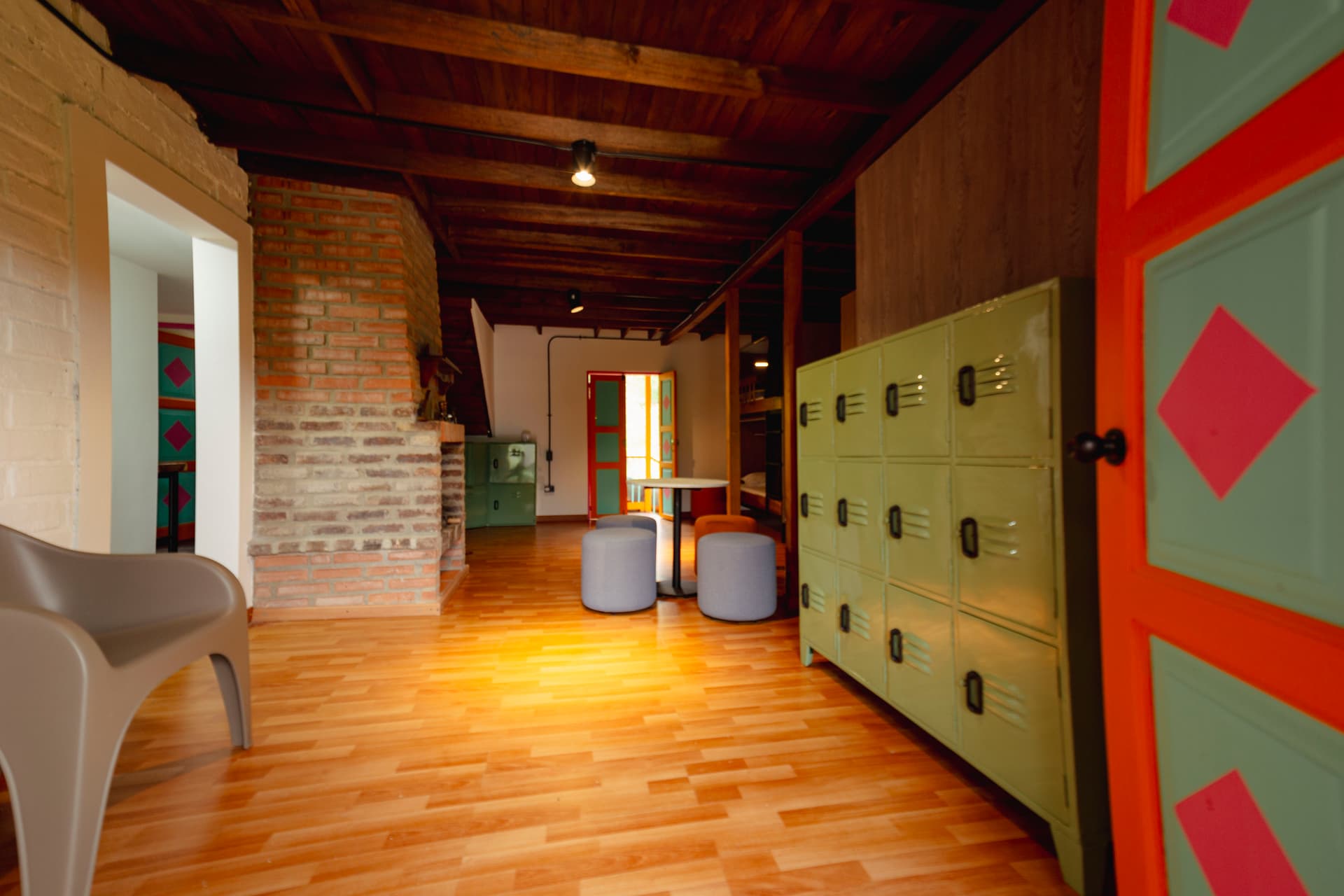
One evening, I cooked a simple dal in the hostel's shared kitchen, using lentils I'd found at the market and spices I'd carried from India (a habit my mother would approve of — she once told me that a proper Indian always travels with turmeric). The smell drew in half the hostel. I shared it with six people from five countries, and a Colombian woman tasted it and said, "This is like our sopa de lentejas but with more fire." We spent the next hour comparing our grandmothers' recipes, and I felt, for the first time on my sabbatical, the particular joy of cultural exchange through food.
The Slowing Down
My sabbatical was supposed to be about figuring out my next career move. Instead, Jardín taught me something more important: how to stop figuring.
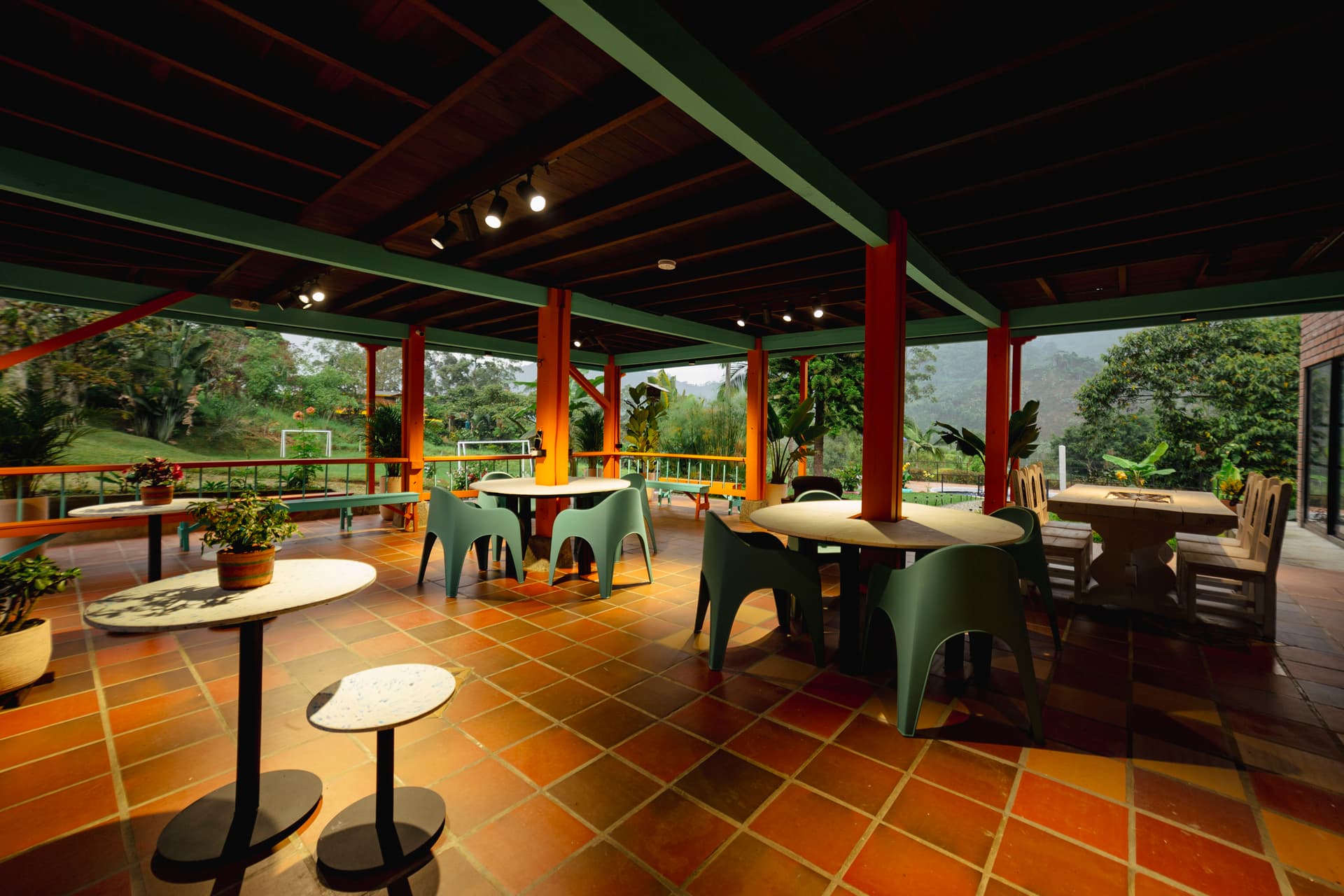
I spent a day doing nothing — genuinely nothing — and it was revelatory. I read in a hammock. I watched clouds form and dissolve over the mountains. I walked along the river and sat on a rock and listened to the water. I had a three-hour lunch at a restaurant where the owner told me his life story between courses, and I realized I hadn't been bored for a single second.
In Mumbai, I measured my worth by productivity. Tasks completed, emails sent, campaigns launched. In Jardín, I measured my days by their quality of attention — how closely I'd listened to the birds, how thoroughly I'd tasted my coffee, how present I'd been in a conversation.
I visited a coffee farm on my third day and spent an hour with the farmer discussing patience — the patience required to wait for a coffee cherry to ripen at its own pace, the patience to process beans correctly rather than quickly, the patience to build a life around something that takes years to yield results. It sounded like the meditation teachings I'd studied for a decade, but spoken by a man in rubber boots on a mountainside in Antioquia.
What I Carried Forward
I left Jardín without a career plan, and for the first time, that felt okay. What I carried forward was less tangible but more valuable: a reminder that the warmth I'd always thought was uniquely Indian exists in other corners of the world, wearing different clothes but burning with the same flame. A renewed relationship with stillness. A conviction that the best conversations happen over shared food, regardless of the spices involved.
My grandmother used to say that travel shows you two things: how different the world is, and how same. Jardín proved her right. Twelve thousand kilometers from Mumbai, in a mountain town in Colombia where I knew no one and spoke the language imperfectly, I found an echo of home. Not in the landscape or the architecture or the language, but in the way people looked at each other, fed each other, and made space for a stranger to feel, even briefly, like she belonged.
To anyone considering a sabbatical: take it. And if you can, find a Jardín — a place quiet enough to hear your own thoughts, warm enough to feel held, and different enough to rearrange your assumptions about where home can be found.
Ready to experience Jardín?
Book Now Isla de Pascua