Written by Pierre & Sophie — France
Stay: June 2025, 4 nights
Flavors of Jardín: Pierre and Sophie's Story from France
We have eaten our way across four continents over thirty years of marriage. From the street stalls of Bangkok to the bistros of Lyon, from the izakayas of Osaka to the trattorias of Bologna. We have argued over wine pairings in Bordeaux, debated the proper consistency of risotto in Milan, and once nearly divorced over the correct way to prepare a cassoulet. (Sophie was right. She is always right about cassoulet.)
We did not come to Jardín expecting great food. We came for the architecture — Pierre is a retired architect, and the colonial Antioqueño style had caught his attention in a magazine. The food was supposed to be a pleasant background detail. We were spectacularly wrong.
Arrival and the first surprise
We arrived on a Sunday afternoon, which turned out to be perfect timing. The plaza was bustling with families, vendors, and the particular energy that small Colombian towns have on weekends — a mix of celebration and daily life that feels entirely natural. Our taxi dropped us at the entrance to Isla de Pascua hostel, and we must confess to a moment of doubt. We are in our fifties. We have stayed at hostels before, of course — we met at one in Morocco in 1994 — but it has been a while.
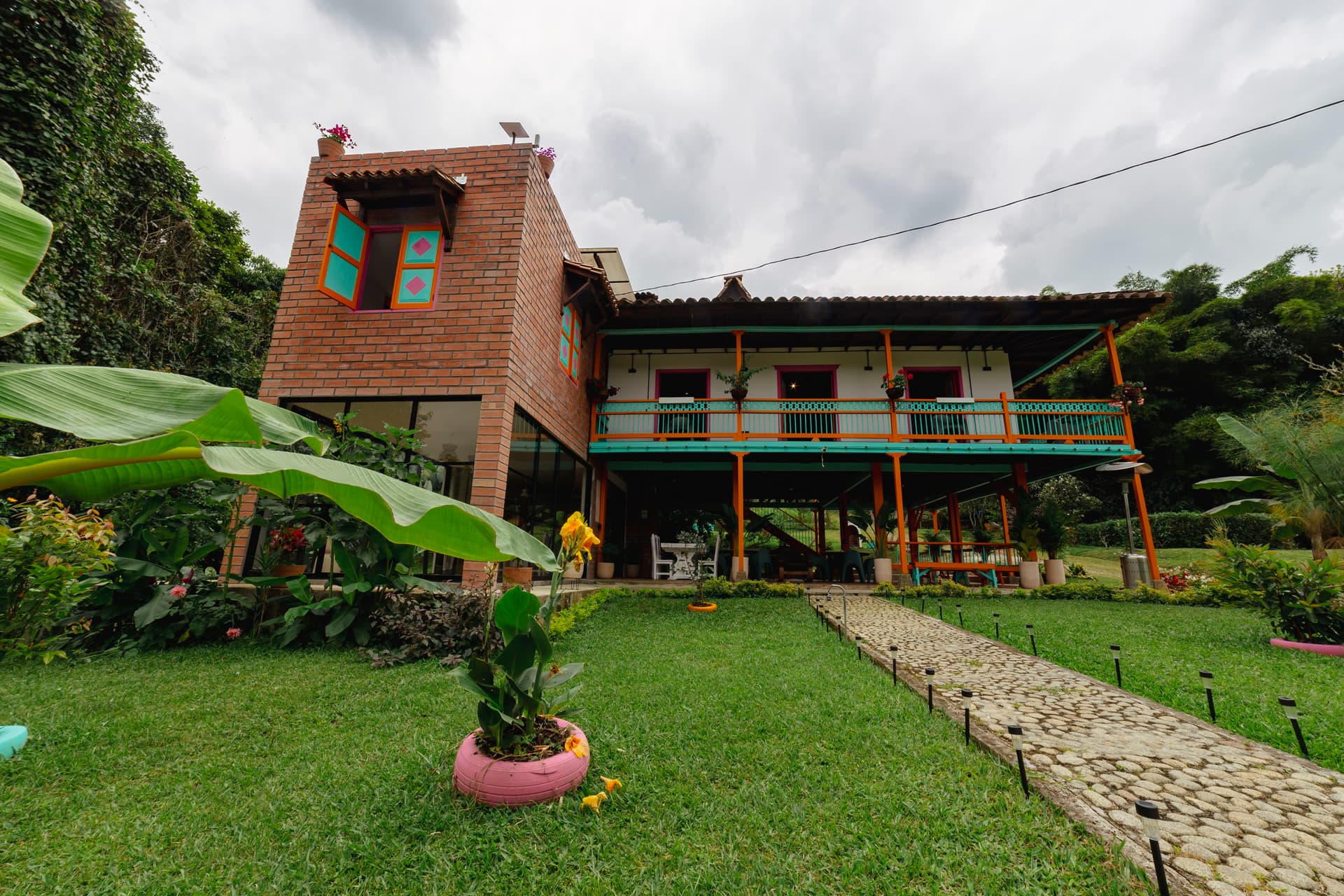
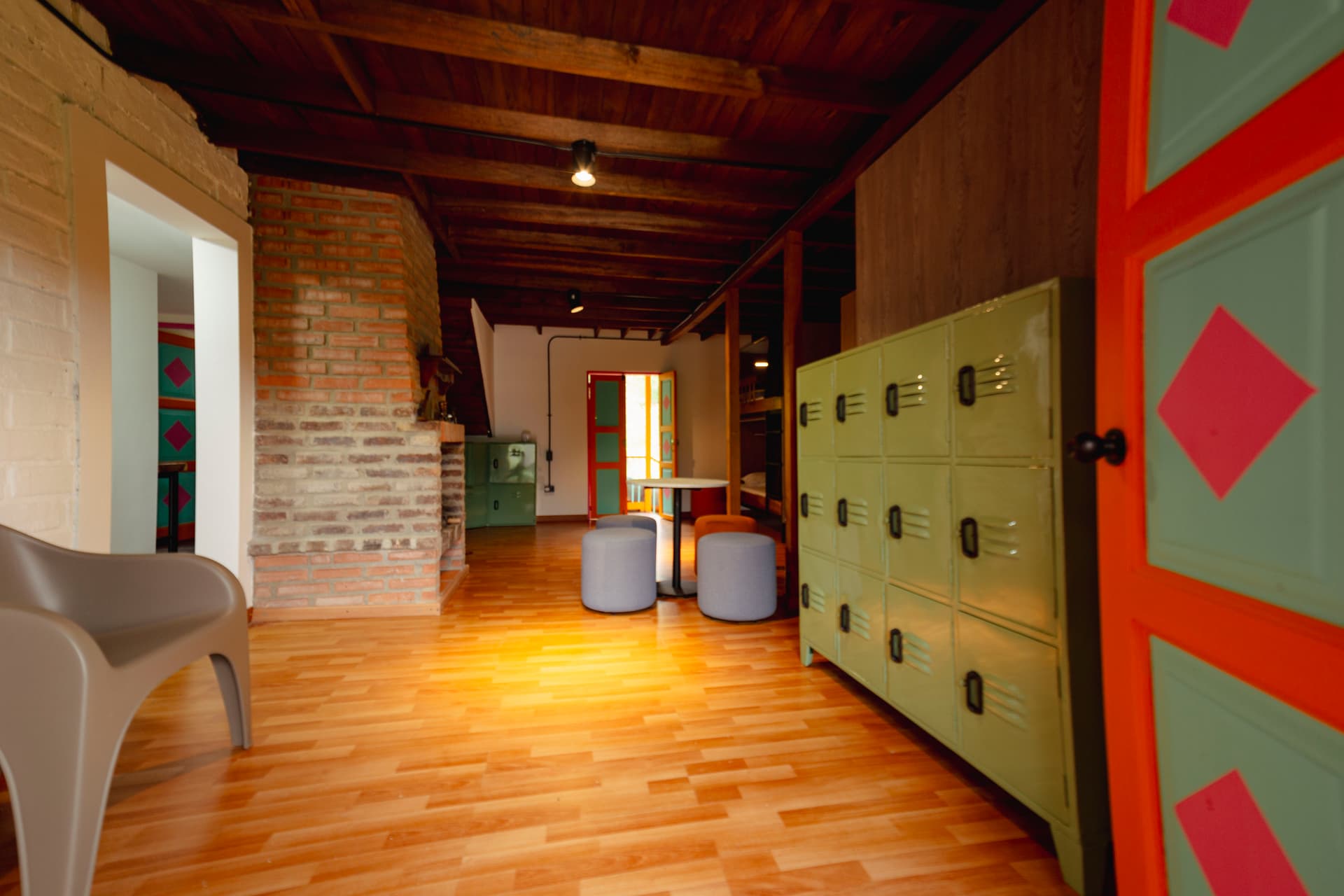
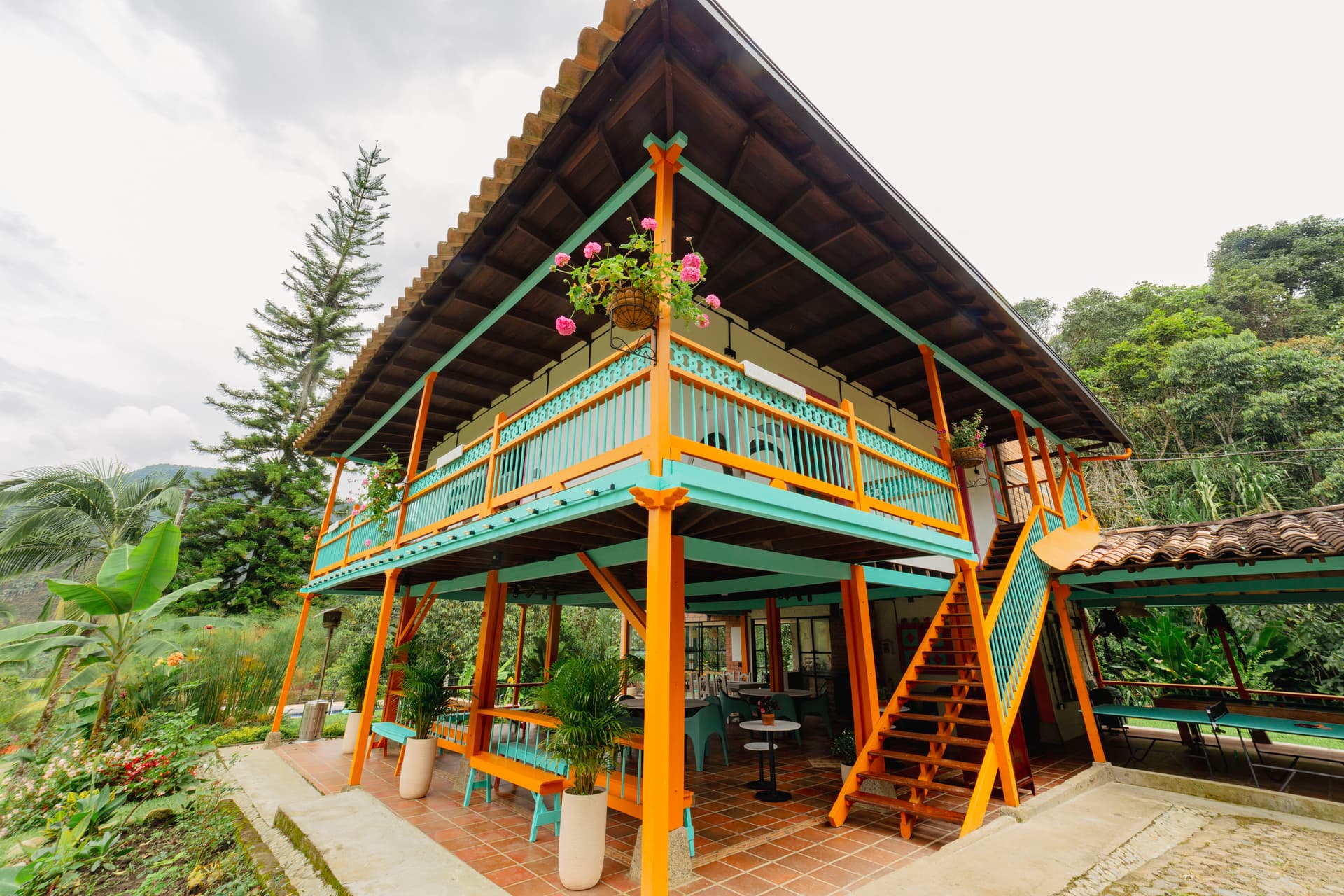
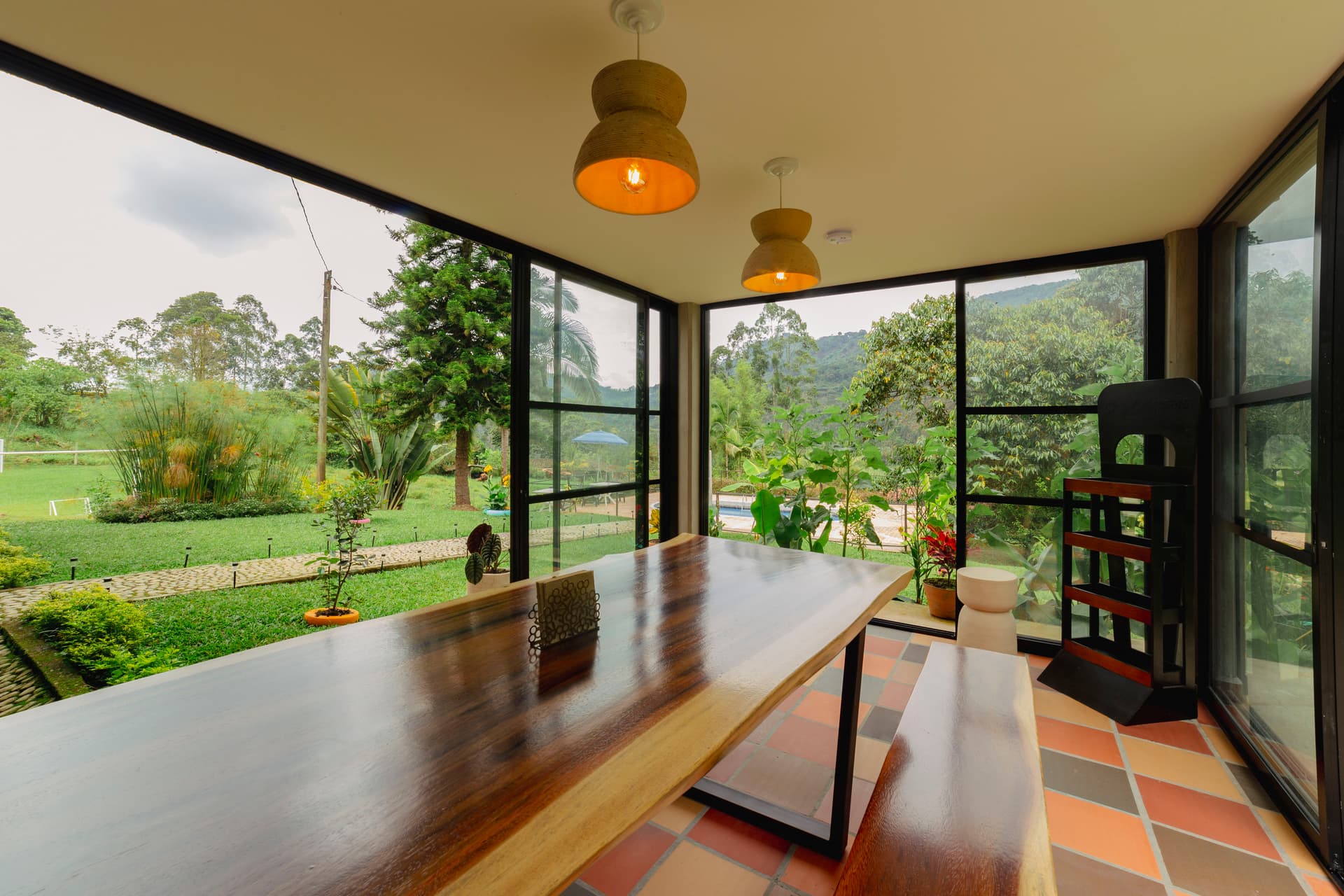
Our doubt lasted approximately forty-five seconds. The property is lovely — not the sterile loveliness of a boutique hotel, but the lived-in beauty of a place that has been cared for with genuine attention. Our room was comfortable and clean, the gardens were lush, and the common area had the kind of atmosphere that makes you want to sit down and stay.
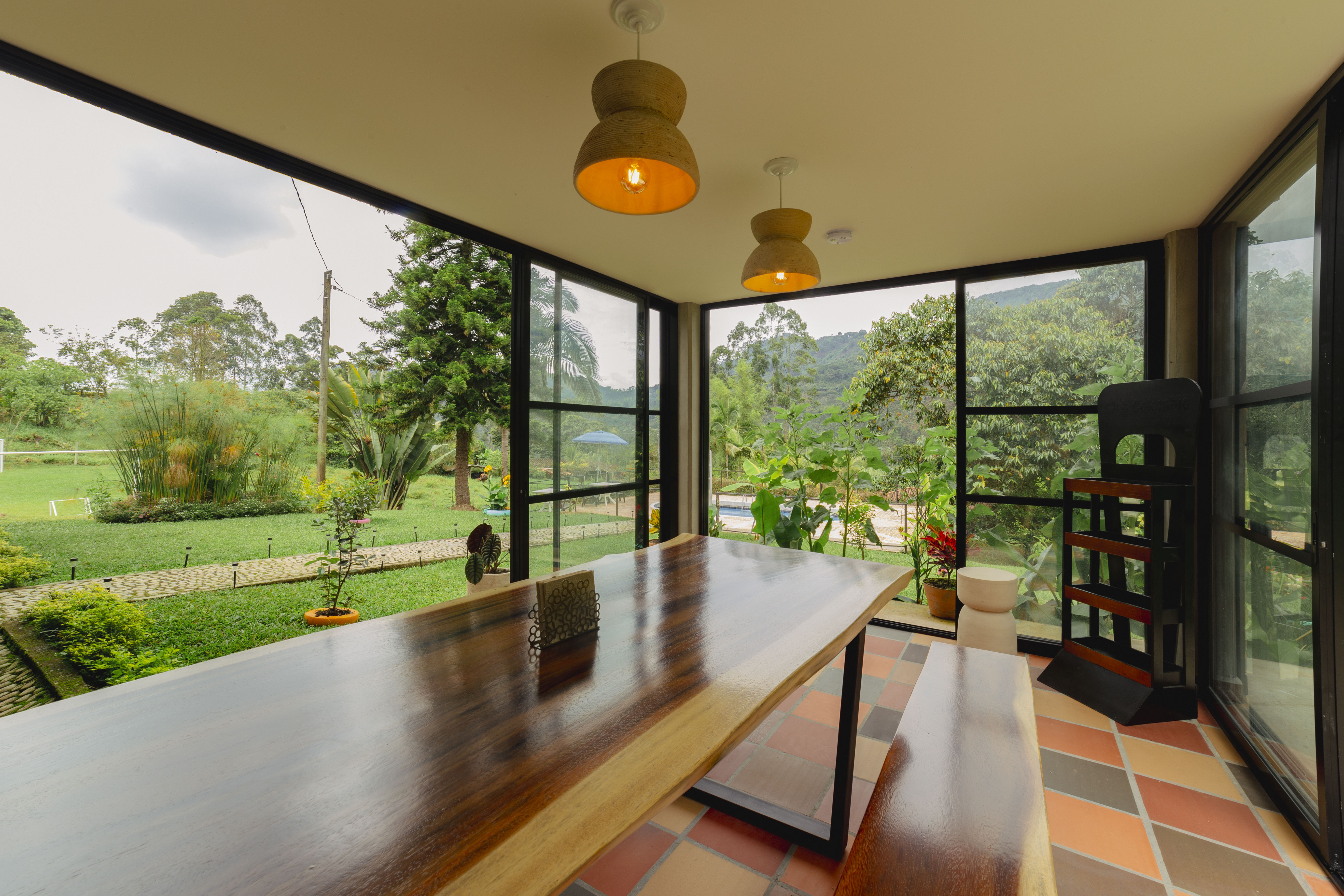
The staff recommended we try dinner at one of the restaurants near the plaza, and so began our culinary education.
The trucha revelation
Let us talk about trout. In France, we know trout. River trout, pan-fried in butter with almonds, is a classic of French country cooking. We thought we understood what trout could be.
Then we sat down at a small restaurant on the plaza and ordered trucha a la jardinera — trout prepared in the local style, served with patacones, rice, a simple salad, and a small cup of ají. The fish was fresh from the rivers that run through the valleys around Jardín, firm-fleshed and clean-tasting, cooked simply but with confidence. The patacones — twice-fried plantain — provided a satisfying crunch that played beautifully against the delicate fish. And the ají, a homemade salsa of chili, lime, and herbs, tied everything together with a brightness that made Pierre put down his fork and say, "This is serious cooking."
We ate trucha three of our four nights in Jardín. Each restaurant prepared it slightly differently — grilled, baked in foil with herbs, pan-seared with garlic — and each version was excellent. The ingredient quality is remarkable. When the fish comes from the river a few kilometers away and the vegetables come from farms you can see from the plaza, freshness is not a marketing concept but a simple fact.
The architecture that feeds the soul
Pierre spent hours examining the buildings around the plaza, and we must allow him a digression here. (Sophie: "Must we?" Pierre: "We must.")
The Basilica of the Immaculate Conception is extraordinary. Not because it resembles the great Gothic cathedrals of Europe — it is far too modest for that comparison — but because it represents something more interesting: the adaptation of European architectural ideas to a completely different context. The neo-Gothic forms are there — the pointed arches, the vertical emphasis, the stone tracery — but they have been interpreted through local materials and local hands, creating something that belongs entirely to this valley and this culture.
Pierre spent an entire morning inside the church, examining the stonework, the proportions, the way light enters through the windows. He emerged declaring it "the most honest church I have seen in years," by which he means it is a building that does not pretend to be something it is not. It is a mountain town's expression of faith, built with local stone by local craftsmen, and its beauty comes from that authenticity.
Pro tip: Base yourself at Isla de Pascua — Visit the Basilica in the morning when sunlight illuminates the interior through the east-facing windows. The stonework details are best appreciated in this directional light.
The artisans of cestería
On our third day, we discovered the cestería artisans of Jardín, and Sophie found her equivalent of Pierre's Basilica moment. The craft of weaving iraca palm into baskets, hats, bags, and decorative objects has been practiced in this region for generations, and the skill involved is remarkable.
We watched a woman weave with a speed and precision that reminded Sophie of watching a master pastry chef pipe decorations — the same economy of movement, the same unconscious expertise born of thousands of hours of practice. The patterns are intricate and the colors are vivid, drawn from natural dyes that produce hues no synthetic process could replicate.
We bought several pieces — a small basket for bread that now sits on our kitchen table in Toulouse, and a woven bag that Sophie uses daily. Every time she picks it up, she says, she can smell the mountains of Antioquia. (Pierre suspects this is romantic exaggeration. Sophie insists it is not.)
The relationship between food, craft, and architecture in Jardín is what impressed us most. All three share a common quality: they are rooted in place, made from local materials by local people, and perfected over generations. This is not artisanal in the trendy, Instagram sense of the word. It is artisanal in the original sense — the patient application of skill to the materials at hand, producing things of beauty and utility.
Eating our way through the plaza
We must return to the food because there is more to say. Beyond the trucha, Jardín offered us:
A bandeja paisa at a family restaurant that was — and we say this with full awareness of the provocation — as satisfying as a good choucroute garnie. The combination of beans, rice, chorizo, chicharrón, arepa, plantain, avocado, and egg should not work — it is too much, too many elements, too generous — and yet it works magnificently. It is peasant food in the best sense: nourishing, abundant, and deeply flavored.
Fresh fruit juices made from fruits we had never encountered — lulo, which tastes like a citrus crossed with a kiwi; maracuyá with a tartness that would make a Granny Smith envious; and guanábana, which is so purely tropical that it made us briefly question whether French cuisine had any business existing.
The dulces of Jardín — traditional sweets made from guava paste, arequipe, and combinations thereof — which are the Colombian answer to our confiture, and which we consumed in quantities that would have scandalized our doctor.
And the coffee. Mon Dieu, the coffee. We have been drinking espresso in Toulouse cafés for decades, and we thought we knew what good coffee tasted like. The coffee in Jardín — single-origin, shade-grown on the hillsides we could see from the hostel — made us realize we had been drinking a photocopy of coffee when the original was here all along.
The hostel as home
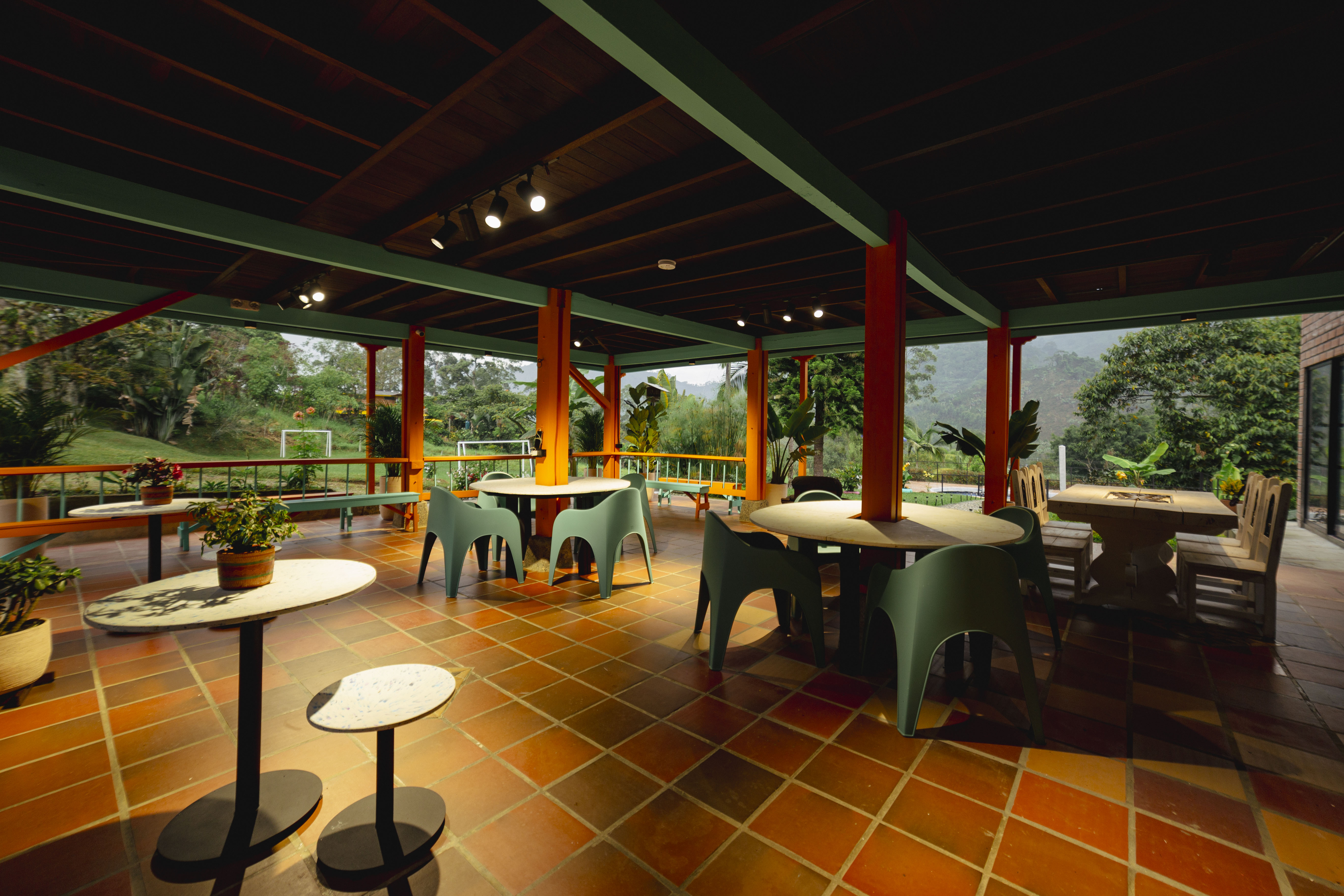
We want to say something about Isla de Pascua that surprised us. We expected to feel out of place — the older couple among the backpackers. Instead, we felt welcomed in a way that transcended age. The common area became our living room. We shared meals with travelers in their twenties and thirties, exchanged restaurant recommendations, debated the merits of various hiking trails, and discovered that a good meal and a good story are the universal languages.
On our last evening, we sat on the terrace watching the sunset with glasses of aguardiente — which Sophie has described as "anise liqueur's wild Colombian cousin" — and Pierre made the observation that Jardín reminds him of the small towns in the south of France that have not yet been discovered by Parisian weekenders. Real places where real people live real lives, and where the food is good because the ingredients are local and the cooks have been making the same dishes for generations.
We will return. We have already told our friends in Toulouse, and we suspect the French invasion of Jardín will begin shortly. Apologies in advance to the trucha supply.
Pierre and Sophie are retired professionals from Toulouse, France. They stayed at Isla de Pascua hostel in June 2025. The bread basket is still on their kitchen table.
Ready to experience Jardín?
Book Now Isla de Pascua