Written by Óscar Mendoza — Peru
Stay: September 2025, 3 nights
The Rhythm of Jardín: A Musician's Love Letter
Every town has a sound. Lima, where I grew up, sounds like car horns and cumbia bleeding from taxi windows, waves hitting the malecón, and the sizzle of anticuchos on a street-corner grill. Cusco sounds like panpipes and tourist haggling and the wind through ancient stones. I've spent my adult life listening — really listening — to places, because I believe you can learn more about a town through its ears than its eyes.
Jardín's sound is something I'd never heard before. And I'm still trying to find the right chord progression to describe it.
The First Note
I'm a musician. Guitar, primarily, but I dabble in cajón, charango, and whatever else I can get my hands on. I've played in bars across South America for the last decade, living the kind of life that looks romantic in movies and feels like a series of questionable financial decisions in reality. But I love it — every uncertain, beautiful minute of it.
I came to Colombia to play a few gigs in Medellín and ended up on a bus to Jardín because a bartender told me it was "the most musical small town in Antioquia." That was enough. I've followed worse leads to better places.
The bus dropped me in the late afternoon, and the first thing I heard was not what I expected. I expected silence — that mountain-town quiet you get in remote Andean villages. Instead, I heard layers. A radio playing vallenato from a shop doorway. The clatter of dominoes on a wooden table. Church bells — not the single, solemn toll of a cathedral, but a bright, almost playful sequence, as if the bell ringer was improvising. Birdsong from trees I couldn't identify. And underneath it all, the murmur of the river that runs through the valley, a bass note holding everything together.
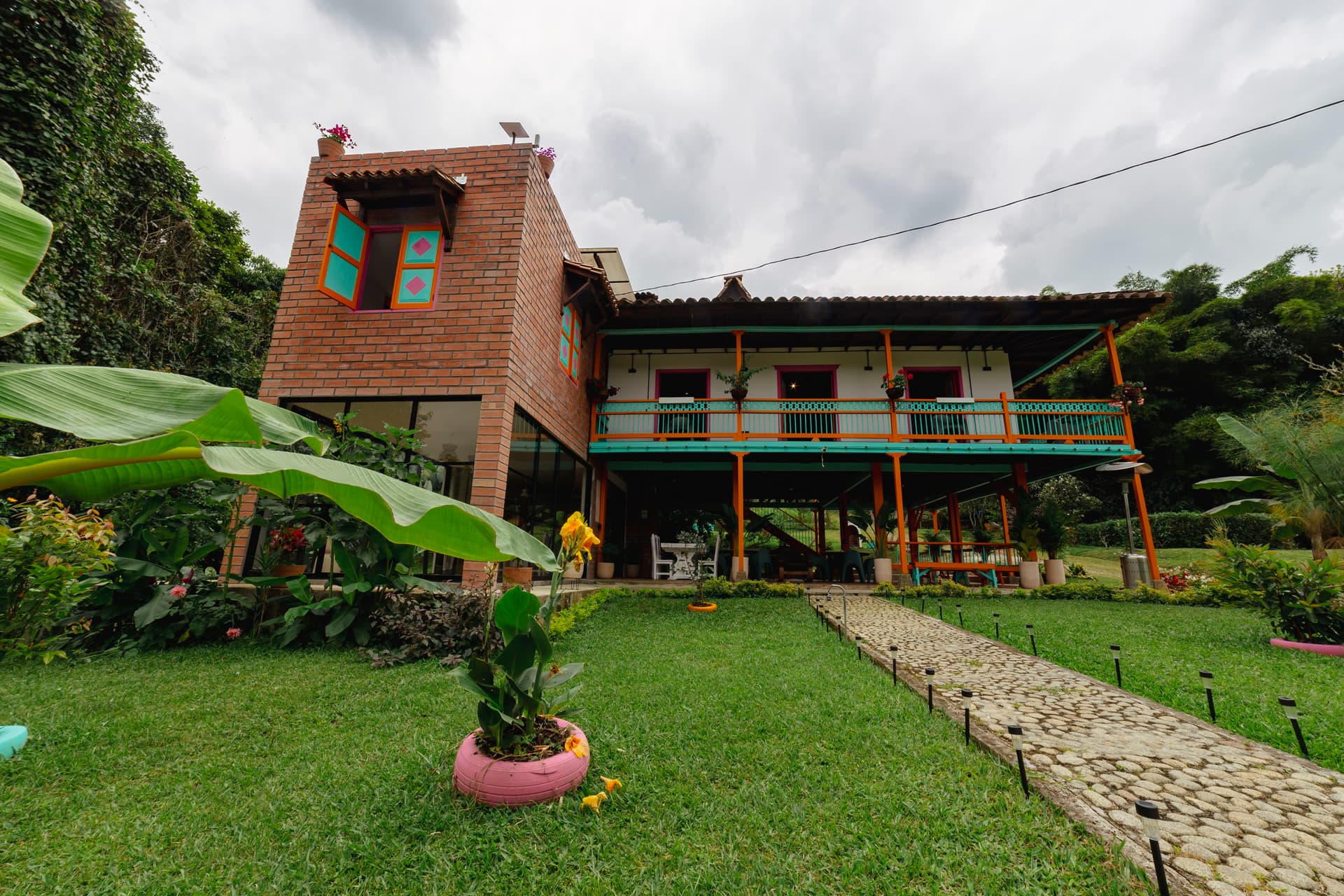
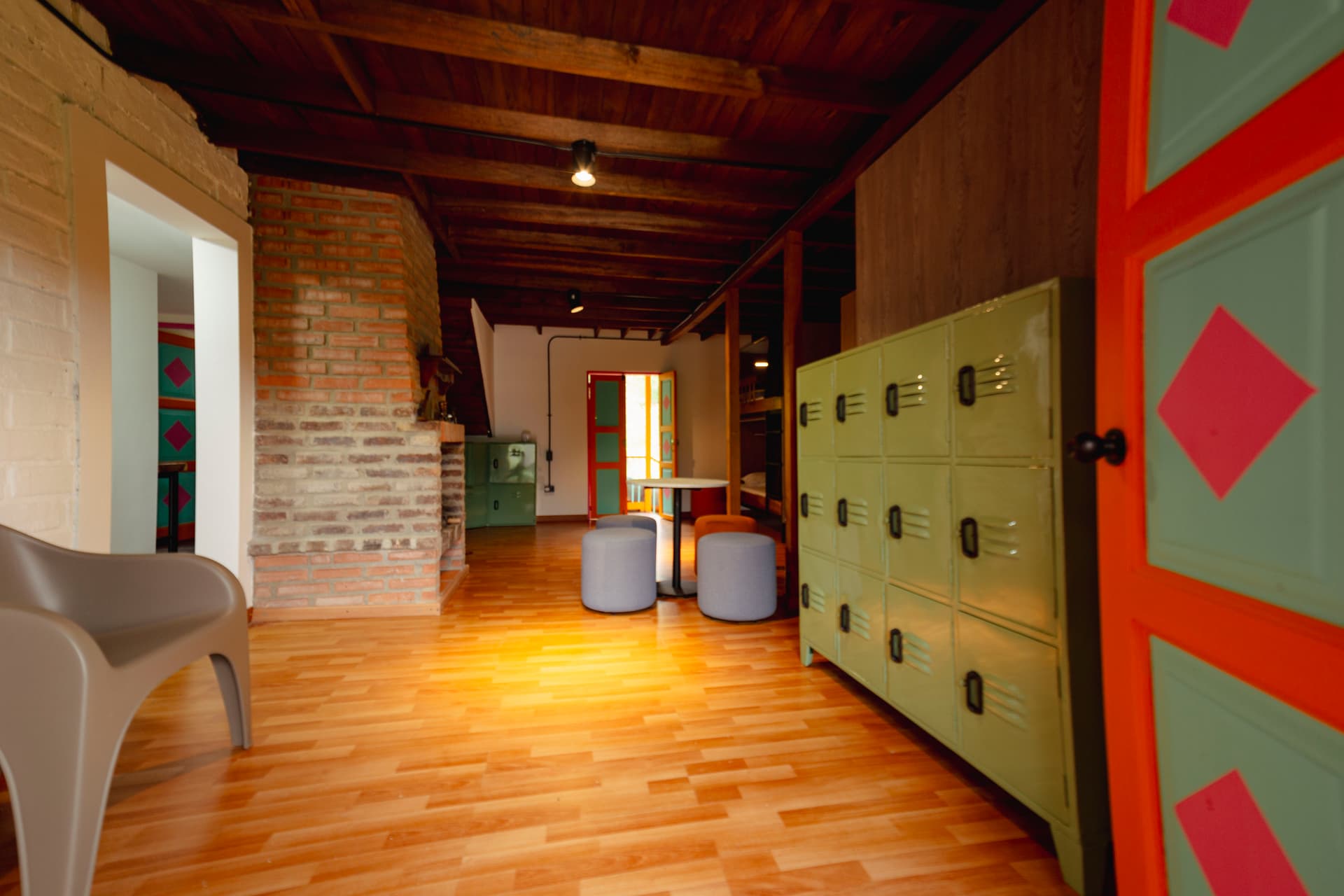
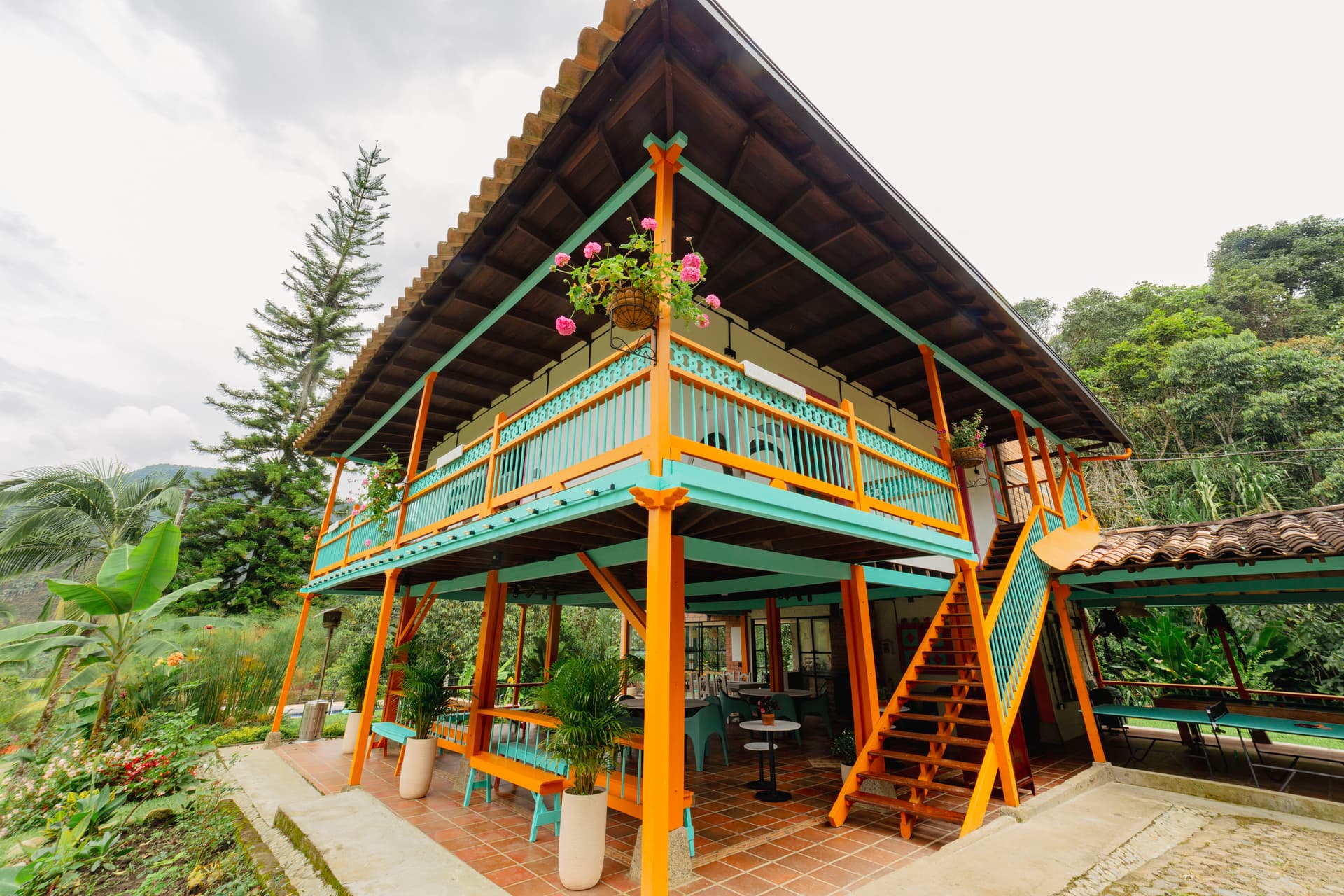
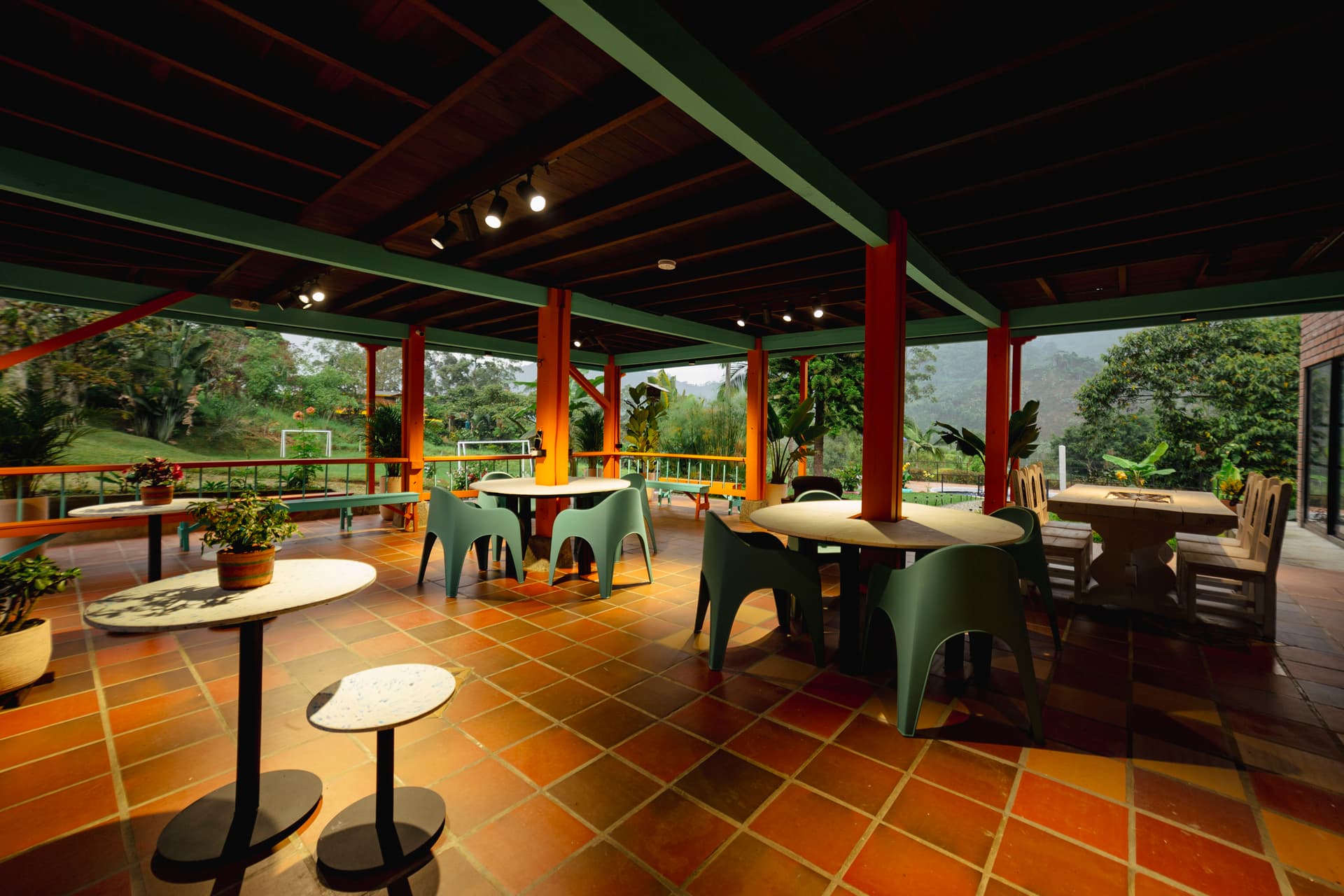
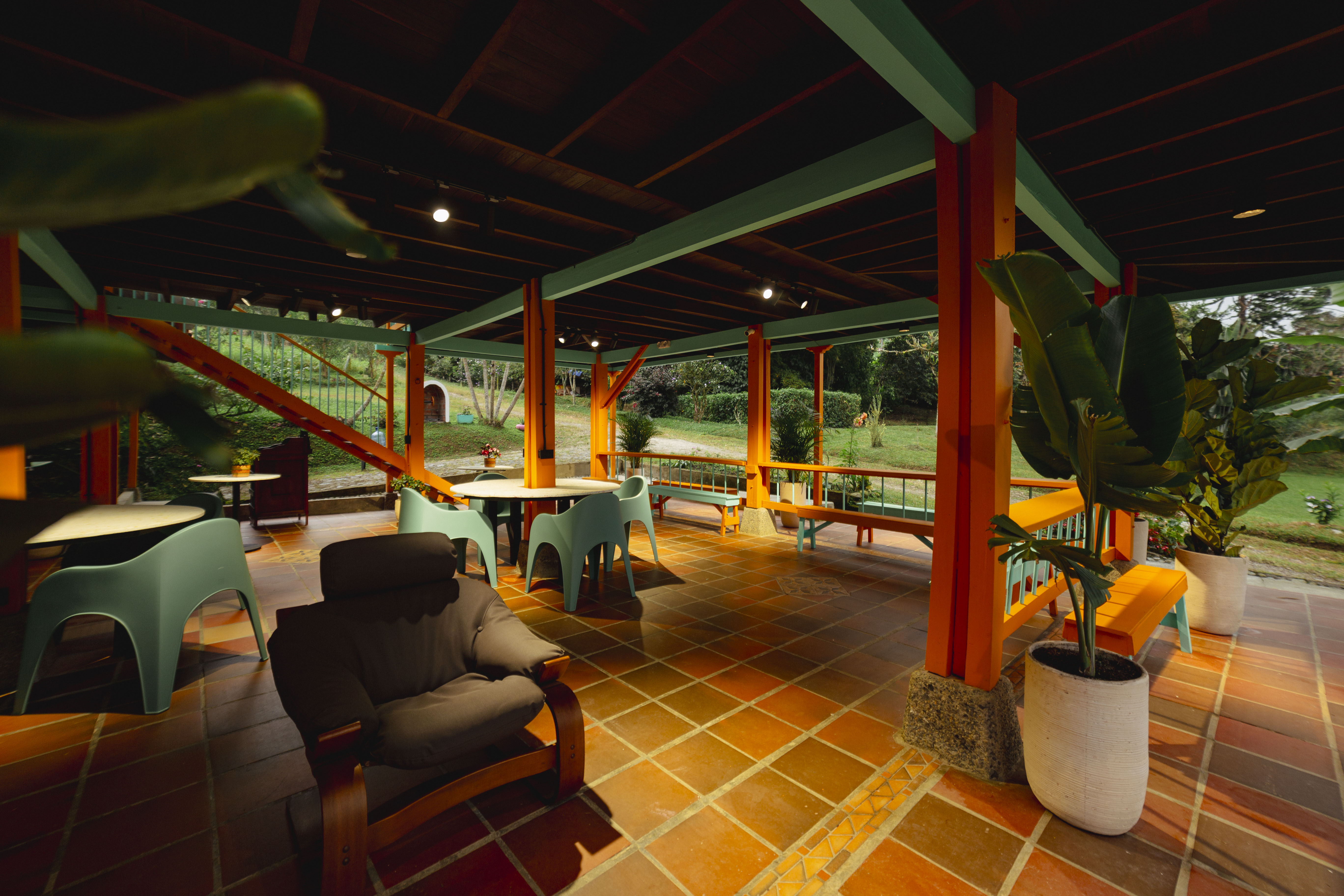
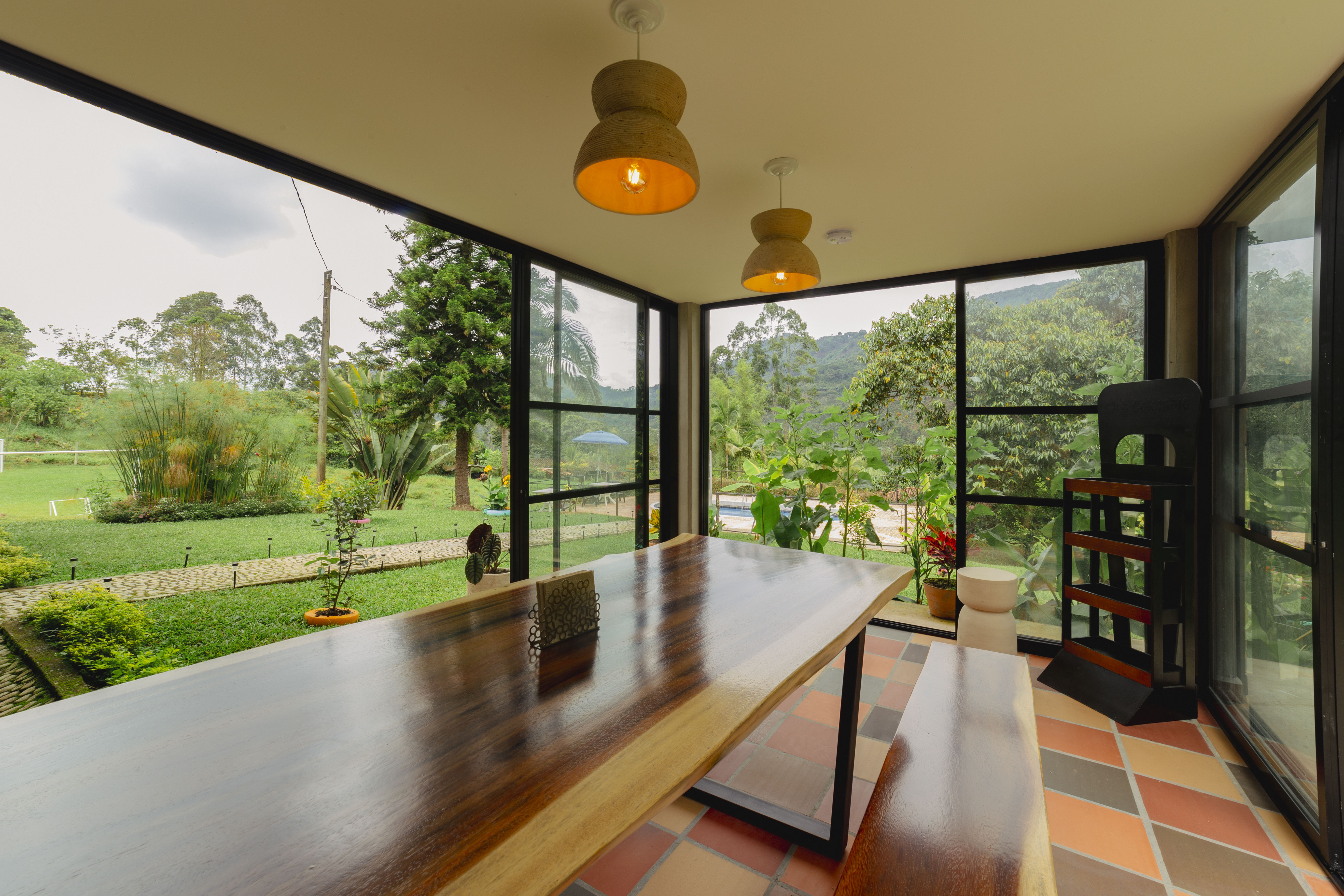
I checked into Hostel Isla de Pascua and immediately felt at home. The hostel had a warmth to it — not just the temperature, but the atmosphere. People greeted each other. Music played softly from a speaker in the common area. Someone was cooking in the shared kitchen, and the smell of garlic and plantain drifted through the garden.
The Plaza After Dark
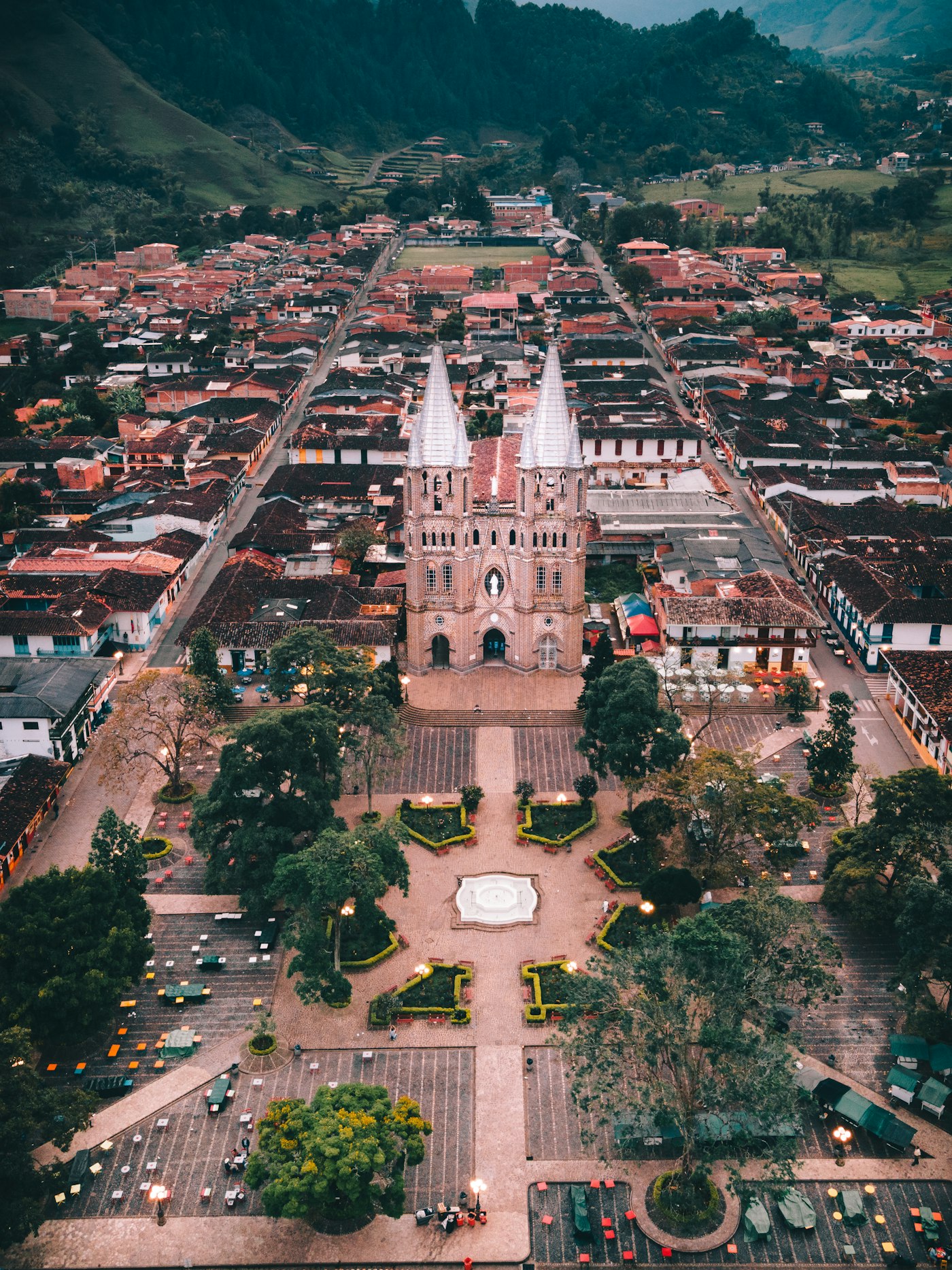
If Jardín has a heartbeat, it lives in the plaza at night. After dinner — a trucha that tasted like it had been swimming in the river an hour ago — I walked to the Parque Principal and found a scene that made my musician's heart sing.
The plaza was alive. Families strolled. Couples sat on benches. Groups of friends gathered around the colorful chairs with bottles of Club Colombia and plates of chorizo. From a bar on the corner, a speaker pumped salsa — Héctor Lavoe, if my ears didn't deceive me — and a few couples danced right there on the street, their feet keeping time on the cobblestones.
But the real music was happening at a smaller bar down a side street. A local guitarist was playing bambucos — the traditional Andean Colombian folk style that blends Spanish guitar technique with indigenous rhythms. I stood in the doorway, transfixed. The guitarist noticed me watching, smiled, and waved me over. Within ten minutes, someone had handed me a guitar, someone else had poured me an aguardiente, and I was playing along, fumbling through chord changes I'd never heard while the bar cheered every time I landed one correctly.
This is what I mean when I say music is the fastest language. I spoke barely enough Spanish to order dinner — my Lima accent tangles with the paisa dialect like two rivers meeting — but with a guitar in my hands, I was fluent. We played for three hours. Bambucos, pasillos, a few cumbias, and when I contributed a Peruvian vals criollo, the whole bar went quiet, then erupted.
The guitarist's name was Don Carlos. He was seventy-two years old and had been playing in Jardín's plaza since he was fifteen. He told me that music here isn't performance — it's conversation. "We don't play for an audience," he said, pouring another aguardiente. "We play for the town. The town listens, and sometimes it sings back."
The Morning After
I woke up with a headache and a heart full of melody. The aguardiente in Jardín is generous and unforgiving.
After coffee — Jardín coffee, which deserves its own song, honestly — I spent the morning walking the town and listening. I discovered that Jardín's soundscape changes by the hour. Early morning belongs to the birds: tanagers, hummingbirds, and something with a call that sounded like a piccolo playing scales. Mid-morning brings the market sounds — vendors calling out prices, the thump of machetes on coconuts, the laughter of children. Afternoon is quieter, slower, like the town itself is taking a siesta.
I sat in the plaza with my borrowed guitar and played quietly — Peruvian melodies, mostly, the songs my grandmother taught me as a boy. A few people stopped to listen. An old woman smiled and said something I didn't catch. A child dropped a coin in my guitar case, and I felt more honored than I have playing any paid gig in my life.
The Last Night
On my final evening, Don Carlos found me at Isla de Pascua and invited me to a "gathering." I expected a small thing — a few friends, a few beers. Instead, I walked into a party that seemed to involve half the town. There was a live band: guitar, tiple (the small twelve-string instrument unique to Antioquia), bass, and a singer whose voice could have filled an opera house but was perfectly happy filling a living room.
They played música de cuerda — string music — the traditional sound of Antioquia that I'd heard echoes of in the plaza but never this close, this pure. It was like hearing a language for the first time and suddenly understanding why it exists. The rhythms were different from anything I knew from Peru — more syncopated, with a swing that came from African roots blending with Andean structures. It was complex and joyful and completely unpretentious.
We played until two in the morning. I learned three new songs. I taught them a huayno from Cusco that made Don Carlos cry — "because it sounds like the mountains singing," he said, and I couldn't argue with that.
The Sound I Took With Me
I left Jardín with a recording on my phone — Don Carlos and me playing a bambuco together, our guitars weaving around each other like two birds in flight. I listen to it on headphones in bus stations and airport terminals, and for three minutes, I'm back in that bar, aguardiente-warm, surrounded by people I'd known for hours but felt I'd known for years.
Every town has a sound. Most are noise. Some are music. Jardín is a symphony performed by a town that doesn't know it's playing — and that's exactly what makes it extraordinary. The rhythms here aren't rehearsed or performed for tourists. They grow from the cobblestones and the coffee farms and the river and the voices of people who have been singing the same songs for generations, adding new verses as they go.
If you have a musical bone in your body — if you've ever tapped your foot to a rhythm, hummed along to a melody, or felt your chest tighten at a beautiful chord change — come to Jardín. Bring an instrument if you have one, or borrow one when you arrive. Sit in the plaza at night. Listen. And when someone hands you an aguardiente and invites you to play, say yes. Always say yes.
Ready to experience Jardín?
Book Now Isla de Pascua