Written by Olivia Fernández — Argentina
Stay: December 2025, 7 nights
How Jardín Taught Me to Listen to Myself: Olivia's Story from Argentina
I didn't come to Jardín looking for anything. Or at least, that's what I told myself.
The truth is messier. I'm a psychologist. I spend my days helping other people untangle their emotions, asking the right questions at the right moments, sitting with discomfort until it starts to speak. But when it came to my own discomfort — the quiet burnout that had settled into my bones after four years of practice in Buenos Aires — I'd been doing what most therapists secretly do: ignoring it completely.
My colleague Martín noticed before I did. "Olivia, you're recommending travel to your clients but you haven't left the city in two years. Physician, heal thyself." He was annoyingly right. So I booked a one-way ticket to Colombia with no plan beyond "go somewhere that isn't my office."
I spent a few days in Medellín, which was beautiful but overwhelming. Too much energy, too many people, too many choices. Then someone at a café mentioned Jardín — a small pueblo in the mountains where time moved differently. I looked it up, found Isla de Pascua, and booked seven nights on impulse. Seven nights felt excessive. It turned out to be exactly right.
Arriving: The Nervous System Knows
The bus from Medellín wound through mountains that got greener with every kilometer. I watched the landscape change and felt something in my chest begin to loosen — that physical sensation of tension releasing that I've described to clients a thousand times but hadn't felt in my own body for months.
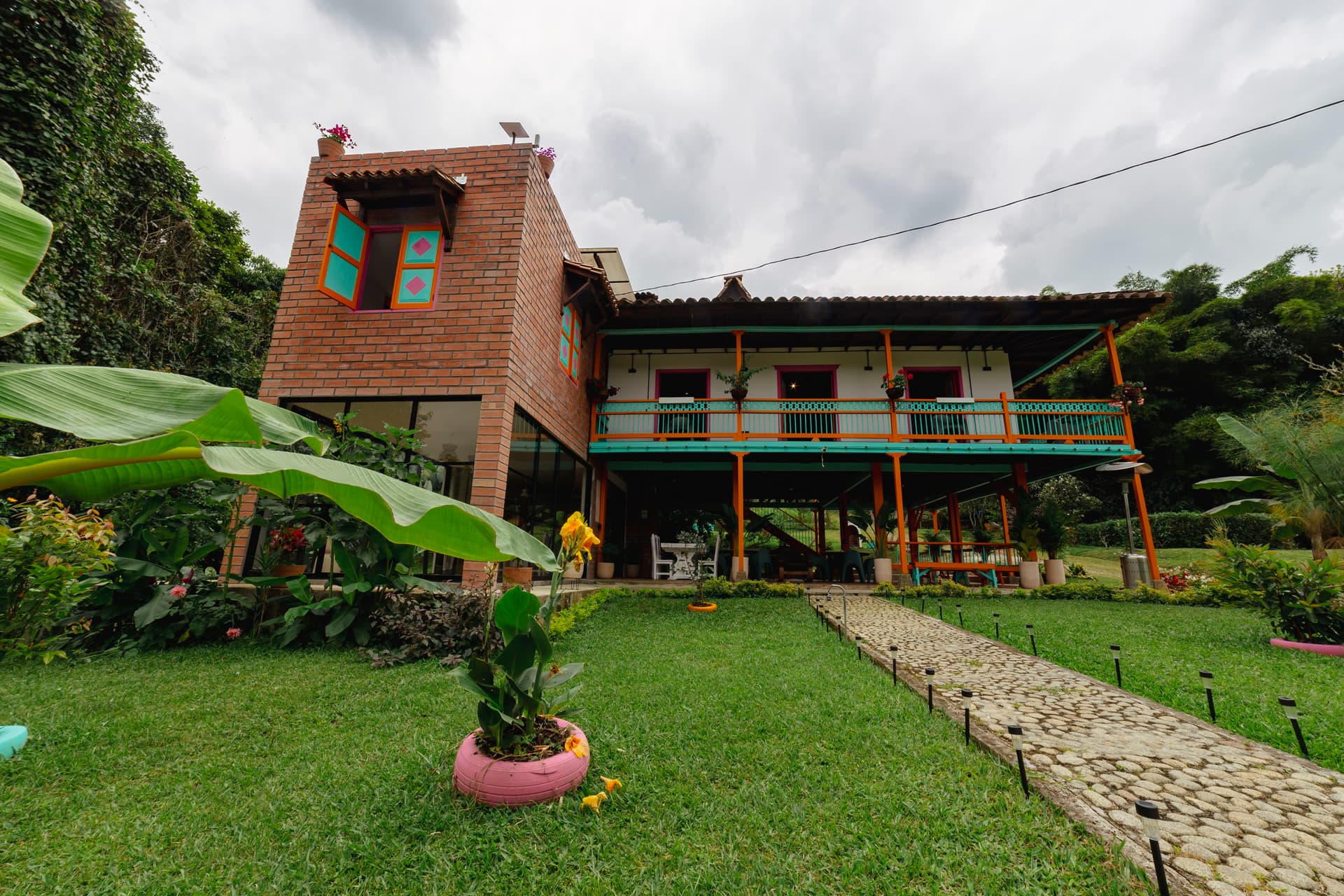
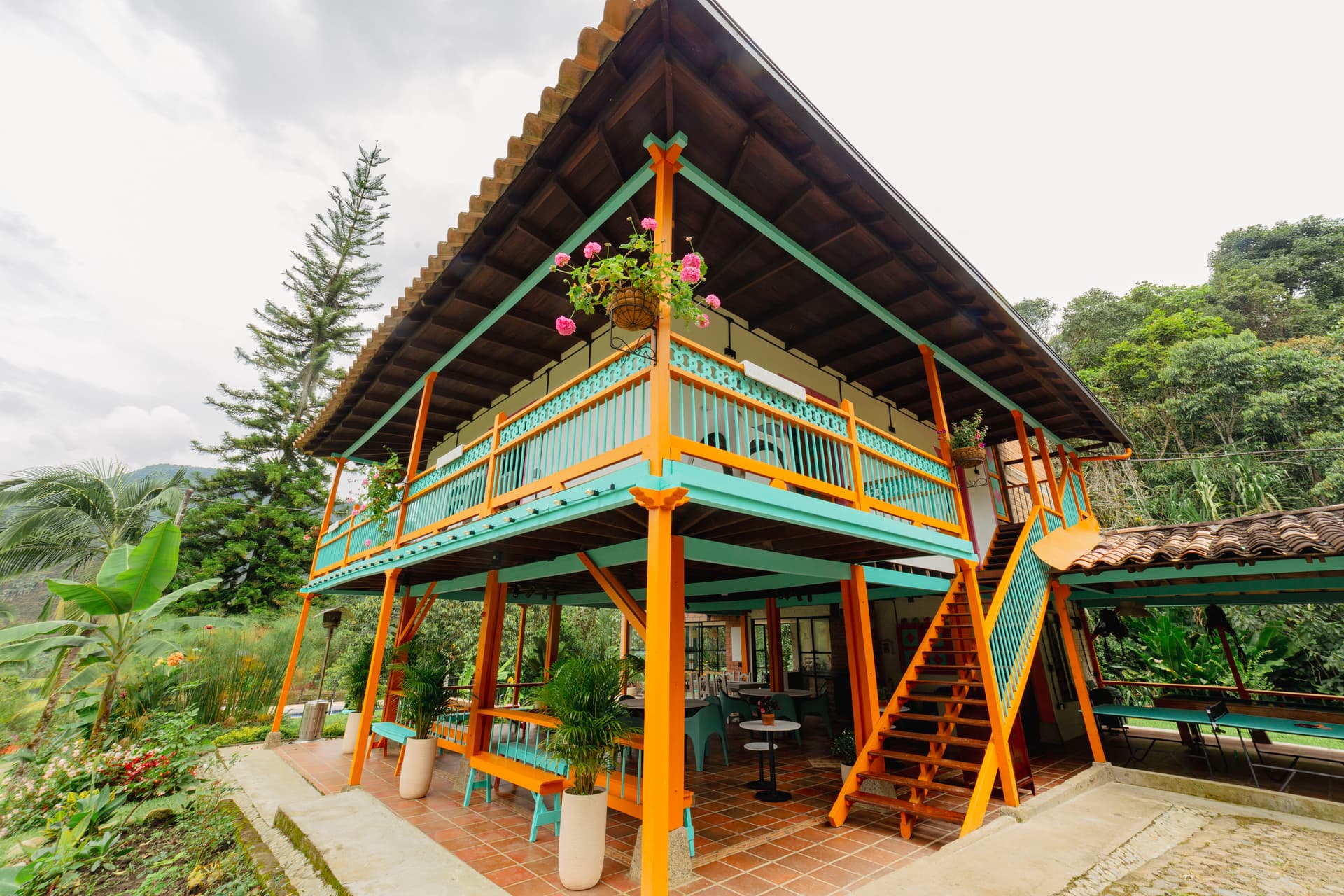
Isla de Pascua sits on a hillside above the town, and when I walked through the entrance, the first thing I noticed wasn't the pool or the gardens or the view. It was the silence. Not empty silence — alive silence. Birds, wind, distant church bells. The kind of quiet that doesn't demand anything from you.
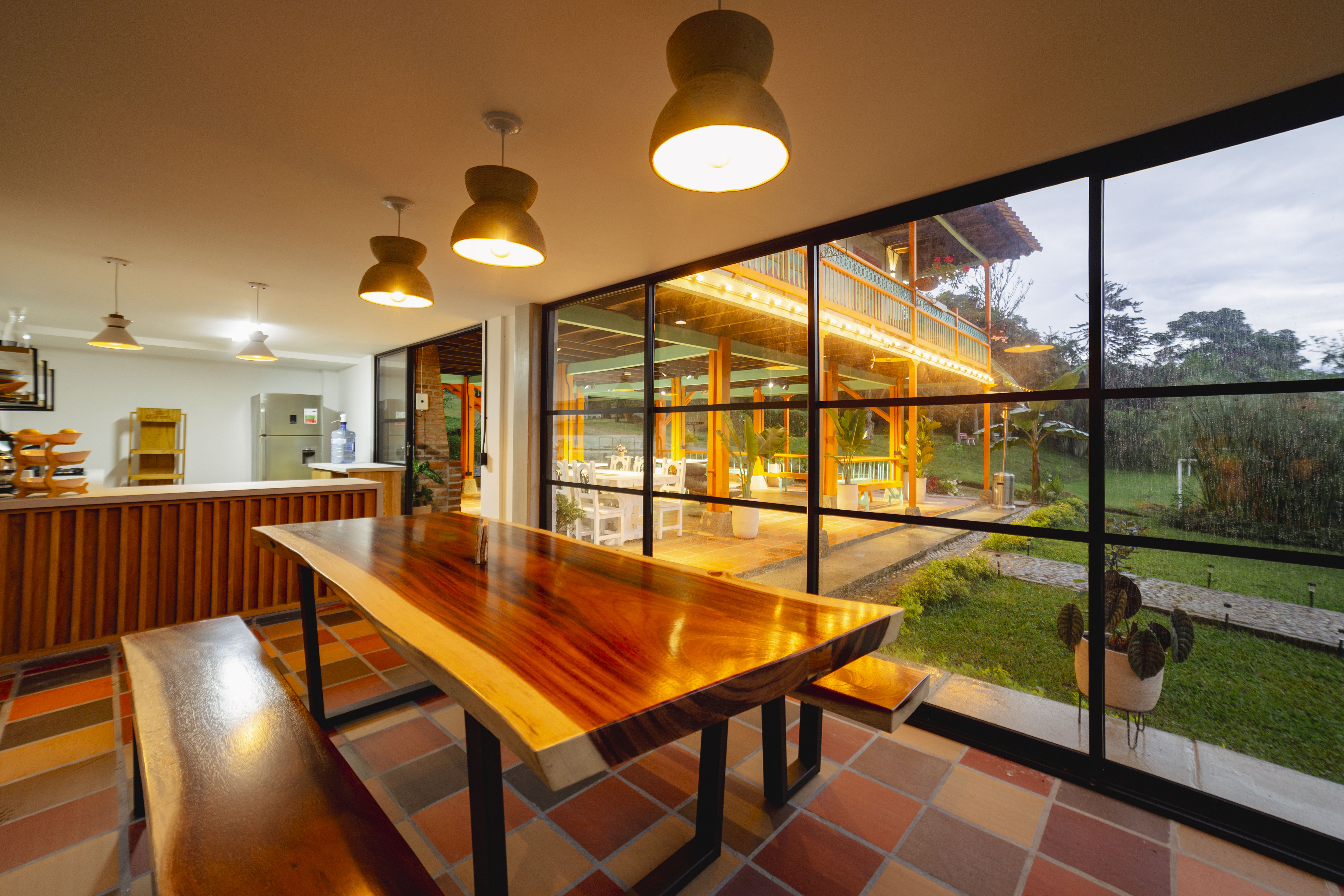
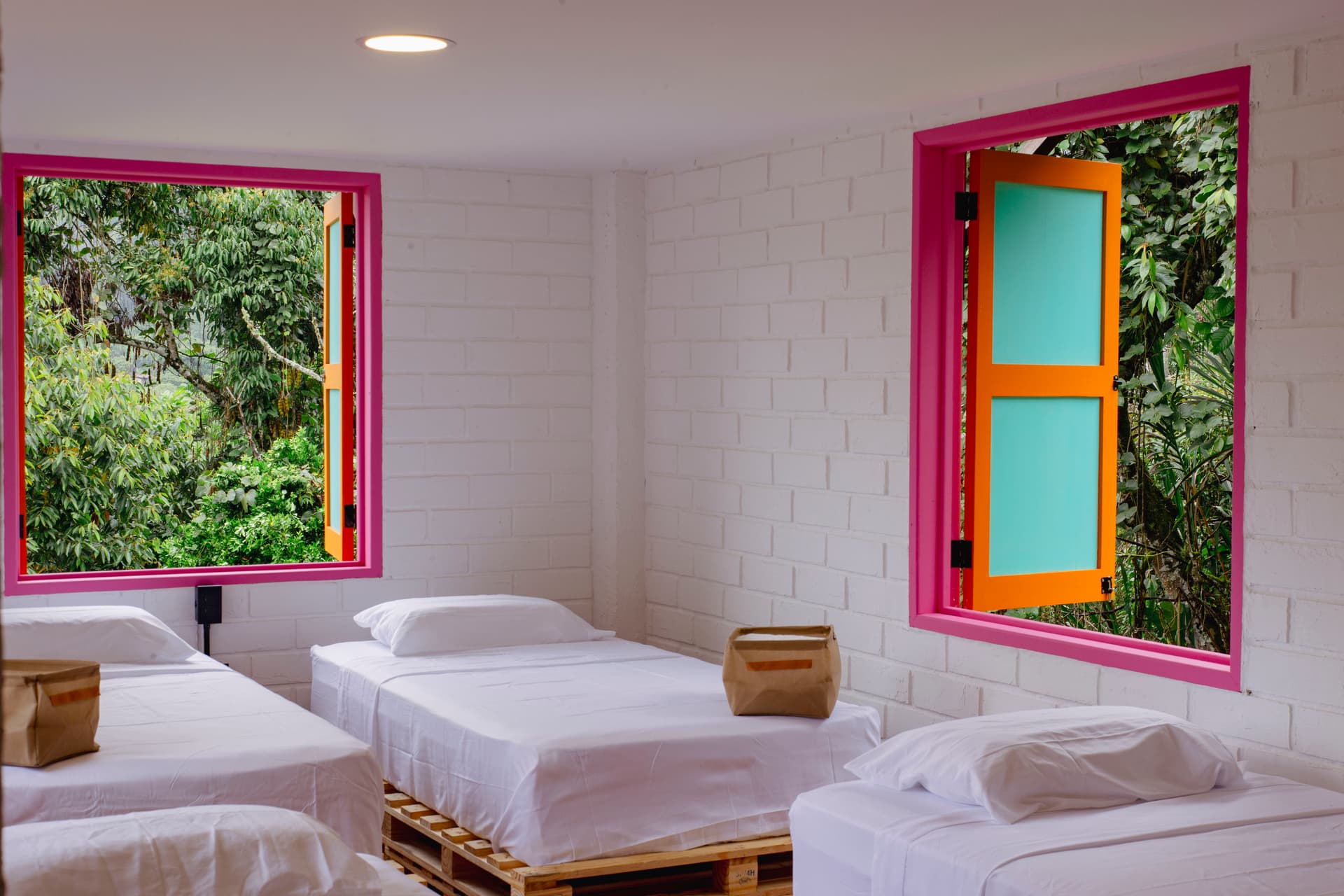
I checked into a private room (a small luxury I needed for this trip), set my bag down, and cried. Not dramatically. Just the gentle, surprising kind of crying that happens when your body finally feels safe enough to let go. If you're a therapist reading this, you know exactly what I mean.
The Journal That Wrote Itself
I'd brought a leather journal — one of those beautiful ones you buy and then feel too intimidated to write in because what if your thoughts aren't worthy of nice paper? On my second morning at Isla de Pascua, sitting in the garden with coffee and the sound of hummingbirds, I opened it and started writing.
I didn't stop for two hours.
Everything came out. The cases that haunted me. The client I couldn't help. The relationship I ended because I was too tired to maintain it. The guilt of being a mental health professional who wasn't taking care of her own mental health. I wrote without editing, without analyzing, without turning my feelings into clinical observations. Just raw, messy, human words on expensive paper.
It became my ritual. Every morning, I'd wake up, make coffee in the hostel kitchen, find my spot in the garden, and write. The staff started saving my favorite chair — a wooden one near the bougainvillea where the morning light was perfect. Small kindness, enormous impact.
Walking as Therapy
On my third day, I decided to walk up to Cristo Rey. Not for the Instagram photo, not for the exercise, but because I needed to move my body through space and let my mind wander without direction.
The hike up is steep but not punishing. I took it slowly, stopping to notice things: the texture of bark on a coffee tree, the way mist clung to the valley like a blanket being slowly pulled away, the sound of my own breathing becoming steady and rhythmic. These are things I guide clients through in mindfulness exercises, but experiencing them without clinical detachment felt entirely different.
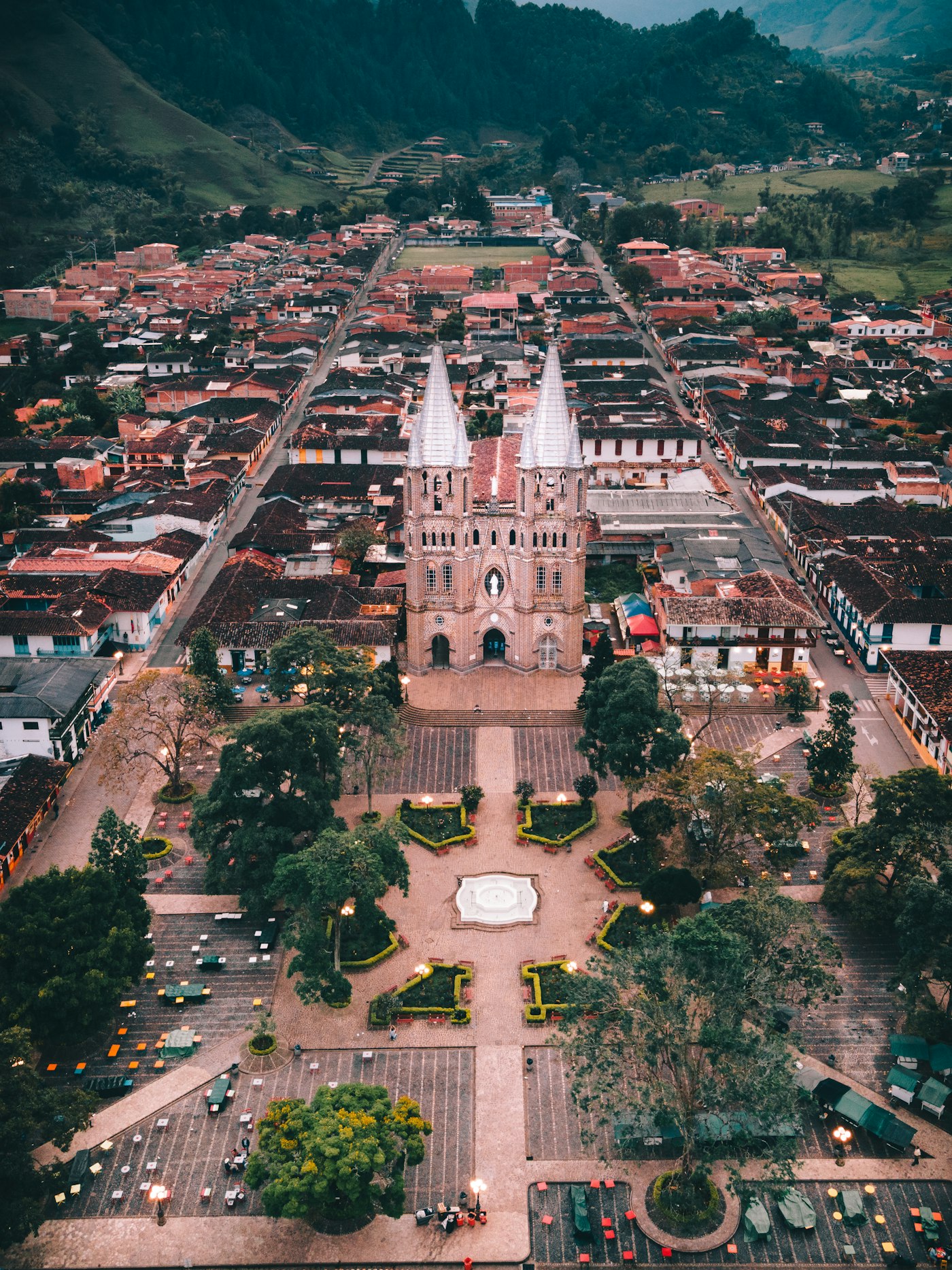
At the top, I sat on a rock and looked out over Jardín — the red roofs, the Basilica's spires, the patchwork of coffee farms stretching up the hillsides — and I felt, for the first time in months, genuinely present. Not analyzing. Not planning. Not performing wellness. Just being a woman on a mountain, watching clouds.
I went back to Cristo Rey three more times during my week. Each time, I noticed something different. Each time, I came down a little lighter.
Conversations With Strangers
Here's something they don't teach you in psychology school: sometimes the most therapeutic conversations happen not in offices with credentials on the wall, but in hostel common areas at 11 PM with someone you'll never see again.
Isla de Pascua has this beautiful communal energy. One evening, I ended up talking with a retired teacher from Canada named Helen who had lost her husband two years ago and was traveling solo for the first time. We talked for three hours — about grief, about reinvention, about the particular freedom of being in a country where nobody knows your story so you get to choose which version to tell.
Another night, I sat by the pool with a young Colombian backpacker named Santiago who was trying to decide whether to go to medical school or become a musician. We didn't solve his dilemma, but we sat with it together, and when he thanked me the next morning, I realized that I'd spent the whole conversation just listening — not as a psychologist, but as a person. The distinction matters more than I can explain.
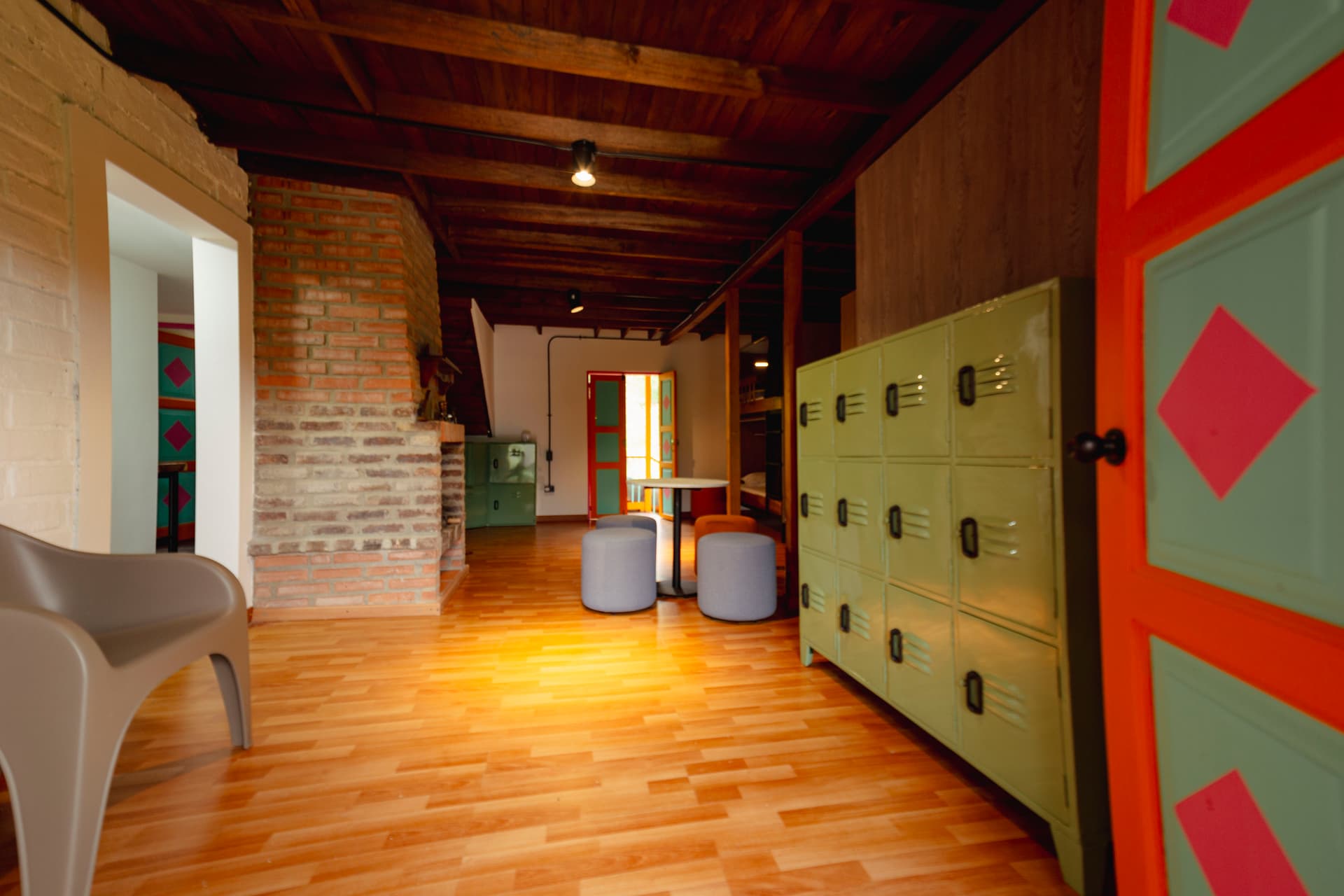
These conversations happened organically because Isla de Pascua creates space for them. The common areas are designed for lingering. The hammocks face each other. The kitchen is communal. You can be alone when you need to be, but connection is always available. As someone who studies human interaction professionally, I found the social architecture of this hostel genuinely impressive.
The Market and the Abuela
Every Sunday, Jardín's plaza fills with a market. I went on my first Sunday and spent two hours wandering through stalls of fruit, flowers, handmade baskets, and traditional dulces.
An elderly woman — she must have been eighty — was selling arequipe and cocadas from a small table. I bought some and she grabbed my hand, looked at me, and said: "Usted tiene cara de que necesita descansar, mija." You look like you need to rest, sweetheart.
I almost lost it right there in the market. This stranger saw in thirty seconds what I'd been trying to hide from myself for months. Colombian abuelas, I'm convinced, are the world's most accurate emotional diagnosticians.
I sat on a painted chair in the plaza, ate her cocadas, and let myself rest. Not just physically — emotionally. I gave myself permission to not be productive, not be insightful, not be anything at all. Just a woman eating coconut candy in the sun.
The Afternoon of Rain
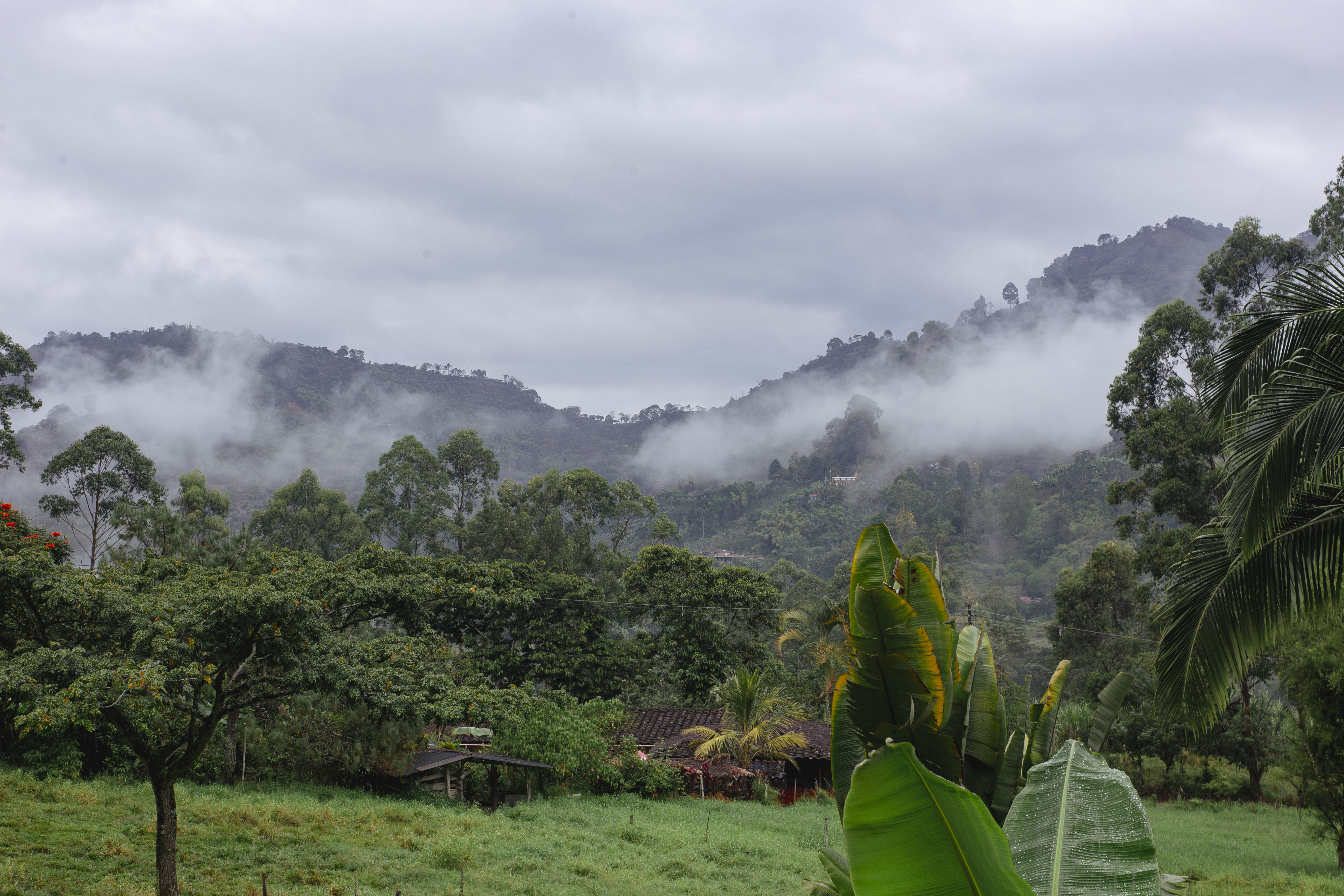
On my fifth day, it rained all afternoon. A proper mountain rain — heavy, warm, relentless. Some guests retreated to their rooms, but I stayed in the covered garden area with my journal and watched the water transform the landscape. Everything became more vivid. The greens deepened. The flowers bowed. The mountains disappeared behind curtains of silver.
I wrote a letter to myself that afternoon — the kind of letter I sometimes ask clients to write but had never written myself. Dear Olivia at twenty-two, just starting psychology school. Dear Olivia at twenty-five, taking on too many clients because you couldn't say no. Dear Olivia at twenty-eight, sitting in a hostel garden in Colombia, finally learning that helping others and helping yourself are not competing priorities.
It was, I think, the most important piece of writing I've ever done. And it happened because the rain gave me permission to stop doing and just feel.
Leaving (But Not Really)
On my last morning, I woke up early, made coffee one final time, and sat in my garden chair. The staff member who always saved it for me — a young woman named Daniela — brought me a slice of cake and said, "Para el camino." For the road.
I wrote my final journal entry at Isla de Pascua. It was short: "I came here empty and I'm leaving full. Not because Jardín gave me answers, but because it gave me the quiet I needed to hear my own questions."
Seven nights. That's all it took to remember who I was underneath the professional performance. Jardín didn't fix me — I wasn't broken. But it held space for me to reconnect with myself, and Isla de Pascua was the container that made it possible.
If you're a fellow burnt-out professional reading this — therapist, teacher, doctor, anyone who spends their days holding other people's weight — please hear me: you deserve your own version of this week. You deserve a garden chair and a journal and mountains that ask nothing of you. You deserve Jardín.
— Olivia, back in Buenos Aires, but keeping the garden chair ritual alive
Ready to experience Jardín?
Book Now Isla de Pascua