Written by Mei-Lin Chen — Taiwan
Stay: November 2025, 6 nights
A Taiwanese Tea Master Discovers Colombian Coffee With New Eyes
In my tradition, we say that tea is a conversation between water and leaf. The quality of the water matters. The temperature matters. The vessel matters. The time of day, the season, the mood of the person pouring — all of these things enter the cup. Tea is never just tea. It is an act of attention.
I did not come to Colombia expecting to find this same philosophy. I came because I was curious about the other great plant beverage — the one that conquered the Western world while tea conquered the East. I wanted to understand coffee the way I understand tea: not as a product, but as a practice.
Six nights in Jardín, at Isla de Pascua, gave me that understanding. And much more.
The First Cup
I arrived in Jardín after the long bus ride from Medellín, tired and uncertain. I had been traveling in Colombia for two weeks — Bogotá, the coffee triangle, Medellín — and while the coffee everywhere was good, it had not yet moved me the way a great oolong moves me. I was beginning to wonder if coffee simply could not achieve that depth.
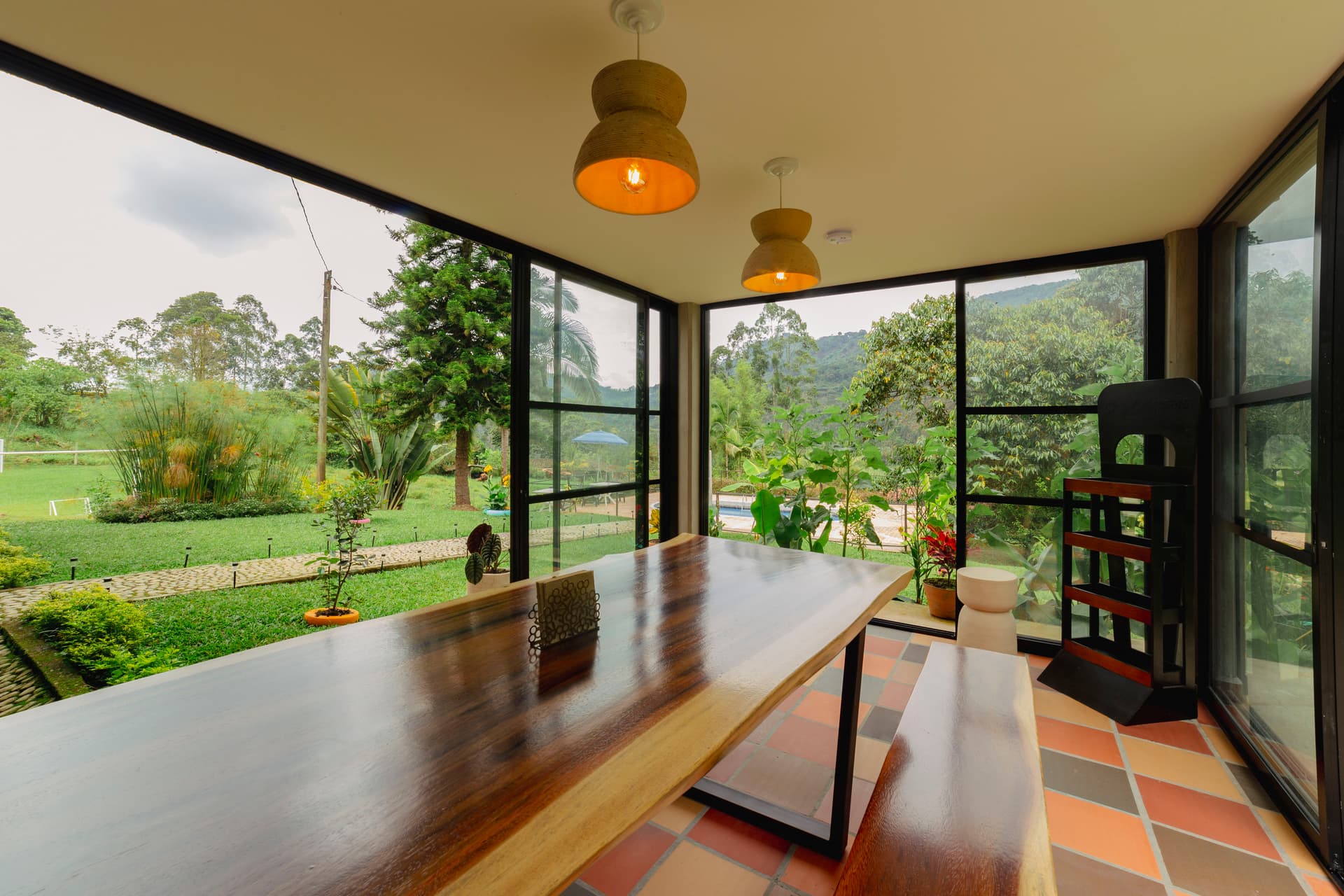
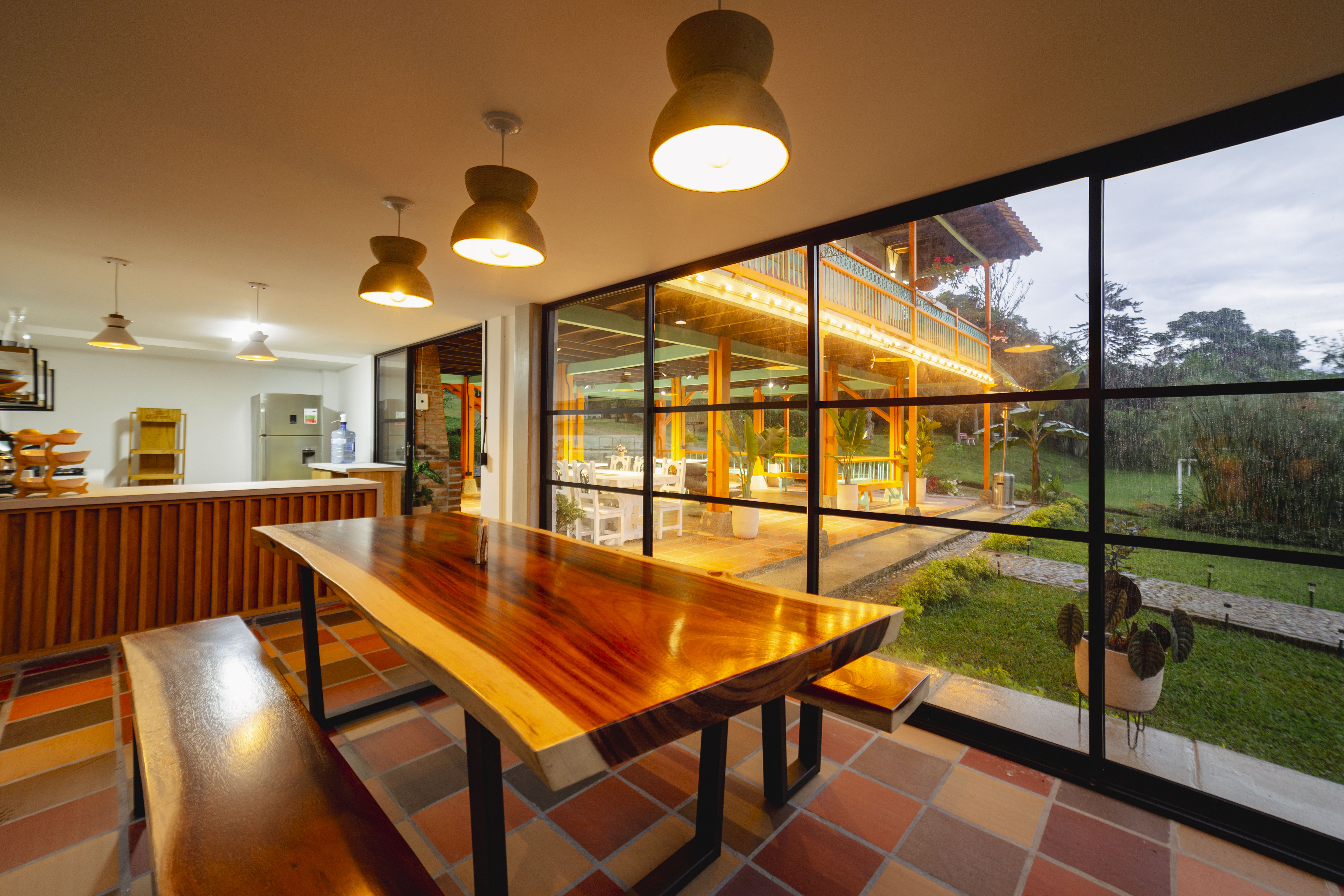
The next morning, I sat in the common area of Isla de Pascua and was served a cup of locally grown coffee. I did what I always do: I held the cup in both hands, brought it to my face, and breathed.
The aromatics stopped me. There was citrus — not the sharp citrus of lemon but the soft, floral citrus of yuzu. There was caramel, but layered beneath it, something almost herbaceous. And there was a sweetness that was not sugar but something more elusive — the sweetness of ripe fruit just before it turns.
I took my first sip and held it in my mouth the way I hold a high-mountain oolong — letting it coat every surface, breathing gently through my nose to engage the retronasal passage. The body was medium — not the heavy, oily texture of a dark roast but something more transparent, more like the body of a well-made Dong Ding. The finish was clean and long, with a pleasant acidity that reminded me of the mineral quality I seek in Taiwanese high-mountain teas.
I sat very still for a long time after that cup.
The Parallel Paths of Leaf and Cherry
On my second day, I visited a coffee farm outside Jardín. I had explained my background to the hostel staff, and they connected me with a farmer who was particularly interested in processing experiments — a man who, as it turned out, was as obsessive about his craft as I am about mine.
Walking through his coffee plantation, I experienced the first of many revelations. Coffee, like tea, begins with a plant grown at altitude in specific climatic conditions. The farmer spoke about terroir — how the altitude, rainfall, temperature, and soil of his particular hillside create flavors that cannot be replicated even on the neighboring farm. This is identical to what we understand about tea. A Dong Ding from Lugu tastes different from a Dong Ding grown fifty kilometers away, even from the same cultivar, because the mountain is different.
The processing parallels were even more striking. In tea, the transformation from fresh leaf to finished product depends on a series of controlled chemical reactions — withering, oxidation, fixation, rolling, drying. Each step changes the chemistry of the leaf and influences the final flavor. In coffee, the transformation from fresh cherry to green bean involves its own sequence — depulping, fermentation, washing, drying — each equally critical, each equally dependent on the skill and judgment of the producer.
The farmer showed me his fermentation process. He was experimenting with extended fermentation times — 72 hours instead of the standard 24 to 48 — to develop more complex flavor profiles. "Some people say I am crazy," he told me, smiling. "But the cup does not lie."
I understood him perfectly. In Taiwan, there are tea masters who ferment their oolongs for longer than tradition dictates, seeking flavors that exist at the edges of the established spectrum. They are also called crazy. Their tea is also extraordinary.
Tasting Notes: A Language Shared
One afternoon, I sat in the hostel's common area with a Belgian chocolate maker named Zoë and conducted what we called a "comparative tasting." I had brought several oolong samples from Taiwan. She had purchased locally roasted coffee from three different farms. We tasted everything together, writing notes in our respective notebooks.
The exercise was illuminating. Coffee and tea share a surprisingly common vocabulary of flavor. We found citrus notes in both — bergamot in a lightly roasted Ali Shan oolong, tangerine in a washed coffee from 1,800 meters. We found floral notes — jasmine in a Baozhong, honeysuckle in a natural-process coffee. We found the same elusive quality that the wine world calls "minerality" — that flinty, almost saline character that speaks of the rock beneath the soil.
Where they diverged was in body and texture. Even the lightest coffee had more body than most teas — a viscosity and weight on the palate that tea achieves only in the most heavily roasted, most oxidized styles. And tea, at its best, has a transparency and ethereality that coffee cannot quite reach. They are complementary, not competitive. Two instruments playing different melodies in the same key.
The Rhythm of Jardín
I stayed six nights — longer than most visitors, longer than I had originally planned. I extended my stay twice because I found something in Jardín that I did not expect: a rhythm that matched my own.
In Taiwan, the tea ceremony is structured around stillness. You heat the water. You warm the cups. You pour. You wait. You breathe. The world slows down to the speed of steam rising from a small clay pot. It is a deliberate practice of presence.
Jardín has its own version of this. The mornings are slow. People gather in the plaza to drink tinto — small cups of sweet black coffee — not as fuel for the day ahead but as a ritual, a reason to sit and talk and watch the light change on the mountains. The afternoon rains arrive like clockwork, and the town yields to them gracefully — shops close their half-doors, people retreat to covered balconies, and for an hour or two the only sounds are rain on tile roofs and the distant crack of thunder over the valley.
This is not laziness. It is attentiveness. The people of Jardín pay attention to their days in a way that most modern cities have forgotten. They notice the weather. They notice each other. They notice the coffee in their cup. In the tea tradition, we would say they practice mindfulness. In Jardín, they simply call it living.
The Mountain Light
I woke early every morning to watch the light. This is another habit from my tea practice — in a traditional tearoom, we pay attention to natural light because it affects the color of the liquor in the cup, which in turn affects our perception of flavor. Light and taste are not separate senses; they inform each other.
The morning light in Jardín enters the valley from the east, striking the mountains on the western side first and then slowly descending into town. For about twenty minutes, the Basilica's twin spires are lit from behind, creating a silhouette against a sky that transitions from deep blue to gold. The mist in the valley catches the light and becomes luminous — not white but a warm, golden haze that makes the entire landscape feel like a watercolor painting that has not quite dried.
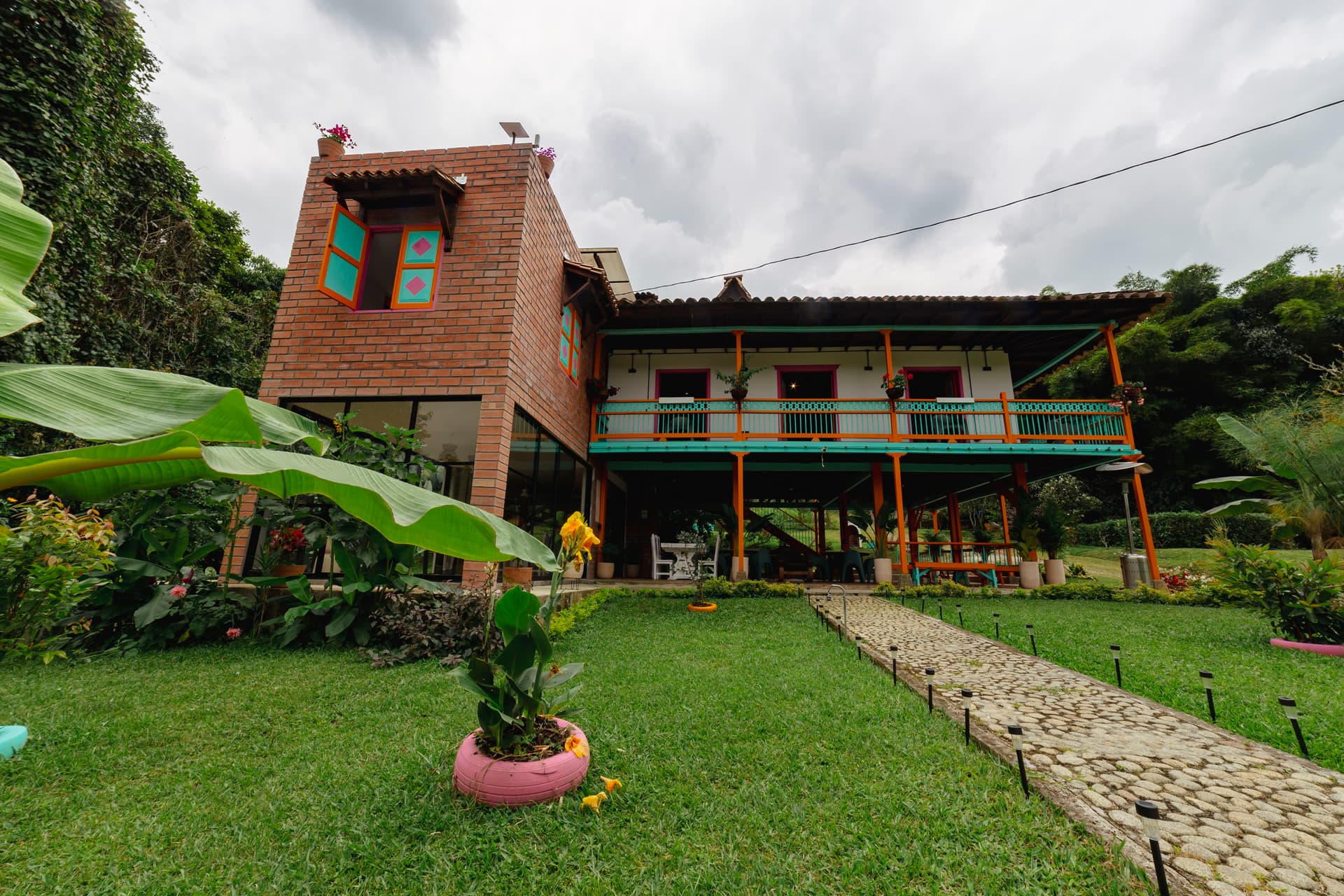
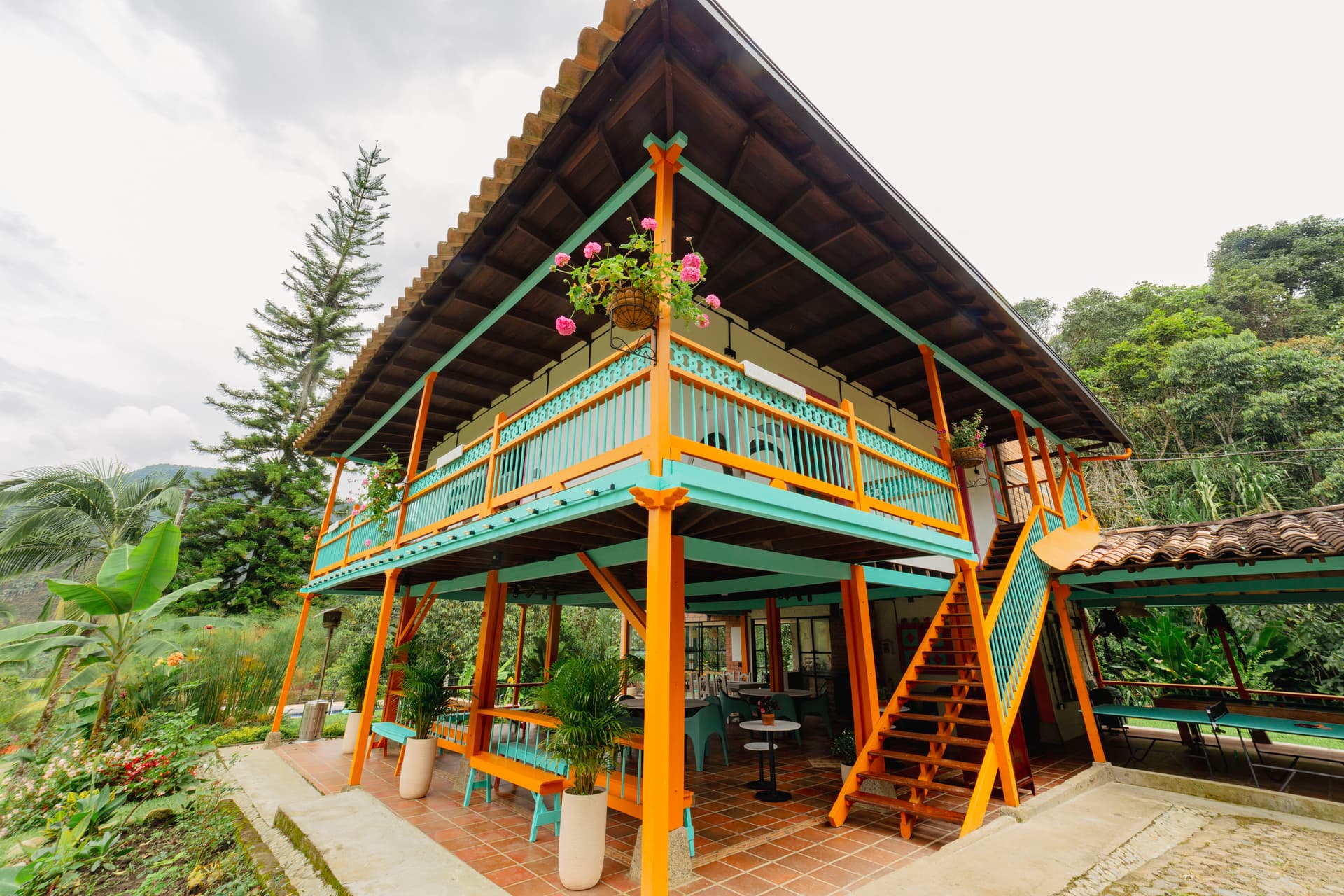
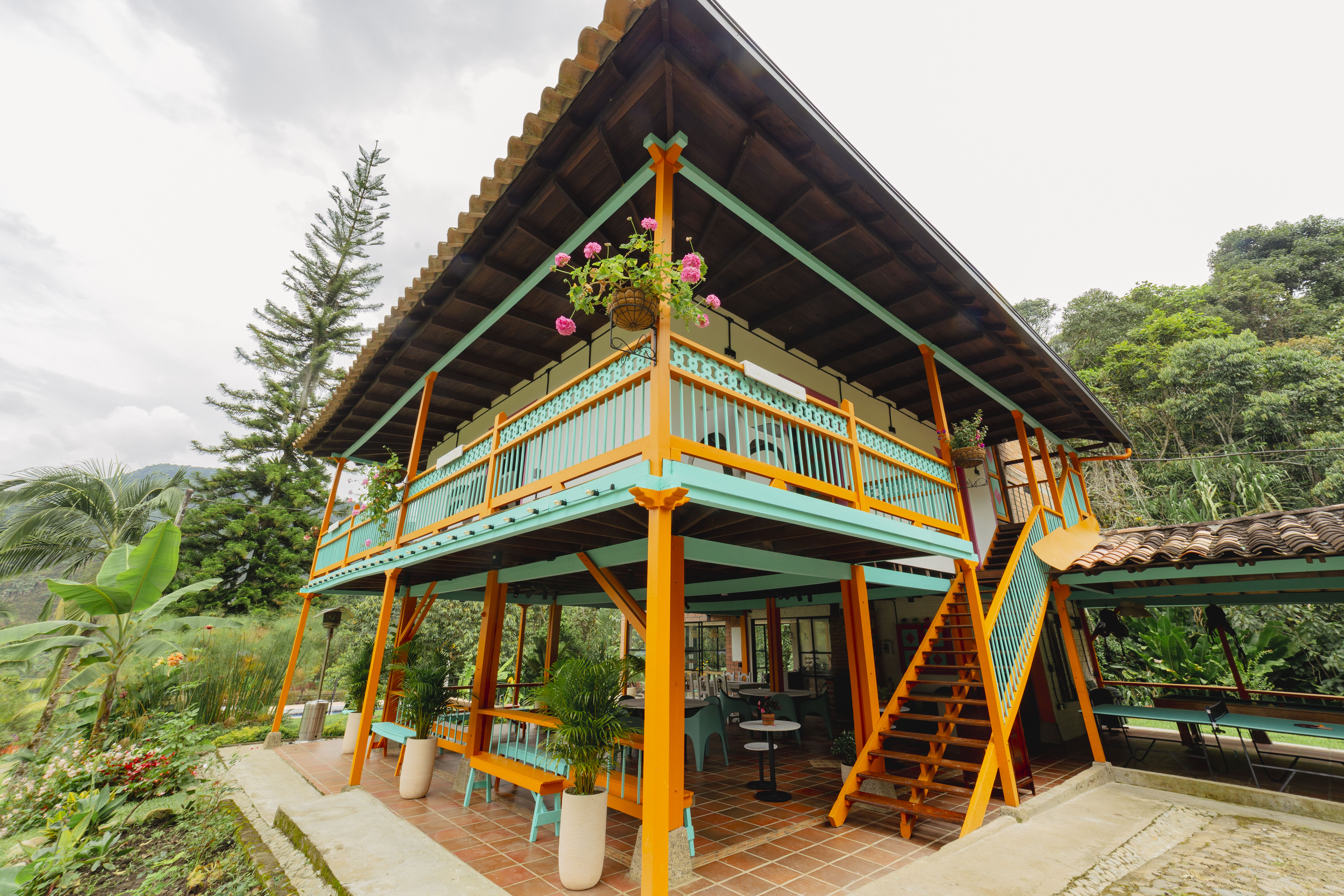
I photographed this light every morning from the terrace of Isla de Pascua. I also sat with a cup of the hostel's coffee and performed my own small ceremony — warming my hands on the cup, breathing the steam, taking the first sip at the precise moment when the light reached the plaza below. It was not a tea ceremony. It was not a coffee ceremony. It was something new — a practice born from two traditions meeting in a Colombian mountain town.
What I Carry Home
I returned to Taiwan with three kilograms of green coffee beans, a journal full of tasting notes, and a shifted understanding of my own craft.
For years, I had thought of tea as unique — a beverage unlike any other, with a depth and complexity that nothing else could match. Jardín taught me that this was a beautiful form of arrogance. Coffee, in the hands of a dedicated producer, achieves its own depth, its own complexity, its own capacity to express place and season and care. It is not lesser. It is not greater. It is simply different — a different path to the same destination.
In my tearoom in Taipei, I now serve a single coffee alongside my teas. It comes from the farm I visited in Jardín, roasted by the farmer himself and shipped to me quarterly. My tea students are puzzled by it. "Why coffee in a tearoom?" they ask.
"Because," I tell them, "attention is attention, regardless of the cup it fills."
— Mei-Lin, pouring tea in Taipei, thinking of mountains on the other side of the world
Ready to experience Jardín?
Book Now Isla de Pascua