Written by Marco Brunner — Switzerland
Stay: December 2025, 4 nights
A Retired Swiss Banker Rediscovers Adventure in Jardín
I retired from UBS in Zürich fourteen months ago, after thirty-one years in private wealth management. I managed portfolios. I assessed risk. I wore suits that cost more than many people earn in a month, and I sat in conference rooms with views of the lake making decisions about numbers that, in retrospect, had very little to do with actual life.
My wife, Claudia, who has more wisdom than I have ever had, said to me three months into my retirement: "Marco, you are becoming furniture. Go somewhere that scares you a little." She booked me a flight to Colombia.
Colombia. I will admit that the name made me nervous. I am fifty-five years old, Swiss, and my understanding of Colombia was shaped by thirty-year-old news reports. Claudia rolled her eyes when I expressed concern. "It is 2025, not 1995. Read something written in this decade." She was right, as she usually is.
After a week in Medellín — which was vastly more sophisticated and safe than I had feared — I took the bus to Jardín. A young traveler at my hotel had described it as "the most beautiful town in Antioquia, maybe in all of Colombia." I booked four nights at Isla de Pascua because the reviews mentioned cleanliness, which matters to me more than I care to admit.
First Impressions: Precision and Warmth
I arrived expecting rustic charm. I found something more nuanced. Jardín is not a museum town preserved in amber for tourists. It is a living, functioning Colombian pueblo that happens to be extraordinarily beautiful.
The plaza impressed me immediately — not with grandeur but with care. The painted chairs are maintained. The gardens are tended. The Basilica is polished and proud. In Switzerland, we appreciate maintenance. We value the discipline of keeping things in good order. Jardín shares this value, though expressed in a warmer, more colorful vocabulary than we manage in Zürich.
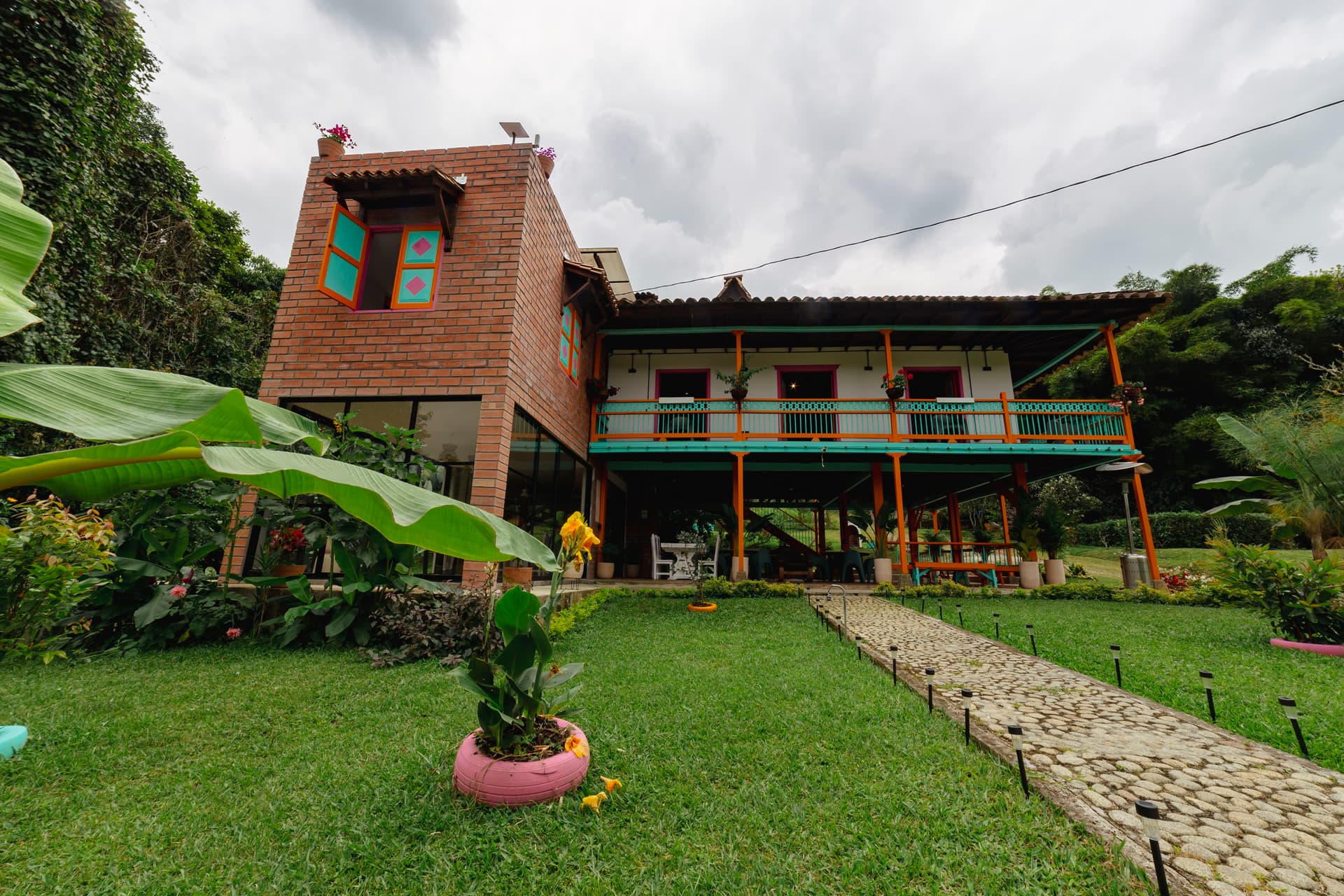
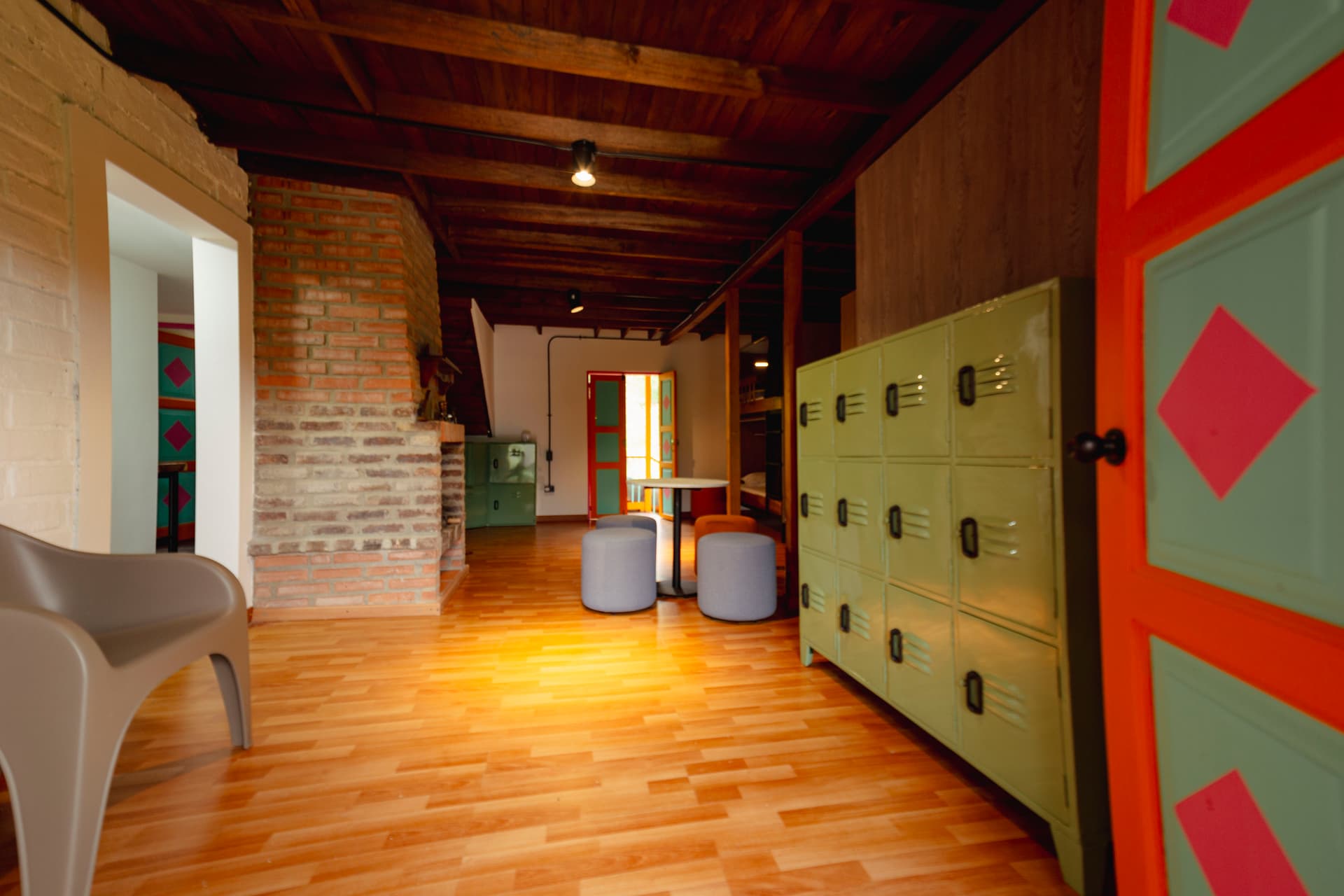
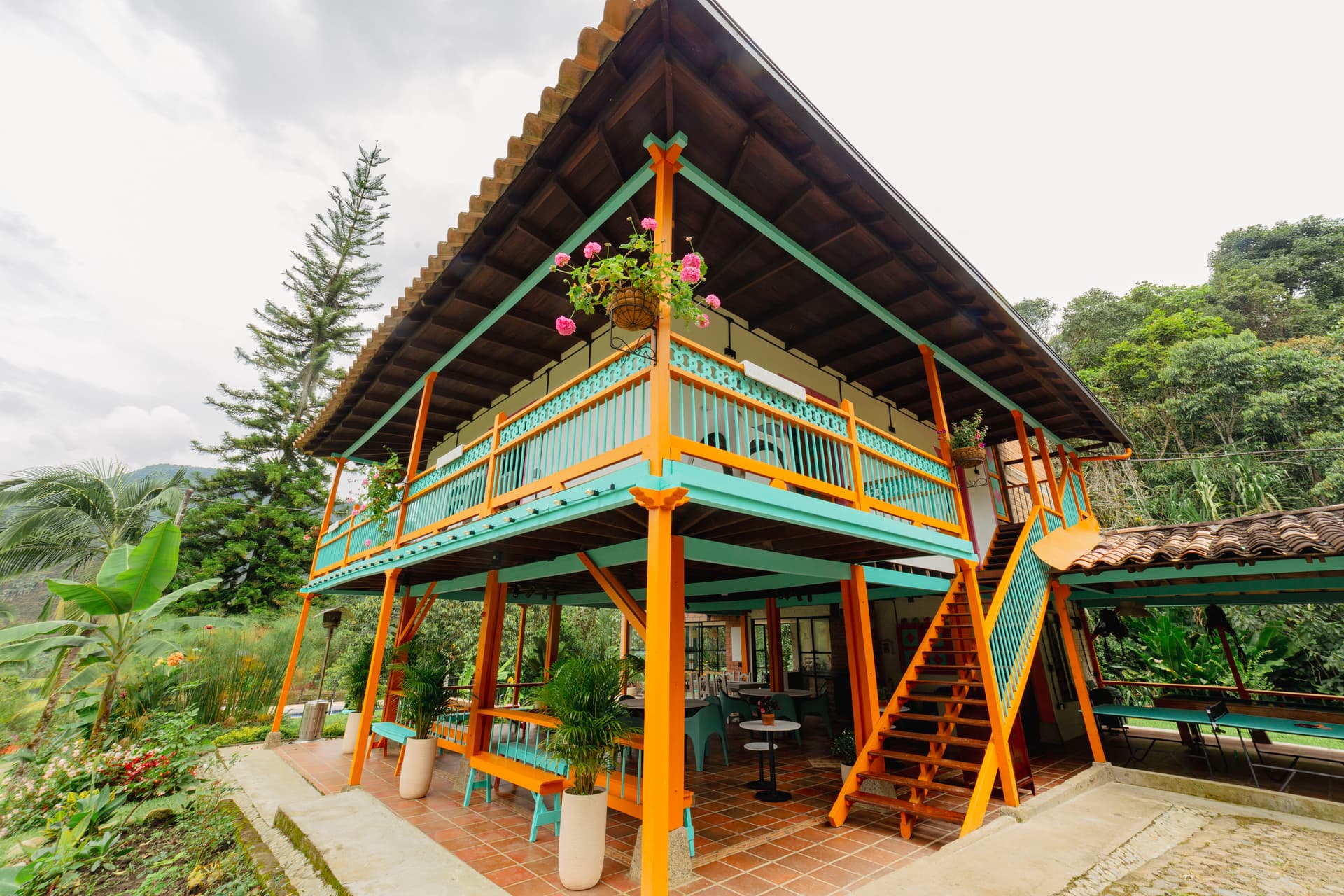
Isla de Pascua surprised me. I had expected a hostel to be chaotic — shared bathrooms, noise, the energy of youth. Instead, I found a well-organized property with clean rooms, reliable hot water, and a tranquility that I had not anticipated. The pool was a particular revelation. I am not a pool person — at home I swim laps in a heated facility with lane dividers. But this pool, with its mountain backdrop and subtropical gardens, invited a different kind of swimming. The kind where you float on your back and simply look at the sky.
The Horse Ride That Changed My Perspective
On my second day, the hostel staff suggested horseback riding in the mountains. I had not been on a horse since I was twelve years old, at my uncle's farm in the Engadin. The idea terrified me slightly, which — remembering Claudia's instruction to do things that scared me — meant I had to do it.
The horses were saddled at a farm outside town. My horse was named Relámpago — Lightning — which did nothing for my anxiety. The guide, a man named Don Hernán who appeared to be roughly my age and three times my toughness, assessed me with the practiced eye of someone who has put many nervous tourists on horses. "Tranquilo," he said, adjusting my stirrups. "Relámpago is very calm. He only runs when he smells food."
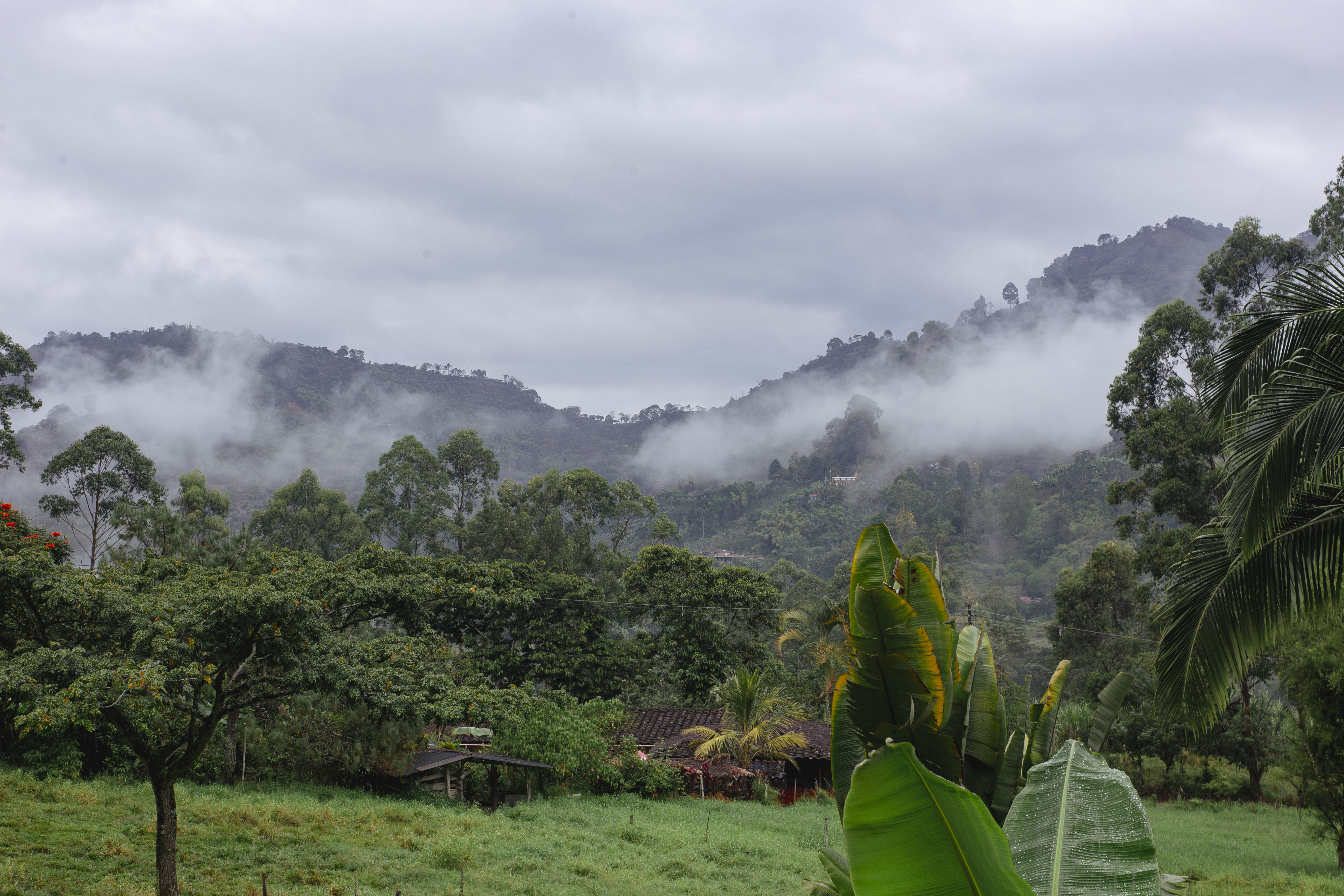
We rode for three hours through the mountains above Jardín. The trails followed ridgelines that offered panoramic views of the valley — green upon green upon green, layered to the horizon, with the town of Jardín nestled below like a jewel in a velvet case. Coffee farms cascaded down the slopes. Cloud forest clung to the higher ridges. Birds I could not identify crossed our path in flashes of color.
I will confess something. Approximately forty minutes into the ride, I began to cry. Not from fear — the horse was indeed very calm — but from an emotion I could not immediately identify. It took me several minutes to understand what it was: relief. Relief at being somewhere beautiful, doing something physical, feeling the warmth of a living animal beneath me, breathing air that smelled of earth and green things instead of recycled conference room oxygen.
For thirty-one years, I had measured quality of life in financial terms — returns, yields, net worth. Riding through the mountains of Jardín on a horse named Lightning, I understood with sudden clarity that quality of life is measured in mornings like this one. In views like this one. In the simple, animal pleasure of being alive in a beautiful place.
Don Hernán rode beside me in comfortable silence. At one point, he gestured at the valley below and said, "This is my office." I laughed — genuinely, fully — for what felt like the first time in years.
The Rhythm of Small Things
In Zürich, my days had structure. Wake at 6. Gym at 6:30. Office by 8. Meetings. Calls. Reports. Home by 7. Dinner. News. Sleep. Repeat for three decades. In retirement, the structure disappeared, and I discovered that without it, I did not know who I was.
Jardín taught me a different kind of structure — one built not around productivity but around attention. I developed a routine during my four days that I have never experienced before:
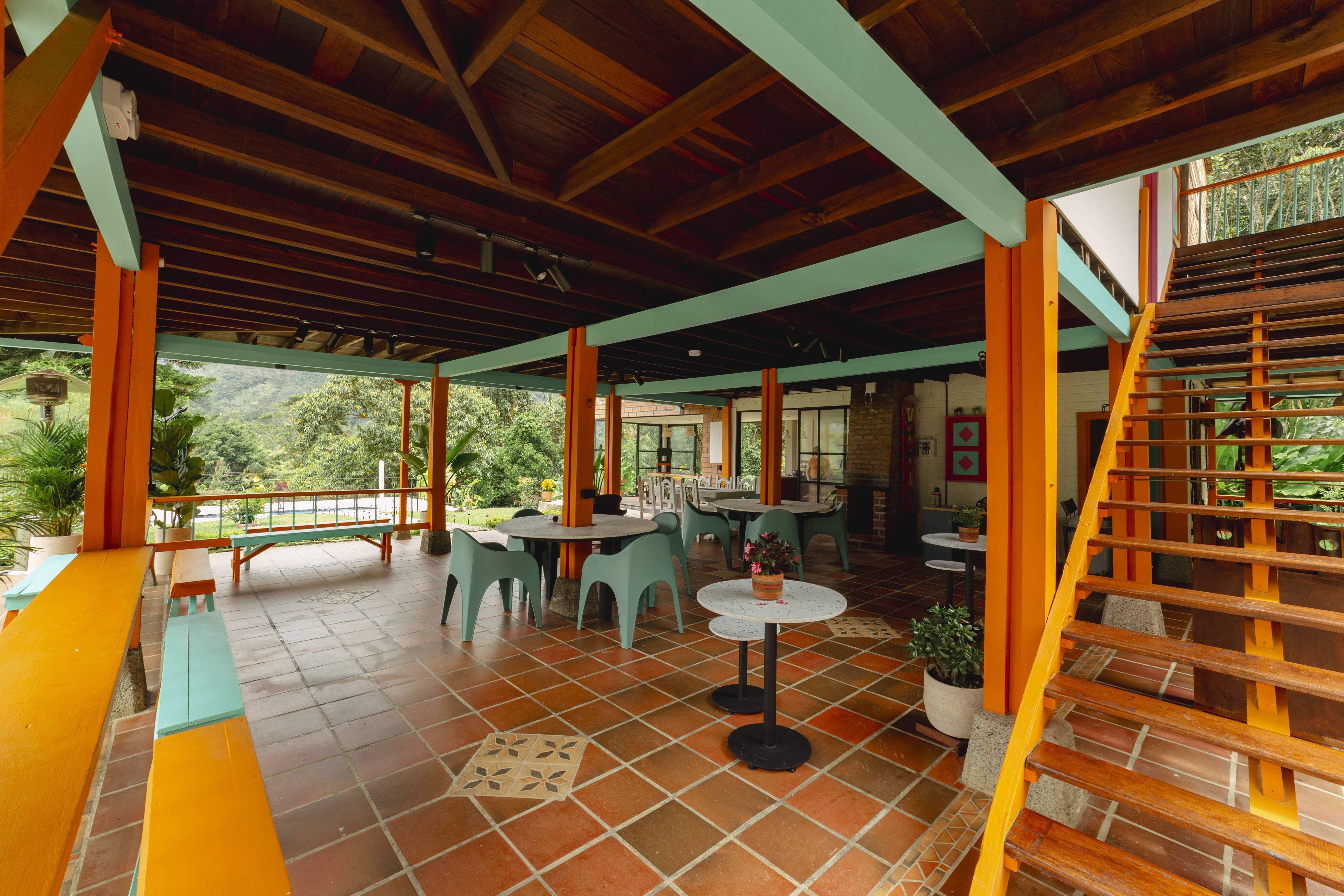
Morning coffee on the hostel terrace, watching the mist burn off the mountains. A slow walk to the plaza for a second coffee — a tinto, the tiny cup of sweet black coffee that Colombians drink throughout the day. An hour of reading on a bench, watching the town come to life. Lunch at one of the restaurants around the plaza — trucha, always trucha, because the trout here is exceptional and costs less than a parking meter in Zürich.
Afternoons were for walking. I explored every street in town, admiring the colored facades, nodding to shopkeepers, petting dogs whose owners waved from doorways. I visited the dulce shops and discovered arequipe — a caramel so smooth and rich that I bought six jars to bring home.
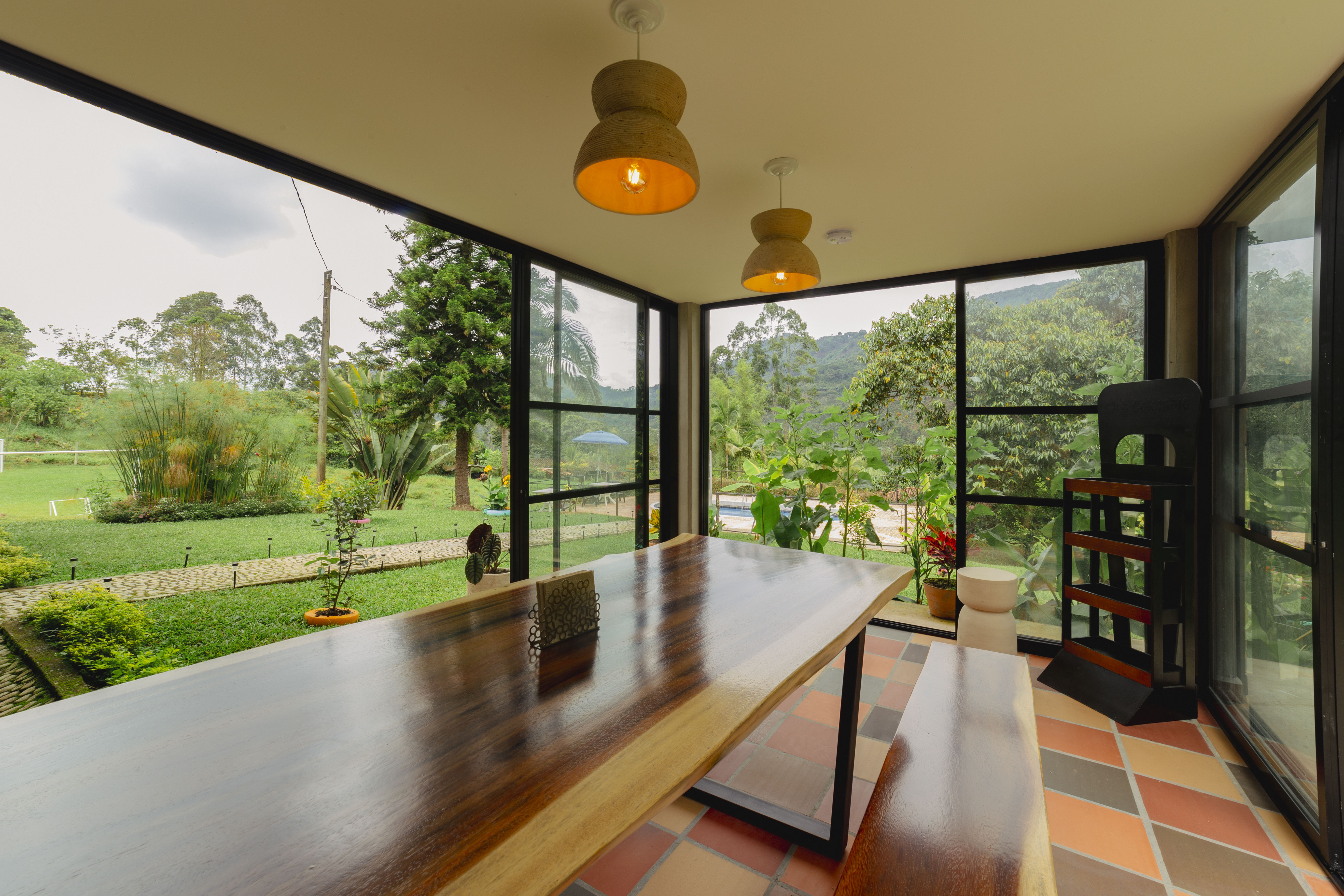
The afternoon rains became my favorite part of the day. In Switzerland, rain is an inconvenience — something to be avoided with umbrellas and raincoats and efficient public transit. In Jardín, rain is an event. People retreat to covered balconies with coffee and conversation. The town slows down. The mountains disappear into cloud. And then, after an hour or two, the rain stops, the sun returns, and everything is washed and brilliant and new.
An Evening Conversation
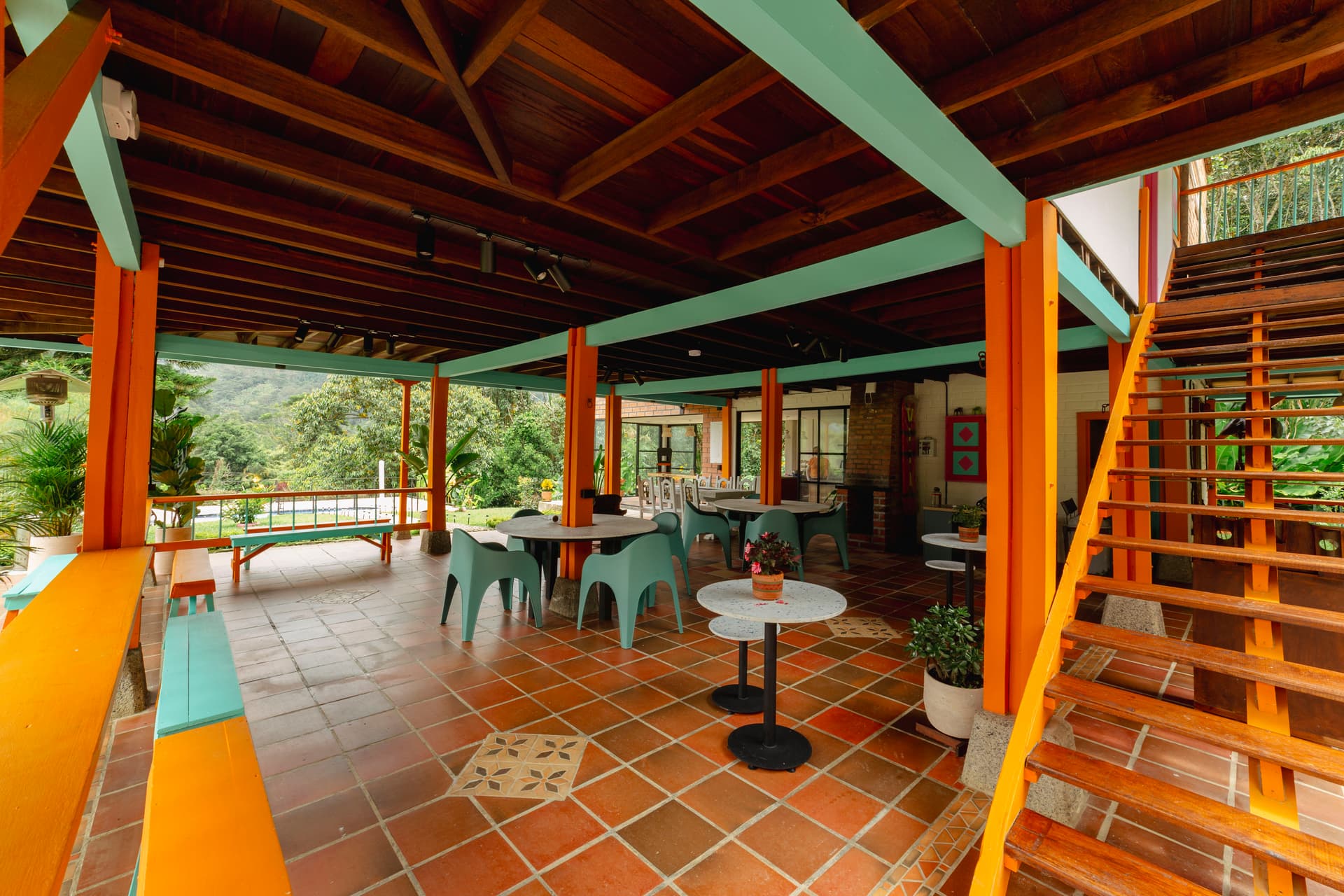
On my third evening, I found myself at the Isla de Pascua common area, sharing a table with travelers forty years my junior. A content creator from Thailand was editing photographs on her phone. A pair of young Colombians were planning the next day's hike. I felt conspicuously out of place — the grey-haired man in pressed trousers among the backpackers.
But then we started talking, and something remarkable happened. They were curious about my life, my career, my decision to travel alone. I was curious about theirs — their freedom, their courage to live without the safety nets that I had spent my entire career constructing. The Thai woman asked me what I would tell my younger self. Without thinking, I said: "Ride the horse sooner."
She laughed and said it would make a great Instagram caption. I did not entirely understand what she meant, but I appreciated the sentiment.
What Jardín Teaches a Man of Numbers
I have visited many places in my life — London, New York, Singapore, Hong Kong, all the great financial capitals. I have stayed in hotels that cost $1,000 a night, eaten in Michelin-starred restaurants, attended galas in venues designed to impress. None of them impressed me the way Jardín did.
Jardín impresses not with expense but with authenticity. The beauty here is not purchased — it is inherited, maintained, lived. A family has been selling dulces from the same shop for four generations. A farmer grows coffee on the same hillside his grandfather cleared. The Basilica, built by the community over decades, stands not as a monument to wealth but as a monument to collective dedication.
In my world, we call this "long-term value." We build portfolios around it. We write research reports about it. But we rarely experience it in its purest form — as a community that has chosen, across generations, to preserve what is beautiful and sustain what is good.
I called Claudia from the plaza on my last evening. "You were right," I told her. "About everything." She said she knew. She also said I should stay longer. I should have listened.
I am already planning my return. This time, Claudia will come. I will take her to the plaza, order two tintos, and show her the mountains that taught a Swiss banker what wealth actually looks like.
— Marco, back in Zürich, with a jar of arequipe on his desk and a photograph of Relámpago on his wall
Ready to experience Jardín?
Book Now Isla de Pascua