Written by Luisa Vargas — Ecuador
Stay: October 2025, 4 nights
An Ecuadorian Botanist Discovers Cloud Forest Paradise in Jardín
I have spent twelve years studying tropical plant communities across South America — in the Galápagos, the Amazon basin, the páramos of my native Ecuador. I have crawled on my knees through cloud forests in Mindo, pressed specimens in the rain in Baños, and catalogued orchid species in places so remote that the nearest road was a two-day walk. I say this not to boast, but to explain that when I tell you the cloud forests around Jardín took my breath away, I mean it with the full weight of professional experience behind it.
I came to Jardín on the recommendation of a colleague at the Universidad de Antioquia who studies epiphyte diversity. "Luisa," she told me over a video call, "you cannot write about Andean cloud forest ecology without seeing the western slopes of the Cordillera Occidental above Jardín. The species density is extraordinary." She was not exaggerating.
Arriving at Isla de Pascua
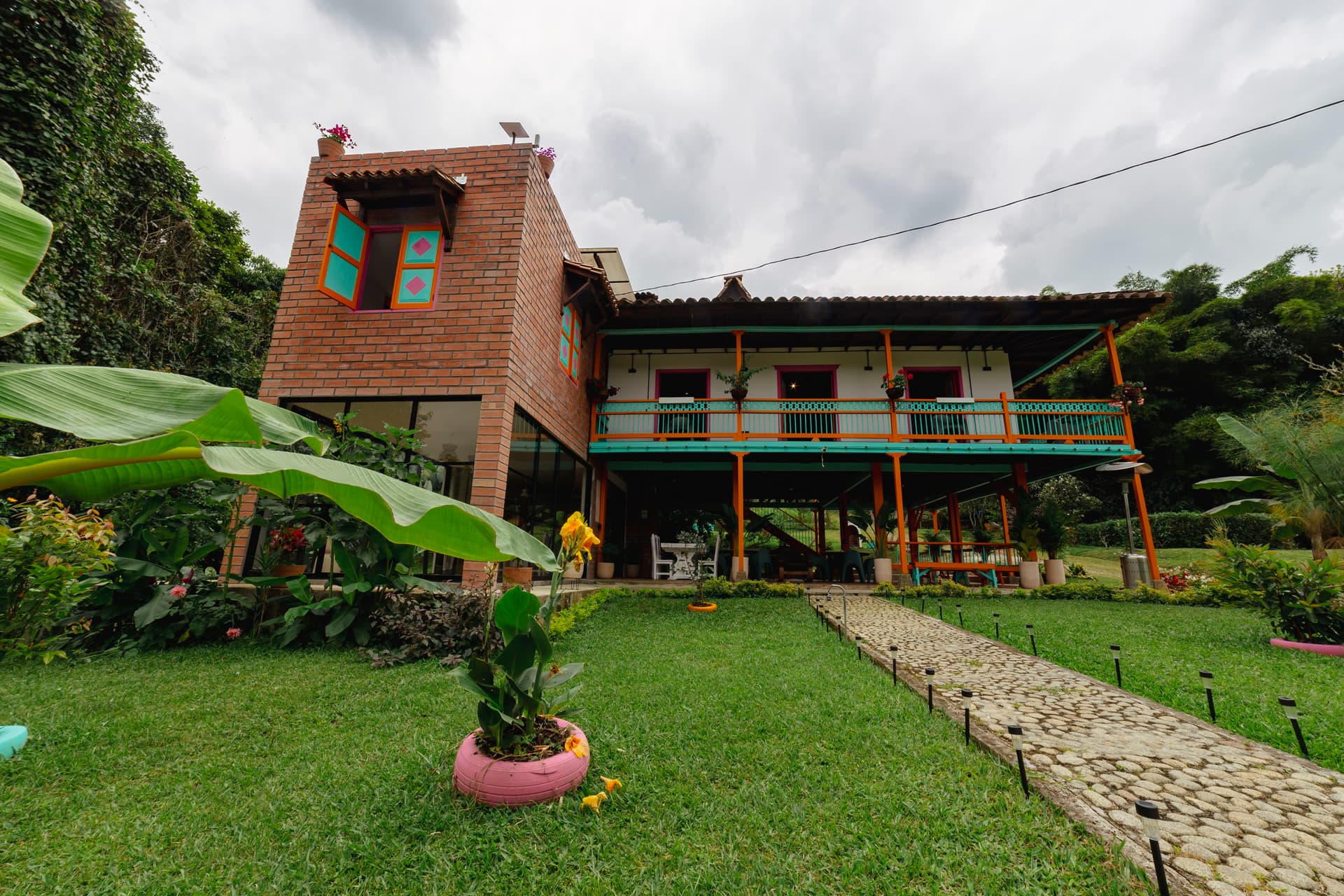
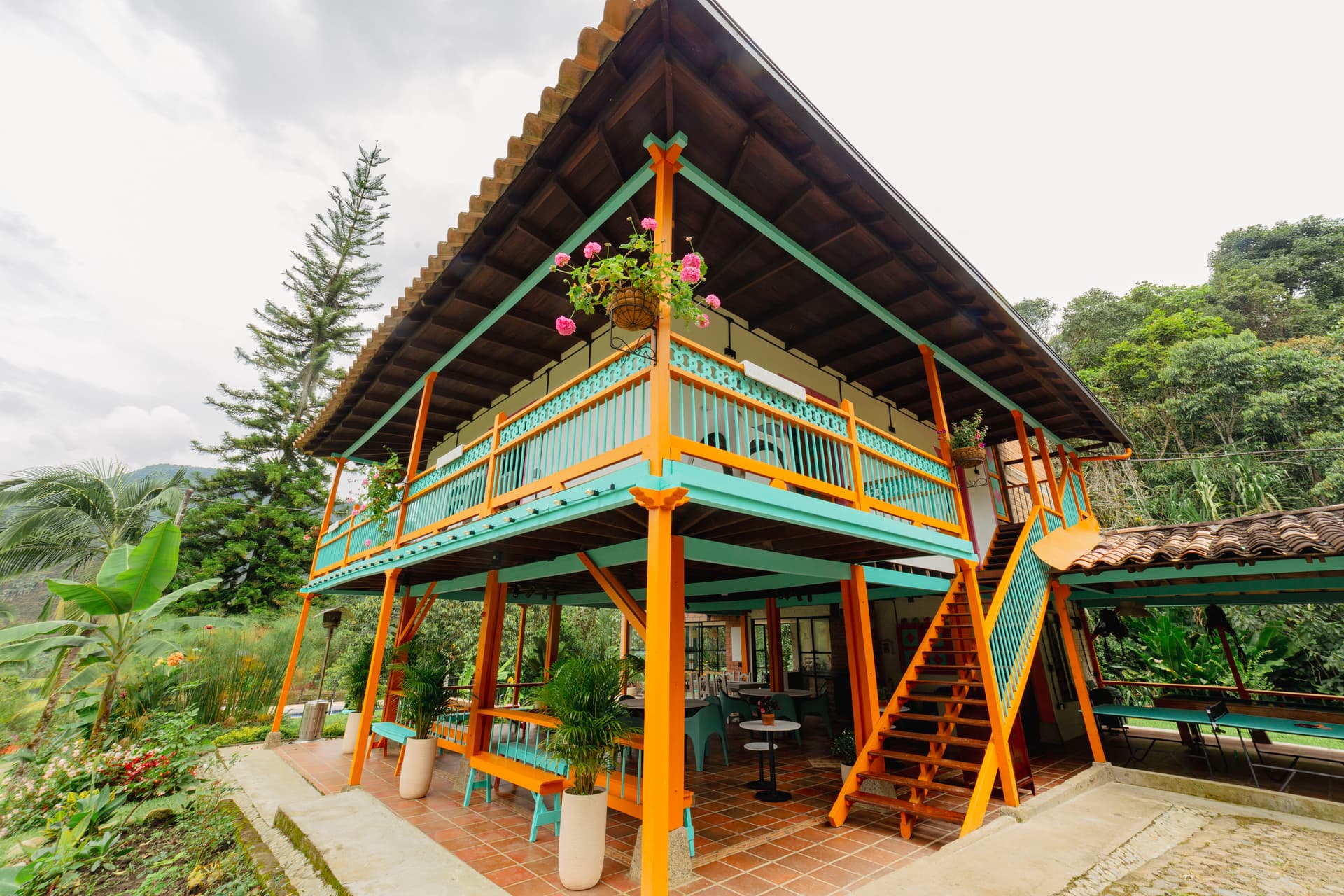
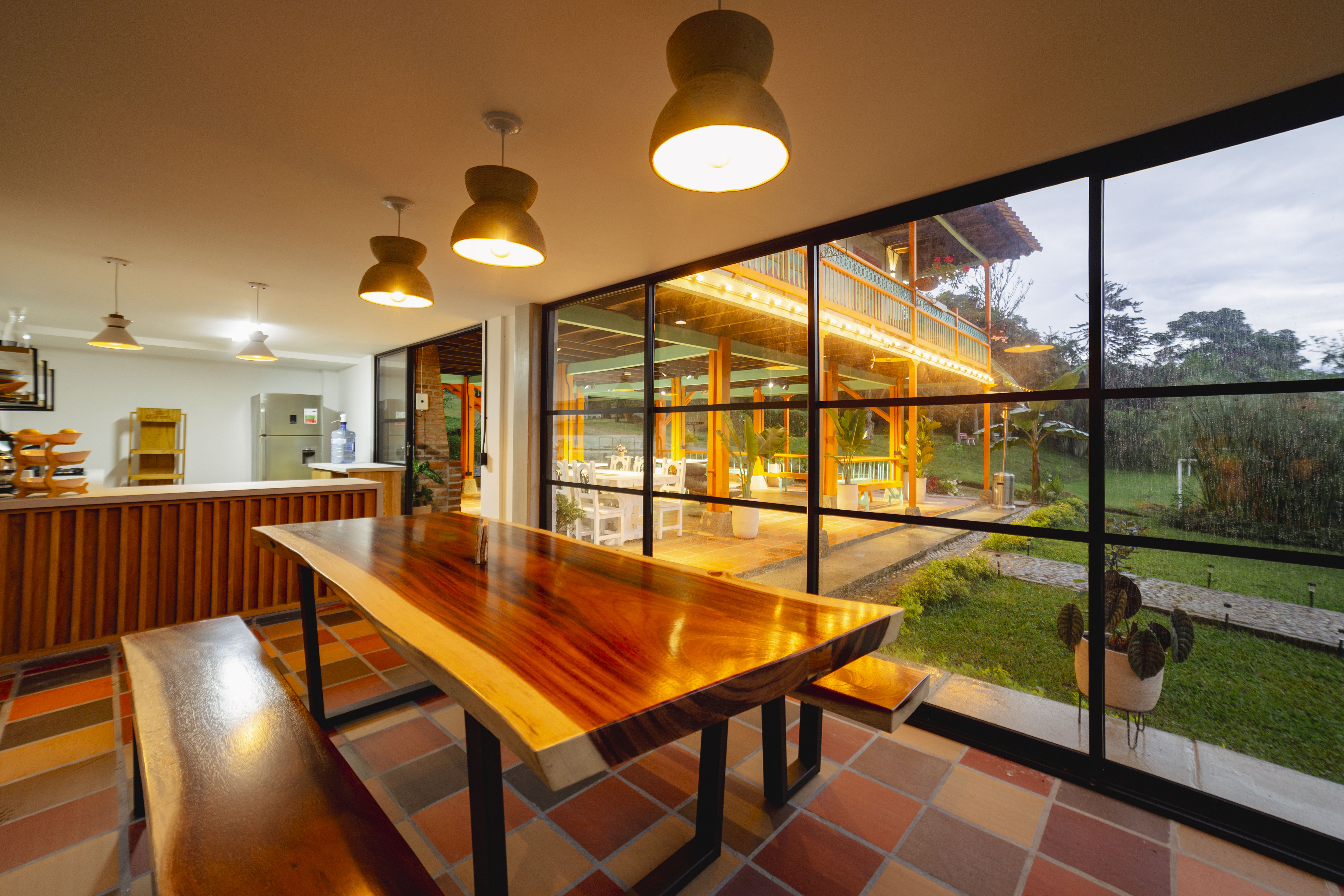
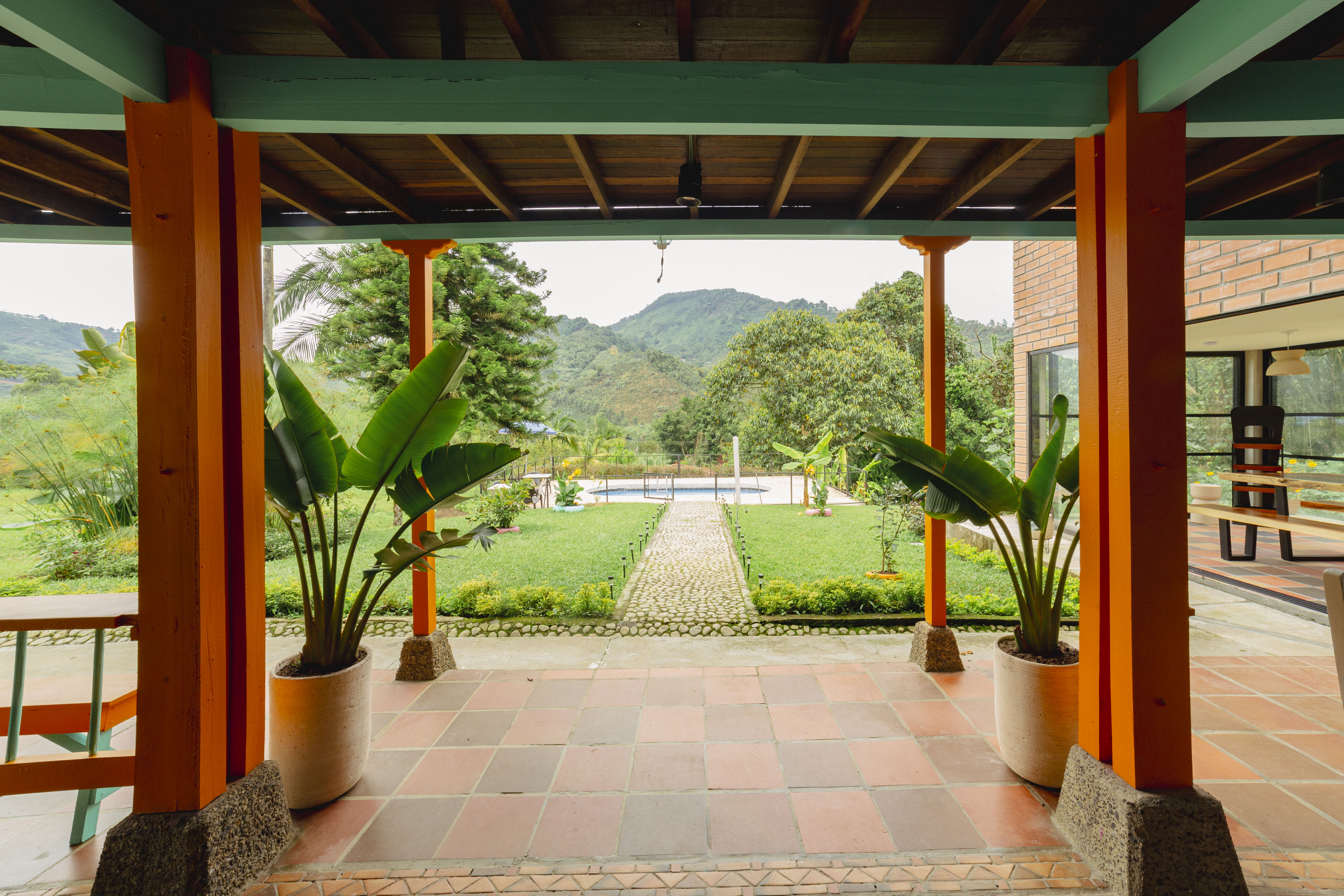
I booked four nights at Isla de Pascua because it was recommended by several naturalist guides I follow online. After the bus ride from Medellín, winding through increasingly green mountain valleys, I arrived to find a hostel that felt like it had grown organically from the landscape. The gardens alone made me stop in my tracks — whoever maintains the grounds has an intuitive understanding of subtropical planting. I spotted three Heliconia species within thirty seconds of walking through the gate.
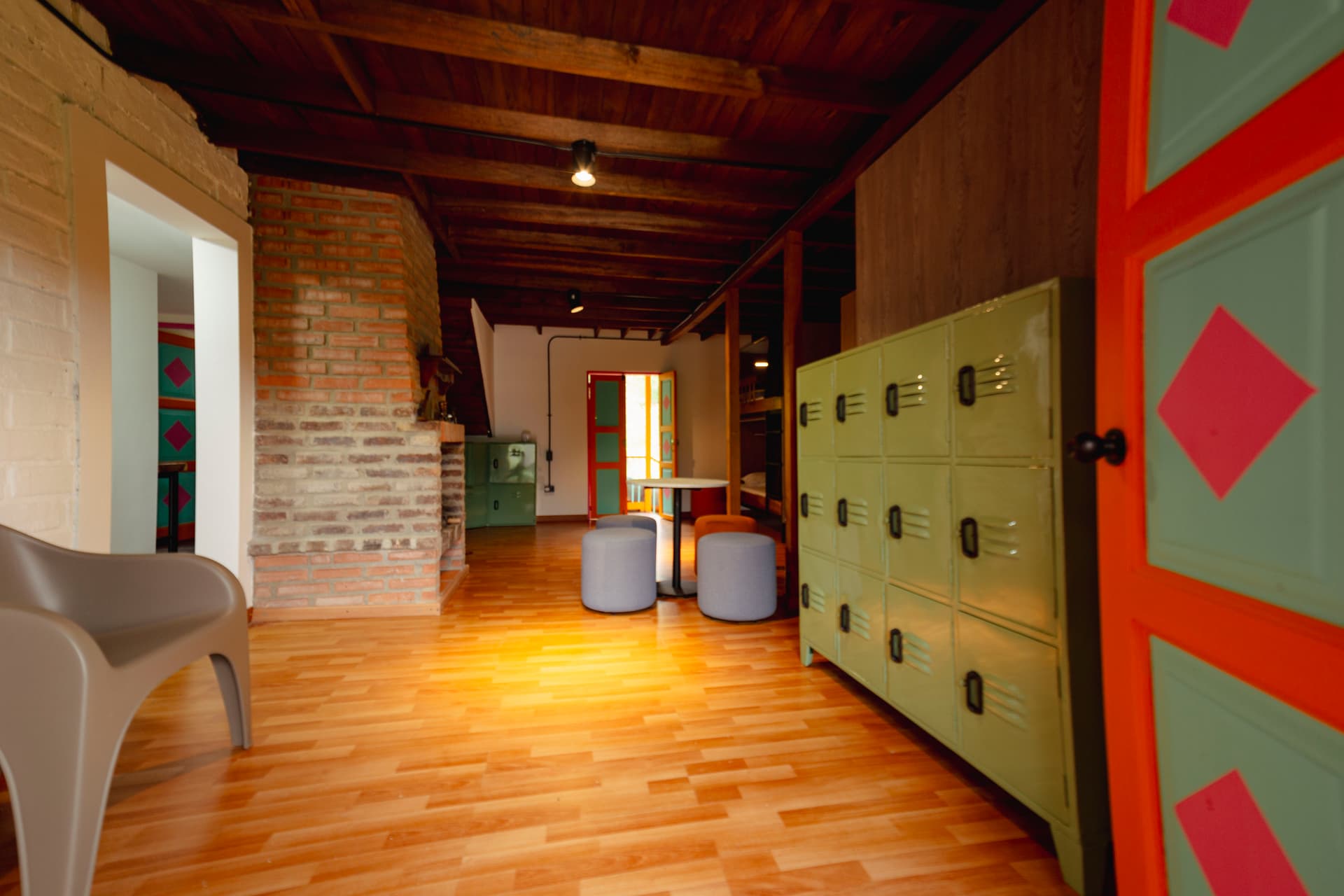
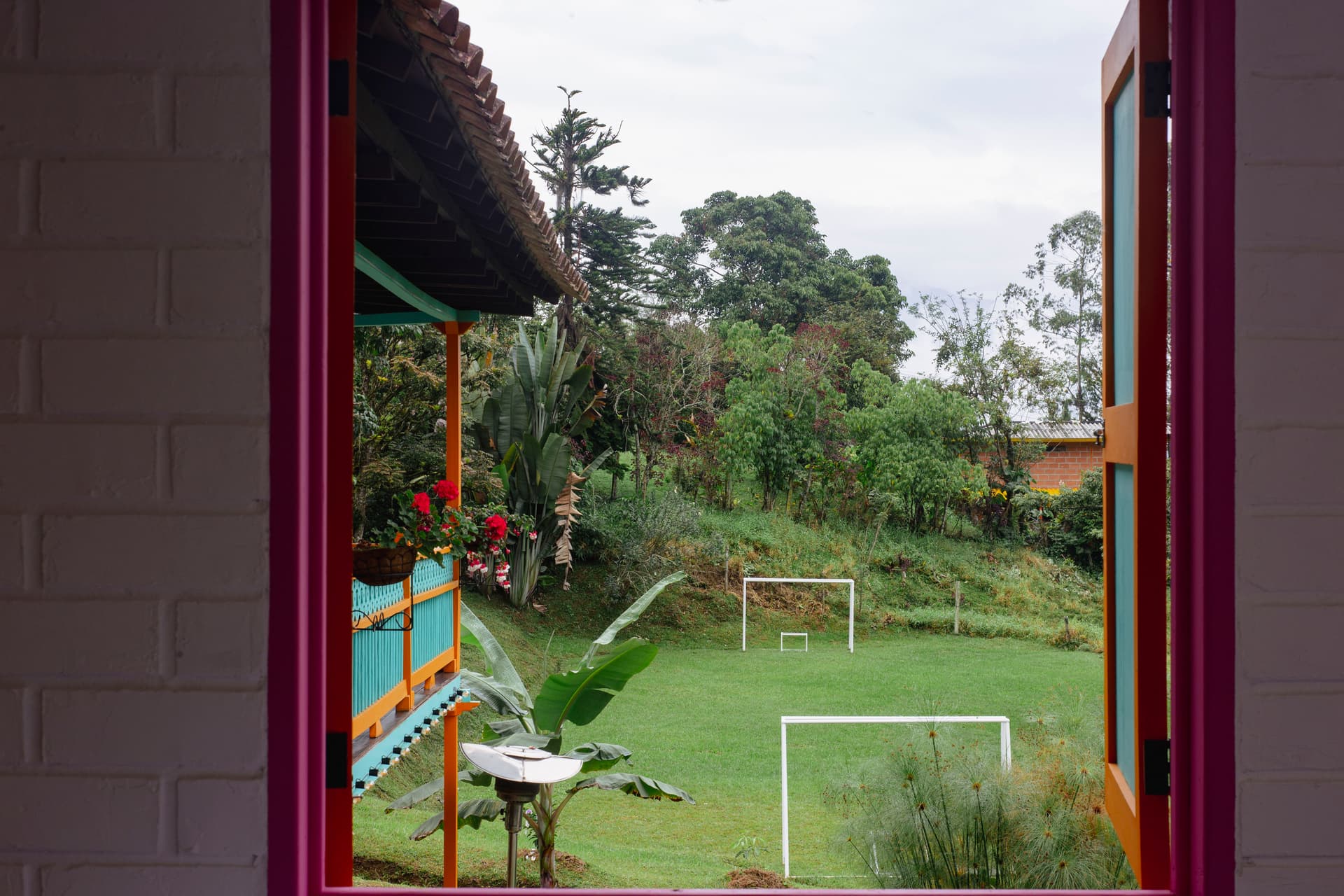
My room was simple but clean, with a window that opened to a view of layered mountain ridges fading into mist. I unpacked my field notebook, my hand lens, and my camera, and I felt that familiar tingle of anticipation that tells me I am about to find something remarkable.
The Cloud Forest: A Living Laboratory
The next morning, I set out early toward the cloud forest reserves accessible from Jardín. The birdwatching trails double as extraordinary botanical walks, though most visitors understandably focus their binoculars upward rather than downward.
What struck me immediately was the density of the epiphyte communities. In Ecuadorian cloud forests, I am accustomed to seeing perhaps fifteen to twenty orchid species per hectare in well-preserved areas. On my first morning walk above Jardín, I counted twenty-three — and I was only looking casually while navigating the trail. The moisture regime here is nearly perfect: persistent mist, moderate rainfall, temperatures hovering between 16 and 22 degrees Celsius. These are the conditions that orchids dream about, if orchids could dream.
I found a stunning Dracula vampira clinging to a moss-covered trunk at about 2,200 meters elevation. The flower was in full bloom — that extraordinary dark purple, almost black, with the characteristic elongated sepals that give the genus its name. I sat on a wet log for twenty minutes photographing it from every angle, completely oblivious to the mud soaking through my field pants.
The bromeliads were equally impressive. Tank bromeliads forming miniature ecosystems in the canopy, each one a tiny world containing water, decomposing leaves, insect larvae, and sometimes even small frogs. I explained this to a fellow hiker from the hostel — a young Canadian named Ryan who seemed more interested in finding swimming holes — and watched his face shift from polite tolerance to genuine fascination when I showed him the frog hiding inside one.
Coffee Ecology: Where Agriculture Meets Forest
As a botanist, I find coffee endlessly interesting. Coffea arabica is not native to the Americas — it originated in the highlands of Ethiopia — yet it has found a second home in the Andean cloud forests that in many ways mirror its ancestral habitat. The shade-grown coffee farms around Jardín are some of the best examples I have seen of agriculture working in symbiosis with native ecology.
I visited a small family farm on my third day. The farmer, a gentle man in his sixties who had been growing coffee his entire adult life, walked me through his plantations with the patience of someone who genuinely loves his work. His coffee grows under a canopy of native trees — Inga species, mostly, along with some Erythrina and what I believe was a mature Cedrela odorata. This shade canopy does not just protect the coffee from direct sunlight; it creates a microhabitat that supports birds, insects, fungi, and epiphytes that in turn contribute to soil health and pest control.
I pointed out an orchid growing on one of his shade trees and asked if he knew what it was. He smiled and said, "Of course, doctora. That's a mayo flower. It blooms every year in May. My grandmother used to say it was the forest thanking us for keeping the trees."
That moment — a farmer recognizing the ecological partnership between his livelihood and the surrounding forest — is exactly the kind of relationship that gives me hope for conservation in the tropics.
The Orchid Count
By the end of my four days, I had documented forty-seven orchid species in my field notebook, photographed thirty-one of them adequately for identification, and positively identified twenty-two to species level. This is a remarkable number for casual observation during what was, after all, supposed to be a vacation.
The genera I encountered most frequently were Epidendrum, Pleurothallis, Maxillaria, and Oncidium. I also found two specimens that I believe may represent undescribed varieties — though I would need to collect specimens and examine them under magnification to be certain, and responsible botanical practice means not collecting from wild populations without proper permits.
I shared my photographs with my colleague at the Universidad de Antioquia. Her response: "I told you so."
Evenings at the Hostel
After long days in the field, Isla de Pascua became my sanctuary. I would wash the mud from my boots, lay my damp notebook open to dry, and settle into one of the hammocks in the common area with a cup of locally grown coffee — appreciating it now with full knowledge of the ecological system that produced it.
The hostel attracts an interesting mix of travelers. At dinner one evening, I found myself explaining cloud forest stratification to a Belgian woman who made chocolate for a living and a Greek architect who kept sketching the Basilica on napkins. The conversations at Isla de Pascua have that rare quality of being both relaxed and intellectually stimulating — perhaps because Jardín attracts people who are genuinely curious about the world, not just collecting passport stamps.
The staff recommended several trails I would not have found on my own, including a lesser-known path that passes through a particularly rich patch of tree ferns. Cyathea species towering six meters high, their fronds creating a canopy beneath the canopy — a forest within a forest. I spent an entire afternoon there, cataloguing fern diversity, and returned to the hostel sunburned and euphoric.
What Jardín Teaches Us
Every landscape tells a story about the relationship between humans and nature. Some stories are tragic — deforestation, degradation, loss. But Jardín tells a more hopeful story. Here, the cloud forests remain largely intact because the local economy — coffee, tourism, small-scale agriculture — depends on their preservation. The farmers understand that the forest is not an obstacle to their livelihood but the foundation of it.
As a scientist, I am trained to be cautious with optimism. But walking through the cloud forests above Jardín, surrounded by orchids and bromeliads and the calls of tanagers and toucans, breathing air so clean it almost tastes sweet, I felt something that I can only describe as professional joy. This is what a healthy ecosystem looks like. This is what we are fighting to preserve.
I will return to Jardín. There are at least twenty-five orchid species I know I missed, an entire ridge I did not have time to explore, and a farmer who promised to show me a tree on his property that he believes is over three hundred years old. Science always gives you a reason to come back.
For now, I carry Jardín with me in my field notebook, my photographs, and the quiet certainty that some places on this planet are still exactly as they should be.
— Luisa, pressing specimens in her lab in Quito, already planning the return trip
Ready to experience Jardín?
Book Now Isla de Pascua