Written by Ingrid Hoffmann — Germany
Stay: January 2026, 6 nights
Where the Hummingbirds Found Me: Ingrid's Story from Germany
I have spent my career caring for animals. Twelve years as a veterinarian in Stuttgart — mostly small animals, dogs and cats and the occasional rabbit with an attitude problem — and I thought I understood the relationship between humans and wildlife fairly well. Then I came to Jardín and realized I had barely scratched the surface.
Let me explain. In Germany, we love nature. We hike, we have beautiful forests, we protect our wildlife. But the relationship is often at arm's length. We observe. We respect boundaries. We maintain a careful distance. In Jardín, the animals don't seem to have received that memo. They are everywhere, close, unafraid, and utterly mesmerizing.
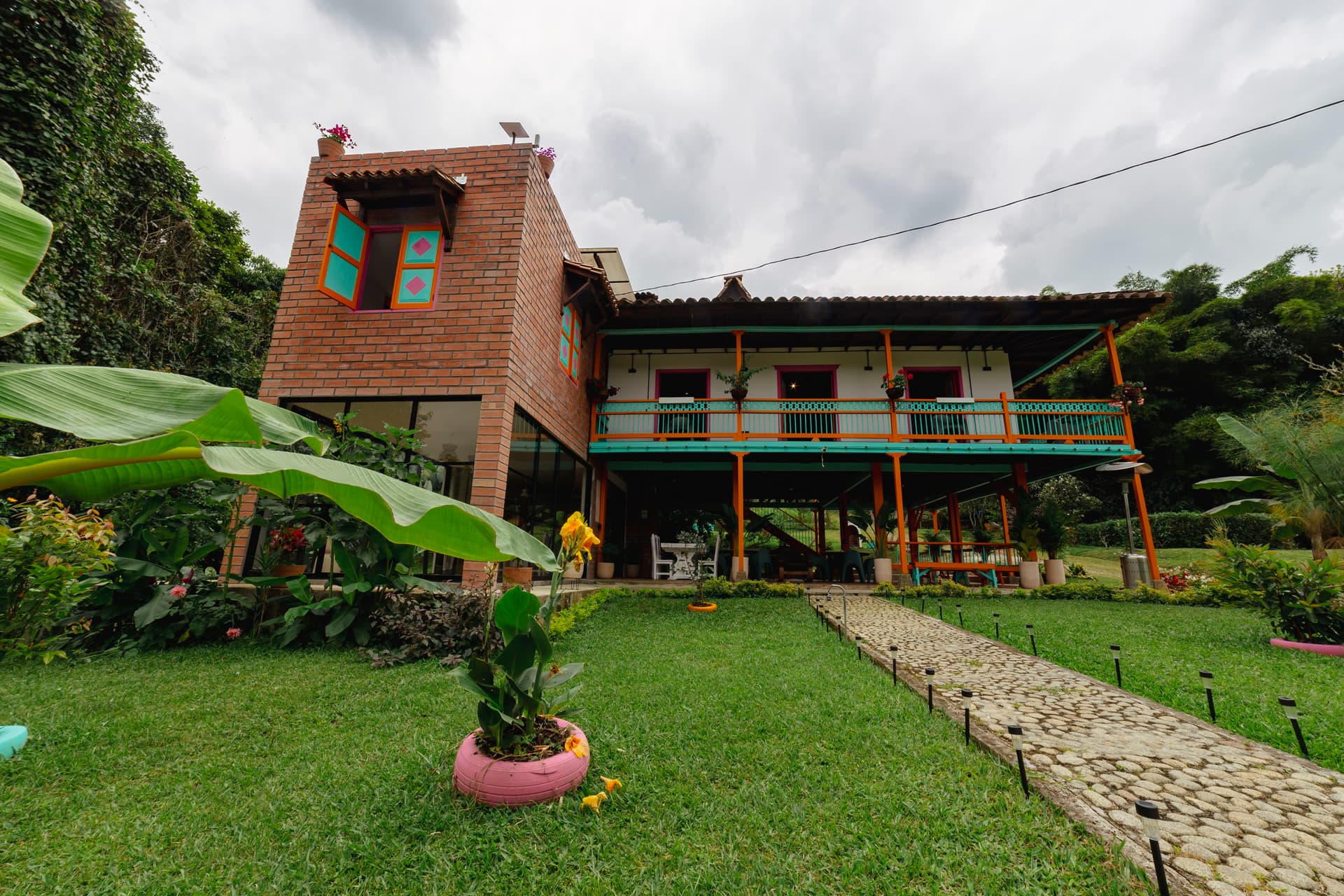
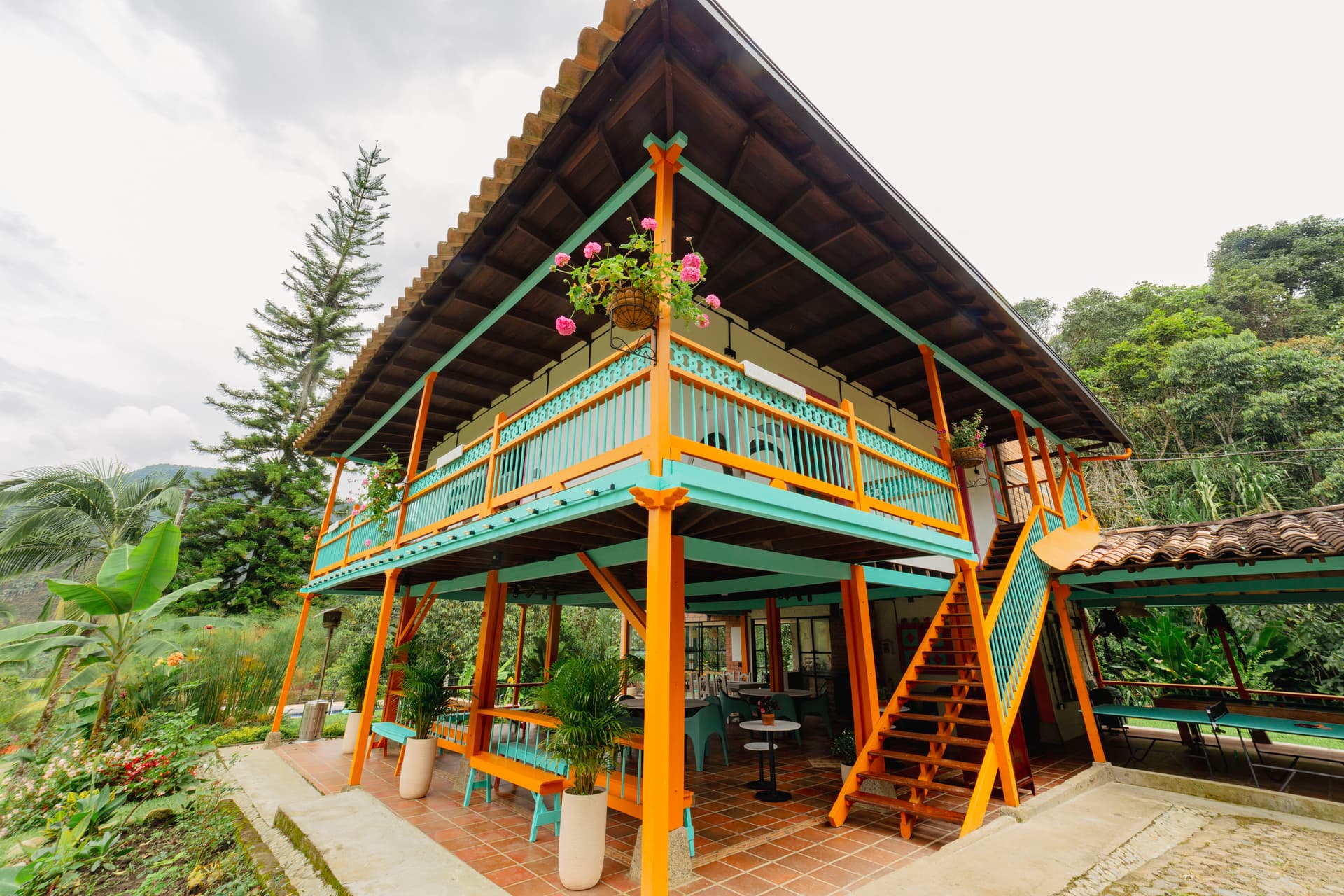
I arrived at Isla de Pascua hostel on a Tuesday morning in January, having taken the bus from Medellín the day before. I'd chosen Jardín specifically for the birdwatching — Colombia has more bird species than any country on Earth, and Jardín is one of the best places to see them. I had my binoculars, my field guide, and a list of target species that I'd been building for months. What I didn't have was any preparation for how deeply the wildlife here would affect me.
The Hummingbird Feeders
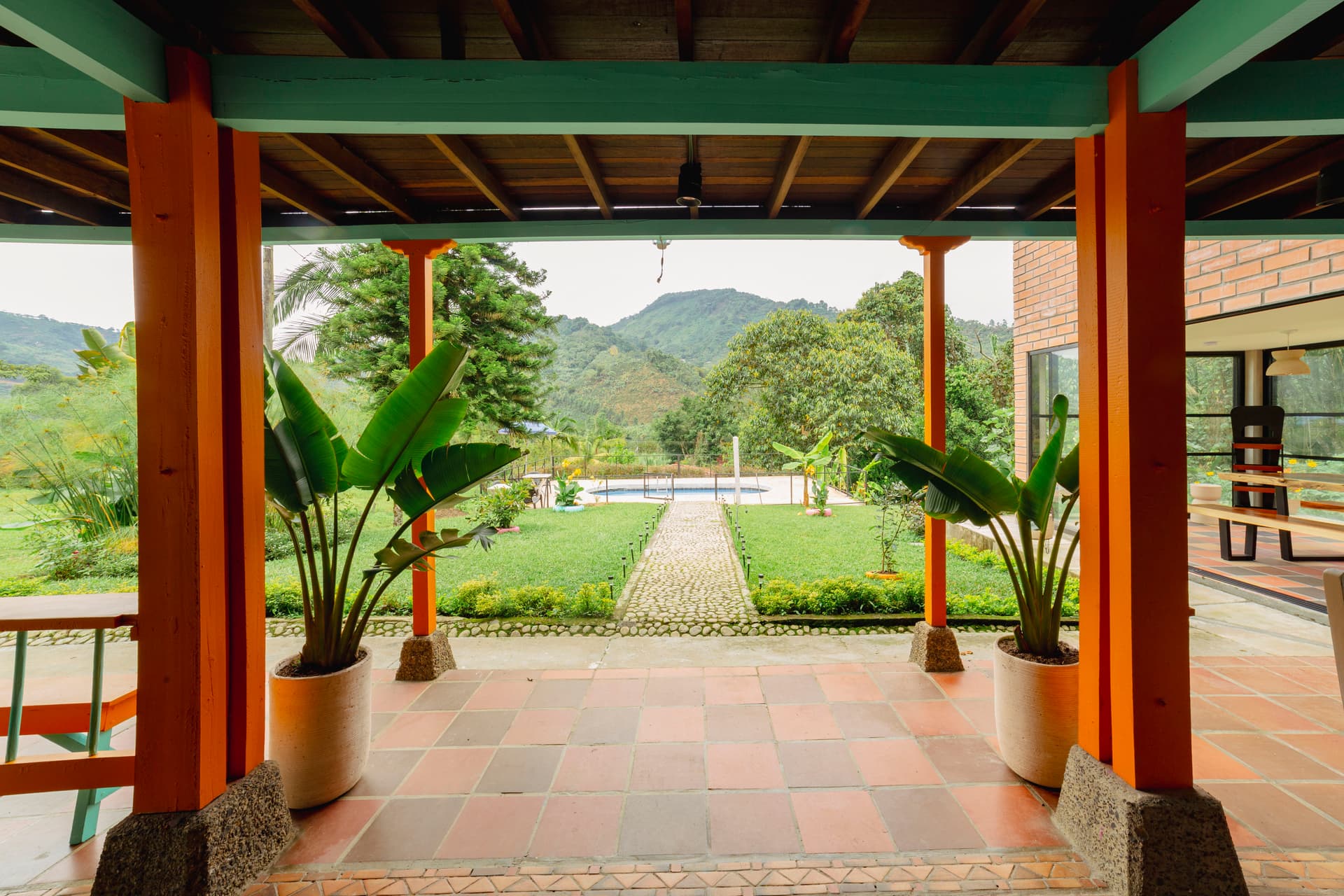
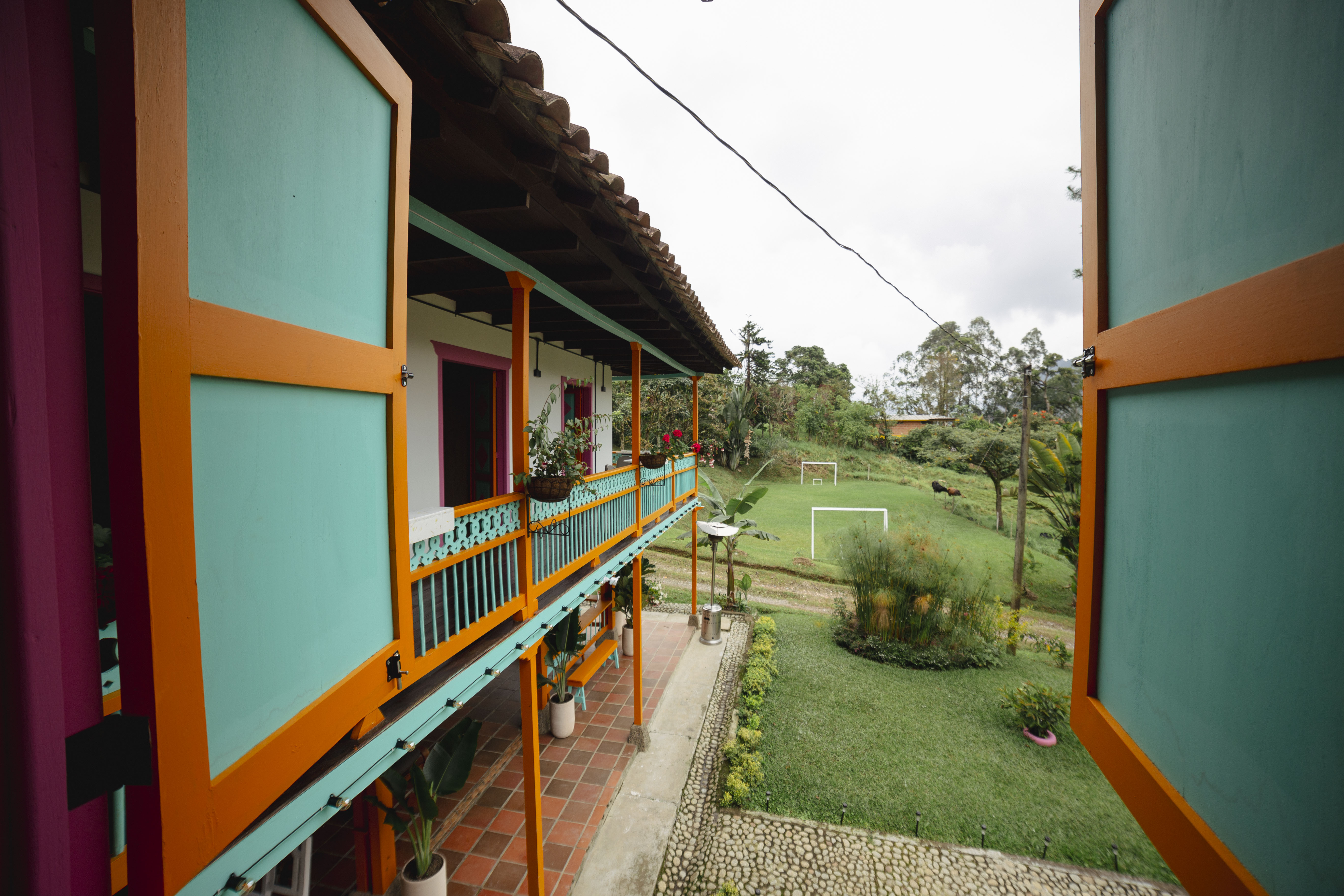
The first thing I noticed at Isla de Pascua — before the pool, before the mountain views, before the comfortable beds — was the sound. A buzzing, whirring, jewel-bright sound that filled the garden. Hummingbirds. Dozens of them.
The hostel has feeders in the garden, and the hummingbirds treat them like a neighborhood café. They come in waves throughout the day — tiny, iridescent creatures moving so fast they seem to exist in a different temporal dimension. I stood in that garden for forty-five minutes on my first morning, completely motionless, and counted seven species without even trying.
The Green Violetear was the most common — a shimmering emerald bird that hovered inches from my face, decided I wasn't a threat, and went back to feeding. The Booted Racket-tail, with its ridiculous white leg puffs and elongated tail feathers, looked like something a children's book illustrator would invent and then reject as "too whimsical." And the Collared Inca — dark with a bright white chest band — had a personality I can only describe as dignified. It perched on a branch near the feeder, waited until the others had finished, and then fed with a calm precision that reminded me of a senior professor at a university dining hall.
I know I'm anthropomorphizing. I'm a veterinarian. I'm trained not to do that. But Jardín's hummingbirds make it impossible not to.
The Gallito de Roca Expedition
On my second day, the hostel helped me arrange a guided birdwatching excursion to see the Gallito de Roca — the Andean Cock-of-the-Rock. This bird is Jardín's celebrity. The males are an almost impossibly vivid orange-red, with a fan-shaped crest that makes them look like punk rockers from a tropical dimension.
We left before dawn — my guide, a local man named Don Javier who had been leading birdwatching tours for twenty years, and me. The hike into the cloud forest was steep and muddy, and Don Javier moved through it with the easy confidence of someone who knows every root and rock by memory.
He stopped me with a hand on my arm. "Escuche," he whispered. Listen. And then I heard it — a sharp, distinctive call echoing through the mist.
We crouched behind some rocks at the edge of a clearing, and then — there they were. Four males, performing their courtship display on mossy rocks. Jumping, calling, fanning their crests, trying to outdo each other with increasingly dramatic poses. It was like watching a dance competition where the contestants were dressed in haute couture designed by nature's most extravagant designer.
I have seen wildlife on four continents. I have watched lions in Kenya and bears in Alaska and wolves in Romania. The Gallito de Roca display in a misty Colombian cloud forest ranks among the most extraordinary animal behaviors I have ever witnessed. I cried — quietly, behind my binoculars — and Don Javier pretended not to notice, which was very kind of him.
Horseback Riding: A Different Kind of Connection
On my fourth day, I signed up for the horseback riding excursion. As a veterinarian, I was curious about the local horses — Paso Fino and Criollo breeds that have been working these mountain trails for generations.
My horse was named Canela. She was a compact, sturdy Criollo mare with intelligent eyes and the surefootedness of a mountain goat. Within the first ten minutes, I could tell she had been handled with kindness — she was responsive, calm, and confident. The way an animal moves tells you everything about how it has been treated, and Canela moved like a horse that trusted humans.
The ride took us through coffee plantations, along ridgelines with views that made me stop breathing, and through patches of cloud forest where Canela navigated muddy switchbacks with the casual expertise of someone who does this every day. Because she does.
Our guide, a young man named Alejandro, talked about his family's horses the way German farmers talk about their livestock — with deep respect, genuine affection, and encyclopedic knowledge. He knew each horse's personality, preferences, and medical history. When I told him I was a veterinarian, his eyes lit up and he spent the next hour asking me questions about equine nutrition and hoof care. I spent the hour after that asking him questions about traditional Colombian horse medicine. We were both fascinated by what the other knew.
This exchange — this cross-cultural sharing of animal knowledge — was one of the highlights of my entire trip. In a world where traditional veterinary wisdom is often dismissed, Alejandro's understanding of his horses was sophisticated, intuitive, and deeply rooted in generations of observation.
The Cloud Forest: A Living Laboratory
I dedicated my fifth day to a longer hike into the cloud forest above Jardín. If you are a biologist or naturalist of any kind, the cloud forest is overwhelming — not in a stressful way, but in a "there is so much life here that my brain cannot process it all" way.
Every tree was an ecosystem. Bromeliads, orchids, mosses, and ferns cascaded from every branch. Insects I couldn't identify hummed past. A snake — a harmless green vine snake — crossed the trail ahead of me, moving with the liquid grace that snakes possess and that we so rarely get to appreciate because we're too busy being afraid of them.
I spent an hour watching a column of leaf-cutter ants carrying pieces of leaf many times their own body weight along a trail they had clearly been using for years. The efficiency, the organization, the collective purpose — as a German, I felt a strange kinship. We are both cultures that value precision and teamwork, the ants and the Germans. Though the ants are probably better at it.
The diversity here is staggering. Colombia's cloud forests contain more species per hectare than almost anywhere on Earth, and standing in the middle of one, you feel it viscerally. The air itself seems alive — thick, humid, fragrant with decomposition and growth simultaneously. Life eating life creating life. The cycle made visible.
Evenings at the Hostel
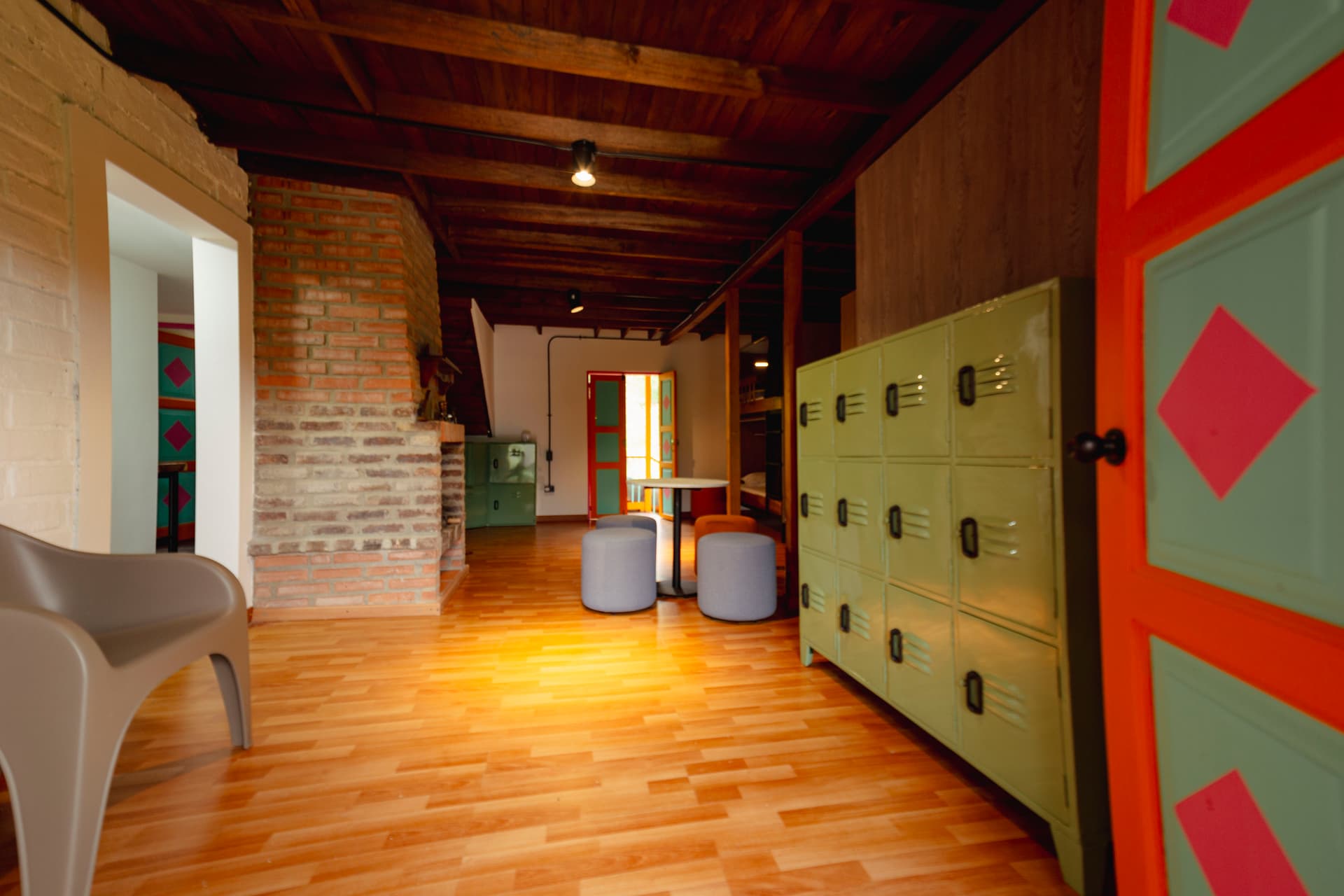
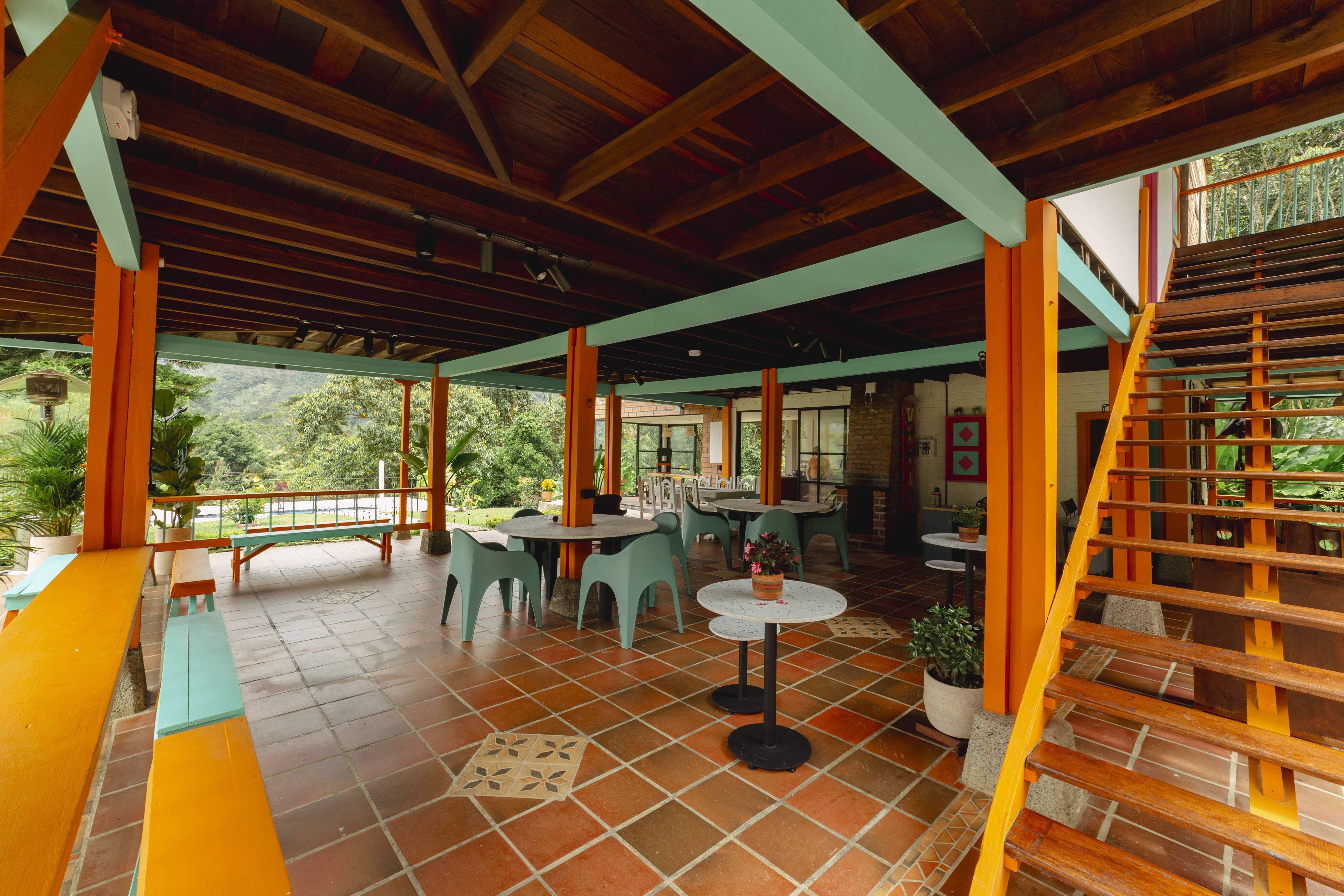
After days of hiking and wildlife observation, the evenings at Isla de Pascua were deeply restorative. I would return muddy and happy, shower, and settle into the common area with my field guide and my notes, cataloging the day's sightings.
The other guests were curious about my observations, and I found myself giving impromptu mini-lectures about Colombian wildlife over dinner. The staff brought me coffee and asked about the birds I'd seen. A young couple from Brazil shared photos of a toucan they'd spotted that morning and asked me to identify it (Collared Aracari — a beauty).
This sharing of knowledge and wonder — this is what travel should facilitate. Not just seeing new places, but understanding them. Not just photographing animals, but learning why they matter. Isla de Pascua created the environment where these exchanges happened naturally, over meals and hammocks and sunset views.
What Jardín Taught This Veterinarian
I came to Jardín as a professional — binoculars calibrated, field guide annotated, species list prepared. I left as something more humble: a person who had been reminded that the natural world is not something we study from the outside. We are part of it. The hummingbirds buzzing past my face. The horse trusting my hands. The ants building their civilization beneath my feet. We are woven into the same fabric, and Jardín is a place where that fabric is visible.
If you care about wildlife — not just as a hobby but as a fundamental value — go to Jardín. Stay at Isla de Pascua. Wake up early. Bring binoculars. Watch the hummingbirds. Ride the horses. Walk quietly through the cloud forest and let the forest show you what it wants you to see.
You will not be disappointed. The animals will make sure of that.
— Ingrid, back in Stuttgart, but with a hummingbird feeder now hanging in my garden
Ready to experience Jardín?
Book Now Isla de Pascua