Written by Tom van der Berg — Netherlands
Stay: May 2025, 10 nights
Ten Nights in Jardín: The Art of Staying Still
Most travelers pass through Jardín in two or three nights. They arrive, they see the plaza, they hike to the cave, they take photos of the Basilica, and they move on to the next destination. There is nothing wrong with this approach. They are maximizing their time. They are being efficient. They are doing travel the way modern life has taught us to do everything — quickly, thoroughly, and with an optimized itinerary.
I stayed for ten nights. Not because I am wealthy or retired or without obligations. I stayed because on my second morning, I sat in a hammock at Isla de Pascua hostel, looked out at the mountains disappearing into cloud, and realized I had been moving too fast for a very long time.
My name is Tom. I am 31 years old. I am from Amsterdam. I work as a freelance graphic designer, which means I can work from anywhere, which means I usually work from everywhere — a new city every week, a new hostel every few days, a new café every morning. I had been traveling through South America for three months when I arrived in Jardín, and I was exhausted. Not physically. Spiritually. I was tired of seeing things without feeling them.
The Decision to Stay
I did not plan to stay ten nights. I booked three, like everyone else. But something about Jardín made me pause.
It was not any single thing. It was the accumulation of small things. The way the morning light fell through the common area at the hostel. The sound of birds I could not name. The smell of coffee drifting up from the kitchen. The old man who sold me a tinto in the plaza and, when I tried to pay him too much, gently pressed the extra coins back into my hand and said, "No, mijo. El precio es el precio." The price is the price.
On day three, I extended to day six. On day six, I extended to day ten. Each time, the staff at Isla de Pascua just smiled and said, "We knew you would stay." Apparently this happens often. Jardín has a way of holding onto people.
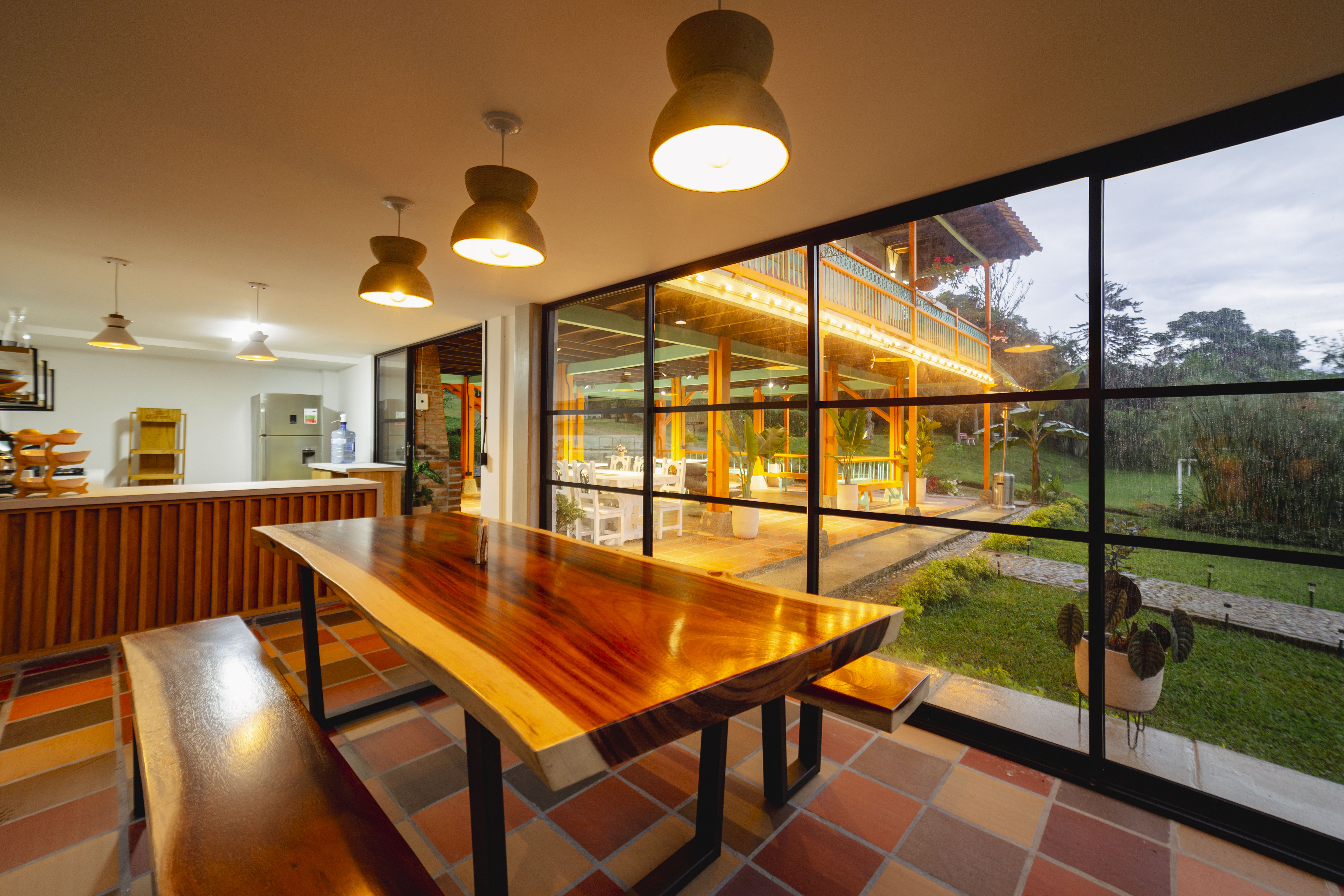
What I Did (And What I Didn't Do)
Here is what I did not do in ten nights: I did not hike to Cueva del Esplendor. I did not go paragliding. I did not ride a horse. I did not ride La Garrucha. I did not take a coffee farm tour.
I know. This sounds like a waste. All these incredible activities available in Jardín, and I skipped most of them. But I have learned something about myself over three months of travel: I am not collecting experiences. I am trying to inhabit them.
Here is what I did do:
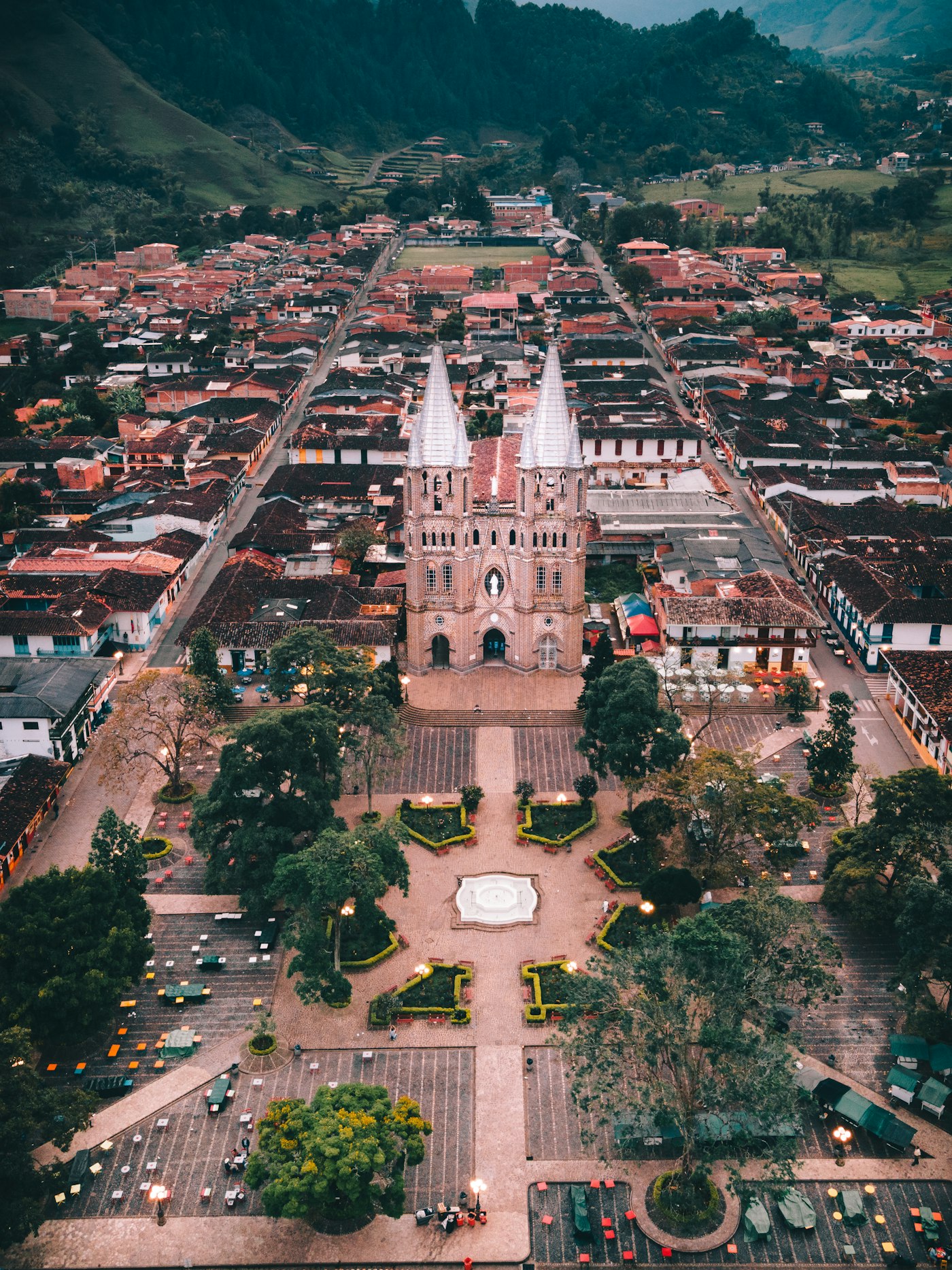
I read seven books. I read them in the hammock by the pool, in the common area during rainy afternoons, and on a bench in the plaza while the world moved around me. Reading in Jardín is different from reading at home. The words sink deeper when the mountains are watching.
I walked. Every day, I walked through the town without a destination. I learned the streets — which ones had the best light in the morning, which ones smelled like fresh bread, which ones had old women sitting in doorways who would say "buenas" and sometimes invite me to sit down. I walked until the town felt less like a place I was visiting and more like a place I was living.
I drew. I am a designer by profession, but I had not drawn for pleasure in years. In Jardín, I filled an entire sketchbook. The Basilica from different angles. The pattern of the cobblestones. The face of Don Aurelio, the tinto seller, who sat patiently while I sketched him and then asked if he could keep the drawing. He pinned it to the wall of his cart. It is probably still there.
The Friendships That Formed Slowly
In a hostel, friendships usually form fast and dissolve fast. You meet someone at breakfast, you do an activity together, you share a beer, you exchange Instagram handles, and by the next day one of you has moved on. It is the nature of travel. It is also, if I am honest, a little shallow.
Staying in one place for ten days allowed something different to happen. The friendships formed slowly, like roots growing into soil.
There was Carlos, one of the hostel staff members, who taught me to play chess during the quiet afternoons. He beat me every single time, but he was patient about it, and by the end of my stay we could sit in comfortable silence for long stretches — the kind of silence that only exists between people who have spent real time together.
There was Doña Marta, who ran a tiny tienda two blocks from the hostel. I went there every evening for a beer and whatever snack she recommended. By day five, she stopped asking what I wanted and just handed me the right thing. By day eight, she was telling me about her grandchildren and showing me photos on a phone with a cracked screen. By day ten, she hugged me when I came to say goodbye and pressed a bag of homemade dulces into my hands.
There was the morning tinto ritual with Don Aurelio in the plaza. Every morning at 6:30, I would walk to his cart, and he would pour me a small cup of sweet, strong coffee. We barely spoke — my Spanish is functional but limited, and he had no English — but we developed a communication built on nods, gestures, and the particular understanding that forms between two people who see each other every day at the same time.
These friendships would not have been possible in three nights. They required the slow accumulation of days. They required staying.
The Hostel as Home
I need to talk about Isla de Pascua, because it made my extended stay not just possible but meaningful.
Most hostels are designed for transience. They assume you are passing through, and they treat you accordingly — efficient check-in, functional beds, a revolving door of faces. Isla de Pascua does something subtly different. It creates the conditions for staying.
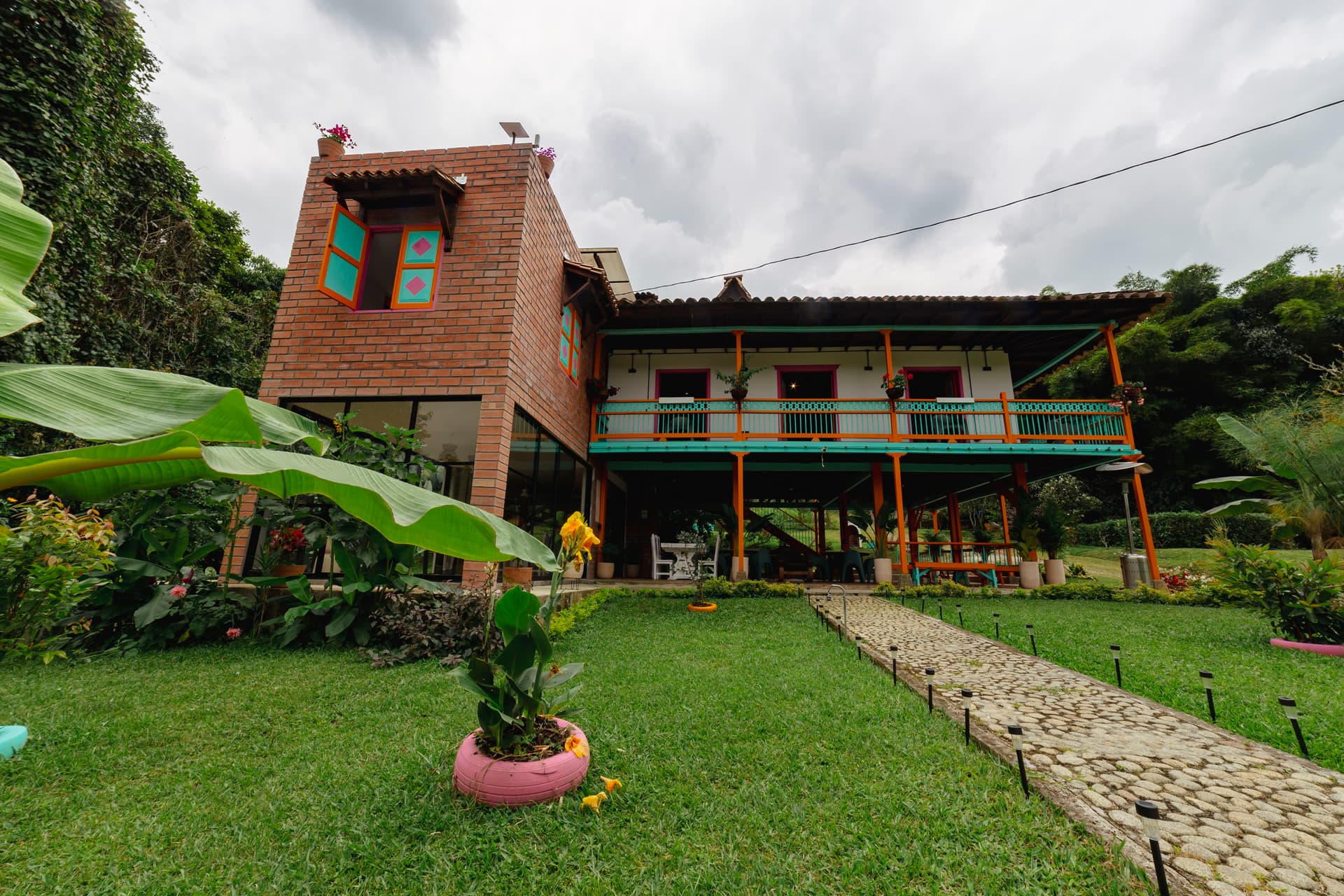
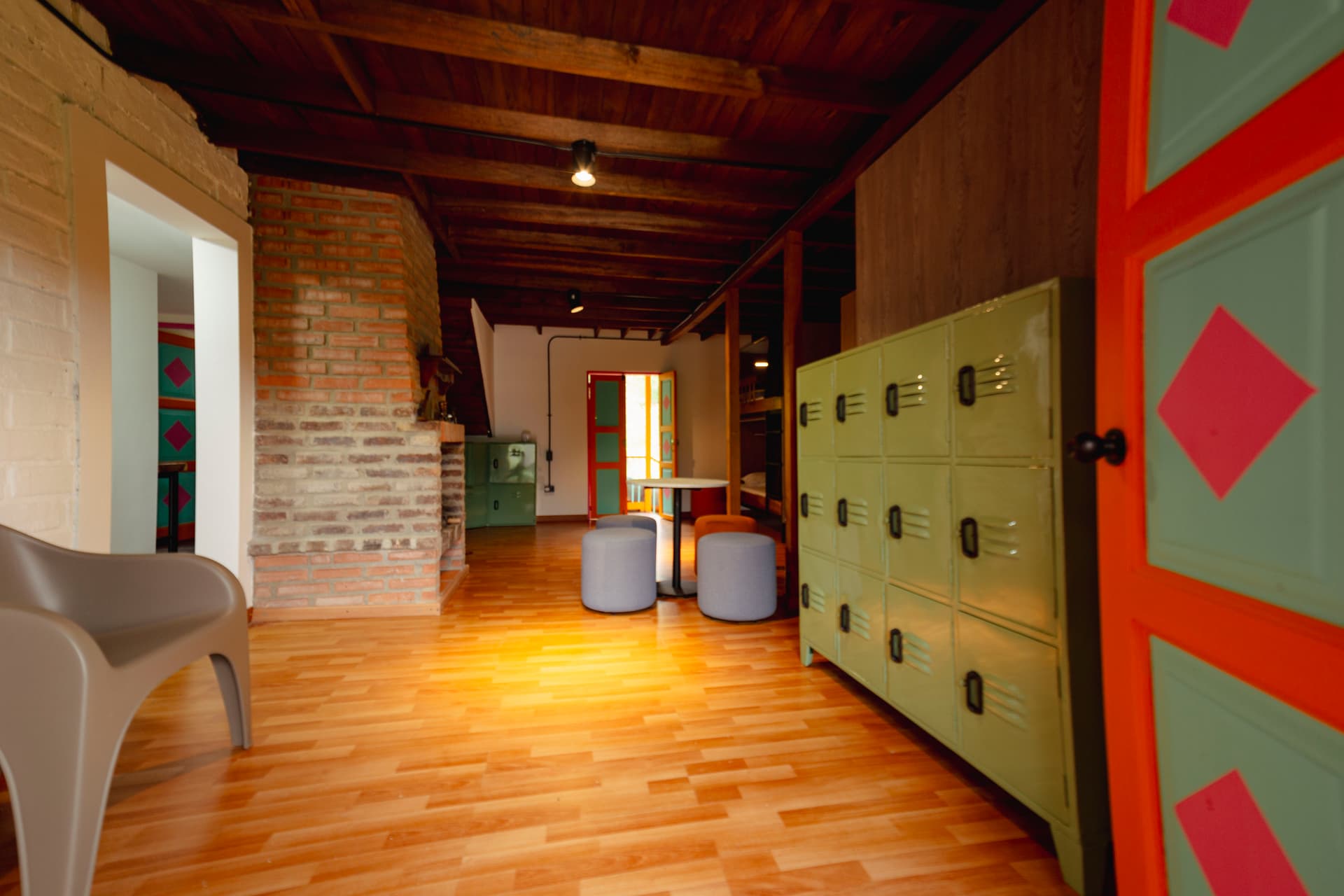
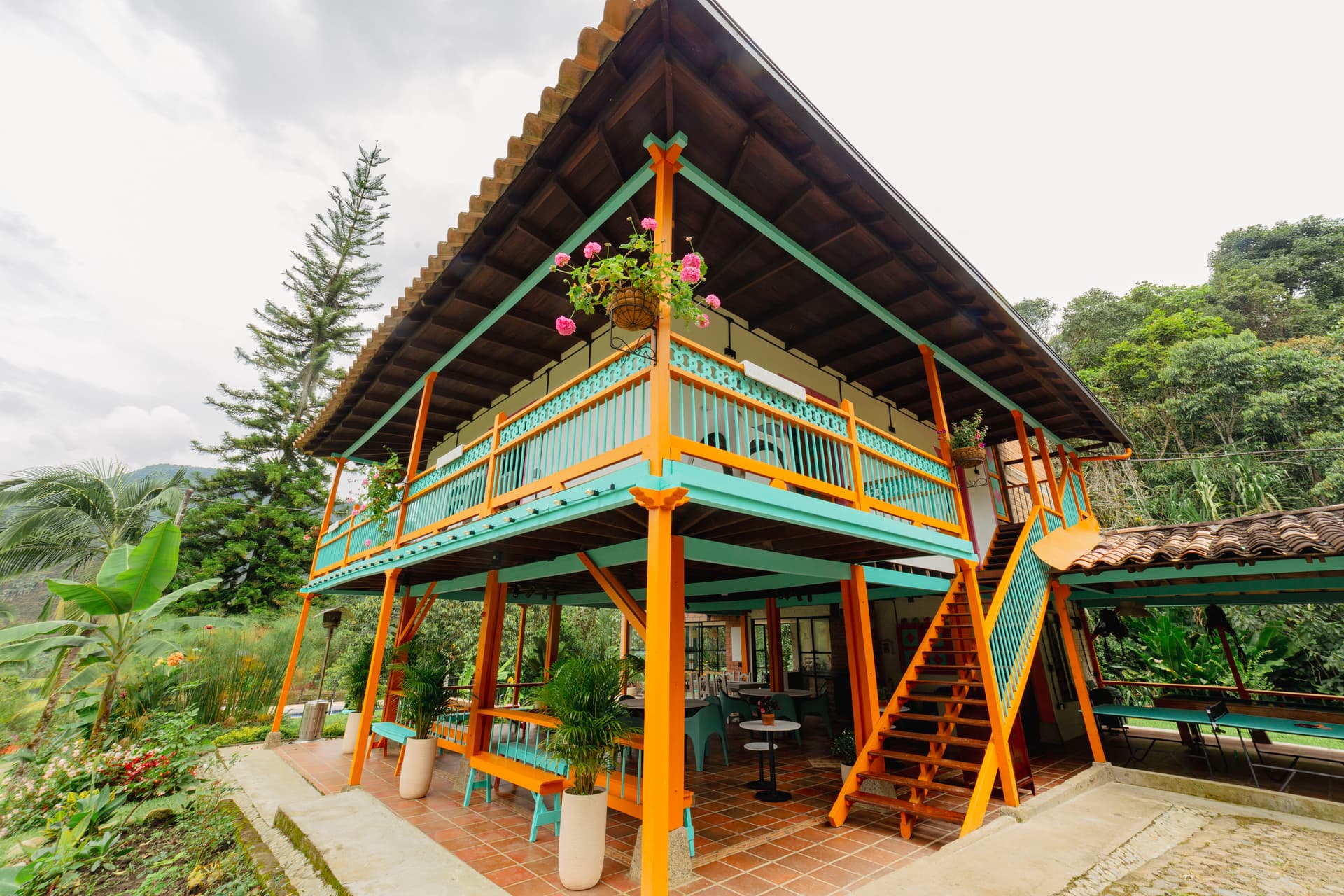
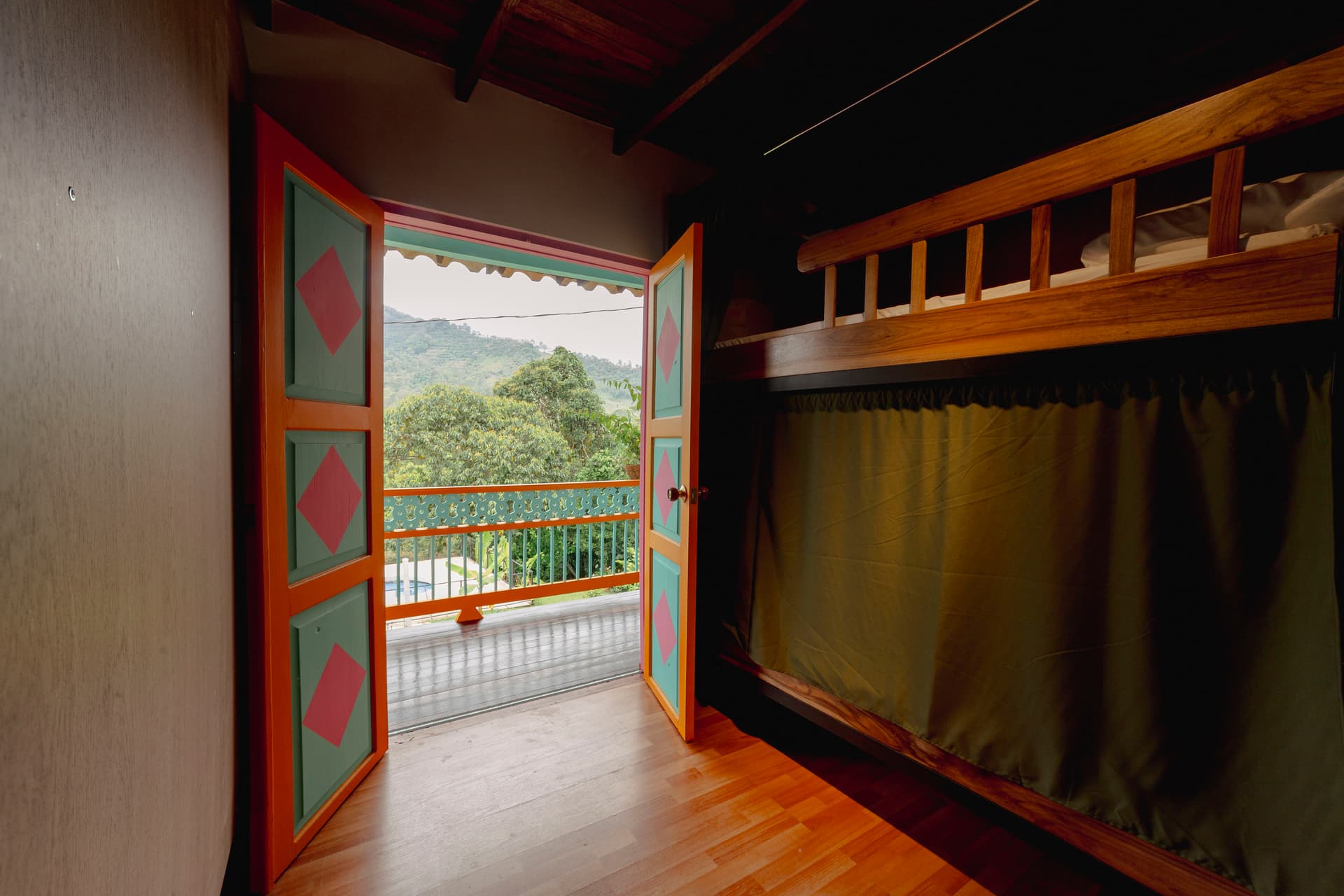
The hammocks are positioned so that you can see the mountains. The common area has corners where you can sit alone without feeling lonely. The pool is not just an amenity — it is a gathering point, a place where strangers become friends over the course of an afternoon. The kitchen is available for cooking, which matters enormously when you are staying more than a few days.
The staff noticed that I was staying longer than most. They did not treat this as unusual. They brought me into the rhythm of the place — told me when the market days were, which trails were less crowded in the afternoon, where to find the best sunset view that was not Cristo Rey (it is a spot along the river, past the bridge, where the water catches the last light — the staff will tell you if you ask).
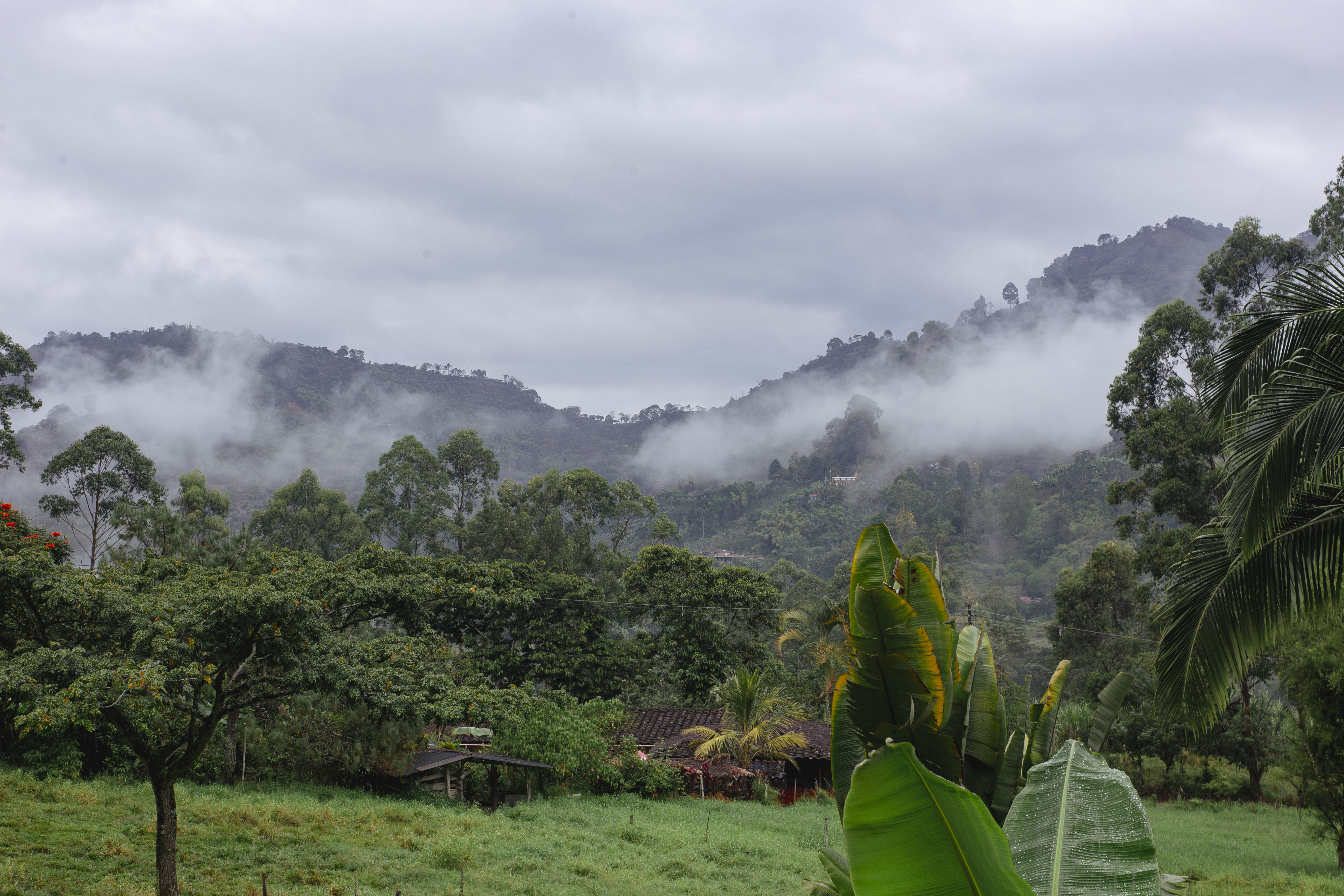
By day five, I had stopped feeling like a guest and started feeling like a temporary resident. That distinction matters more than you might think.
The Philosophy of Slow Travel
I want to be careful here, because I do not want to sound preachy. Everyone travels differently, and there is no right way to do it. The couple from Canada who did every activity in six days had an incredible time. The Australian girl who packed four nights with adventure was thriving. Speed is not the enemy.
But I do think there is something lost when we treat travel the way we treat productivity — as a series of tasks to complete, attractions to check off, content to create. Jardín taught me, or perhaps reminded me, that the point of being somewhere is not to do everything. It is to be somewhere.
The weather in Jardín changes throughout the day in a way that rewards attention. Morning is clear and cool. By noon, clouds begin gathering over the western mountains. By mid-afternoon, rain often arrives — sometimes gentle, sometimes dramatic. By evening, the sky clears again and the sunset paints everything in gold. If you only stay two nights, you might experience this cycle twice and think, "Interesting weather." If you stay ten nights, you begin to feel the rhythm of it in your body. You begin to know when to carry an umbrella and when to trust the sky.
The town has a similar rhythm. Monday is quiet. Wednesday is market day, and the plaza fills with farmers selling produce, flowers, and cheese. Friday night brings music to the plaza. Sunday morning is for church, and the Basilica fills with families in their best clothes. You only learn these rhythms by staying long enough to feel them repeat.
What I Learned
I learned that I do not need to see everything. That depth is more nourishing than breadth. That a conversation with an old woman in a tienda can be more meaningful than a spectacular waterfall. That reading a book in a hammock is a valid use of a day in a foreign country. That the most important thing travel can teach you is how to be present.
I also learned that Jardín is one of the most beautiful places I have ever been, and that I do not say this because of the mountains or the Basilica or the colonial architecture, although all of these are extraordinary. I say it because of the people. Because of Don Aurelio and his tinto cart. Because of Doña Marta and her cracked-screen phone. Because of Carlos and his patient chess games. Because of the staff at Isla de Pascua who remembered my name, who asked about my day, who understood that sometimes the best recommendation is not an activity but a quiet corner and a good book.
A Suggestion (Not Advice)
If you come to Jardín, do the hikes. See the cave. Ride the cable car. Taste the coffee at its source. These things are all wonderful and I do not regret that other travelers experienced them.
But also consider this: what would happen if you stayed one day longer than planned? What would happen if you woke up on your last morning and, instead of packing, you walked to the plaza for one more tinto? What would happen if you let a place teach you something, instead of trying to conquer it?
I do not know the answer for you. For me, the answer was ten nights, seven books, one full sketchbook, and a handful of friendships that I will carry for the rest of my life.
Jardín is still there. It is not going anywhere. It will wait for you. And if you let it, it will teach you how to wait, too.
— Tom, writing from a bus to Bogotá, already missing the hammock
Ready to experience Jardín?
Book Now Isla de Pascua