Written by James Crawford — United Kingdom
Stay: May 2025, 5 nights
The Cock-of-the-Rock and Other Revelations: A British Birdwatcher in Jardín
I should begin with a disclaimer: I am not a casual birdwatcher. I am the sort of person who maintains a life list in a leather-bound notebook, who has strong opinions about binocular brands, and who once cancelled a holiday in Greece because a rare warbler had been spotted in Norfolk. My wife, Margaret, describes this as "a personality disorder that happens to take place outdoors." She is not entirely wrong.
I mention this because when I tell you that Jardín, Colombia, is one of the finest birding destinations I have encountered in forty years of staring at trees through expensive optics, I want you to understand the weight of that statement. I do not say such things lightly. I am British. We do not exaggerate.
Why Jardín? The Numbers Speak
Colombia holds more bird species than any country on earth — over 1,900 at last count, which is roughly 20% of all known species on the planet. The southwestern Antioquia region around Jardín, where the Andes begin to fracture into the Western Cordillera, is a particularly rich convergence zone. Cloud forest, subtropical forest, páramo grasslands, and river valleys create a patchwork of habitats that supports an extraordinary diversity of avifauna.
But I did not come to Jardín for the statistics, impressive as they are. I came for one bird: the Andean Cock-of-the-Rock (Rupicola peruvianus). I had been trying to see this species for fifteen years. It had eluded me in Peru. It had eluded me in Ecuador. I was beginning to take it personally.
The birdwatching guide for Jardín that I found online suggested that the area had reliable lek sites where the males perform their remarkable courtship displays. I booked five nights at Isla de Pascua, packed my Swarovski EL 10x42s, and flew to Colombia with the focused determination of a man who has been defeated by a fruit-eating bird for a decade and a half.
Day One: Reconnaissance and an Unexpected Welcome
I arrived at Isla de Pascua mid-afternoon, somewhat dishevelled from the bus journey from Medellín — a scenic route, to be fair, though I found it difficult to appreciate the views while wedged between my rucksack and a gentleman transporting what appeared to be an entire chicken coop.
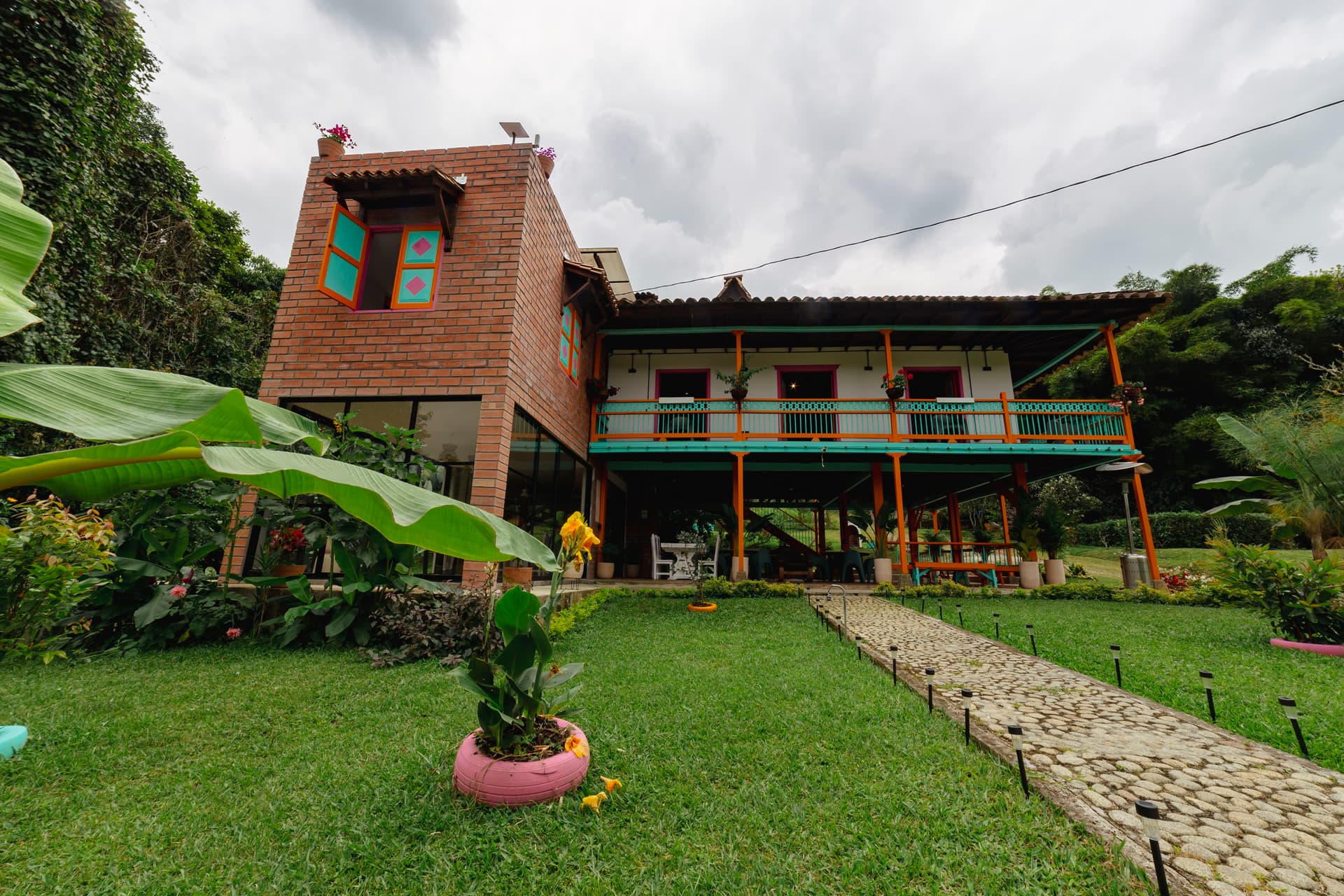
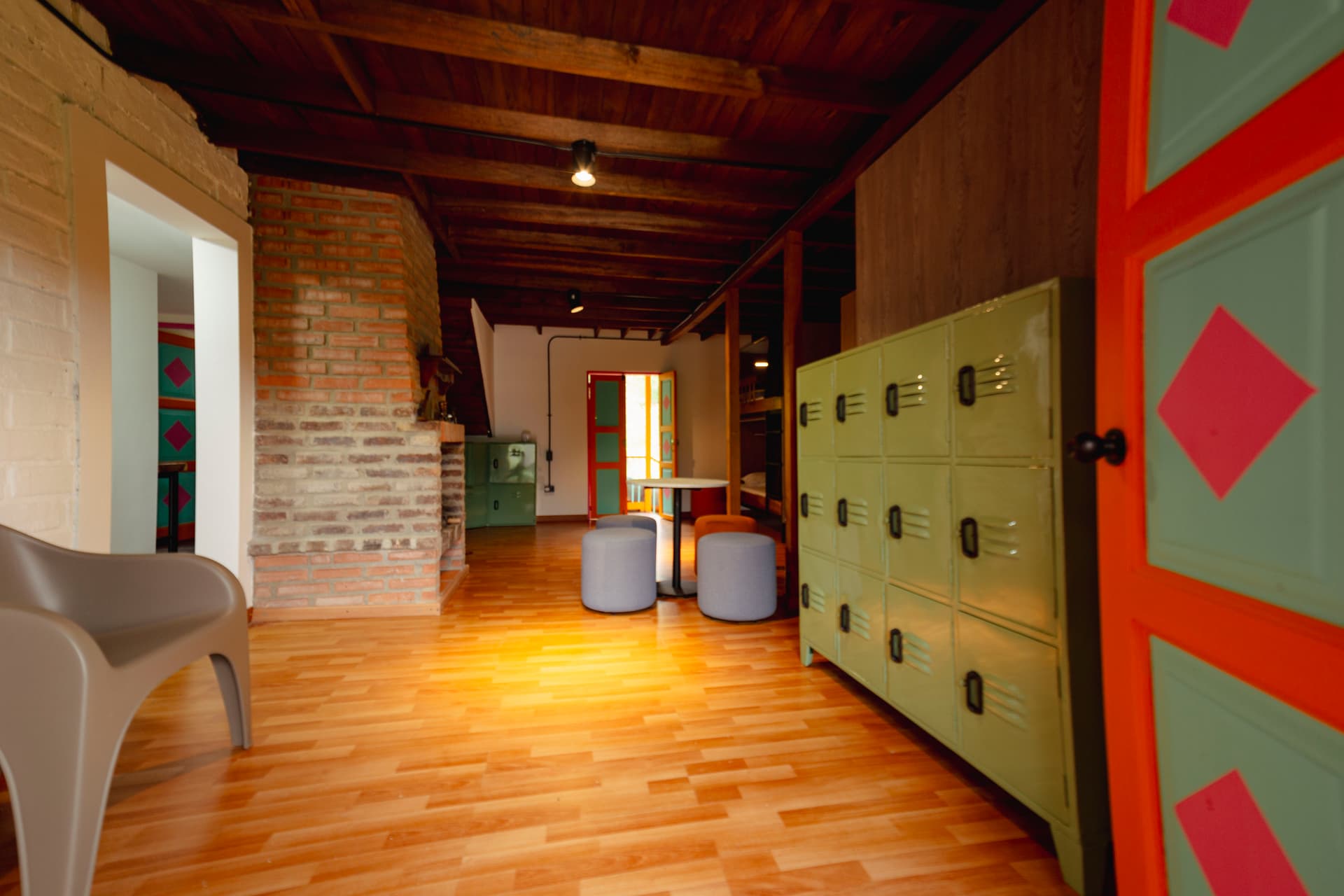
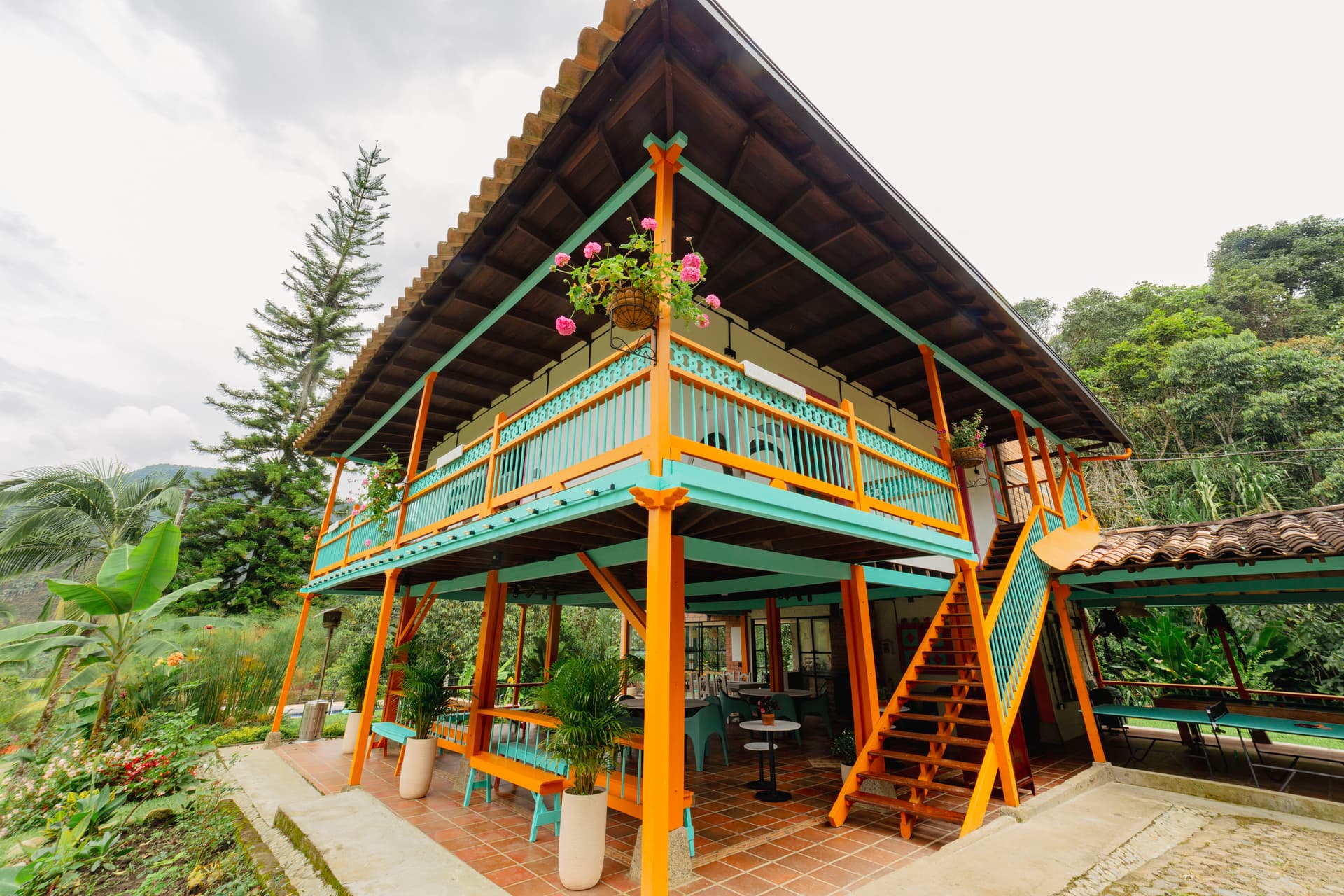
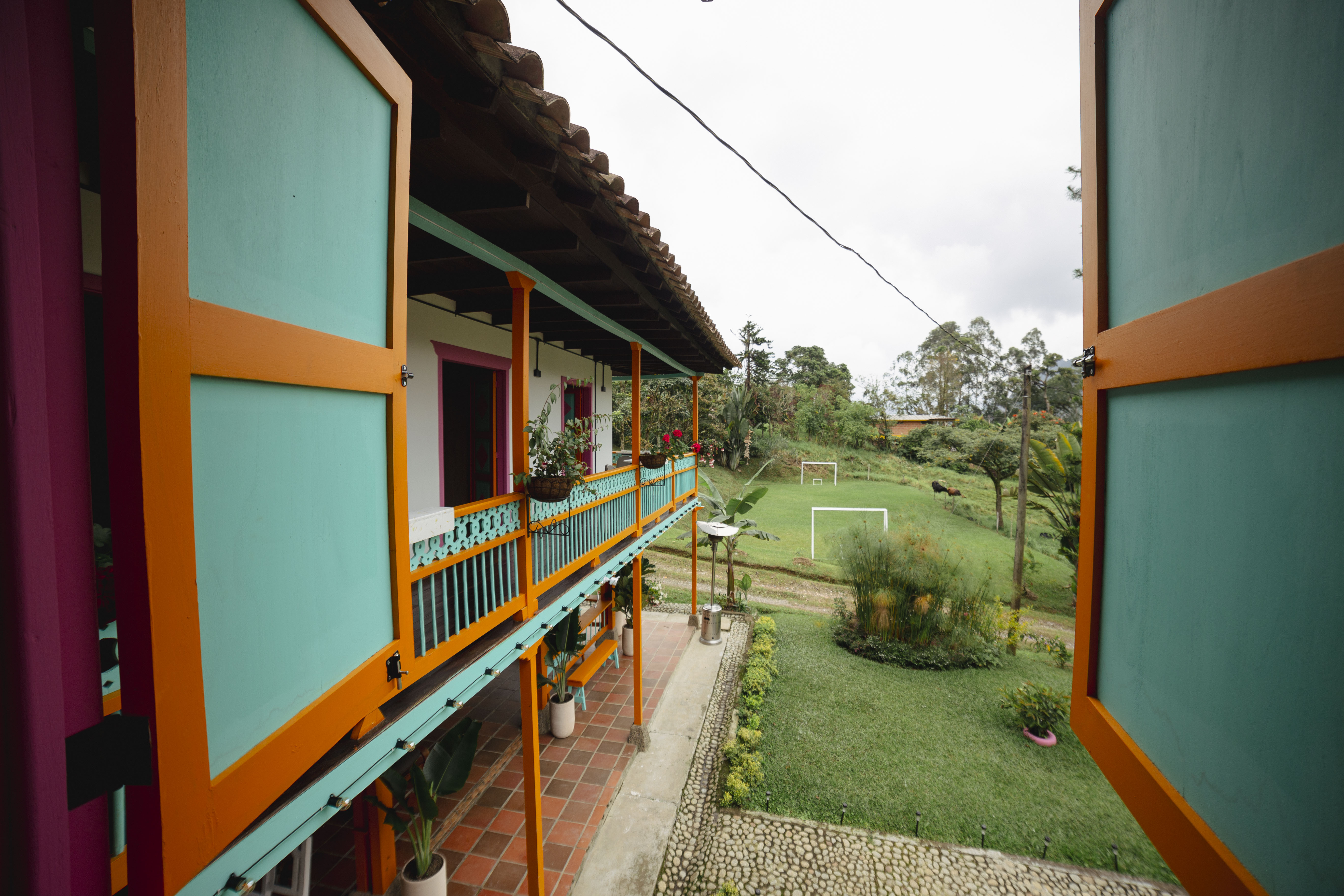
The hostel was an immediate and pleasant surprise. I had expected the typical backpacker establishment — sticky floors, questionable plumbing, and music at volumes designed to permanently damage the human auditory system. Instead, I found a clean, well-maintained property with a swimming pool (unnecessary for my purposes, but admittedly attractive), a quiet common area, and — crucially — staff who understood that when I said I needed to leave at 4:30 AM, I was not joking.
The young woman at reception, upon learning of my ornithological mission, immediately connected me with a local birding guide named Alejandro. She made a phone call, had a rapid conversation in Spanish that I followed approximately 40% of, and informed me that Alejandro would meet me at the hostel at 4:30 the following morning. The efficiency was remarkable. At home, arranging a plumber takes more effort.
Day Two: The Morning That Changed Everything
Alejandro arrived at 4:28 AM. I liked him immediately.
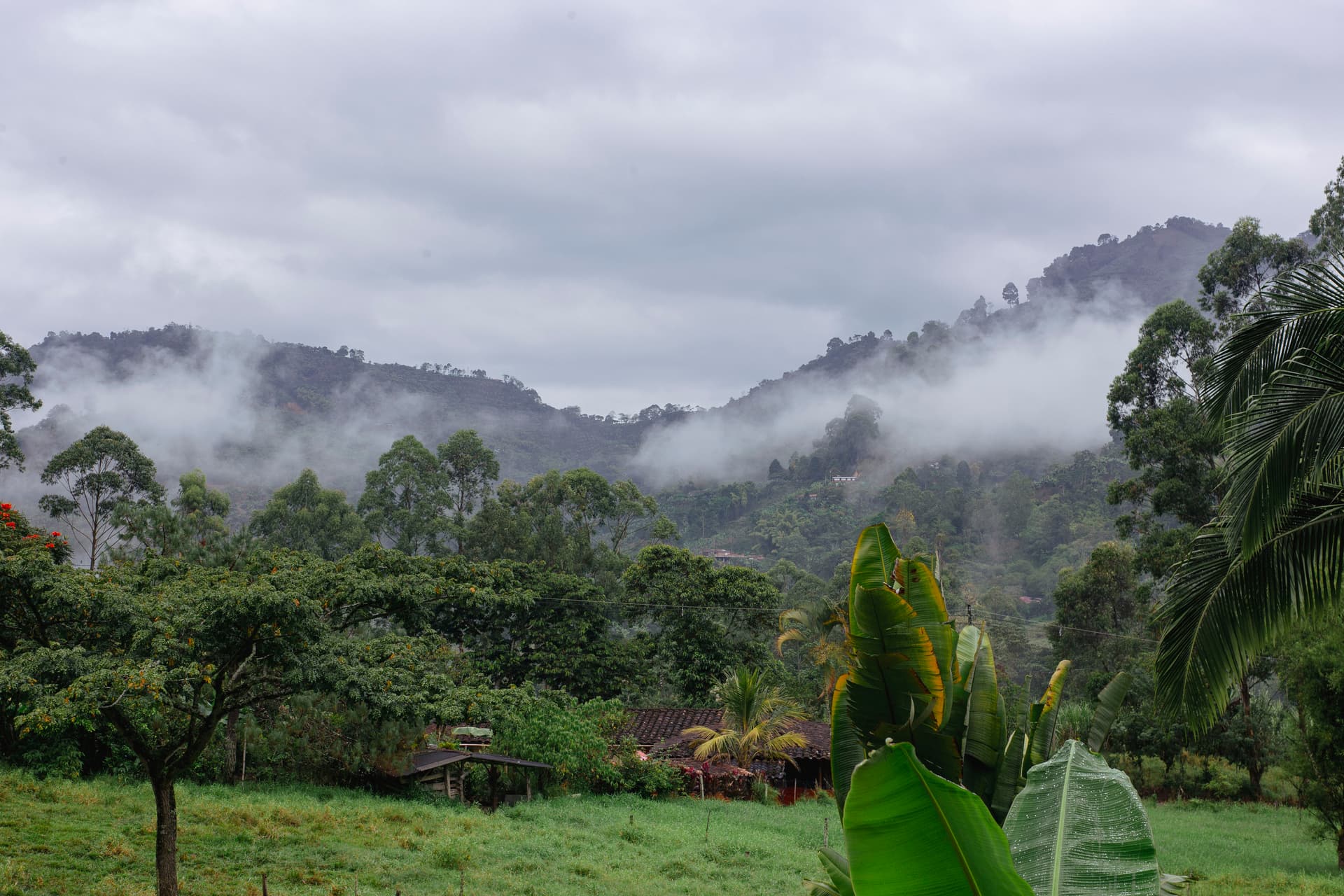
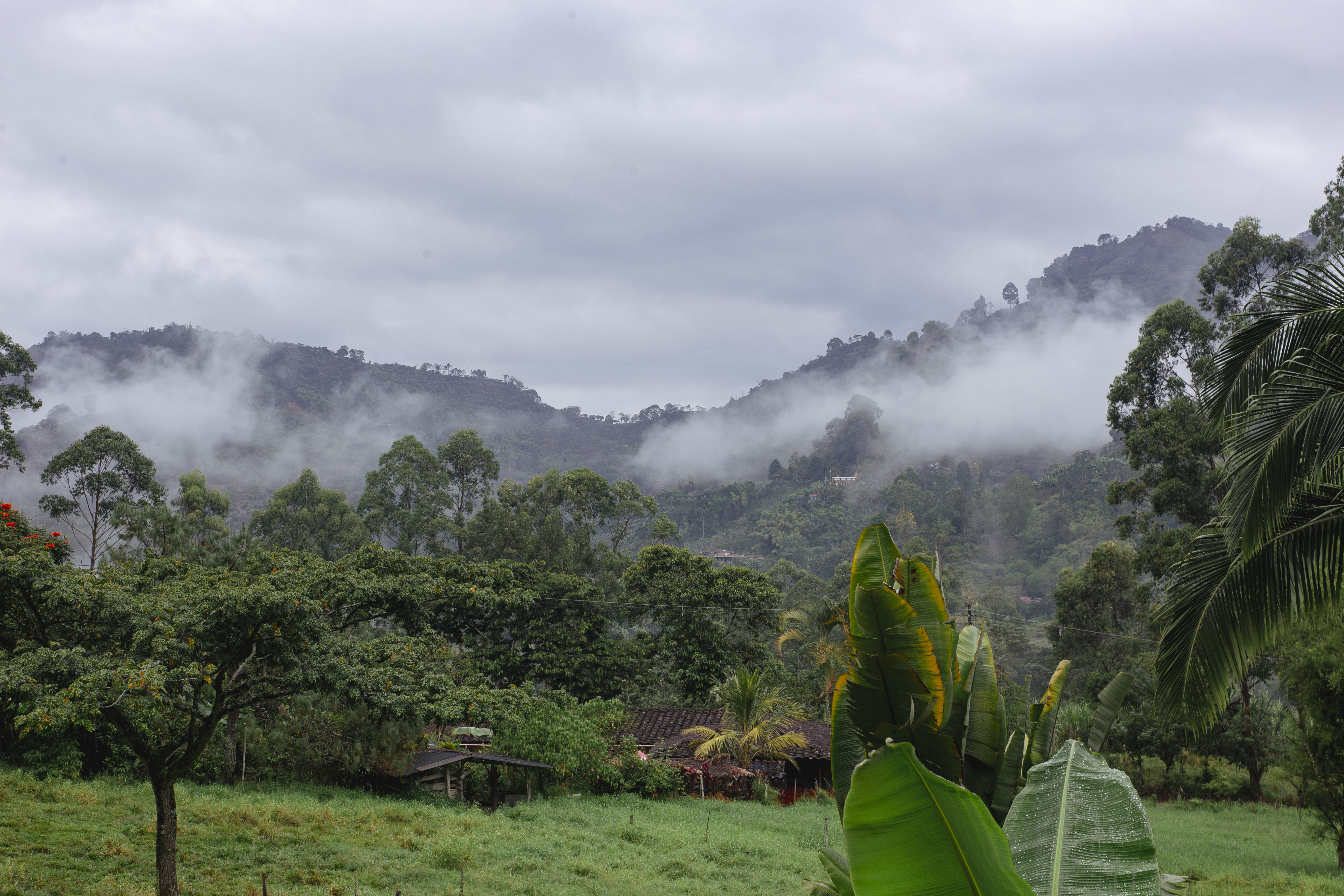
We drove for thirty minutes into the cloud forest, then hiked for another forty minutes in near-darkness, our headlamps picking out the trail through dripping vegetation. The forest at that hour is an extraordinary place — dark, humid, alive with sounds you cannot identify. Things rustle. Things call. Your imagination supplies the rest.
We reached the lek site just as the first grey light was filtering through the canopy. Alejandro positioned us behind a natural blind of ferns and moss-covered rocks, and we waited.
At 5:47 AM — I noted the time, because of course I did — the first male arrived.
I have seen photographs of the Andean Cock-of-the-Rock. They do not prepare you. The bird is the most improbable shade of orange-red, as though someone has dipped a thrush in molten lava and then given it an absurd crescent-shaped crest that covers its entire head. It is simultaneously one of the most beautiful and most ridiculous birds on earth. I adore it.
Over the next hour, six males assembled at the lek. They displayed — bouncing, calling, fanning their wings, each one trying to out-perform the others in what can only be described as the avian equivalent of a very serious dance competition. Two females arrived, observed the proceedings with the withering indifference that females of many species seem to have perfected, and departed.
I may have become slightly emotional. Alejandro pretended not to notice. He is a good man.
Days Three Through Five: The List Grows
With the Cock-of-the-Rock successfully ticked (in permanent ink, with the date, location, and weather conditions duly noted), I was free to explore Jardín's birding more broadly. And what birding it is.
Over my remaining days, with Alejandro as my guide for two mornings and on my own for the rest, I recorded the following notable species:
- Multicoloured Tanager (Chlorochrysa nitidissima) — endemic to Colombia, absolutely stunning
- Chestnut-breasted Coronet — reliable at the feeders near the cloud forest reserve
- Crimson-rumped Toucanet — heard before seen, as is often the way with toucans
- Yellow-eared Parrot (Ognorhynchus icterotis) — endangered, and seeing one was a genuine privilege
- Cauca Guan — skulking in the undergrowth, as guans do
- Golden-headed Quetzal — brief but unmistakable
- Flame-faced Tanager — the name is not hyperbole
- Torrent Duck — along the Río Jardín, doing what torrent ducks do best (sitting on rocks in fast water looking pleased with themselves)
In total, I logged 87 species in five days. This is, by any reasonable standard, exceptional. The combination of cloud forest, agricultural land, riverine habitat, and the town itself (house wrens and great thrushes are everywhere) provides an unusual range of birding environments within a small area.
The Hostel: An Unlikely Birding Base
I must confess that I did not expect a hostel to serve as an adequate base for serious birdwatching. I am accustomed to specialist lodges — expensive, remote, and populated entirely by people who consider a dawn start to be "sleeping in."
Isla de Pascua surprised me. The staff were not merely tolerant of my early departures and mud-caked boots — they were actively supportive. Breakfast was arranged for 4:00 AM on birding mornings (a kindness I did not take for granted). My binoculars were stored safely behind reception when I went into town. On one occasion, a staff member flagged me down to point out a pair of crimson-backed tanagers in a tree near the pool. I was impressed.
The hostel grounds themselves produced several species. From my hammock — a position I adopted during afternoon rest periods — I observed blue-grey tanagers, tropical kingbirds, and a rather magnificent lineated woodpecker working on a dead tree approximately thirty metres away. One does not expect to add to one's list while reclining in a hammock, but Jardín is full of such pleasures.
The social atmosphere, too, was agreeable. I am not naturally gregarious — Margaret would use a stronger word — but I found the other guests curious and respectful. Several asked to see photographs on my camera, and I may have delivered an impromptu lecture on tanager taxonomy that went on rather longer than anyone had requested. They were very polite about it.
Practical Notes for Fellow Birders
For those considering Jardín as a birding destination, some practical observations:
Guide: Hire a local guide. The endemic and range-restricted species require knowledge of specific sites. Alejandro (arranged through the hostel) was outstanding — sharp-eyed, patient, and possessed of that invaluable ability to identify species by call alone. Worth every peso.
Timing: The best birding is October through May, during and just after the wet season. May was excellent — the forest was lush, the birds were breeding, and the leks were active.
Equipment: Bring proper waterproof gear. The cloud forest is called that for a reason. My camera survived only because I had wrapped it in a dry bag that Margaret had packed "in case you do something stupid near water." She knows me well.
Altitude: Jardín sits at approximately 1,750 metres, but the best birding sites range from 1,500 to 2,500 metres. The altitude is noticeable if you are hiking. Pace yourself.
Budget: Everything in Jardín is remarkably affordable. The cost guide on this site is quite accurate. A full day with a birding guide costs a fraction of what you would pay in Costa Rica or Ecuador for comparable quality.
The Verdict
I have birded on six continents. I have seen over 4,200 species. I do not say this to boast — well, perhaps a little — but to provide context for what follows.
Jardín is special. Not merely because of the species count, which is impressive, or the endemics, which are thrilling, but because of the completeness of the experience. The cloud forest is pristine. The guides are knowledgeable. The town is beautiful and unspoilt. The hostel was comfortable and welcoming. And the coffee — good Lord, the coffee — is the best I have tasted anywhere, a fact that has nothing to do with birding but everything to do with why I will return.
I left Jardín with 87 new ticks on my list, three memory cards full of photographs, and a profound respect for a corner of Colombia that deserves to be better known among the international birding community.
I also left with a small bag of locally roasted coffee beans that Alejandro gave me as a parting gift. Margaret says the coffee is excellent. She also says I have been "insufferable" since returning, which I choose to interpret as a compliment.
— James Crawford, Surrey, England, currently planning his return trip
Ready to experience Jardín?
Book Now Isla de Pascua