Trout Fishing in Jardín: A Complete Guide to River Angling in the Andes
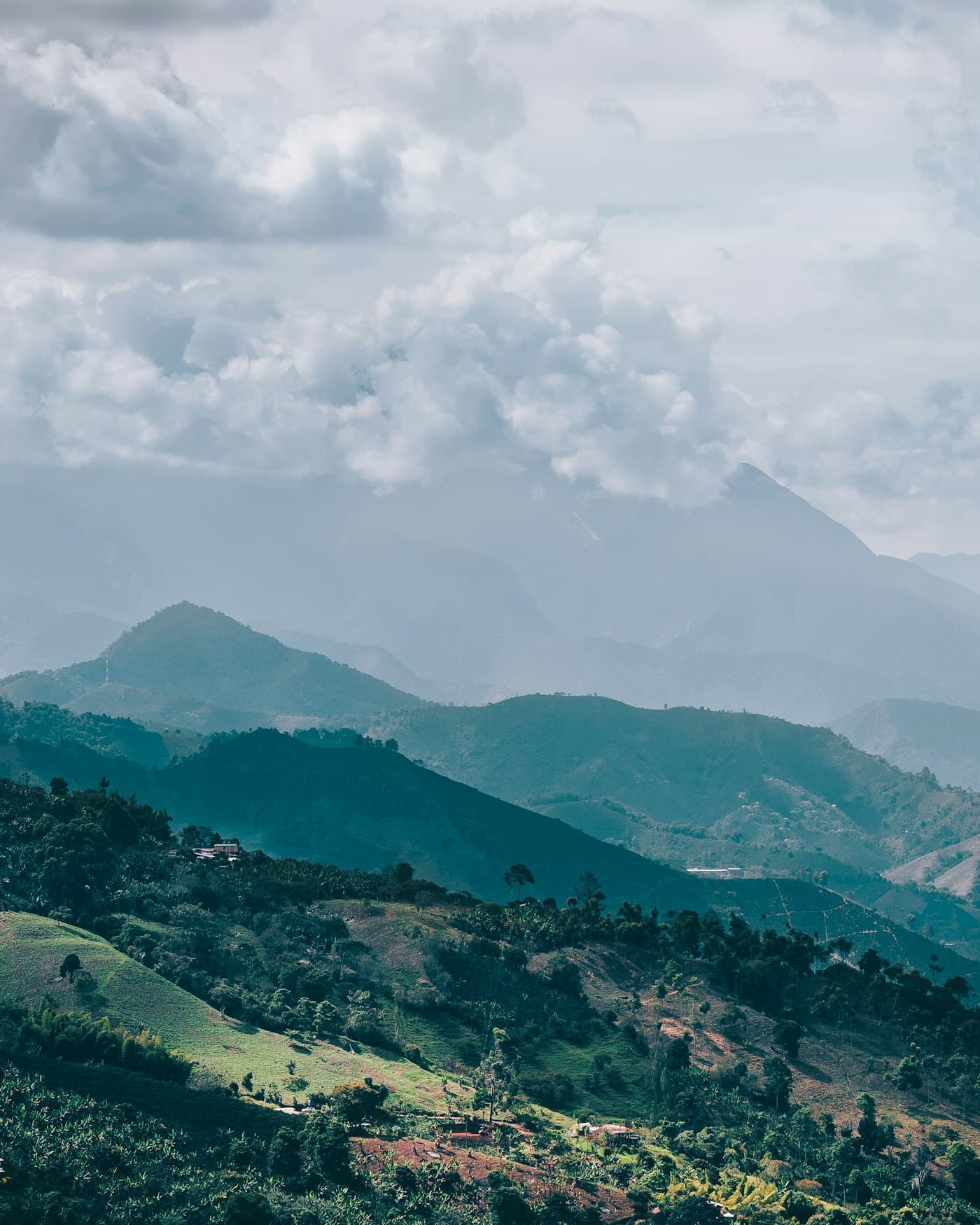
The old man at the truchera didn't say much. He handed me a rod — a simple bamboo pole with a weighted line and a hook baited with a pellet of fish food — and pointed toward the largest of three concrete ponds carved into the hillside. Behind us, the mountains of the Jardín valley rose steeply into cloud forest, their ridgelines dissolving into mist. Below, the Río Claro muttered over boulders on its way through the canyon. Within thirty seconds of dropping the line, something struck hard, and the bamboo bent in a deep curve. A flash of silver and pink turned just below the surface. I had my first Colombian trucha arcoíris, and it would be on my plate within the hour.
This is trout fishing in Jardín — not the fly-casting, wader-wearing, catch-and-release experience of a Montana river, but something altogether more immediate, more communal, and more delicious. Here in this Andean town at 1,750 meters above sea level, trout is both a livelihood and a way of life. The cold, oxygen-rich rivers that pour down from the cloud forests create perfect conditions for rainbow trout, and the trucheras — small family-run trout farms scattered through the surrounding veredas — offer one of the most unique culinary and outdoor experiences in all of Colombia.
How Rainbow Trout Came to Jardín
Rainbow trout are not native to Colombia. Oncorhynchus mykiss originated in the cold rivers of the Pacific Northwest of North America, and it took human intervention to bring them to the Andes. In the mid-twentieth century, the Colombian government, along with various international development agencies, began stocking high-altitude rivers and lakes with rainbow trout fingerlings. The idea was to provide protein and economic opportunity to rural mountain communities where agriculture alone couldn't sustain families.
The program worked spectacularly in the highlands of Antioquia. The rivers around Jardín — cold, clean, fast-moving, and well-oxygenated by the steep terrain — turned out to be almost ideal trout habitat. By the 1970s and 1980s, local families had begun building their own trucheras, small ponds fed by diverted streams where they could raise trout year-round. What started as a government initiative became a deeply embedded part of the local food culture. Today, trucha arcoíris is as much a part of Jardín's identity as coffee, and you'll find it on nearly every restaurant menu in town.
The Rivers: Where Wild Trout Still Swim
While most of the trout you'll eat in Jardín comes from farm ponds, the rivers themselves still hold wild populations — and for those with patience and a bit of local knowledge, river fishing is an extraordinary experience.
Río Claro
The Río Claro is Jardín's signature waterway, carving a deep valley to the south of town. Its name — "Clear River" — is well earned. In the dry season, the water runs transparent over beds of smooth river stone, and you can see trout holding in the pools behind boulders and in the shade of overhanging vegetation. The river is accessible from several points along the road toward La Herrera and beyond, and local guides can take you to stretches where the fishing is best.
River trout here tend to be smaller than their farm-raised counterparts — typically 20 to 30 centimeters — but they fight harder, and catching one on a hand line in a rushing Andean river is a completely different thrill from pond fishing. The technique is simple: a weighted hook baited with worms, cast into a deep pool and allowed to drift with the current. No fly rod necessary, though fly fishers who bring their own gear will find willing fish, especially early in the morning and late in the afternoon.
Río San Juan
To the north of Jardín, the Río San Juan flows through a wider valley with more open terrain. This river is less frequented by fishermen and can produce some surprisingly good catches, particularly in the pools near the vereda of Serranías. The water is slightly warmer here and a bit more turbid, especially after rain, but the trout don't seem to mind.
Quebrada La Bonita and Other Tributaries
Dozens of smaller streams — called quebradas — feed into the main rivers around Jardín, and many of these hold trout as well. Quebrada La Bonita, accessible from the trail toward the Cueva del Esplendor, is one that locals mention quietly when they trust you enough. These are small-water fishing experiences: tiny pools, overhanging ferns, the sound of water falling over mossy rocks. You're not going to catch anything large, but the setting is worth the trip even if you don't get a bite.
The Trucheras: Catch Your Own, Eat Your Own
For most visitors, the truchera experience is the highlight — and it's unlike anything you've done before if you come from a culture where fish arrives in plastic packaging at a supermarket. A truchera is a small trout farm, usually family-operated, built on a hillside where a cold stream can be diverted to fill a series of concrete or earthen ponds. The trout are raised from fingerlings, fed on a diet of specialized pellets, and harvested when they reach plate size — typically around 350 to 500 grams.
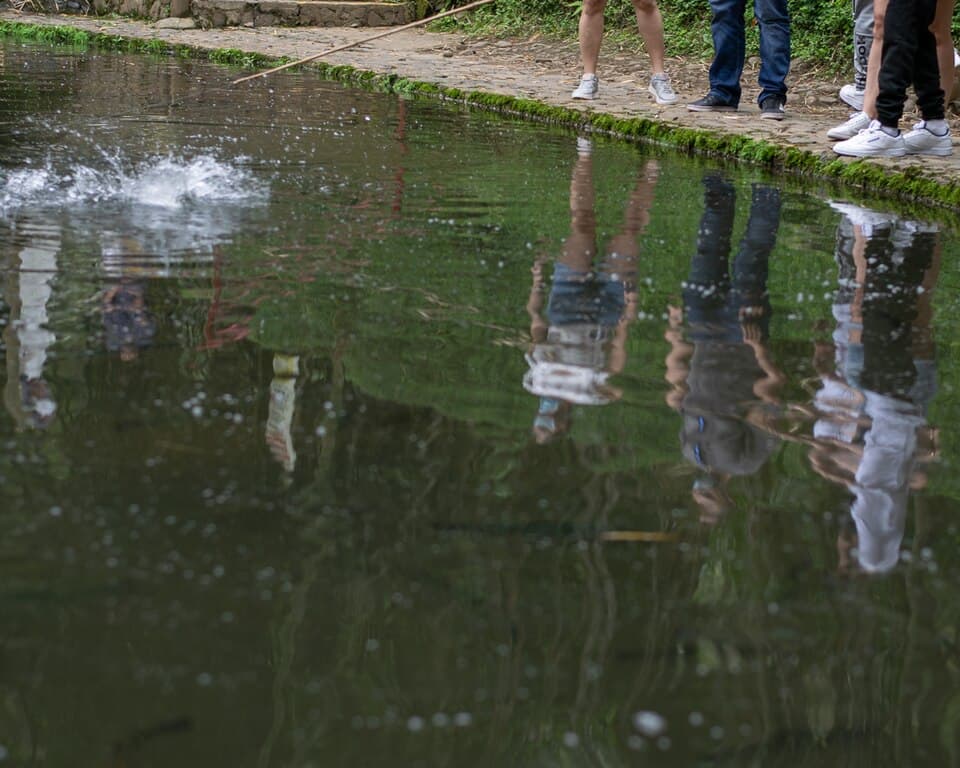
Here's how it works. You arrive at the truchera, usually by walking or riding a horse along a rural path (some are accessible by car or motorcycle). The owner gives you a rod — usually that bamboo pole I described, simple and effective — and you fish in the pond. The trout are abundant and hungry, so you'll catch one quickly. This is not about the sporting challenge; it's about the ritual of choosing your own meal. You hand your catch to the family, and they clean it, season it, and cook it while you wait.
The wait is part of the experience. You sit on a wooden bench or a plastic chair under a tin roof, watching the mountains, drinking aguapanela (hot sugarcane water) or a cold beer, listening to the stream, maybe talking to the family about their farm. Twenty or thirty minutes later, your trout arrives: whole, fried golden in a wood-fired stove, served with patacones (fried green plantain), rice, a small salad, and a wedge of lime. The fish is so fresh it practically curls on the plate. The flesh is firm, clean-tasting, faintly sweet. This is the definitive trucha experience — no restaurant in the world can replicate the combination of mountain air, the satisfaction of having caught it yourself, and the skill of a campesina cook who has been preparing trout this way her entire life.
The Best Trucheras Near Jardín
La Truchera de Jardín — The most well-known and easily accessible truchera, located about 20 minutes by foot from town along the road toward the Río Claro valley. The family here has been raising trout for decades, and their preparation is consistently excellent. They offer both trucha frita (fried) and trucha al ajillo (garlic butter). The setting, overlooking the river valley with mountains in every direction, is stunning.
- How to get there: Walk or take a moto-taxi from the parque principal. Ask any local — everyone knows it.
- Cost: COP $25-35k per person for the full experience (fishing + prepared meal)
Truchera Vereda La Linda — A bit further out, in the vereda of La Linda (about 40 minutes by foot or 15 minutes by car). This is a smaller, more intimate operation where the family raises trout alongside coffee and plantains. The trout here are cooked over an open wood fire, and they often serve it with fresh hogao (tomato and onion sauce) that they make from their own garden.
- Cost: COP $20-30k per person
- Best for: Those wanting a more off-the-beaten-path experience
Trucheras on the Río Claro Road — Several informal trucheras dot the road that follows the Río Claro south of Jardín. These are seasonal and sometimes only open on weekends, but they're worth seeking out. Many double as estaderos — casual riverside spots where families gather on Sundays to eat, drink, and swim.
Practical Information
When to Go
Trout fishing in Jardín is possible year-round, but the experience varies with the seasons:
- Dry season (December–February, June–August): The best time for river fishing. Water levels are lower and clearer, making it easier to spot fish and present bait. Trucheras are open and at their best.
- Rainy season (March–May, September–November): Rivers run high and muddy, making river fishing more difficult. Trucheras are still fully operational — the ponds don't depend on river clarity. Rain can make the trails to more remote trucheras slippery.
What to Bring
- Sunscreen and a hat — Even at altitude, the tropical sun is strong when it breaks through the clouds.
- Good walking shoes or boots — The trails to trucheras are dirt paths that get muddy after rain. Nothing technical, but sandals won't do.
- Cash — Trucheras are cash-only. Bring small bills (COP $10k and $20k notes).
- A light rain jacket — Weather changes fast in the mountains.
- Your own fishing gear (optional) — If you're a fly fisher and want to try the rivers, bring a light rod (3-5 weight) and small nymphs or dry flies. The trucheras provide everything you need for pond fishing.
- Patience and an appetite — You'll need both.
Cost Breakdown
| Experience | Price Range (COP) | Notes |
|---|---|---|
| Truchera fishing + meal | $20,000–35,000 | Includes rod, catch, preparation |
| River fishing with guide | $50,000–80,000 | Half day, guide knows the best pools |
| Trout meal at a restaurant in town | $18,000–30,000 | Fried, grilled, or al ajillo |
| Fly fishing full day (with private guide) | $120,000–180,000 | Includes transport to remote rivers |
Hiring a Guide
For river fishing, a local guide makes all the difference. They know which pools hold fish, which stretches are accessible, and — critically — which landowners will let you cross their property. Ask at your hostel or at the tourism kiosk on the parque principal. Guides are informal here; there's no licensed outfitter. Expect to pay COP $50-80k for a half-day river fishing trip, including transport to the fishing spot.
Where to Eat Trout in Jardín (Without Fishing)
If you'd rather skip the fishing and go straight to eating, Jardín has you covered. Trout is a staple of the local diet and features on nearly every restaurant menu in town.
Restaurante Ricuras de Mi Tierra — On the parque principal. Their trucha al ajillo is a local favorite: the whole fish pan-fried in garlic butter and served with patacones and coconut rice. Generous portions, fair prices.
Café Macanas — Known more for coffee, but their lunch special (almuerzo corriente) frequently features trout, and it's prepared simply and well. A full lunch with trout, soup, rice, beans, salad, and juice for around COP $15-18k.
Restaurante Donde Wilo — A bit off the main square but beloved by locals. Their trucha a la plancha (grilled trout) is excellent — just the fish, lime, salt, and fire. Sometimes they serve it with a fresh ají (hot sauce) made with lulo fruit that is revelatory.
The Trucheras Themselves — Honestly, the best trout you'll eat in Jardín won't be at a restaurant. It'll be at a truchera, on a hillside, twenty minutes after you pulled it from the water.
Trout and the Broader Jardín Experience
What makes trout fishing in Jardín special isn't really about the fish — though the fish is excellent. It's about what the experience represents: a window into rural Andean life that most travelers never see. At a truchera, you're not a tourist consuming an attraction. You're a guest at someone's farm, eating food they raised, cooked on a stove they built, in a landscape they've tended for generations. The conversation is real. The meal is honest. The mountains don't care about your Instagram.
Trout fishing pairs naturally with Jardín's other outdoor activities. You can hike to the Cueva del Esplendor in the morning and stop at a truchera on the way back. You can ride horses through the coffee farms and end the day at a riverside estadero with fried trout and cold beer. You can spend the morning birdwatching — the rivers around Jardín are home to torrent ducks, white-capped dippers, and the legendary Gallito de Roca — and the afternoon fishing.
The best days in Jardín are the unstructured ones. The ones where you set out walking on a dirt road with a vague sense of direction and let the landscape guide you. Sooner or later, you'll find water. And where there's water in these mountains, there's trout.
Before You Go: A Few Final Notes
- Respect the environment. Don't leave trash at fishing spots or trucheras. The rivers around Jardín are remarkably clean, and keeping them that way is everyone's responsibility.
- Support the local families. Choosing a truchera over a restaurant means your money goes directly to a rural family. The economics of a truchera are slim — this is a supplement to farming, not a goldmine.
- Don't expect luxury. Trucheras are rustic. Benches, tin roofs, sometimes a dog underfoot. That's the charm. If you want linen napkins, stay in the parque.
- Learn a few words. Truchera families rarely speak English. Knowing trucha (trout), frita (fried), al ajillo (with garlic), la cuenta (the bill), and delicioso will get you through the experience beautifully.
The rivers keep running down from the cloud forest, cold and clear and full of life. The families keep tending their ponds, raising trout the way their parents and grandparents did. And every day, somewhere on a hillside outside Jardín, a traveler catches a fish, hands it to a smiling woman in an apron, and sits down to wait for what might be the best meal of their trip.
That could be you tomorrow.